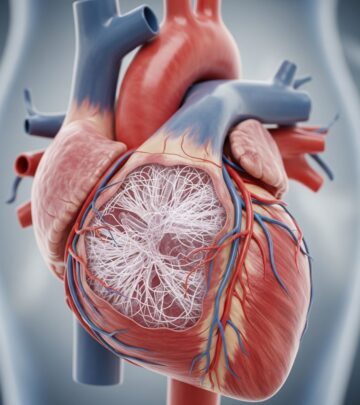
Low-Protein Dog Food: Benefits and Risks
Explore when low-protein diets help dogs with kidney issues and when high-quality protein supports better health outcomes.

Low-protein dog food is often prescribed for dogs with specific health challenges, particularly kidney disease, but emerging research questions its universal benefits. While it may reduce certain strains on the body, it can lead to muscle wasting and reduced vitality, especially in senior dogs.
Understanding Protein Needs in Canine Diets
Dogs are carnivores by nature, requiring high-quality protein for muscle maintenance, immune function, and energy. Adult dogs typically need protein comprising 20-30% of their caloric intake, with seniors often needing up to 50% more to combat age-related muscle loss known as sarcopenia.
Protein provides essential amino acids that the body cannot produce on its own. Deficiencies can impair wound healing, weaken immunity, and slow cellular repair. High-fat diets, even if protein-rich, can inadvertently reduce protein intake if portions are limited for calorie control, leading to shortages.
When Low-Protein Diets Might Be Appropriate
Veterinarians may recommend low-protein formulas for conditions like chronic kidney disease (CKD), liver issues, or protein-losing nephropathy (PLN). In CKD, kidneys struggle to filter waste products from protein metabolism, so reducing intake can lower blood urea nitrogen (BUN) levels and ease filtration demands.
- Kidney Disease: Studies from the 1980s showed dogs with induced renal failure on very low-protein diets (8.2-17.2% dry weight) had lower mortality than those on high-protein (44.4%) feeds, partly due to reduced uremic symptoms.
- Bladder or Liver Conditions: Limited protein helps prevent excessive protein loss through urine or supports liver function by minimizing toxin buildup.
- Weight Management: Less active or obese dogs may benefit from lower-protein foods paired with reduced calories to avoid fat gain.
However, these diets must be veterinary-prescribed, as over-the-counter options lack the precise nutrient balance needed. Phosphorus restriction often proves more effective than protein cuts alone for kidney support.
Potential Drawbacks of Restricting Protein
Blanket protein reduction can harm healthy or mildly affected dogs. Low-protein prescription foods like Hill’s k/d are often unpalatable, causing dogs to eat less, lose weight, or refuse food entirely, accelerating decline.
Severe restriction prompts the body to break down its own muscle for amino acids, increasing waste paradoxically and causing atrophy, weakness, and fatigue. Seniors, prone to sarcopenia, suffer most, showing reduced activity, poor coat quality, and slower healing.
| Condition | Low-Protein Effect | Potential Risks |
|---|---|---|
| Chronic Kidney Disease | Lowers BUN, may slow progression | Muscle loss, anorexia if unpalatable |
| Senior Dogs | Not recommended routinely | Sarcopenia, immune weakness |
| Obesity | Aids calorie control | Nutrient deficiencies if unbalanced |
| Liver Disease | Reduces toxin load | Weight loss, fatigue |
Research indicates dogs with 90% reduced kidney function thrive better on moderate-to-high protein from quality sources rather than low-protein kibble. Cereal-heavy commercial foods (18-22% protein) exacerbate issues by relying on carbs, spiking insulin, and contributing to metabolic syndrome.
Quality Over Quantity: Choosing the Right Protein
Not all proteins are equal. High-quality animal-based sources (e.g., meat, organs) provide complete amino acids efficiently, unlike plant proteins that may lack key nutrients. Raw diets with under 20% fat ensure adequate protein without excess calories, vital for puppies and active dogs.
For kidney patients, focus on highly digestible proteins with controlled phosphorus. Supplements like essential amino acids can prevent deficiencies without overloading the system.
- Prioritize novel proteins (e.g., duck, venison) to avoid allergies.
- Aim for 25-35% protein in senior formulas from premium sources.
- Monitor via bloodwork: Track BUN, creatinine, GFR, and muscle mass.
Monitoring Your Dog on a Restricted Diet
Never start low-protein feeding without vet oversight. Regular blood tests assess kidney function (inulin clearance, proteinuria), weight, and body condition score.
Owners should watch for:
- Appetite changes or refusal to eat.
- Unexplained weight loss or lethargy.
- Coat dullness, slow healing, or digestive upset like diarrhea.
If issues arise, transition gradually (mix old/new food over 7-10 days) and consider phosphorus binders or omega-3s as alternatives.
Alternatives to Traditional Low-Protein Foods
Holistic approaches emphasize whole-food diets tailored to needs:
- Moderate-Protein Homemade Meals: Use vet-approved recipes with lean meats, veggies, and low-phosphorus grains.
- Raw or Gently Cooked: High digestibility minimizes waste; balance with 70-90% lean meats.
- Prescription Alternatives: Newer formulas with nucleotide support or plant-based proteins for palatability.
Studies favor diets maintaining renal plasma flow over strict protein cuts. For seniors, boost protein to 30%+ for vitality.
Common Myths About Protein and Dog Health
Myth 1: All kidney disease requires low protein. Reality: Phosphorus control often suffices; high-quality protein supports longevity.
Myth 2: Seniors need less protein. Reality: They require more to prevent sarcopenia.
Myth 3: Low protein always prevents uremia. Reality: Extreme restriction caused thrombosis in one study.
Frequently Asked Questions
Is low-protein food safe for healthy dogs?
No, it can cause deficiencies leading to fatigue, poor growth, and skin issues. Stick to AAFCO guidelines: 18-25% minimum for adults.
How do I know if my dog needs low protein?
Only via vet diagnostics like bloodwork showing elevated BUN/creatinine. Self-prescribing worsens problems.
Can I make low-protein food at home?
Not without a veterinary nutritionist; imbalances risk toxicity or malnutrition.
What if my dog refuses prescription kidney food?
Consult your vet for flavor enhancers, toppers, or alternatives. Forced starvation harms more than moderate protein.
Does raw feeding work for kidney disease?
Potentially yes, with vet guidance for low-phosphorus recipes outperforming kibble in protein utilization.
Key Takeaways for Dog Owners
Low-protein diets suit specific cases under supervision but risk muscle loss and poor palatability. Prioritize quality protein, monitor closely, and explore phosphorus-focused or moderate-protein options for optimal health. Consult your vet to tailor nutrition to your dog’s unique needs.
References
- Food for Thought: High- vs. Low-Protein Dog Food — Impactful Canine. 2023. https://www.impactfulcanine.com/food-for-thought
- When a Low-Protein “Kidney Diet” Is Not the Answer — Whole Dog Journal. 2022-10-01. https://www.whole-dog-journal.com/health/a-low-protein-kidney-diet-is-not-always-the-answer/
- Low-Protein Dog Food: Is It Right For Your Pet? — PetMD. 2023. https://www.petmd.com/dog/nutrition/low-protein-dog-food-it-right-your-pet
- A Myth About Low Protein Diets and Kidney Disease in Dogs — Peter Dobias. 2024. https://peterdobias.com/blogs/blog/one-myth-that-can-rob-you-of-precious-time-with-your-senior-dog
- Is Protein Deficiency Hurting Your Dog? — Dogs Naturally Magazine. 2023. https://www.dogsnaturallymagazine.com/is-protein-deficiency-hurting-your-dog/
- Influence of reduced protein diets on morbidity, mortality, and renal function in dogs with induced chronic renal failure — PubMed (J Vet Intern Med). 1984. https://pubmed.ncbi.nlm.nih.gov/6711979/
- Kidney Disease in Dogs Part 3 – Why Low Protein Dog Food is Not the Answer — Dogs First. 2024. https://dogsfirst.ie/low-protein-dog-food/
Similar Articles







Read full bio of Sneha Tete