

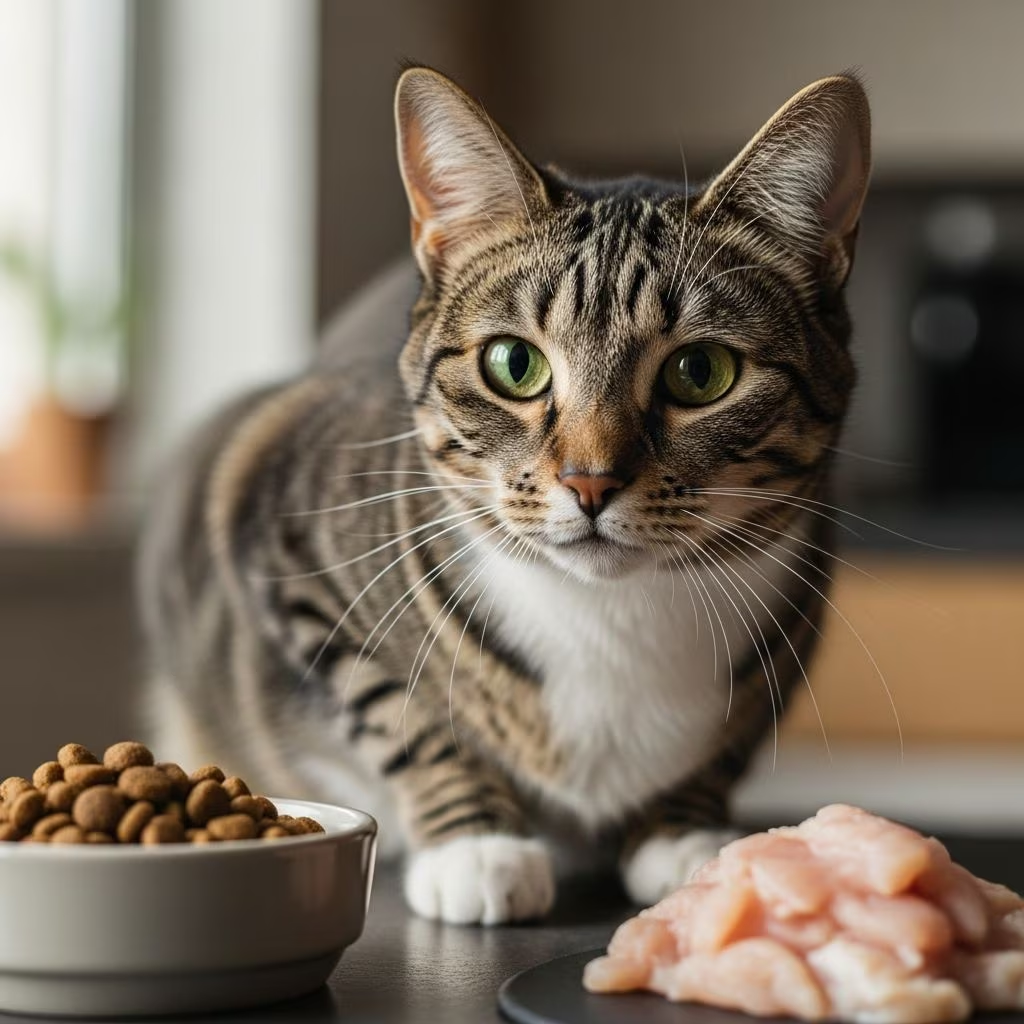
Cats are obligate carnivores that thrive on high-protein diets, but in cases of chronic kidney disease (CKD), veterinarians sometimes recommend moderately reduced protein intake to ease kidney workload. However, blanket low-protein feeding can lead to serious health issues in healthy cats, such as muscle wasting and weakened immunity. This article delves into the science, guidelines, and practical advice for balancing feline nutrition.
The Essential Role of Protein in Feline Health
Protein forms the cornerstone of a cat’s diet, providing amino acids vital for muscle maintenance, immune function, and overall vitality. Unlike dogs or humans, cats cannot efficiently convert plant proteins into usable forms, making animal-based sources crucial. The Association of American Feed Control Officials (AAFCO) sets a minimum of 26% protein for adult cat maintenance diets, rising to 30% for growth or reproduction stages.
High-quality proteins from meat, fish, or eggs supply essential amino acids like taurine and arginine, preventing deficiencies that could harm vision, heart health, or digestion. As cats age, their ability to absorb protein diminishes, often necessitating higher intake to compensate—yet this clashes with CKD management needs.
Chronic Kidney Disease in Cats: A Growing Concern
CKD affects up to 30-50% of cats over 10 years old, characterized by reduced kidney filtration leading to toxin buildup, nausea, and weight loss. Symptoms include increased thirst, frequent urination, lethargy, and poor appetite. Early detection via blood tests measuring creatinine, BUN, and SDMA levels is key.
Kidneys filter waste from protein metabolism, so excess can strain damaged organs, elevating urea and ammonia levels. However, cats with CKD still require adequate protein to avoid catabolism—where the body breaks down its own muscles for amino acids.
When Low Protein Diets Are Recommended
For azotemic CKD cats (those with elevated blood urea nitrogen), therapeutic diets with 28% protein (versus 30-45% in maintenance foods) can reduce uremic toxins, alleviate nausea, and improve appetite. Studies show these diets lower parathyroid hormone (PTH) and fibroblast growth factor-23 (FGF-23), slowing CKD progression in older cats.
Moderate restriction—around 76g protein per MCal compared to 86-120g in standard diets—combined with phosphate reduction (1.6g/MCal) benefits healthy senior cats by maintaining calcium-phosphate balance without advancing to azotemia. Phosphorus binders may be added for late-stage cases to control rising levels.
- Key Benefits: Decreased toxin load, better hydration tolerance, prolonged survival in advanced CKD.
- Supporting Evidence: Reduced PTH/FGF-23 in trials with cats over 9 years.
Risks of Excessive Protein Restriction
Feeding below AAFCO minimums risks muscle loss, dull coats, anemia, and immune suppression. Low-protein diets often rely on plant fillers, which cats digest poorly, raising BUN without nutritional value. In CKD cats, overly restrictive plans can worsen malnutrition, especially if palatability is low—many reject bland kidney formulas.
High-protein raw diets have shown CKD cats gaining weight, shining coats, and reduced vomiting, challenging old myths. Gut microbiome shifts from high protein include beneficial bacteria like Bifidobacterium in moderate diets, but elevated ammonia in very high ones signals need for balanced carbs.
| Protein Level | Pros | Cons | Ideal For |
|---|---|---|---|
| 28% (Low) | Reduces uremia, nausea | Muscle loss risk, poor appetite | Advanced CKD |
| 30-45% (Maintenance) | Supports muscle, energy | May strain kidneys in CKD | Healthy adults |
| 50-55% (High) | Weight loss aid, senior needs | Ammonia rise if unbalanced | Obese or active cats |
Scientific Insights from Recent Research
A study by Hill’s Pet Nutrition researchers found protein variations (P28, P35, P55) altered gut microbiomes without overt health changes in healthy cats, but high levels raised fecal ammonia—risky for CKD. Older cats need digestible proteins despite risks, emphasizing quality over quantity.
Another trial in healthy seniors demonstrated moderate protein/phosphate restriction slowed CKD markers, well-tolerated long-term. Rat models suggest hyperfiltration from high protein harms kidneys, but dog/cat data disputes lifespan extension from low protein, prioritizing animal-sourced nutrition.
Choosing the Right Diet for Your Cat
Consult a vet for bloodwork-guided plans. Prescription renal diets (e.g., Hill’s k/d) offer controlled protein/phosphorus but mix with favorites for acceptance. Homemade options with meat, eggs, and supplements ensure balance—recipes abound from veterinary nutritionists.
For non-CKD cats, prioritize 40%+ animal protein. Wet foods aid hydration, crucial for kidney health. Transition gradually over 7-10 days to avoid digestive upset.
- Look for: High meat content, low carbs, added taurine.
- Avoid: Grains as primary protein, artificial preservatives.
Monitoring and Adjusting Diets
Regular vet checkups track BUN, creatinine, phosphorus, and weight. Urine specific gravity assesses concentration ability. If nausea persists, anti-emetics or appetite stimulants help. Hydration via subcutaneous fluids or fountains supports any diet.
Seniors benefit from senior formulas with enhanced digestibility. Obese CKD cats may need higher protein for satiety without calories.
Alternatives to Traditional Low Protein Approaches
Raw feeding with high-quality meats has revitalized CKD cats in anecdotal reports, bypassing processed fillers. Probiotics support microbiome balance amid protein shifts. Omega-3s from fish oil reduce inflammation.
Standardized herbal supports like Rehmannia (in vet formulas) aid kidney function alongside diet.
FAQs on Low Protein Diets for Cats
Q: Is low protein always bad for cats?
A: No, it’s therapeutic for CKD but harmful for healthy cats lacking sufficient amino acids.
Q: What protein percentage for CKD cats?
A: Aim for 28-35%, focusing on digestibility and phosphorus control.
Q: Can homemade diets replace prescription ones?
A: Yes, if balanced per vet/nutritionist recipes to meet AAFCO standards.
Q: How does protein affect the cat gut microbiome?
A: Moderate levels promote beneficial bacteria; extremes alter metabolite production.
Q: When to increase protein in seniors?
A: If absorption issues arise, opt for highly digestible sources over quantity.
Practical Feeding Tips for Optimal Health
Feed 2-3 small meals daily to mimic hunting. Weigh food precisely; free-feeding risks obesity. Fresh water everywhere encourages intake. Annual senior wellness exams catch issues early.
Track body condition score (BCS) monthly—ideal is visible waist, palpable ribs. Adjust calories: 20-30 kcal/lb body weight daily, tweaking for activity.
References
- Impact of dietary protein on cat health and wellbeing — Research Outreach / Dr. Dayakar Badri et al. 2023. https://researchoutreach.org/articles/impact-dietary-protein-cat-health-wellbeing/
- The Effect of Moderate Dietary Protein and Phosphate Restriction on Clinical, Biochemical and Haematological Parameters in Healthy Older Cats — PMC / Hall et al. 2016-09-08. https://pmc.ncbi.nlm.nih.gov/articles/PMC5032885/
- Feeding the Kidney Patient: The Low Protein Diet Myth — Vital Animal. 2023. https://vitalanimal.com/low-protein-diet-myths/
- How Important is a low protein diet for pets with Kidney disease — Dr. Smith Holistic Pet Care. 2017-05-21. https://drsmithholisticpetcare.com/2017/05/21/how-important-is-a-low-protein-diet-for-pets-with-kidney-disease/
- Understanding Protein in Cat Food: Why High-Protein Diets Are Essential — Birdie & Louie. 2023. https://birdieandlouie.com/blogs/news/understanding-protein-in-cat-food-why-high-protein-diets-are-essential



