

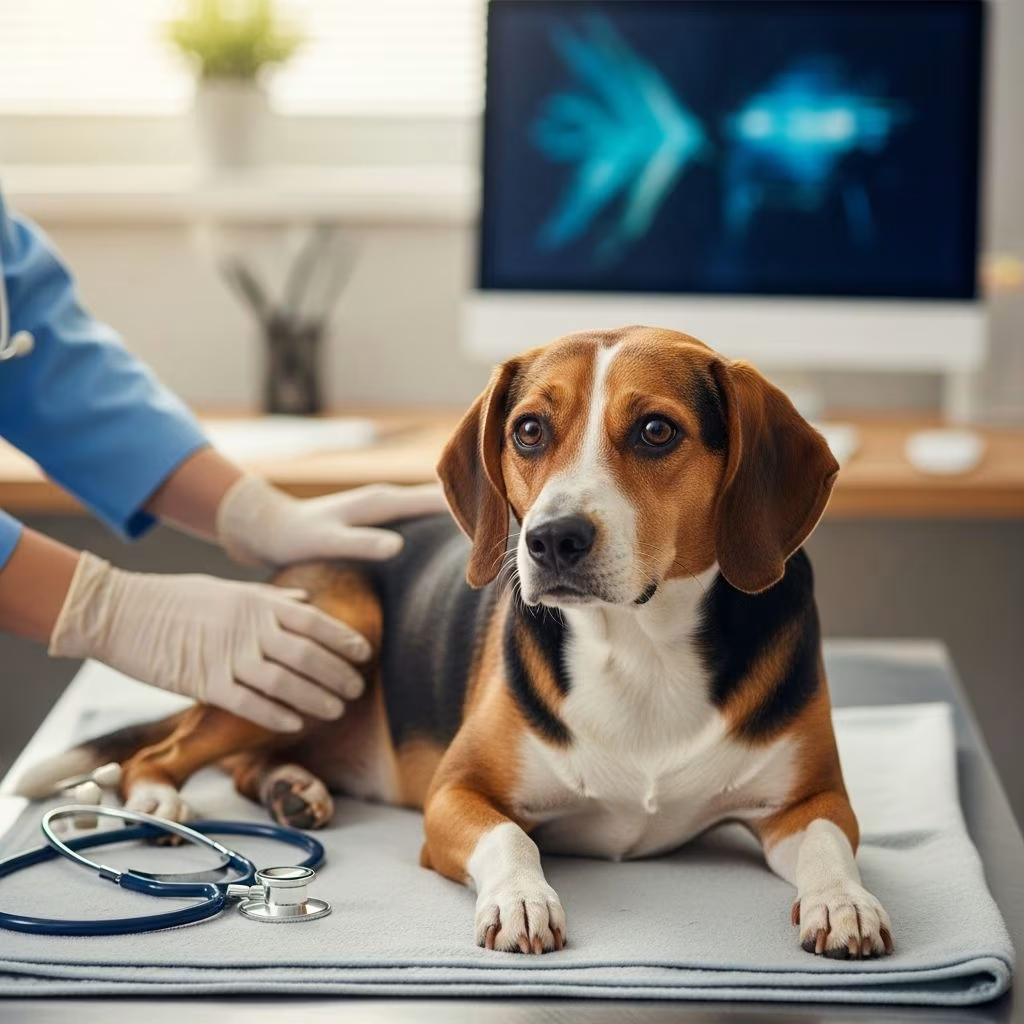
The liver plays a vital role in a dog’s overall health, handling detoxification, nutrient processing, and protein synthesis. While elevated liver enzymes often indicate damage or inflammation, low levels can point to impaired liver function or reduced production capacity, potentially signaling serious underlying problems. This article delves into the implications of low liver enzymes, helping pet owners recognize signs and pursue appropriate veterinary care.
Understanding Liver Enzymes and Their Normal Role
Liver enzymes such as ALT (alanine aminotransferase), AST (aspartate aminotransferase), ALP (alkaline phosphatase), and GGT (gamma-glutamyl transferase) are markers released into the bloodstream when liver cells are stressed or damaged. Typically, higher levels suggest acute injury, but low values may reflect a liver that is not producing these enzymes adequately, often due to atrophy, shunting, or synthetic failure.
In healthy dogs, these enzymes maintain stable levels, reflecting the liver’s robust regenerative ability. Deviations, especially decreases, can arise from congenital issues, chronic diseases, or metabolic disruptions, necessitating blood tests for accurate assessment.
Common Causes of Decreased Liver Enzymes
Low liver enzymes rarely occur in isolation and often accompany other blood abnormalities like low albumin, BUN, or cholesterol, indicating diminished hepatic synthesis. Key causes include:
- Portosystemic Shunts (PSS): Congenital vascular abnormalities bypass the liver, reducing its workload and enzyme production. Breeds like Yorkshire Terriers and Miniature Schnauzers are prone.
- Chronic Liver Atrophy: Long-term damage leads to liver shrinkage, impairing enzyme release.
- Hepatic Insufficiency: Advanced stages of chronic hepatitis or cirrhosis where functional liver mass is lost.
- End-Stage Liver Failure: Massive cell loss results in undetectable enzyme levels.
- Nutritional or Toxic Deficiencies: Rarely, severe malnutrition affects liver function.
Genetic predispositions in breeds such as Bedlington Terriers and Doberman Pinschers heighten risks for conditions like copper storage disease, contributing to enzyme imbalances.
Recognizing Symptoms Linked to Low Liver Enzyme Levels
Dogs with low liver enzymes often exhibit nonspecific signs overlapping with general liver dysfunction. Early detection hinges on observing subtle changes.
| Stage | Symptoms |
|---|---|
| Early | Mild appetite loss, slight weight reduction, increased thirst/urination |
| Intermediate | Vomiting, diarrhea, lethargy, jaundice (yellowing of gums/eyes) |
| Advanced | Neurological issues (confusion, seizures), ascites (abdominal swelling), weakness |
Jaundice arises from bilirubin buildup, while hepatic encephalopathy causes brain fog due to toxin accumulation. Other indicators include dark urine, blood in stool, and behavioral shifts like disorientation.
Diagnostic Approaches for Low Liver Enzymes
Veterinarians start with a complete blood count (CBC) and chemistry panel to confirm low enzymes and check for hypoalbuminemia or elevated ammonia, hallmarks of shunts or insufficiency.
- Bile Acid Tests: Pre- and post-prandial levels assess liver function beyond enzymes.
- Ultrasound/Imaging: Detects shunts, masses, or atrophy.
- Ammonia Levels: High values support encephalopathy diagnosis.
- Biopsy: Provides definitive tissue analysis for chronic conditions.
These tests differentiate low enzymes from elevated ones, guiding targeted interventions.
Treatment Strategies and Management Options
Treatment varies by cause but focuses on supportive care and addressing root issues.
Surgical Interventions
For congenital shunts, surgery to ligate abnormal vessels restores normal blood flow, often normalizing enzyme levels post-recovery.
Medical Management
- Dietary Changes: Low-protein, high-quality diets reduce toxin load; supplements like SAMe or milk thistle support regeneration.
- Medications: Lactulose lowers ammonia; antibiotics prevent infections; ursodiol aids bile flow.
- Fluid Therapy: Corrects dehydration and electrolyte imbalances.
Chronic cases require lifelong monitoring with serial bloodwork.
Nutritional Support for Liver Health
Diet is cornerstone therapy. Opt for:
- Highly digestible proteins to minimize waste products.
- Antioxidant-rich foods (vitamins E, C) to combat oxidative stress.
- Medium-chain triglycerides for easy energy provision.
- Avoid copper-heavy foods in predisposed breeds.
Commercial hepatic diets from vets ensure balanced nutrition.
Preventive Measures and Breed-Specific Risks
Prevention involves routine wellness exams, especially for at-risk breeds like Labradors (copper issues) and Dobermans. Avoid toxins (xylitol, certain meds, mushrooms), vaccinate against leptospirosis, and maintain ideal weight to reduce fatty liver risk.
Prognosis and Long-Term Outlook
Early-detected shunts post-surgery boast 80-90% success rates. Chronic diseases carry guarded prognoses, with management extending quality life. Regular vet follow-ups are essential.
Frequently Asked Questions (FAQs)
What do low liver enzymes mean in dogs?
They suggest reduced liver production capacity, often from shunts or end-stage disease, unlike high levels indicating active damage.
Can low liver enzymes be reversed?
Yes, if caused by treatable issues like shunts via surgery; chronic cases focus on management.
Which breeds are prone to liver problems causing low enzymes?
Yorkshire Terriers, Bedlingtons, Dobermans due to genetic shunts or storage diseases.
Should I change my dog’s diet if enzymes are low?
Consult a vet for a hepatic prescription diet to support liver function.
When is a liver biopsy necessary?
For unclear chronic cases to identify inflammation or fibrosis.
Monitoring Your Dog’s Progress
Post-treatment, track appetite, energy, and stool quality. Monthly blood tests gauge enzyme trends and adjust therapies.
References
- Liver Disease in Dogs Signs, Causes, Diagnoses and Treatment — Vetic.in. 2023. https://vetic.in/blog/pet-health/liver-disease-in-dogs-signs-causes-diagnoses-and-treatment-of-dog-liver-problems/
- Liver Disease in Dogs: Symptoms and Causes — WebMD. 2024-01-15. https://www.webmd.com/pets/dogs/liver-disease-liver-failure-dogs
- Liver Disease in Dogs: Symptoms, Causes, and Treatments — GoodRx. 2023-10-20. https://www.goodrx.com/pet-health/dog/liver-disease-in-dogs
- The Signs and Holistic Approach to Liver Failure in Dogs — Volhard Dog Nutrition. 2024. https://www.volharddognutrition.com/blog/the-signs-and-holistic-approach-to-liver-failure-in-dogs/
- Liver Failure in Dogs: Emergency Signs & Immediate Actions — GSVS. 2023-05-12. https://gsvs.org/blog/liver-failure-dogs-emergency-actions/
- Liver Enzyme Interpretation and Function Tests — Today’s Veterinary Practice. 2022-11-08. https://todaysveterinarypractice.com/hepatology/liver-enzyme-interpretation-and-function-tests/
- Liver Disease in Dogs — PetMD. 2024-02-01. https://www.petmd.com/dog/conditions/digestive/liver-disease-dogs



