
Low-Fat Homemade Dog Food Recipes
Discover expert-guided low-fat homemade dog food recipes to support your pet's health, manage weight, and prevent conditions like pancreatitis.
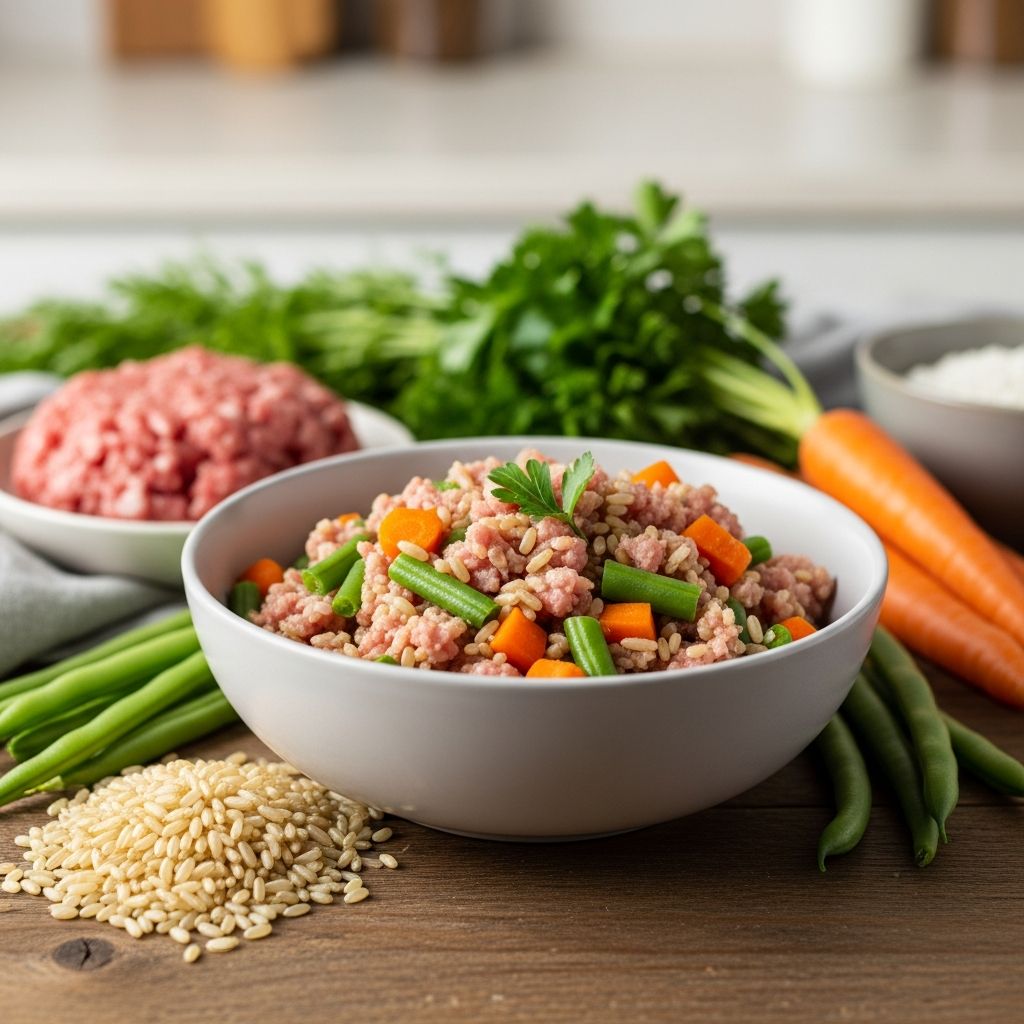
Preparing low-fat homemade dog food offers pet owners a powerful way to address specific health needs, such as weight management, pancreatitis prevention, or digestive sensitivities. By using lean proteins, fiber-rich vegetables, and precise supplements, these diets ensure nutritional balance while limiting fat intake to under 25 grams per 1,000 calories. This approach draws from veterinary nutrition guidelines, providing dogs with fresh, customizable meals that support long-term vitality.
Why Choose Low-Fat Diets for Dogs?
Dogs prone to hyperlipidemia, obesity, or pancreatitis benefit greatly from reduced fat diets. Conditions like diabetes, Cushing’s disease, or anti-seizure medications increase pancreatitis risk, where excessive fat triggers inflammation. Low-fat feeding acts preventively, stabilizing digestion and energy levels. Owners report shinier coats, firmer stools, and improved appetite in dogs on these plans.
- Health Benefits: Reduces obesity risk, aids weight loss, eases GI upset.
- Customization: Tailor to allergies, age, or activity level.
- Freshness: Avoids preservatives and fillers in commercial kibble.
Studies show personalized homemade diets lead to symptom remission in pathological dogs and enhance coat quality in healthy ones. However, balance is crucial—diets must meet AAFCO standards for adult maintenance.
Essential Principles of Balanced Low-Fat Canine Nutrition
Low-fat dog food prioritizes lean meats (95% lean beef, skinless poultry), complex carbs (sweet potatoes, rice), and greens (broccoli, lettuce). Fats are controlled at 20-25g per 1,000 kcal, with an optimal omega-6:omega-3 ratio of 7:1. Add specific oils like hemp, cod liver, or fish oil for essential fatty acids supporting skin, coat, and immunity.
| Nutrient | Role in Low-Fat Diet | Sources |
|---|---|---|
| Protein | Muscle maintenance, satiety | Chicken thighs (skinless), beef heart, liver |
| Carbs/Fiber | Energy, digestion | Sweet potato, rice, broccoli stalks |
| Fats | Essential fatty acids | Hemp oil, cod liver oil (measured precisely) |
| Minerals | Bone health, iodine | Eggshell powder, kelp, iodized salt |
Vitamin E (20-120 IU) prevents oxidation. Rotate proteins (poultry, beef, fish) weekly for fat balance, as domesticated meats lack wild prey’s profile.
Step-by-Step Low-Fat Recipe #1: Poultry Power Meal
This chicken-based recipe yields ~1,000 kcal with 22g fat/1,000 kcal. Perfect for daily feeding in pancreatitis-prone dogs.
- 14 oz skinless chicken thighs (trim fat)
- 1 lb baked sweet potato (in skin)
- 1/2 lb broccoli stalks
- 2 oz chicken liver
- 1 oz chicken heart
- 1 tsp eggshell powder
- 1/4 tsp iodized salt
- 40-120 IU vitamin E (2-6 drops)
Preparation: Bake sweet potato, steam broccoli, cook meats thoroughly. Blend or chop finely, mix supplements. Portion by weight: 1-2% body weight daily (e.g., 1 lb for 50-lb dog). Store refrigerated 3 days or freeze.
Nutritional profile: 31 kcal/oz, ideal omega balance.
Step-by-Step Low-Fat Recipe #2: Beef and Greens Blend
A hearty beef option at 95% lean, with rice for carbs and oils for fats (24g/1,000 kcal target).
- 12 oz 95% lean ground beef
- 12 oz cooked white rice
- 6 oz red leaf lettuce
- 1 oz beef liver
- 1 oz beef heart
- 1.5 tsp bone meal
- 3/4 tsp hemp oil (or walnut/canola)
- 1/4 tsp cod liver oil
- 1/4 tsp kelp
- 20-100 IU vitamin E
Prep Tips: Brown beef lightly, cook rice al dente, wilt lettuce. Combine with oils last to preserve nutrients. Yields bulk for weekly prep.
Step-by-Step Low-Fat Recipe #3: Mixed Protein Pasta Feast
Family-style batch (995 kcal, 24g fat/1,000 kcal) using pasta for carbs, multiple proteins for variety.
- 3 lbs cooked whole wheat macaroni
- 2 lbs skinless chicken thighs
- 1 lb 95% lean ground beef
- 1 lb broccoli stalks
- 1 lb red leaf lettuce
- 1/2 lb chicken liver
- 1/2 lb beef heart
- 3.5 oz canned sardines
- 1 large egg white
- 4 tsp eggshell powder
- 1 tsp kelp meal
- 200+ IU vitamin E
Divide into meals; add 1 tsp rotating oil (fish, olive) per serving. 24 kcal/oz density suits active dogs.
Recipe #4: Turkey and Veggie Medley
Inspired by lean trends, this turkey variant (20g fat/1,000 kcal) incorporates quinoa for protein boost.
- 1.5 lbs ground turkey (93% lean)
- 1 lb quinoa, cooked
- 8 oz spinach
- 4 oz turkey liver
- 1.5 tsp bone meal
- 1/2 tsp flaxseed oil
- 1/4 tsp kelp
- 50 IU vitamin E
Cook turkey, mix with steamed spinach and quinoa. Balances omegas at 6:1 ratio.
Feeding Guidelines and Portion Control
Calculate daily intake: 20-30 kcal/lb body weight for maintenance, less for weight loss. Example: 40-lb dog needs 800-1,200 kcal/day, split 2-3 meals. Monitor weight weekly; adjust carbs up for energy, proteins for muscle.
- Transition: Mix with current food over 7-10 days.
- Storage: Refrigerate 3-4 days; freeze portions.
- Hydration: Add warm water per meal.
For picky eaters, top with low-fat yogurt. Avoid excesses like too much liver (limit 5-10% diet).
Real Owner Experiences with Low-Fat Homemade Diets
Owners of special-needs dogs praise these recipes. One with a pancreatitis survivor adds enzymes and yogurt, noting firmer stools and energy. Another rotates oils, feeding 0.5 lb weekly liver split across meals. Results: weight stabilization, allergy relief, better digestion.
Potential Risks and Veterinary Consultation
Imbalanced homemade diets risk deficiencies; always consult a vet nutritionist. Most vets caution against DIY without analysis. Test recipes via services like BalanceIT. Watch for loose stools or lethargy—adjust accordingly.
Frequently Asked Questions (FAQs)
Is homemade low-fat dog food safe for all breeds?
Yes, when balanced per AAFCO, but tailor to breed-specific needs (e.g., less for brachycephalics).
How do I know if the fat content is low enough?
Aim for <25g fat/1,000 kcal; use nutrition apps or lab analysis.
Can puppies eat these recipes?
No—puppies need higher fat/protein. Use puppy formulas.
What if my dog has allergies?
Substitute proteins (e.g., turkey for chicken) and test single ingredients.
How often should I rotate recipes?
Daily/weekly for fat balance and variety.
Enhancing Diets with Supplements
Beyond basics, consider probiotics for digestion, omega-3s for inflammation. Kelp/iodized salt ensures thyroid health. Vitamin E safeguards added oils.
References
- Homemade Low-Fat Dog Food Diets — Whole Dog Journal. 2023. https://www.whole-dog-journal.com/food/homemade-low-fat-dog-food-diets/
- Homemade Diet as a Paramount for Dogs’ Health — PMC (PubMed Central). 2024-10-15. https://pmc.ncbi.nlm.nih.gov/articles/PMC11435771/
- Choosing Balanced Ingredients for Homemade Dog Food — American Kennel Club (AKC). 2024. https://www.akc.org/expert-advice/nutrition/homemade-dog-food/
- Homemade Dog Food: Is It Healthy to Cook for Your Dog? — PetMD. 2025-02-20. https://www.petmd.com/dog/nutrition/how-make-sure-your-homemade-dog-food-delivers-right-nutrients
- What Is Homemade Dog Food? And Do Vets Recommend It? — Chewy Education. 2024. https://www.chewy.com/education/dog/food-and-nutrition/homemade-dog-food
Similar Articles








Read full bio of medha deb




