

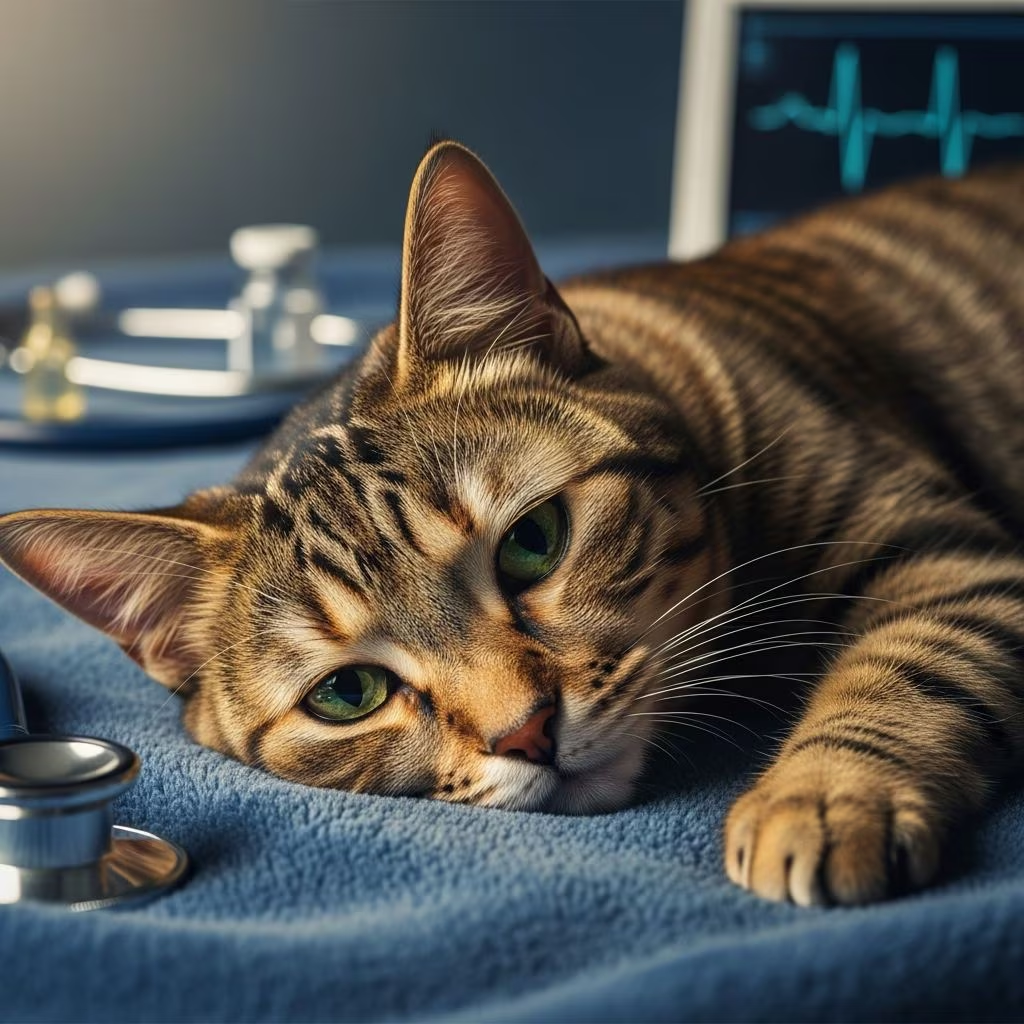
Low Blood Pressure in Cats: Our Vet Explains the Signs, Causes & Treatment
Low blood pressure, medically known as hypotension, is a serious condition that can affect cats and requires immediate veterinary attention. While many cat owners may not realize their pet is experiencing this condition, understanding the signs and causes of low blood pressure is crucial for ensuring your feline companion receives prompt and appropriate care. Hypotension in cats typically occurs in clinical or emergency settings, though it can also develop as a side effect of certain medications used to treat high blood pressure. This comprehensive guide will help you understand what low blood pressure means for your cat, how to recognize the warning signs, and what treatment options are available.
What Are the Signs of Low Blood Pressure in Cats?
Recognizing the symptoms of low blood pressure in cats can be challenging because many signs are subtle and easily overlooked by pet owners. The clinical manifestations of hypotension vary depending on the severity of the condition and the underlying cause. Unlike some health conditions that produce obvious symptoms, low blood pressure often presents with non-specific signs that could indicate various other health problems. This is why professional veterinary diagnosis is essential rather than attempting to determine blood pressure through observation alone.
The most common signs of low blood pressure in cats include:
- Increased heart rate (tachycardia) – The cat’s heart compensates for low blood pressure by beating faster
- White or pale gums – A classic indicator of reduced blood circulation
- Prolonged capillary refill time – When you press on the gums and release, the color takes more than 2 seconds to return to normal
- Weak or bounding pulses – Pulses in the limbs may feel weak or irregular
- Cool extremities – The paws and ears may feel unusually cold to the touch
- Hypothermia – Body temperature drops below the normal range of 99°F to 102.5°F
- Altered mentation – Changes in mental state or consciousness
- Mental dullness – The cat appears less alert or responsive than usual
- Weakness – General lethargy and reduced ability to move or jump
- Decreased urine output – Significant reduction in the frequency of urination
In some cases, cats with septic shock or systemic inflammatory response syndrome may develop bradycardia (a slower-than-normal heart rate) instead of the typical tachycardia. This variation in heart rate response makes accurate diagnosis even more important. Additionally, cats with low blood pressure may display non-responsiveness, disorientation, and general behavioral changes that indicate the cat is not acting normally. If you notice any combination of these symptoms in your cat, contact your veterinarian immediately for evaluation.
What Are the Causes of Low Blood Pressure in Cats?
Low blood pressure in cats can result from multiple different conditions and situations. Understanding the underlying causes helps veterinarians determine the most appropriate treatment approach for your individual cat. The causes of hypotension in felines are diverse and can range from acute medical emergencies to chronic health conditions.
The most common causes of low blood pressure in cats include:
- Fluid loss through vomiting and/or diarrhea – Dehydration reduces the volume of blood circulating through the body
- Hemorrhage (severe bleeding) – Significant blood loss from trauma or internal bleeding
- Severe infection – Systemic infections can trigger shock and cause blood pressure to drop
- Medications used for general anesthesia – Anesthetic agents can temporarily lower blood pressure
- Medication side effects – Including overdose of blood pressure medications prescribed for hypertension
- Heart disease – Such as hypertrophic cardiomyopathy, which impairs the heart’s pumping ability
- Shock – From various causes including septic, cardiogenic, or distributive shock
- Kidney failure or chronic kidney disease – Affects fluid balance and blood pressure regulation
- Acidosis – An imbalance in blood pH that affects cardiovascular function
- Hypothermia – Dangerously low body temperature
- Bradycardia – A slow heart rate that may not pump sufficient blood
- Prolonged anesthesia – Extended surgical procedures can lead to hypotension
One important consideration is that cats receiving medication for high blood pressure, such as amlodipine, may develop hypotension if the dosage is excessive or if their condition changes. This emphasizes the importance of regular veterinary monitoring for cats on blood pressure medications. Additionally, diuretics used to treat heart disease can contribute to low blood pressure if not carefully managed.
How Is Low Blood Pressure in Cats Diagnosed?
Accurate diagnosis of low blood pressure requires professional veterinary examination and testing. While you may notice signs that something is wrong with your cat, only a veterinarian can confirm hypotension through proper diagnostic procedures. A comprehensive diagnostic approach helps identify both the presence of low blood pressure and its underlying cause.
Detailed History Taking
Your veterinarian will begin by discussing every aspect of your cat’s life and recent health history. This conversation is crucial because many conditions produce similar symptoms to low blood pressure. Understanding your cat’s diet, recent illnesses, medications, exposure to toxins, and behavioral changes helps the veterinarian differentiate between various possible causes and narrow down the likely diagnosis.
Physical Examination
A careful physical examination is the foundation of diagnosing low blood pressure. Your veterinarian will check for physical signs of illness and look for characteristic findings of hypotension, including pale or white gums, weak pulses, cool extremities, and prolonged capillary refill time. The physical exam also helps rule out other causes of the symptoms your cat is displaying, such as heart disease or poisoning. Normal cats typically maintain a resting heart rate between 160 and 200 beats per minute, so heart rates significantly above or below this range may indicate problems requiring further investigation.
Blood Pressure Readings
Low blood pressure is typically diagnosed through blood pressure readings of 100 mm Hg or less. It is not possible to diagnose blood pressure by simply observing or examining a cat—specific blood pressure measurements must be taken using specialized equipment by your veterinarian.
Routine Blood Tests and Diagnostic Imaging
Your veterinarian may order several types of diagnostic testing to help determine the underlying cause of low blood pressure after your cat has been stabilized. These may include:
- Hematology (blood count) to check for anemia or infection
- Biochemistry profiles to assess organ function and electrolyte levels
- Urinalysis to evaluate kidney function and urine composition
- Radiographs (X-rays) to visualize internal structures
- Ultrasound to examine the heart, lungs, and abdominal organs
- ECG (electrocardiogram) to diagnose heart arrhythmias
How Is Low Blood Pressure Treated in Cats?
Treatment for low blood pressure in cats focuses on restoring adequate blood pressure, blood volume, and oxygen delivery to cells, tissues, and organs as quickly as possible. The specific treatment approach depends on identifying and addressing the underlying cause of the hypotension. Most treatment occurs in a veterinary clinic or hospital setting where cats can receive continuous monitoring and care.
Fluid Therapy and Shock Management
Intravenous fluid therapy is often one of the first emergency treatments administered to cats with low blood pressure. IV fluids help restore blood volume and improve circulation. However, veterinarians must carefully rule out primary heart disease before administering fluids, as some cardiac conditions require different treatment approaches. The rate and type of fluid administration are tailored to your individual cat’s condition and needs.
Temperature Management
Cats with hypothermia require careful, active rewarming. Veterinarians typically warm cats while delivering the initial bolus of fluid therapy, and many prefer not to administer additional fluid boluses until the cat’s body temperature has reached at least 98°F. Remember that the normal body temperature for a cat ranges from 99°F to 102.5°F. Proper temperature management is critical because cats in shock do not respond well to fluid therapy when they are cold.
Blood Transfusions
Cats experiencing significant hemorrhage or bleeding disorders may require blood transfusions to replace lost blood and restore adequate oxygen-carrying capacity. Blood products are administered under careful veterinary supervision.
Vasopressor Medications
When blood pressure remains critically low despite fluid therapy, veterinarians may prescribe vasopressor medications to help increase blood pressure. These medications include dopamine, norepinephrine, vasopressin, and dobutamine. Vasopressors must be administered by constant-rate infusion because of their short half-lives and should ideally be delivered through a central venous catheter. Blood pressure must be monitored regularly in cats receiving vasopressors.
Cardiac and Respiratory Support
Cats with heart disease may need supplemental oxygenation and diuretics to help them breathe more easily and reduce fluid accumulation in the lungs. Cats showing signs of respiratory distress or known arrhythmias may have cardiogenic shock and require specialized cardiac support. In severe cases, assisted ventilation may be necessary.
Electrolyte and Acidosis Correction
Treatment addresses any electrolyte abnormalities and acidosis that may be contributing to the low blood pressure and shock. Correcting these imbalances is essential for restoring normal cellular and organ function.
Antibiotic Therapy
Cats with severe infections or suspected septic shock receive antibiotic treatment to address the underlying infection. Prompt antibiotic administration is critical in these cases. Interestingly, steroids do not appear to change outcomes for patients in shock and are not routinely recommended.
Monitoring and Prognosis
Blood pressure should be monitored regularly using appropriate equipment and techniques until the hypotension has fully resolved and your cat’s condition stabilizes. Continuous monitoring allows your veterinarian to adjust treatment as needed and assess your cat’s response to therapy. The prognosis for cats with low blood pressure depends significantly on the underlying cause, how quickly treatment was initiated, and how well your cat responds to therapy. Conditions identified and treated early generally have better outcomes than those diagnosed after prolonged hypotension has caused organ damage.
Why Professional Veterinary Care Is Essential
Low blood pressure is a medical emergency that requires professional veterinary supervision and monitoring. This is not a condition that can be diagnosed or treated at home. The complexity of determining the underlying cause, combined with the need for specialized equipment and medications, makes veterinary clinic or hospital care absolutely necessary. If you suspect your cat may have low blood pressure, seek immediate veterinary attention rather than waiting or attempting home remedies.
Frequently Asked Questions (FAQs)
Q: Can I check my cat’s blood pressure at home?
A: No, blood pressure cannot be reliably determined by observing your cat or performing a home examination. Only a veterinarian using specialized equipment can accurately measure blood pressure. If you notice signs that suggest low blood pressure, contact your veterinarian immediately for professional evaluation.
Q: Is low blood pressure common in cats?
A: Low blood pressure is more commonly seen in critical care or emergency settings than in cats living at home. However, it can occur as a complication of various health conditions or as a medication side effect. It is always a serious concern requiring veterinary attention.
Q: How long does treatment for low blood pressure take?
A: The duration of treatment depends on the underlying cause and severity of the hypotension. Some cats may stabilize within hours with appropriate treatment, while others may require days or weeks of veterinary care and monitoring.
Q: Can blood pressure medications cause low blood pressure in cats?
A: Yes, cats receiving medications like amlodipine for high blood pressure can develop hypotension if the dosage is too high or if their condition changes. This is why regular veterinary monitoring is important for cats on blood pressure medications.
Q: What should I do if I suspect my cat has low blood pressure?
A: Contact your veterinarian immediately. If it is after hours and your cat shows signs of distress, weakness, collapse, or other emergency symptoms, visit an emergency veterinary clinic. Do not attempt to treat this condition at home, as it requires professional medical intervention.
References
- Low Blood Pressure in Cats (Hypotension in Cats): Causes, Symptoms & Treatment — Cats.com. https://cats.com/low-blood-pressure-in-cats
- Recognizing and Treating Shock in Cats — DVM360. https://www.dvm360.com/view/recognizing-and-treating-shock-cats
- Congestive Heart Failure in Cats — PetMD. https://www.petmd.com/cat/conditions/cardiovascular/heart-failure-cats
- Everyday Medicine: Blood Pressure in Dogs and Cats — Animal Medical Center (AMC). https://www.amcny.org/blog/2017/11/01/everyday-medicine-blood-pressure/
- ISFM Consensus Guidelines on the Diagnosis and Management of Hypertension in Cats — International Society of Feline Medicine. https://catvets.com/resource/hypertension-toolkit-treatment/



