
Lovebird Nutrition: 6 Essential Nutrients For Vibrant Health
Complete nutritional guide for lovebirds: diet requirements, food options, and feeding best practices.
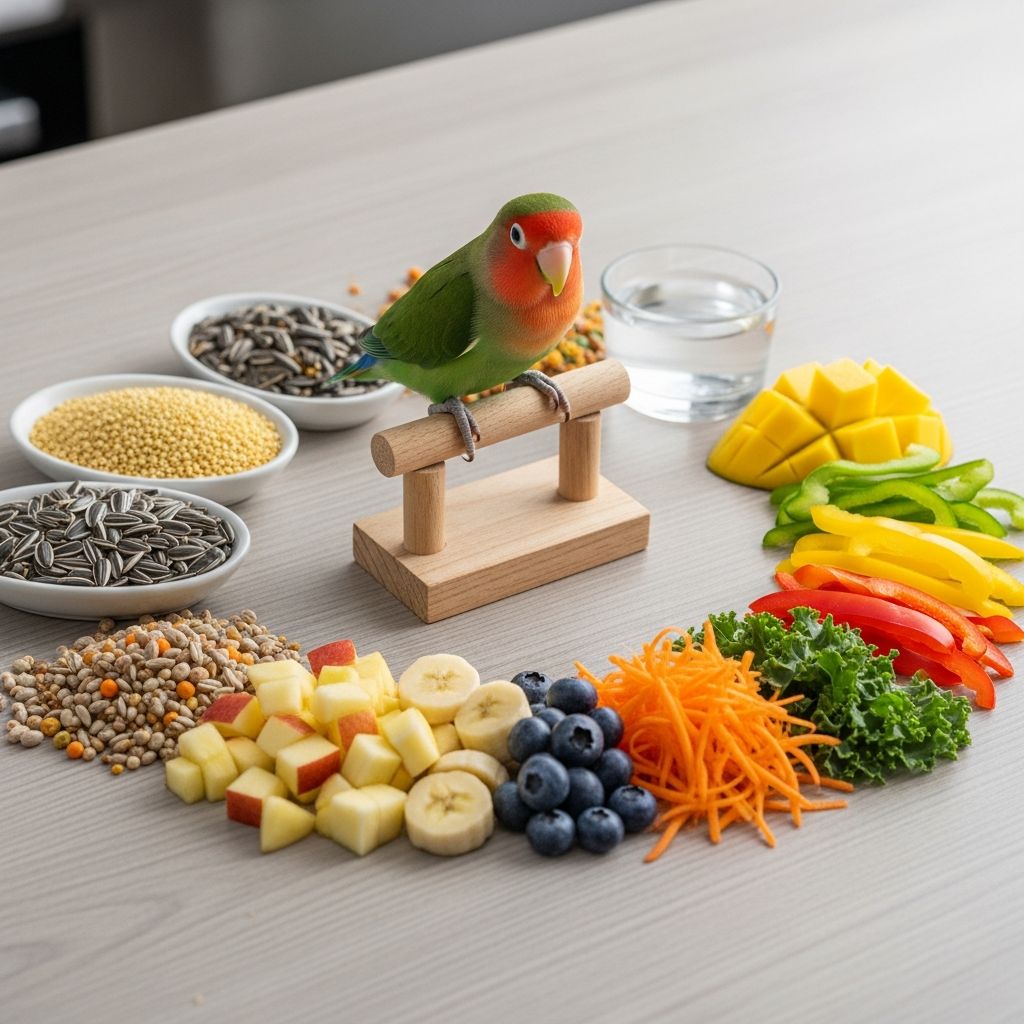
Understanding Lovebird Nutrition and Dietary Needs
Lovebirds are small, vibrant parrot species that bring joy and companionship to pet owners around the world. While these tiny birds may be small in size, their nutritional requirements are significant and demand careful attention. Proper nutrition forms the foundation of good health for lovebirds, directly impacting their energy levels, plumage quality, immune function, and overall lifespan. A well-nourished lovebird can live between 12 and 15 or more years, with some individuals reaching up to 30 years with exceptional care.
Understanding what lovebirds eat in their natural habitat and how to replicate those nutritional components in captivity is essential for any responsible bird owner. In the wild, lovebirds inhabit the woodlands, savannas, and forest edges of sub-Saharan Africa and Indian Ocean islands, where they forage for seeds and fruits in flocks. This natural feeding behavior provides insights into the diverse diet these birds require for optimal health.
Natural Diet of Wild Lovebirds
Lovebirds are classified as both granivores and frugivores, meaning they consume seeds and fruits as their primary food sources in the wild. This diverse diet provides them with an array of nutrients, textures, and flavors. However, understanding their natural feeding patterns helps explain why certain captive diets are insufficient for maintaining their health.
In their natural habitat, lovebirds spend a significant portion of their day foraging, which serves multiple purposes beyond simple nutrition. Foraging engages their cognitive abilities, provides physical exercise, and maintains their psychological well-being. When kept in captivity, replicating this natural foraging behavior is crucial for preventing behavioral problems and ensuring mental stimulation.
Why All-Seed Diets Are Inadequate
One of the most common mistakes pet owners make is relying solely on seed-based diets for their lovebirds. While seeds are natural and birds readily consume them, an all-seed diet is fundamentally deficient in critical nutrients. Seeds lack sufficient protein, vitamins, and minerals, particularly calcium and vitamin A, which are essential for maintaining bone health, vision, and immune function.
Additionally, psittacine birds like lovebirds hull their seeds before ingestion, meaning they naturally remove the outer shell to access the kernel inside. This biological adaptation means that grit, which is sometimes recommended for birds, is unnecessary and can be harmful. In fact, some lovebirds will overeat grit when ill, putting them at serious risk for impaction, a potentially life-threatening digestive condition.
Components of a Balanced Lovebird Diet
Good nutrition for lovebirds centers on achieving balance across all essential nutrient classes. A comprehensive lovebird diet should include the following components:
- Water: Essential for all bodily functions and critical for kidney health and digestion
- Protein: Necessary for muscle development, feather growth, and immune function
- Carbohydrates and Fiber: Provide energy and support digestive health
- Lipids (Fats): Important for hormone production and nutrient absorption
- Minerals: Including calcium, phosphorus, and zinc for bone health and metabolic function
- Vitamins: Including vitamin A for vision and immune health, and B vitamins for energy metabolism
Each of these nutrient classes plays a vital role in maintaining your lovebird’s health, and deficiencies in any area can lead to serious health problems and behavioral issues.
Formulated Diets as Foundation Nutrition
The most effective approach to lovebird nutrition involves using formulated diets as the primary food source. These specialized diets are scientifically developed to include all essential nutrients in appropriate proportions, ensuring your bird receives complete nutrition regardless of which pieces they consume. Unlike seed mixes, where birds can selectively eat only their favorite seeds while leaving others uneaten, formulated diets prevent nutritional gaps caused by selective eating.
Formulated lovebird diets typically come in pellet form, which represents a concentrated source of balanced nutrition. These pellets contain all the vitamins, minerals, and proteins your lovebird needs in each bite, making them an ideal dietary foundation. When a lovebird eats pellets as their primary food source, they’re guaranteed to receive consistent nutrition regardless of how much or how little they consume.
Supplementing with Fresh Foods
While formulated diets provide complete nutrition, supplementing with fresh foods adds variety, enrichment, and additional nutritional benefits to your lovebird’s diet. Bird-safe vegetables should be offered regularly, as they provide vitamins, minerals, and fiber that support digestive health. Leafy greens, carrots, bell peppers, and broccoli are excellent choices for lovebirds.
Fresh fruits can also be incorporated into your lovebird’s diet, though they should be offered in moderation due to their natural sugar content. Fruits provide vitamins, particularly vitamin C, and add interesting flavors and textures that keep feeding time engaging. Healthy table foods without sauces or seasoning can occasionally be shared with your lovebird, creating opportunities for bonding during mealtimes.
It is essential to research which foods are safe for lovebirds before offering anything new, and consulting with an avian veterinarian is recommended if you have any concerns about specific food items. Some common household foods can be toxic to birds and cause serious health complications.
Nutritious Foraging: Lafeber Nutri-Berries and Avi-Cakes
One of the most innovative approaches to lovebird nutrition combines dietary balance with behavioral enrichment through specialized products designed specifically for parrot nutrition. Lafeber Nutri-Berries and Avi-Cakes represent breakthrough options that transform the lovebird feeding experience by merging nutrition with natural foraging behaviors.
These bite-sized clusters contain a mix of seeds, pellets, fruits, and vegetables, creating a complete nutritional package while encouraging interactive feeding behavior. Unlike traditional seed mixes, these products maintain nutritional consistency throughout—each piece contains the same balanced blend of ingredients. The various textures and shapes encourage lovebirds to engage in foraging behaviors, promoting better physical health through increased activity and better mental health through cognitive stimulation.
The foraging aspect of Nutri-Berries and Avi-Cakes is particularly important for captive lovebirds. Since foraging is a natural part of their daily activity in the wild, replicating this behavior in captivity helps prevent boredom-related behavioral problems and maintains psychological well-being. Available in multiple flavors, these products offer the variety that birds naturally seek while ensuring complete nutrition in each bite.
Understanding Lovebird Behavior During Feeding
Lovebirds are bold, inquisitive, and active birds that view food as more than just sustenance. Their interaction with food is a form of play and enrichment. Understanding this behavioral aspect of feeding helps owners create more engaging and psychologically satisfying meal experiences for their companions.
When lovebirds are given toys and safe items to chew and destroy, combined with foods that encourage foraging and interaction, they experience improved overall well-being. This enrichment reduces the likelihood of developing neurotic behaviors or self-mutilating habits that can result from boredom and lack of mental stimulation.
Cage and Feeding Environment Considerations
Beyond what you feed your lovebird, the environment where feeding occurs matters significantly. Lovebirds require the largest cage that your budget and space allow. A cramped living space can lead to neurotic behavior and health problems, and this stress compounds any nutritional deficiencies.
The feeding environment should be clean, with fresh water provided daily. Perches should be appropriately sized at 3/8 inch diameter without sandpaper covers, as these covers are abrasive to delicate bird feet. Water baths or showers should be provided frequently to maintain normal skin and feather quality, which is closely related to nutritional status.
Frequently Asked Questions About Lovebird Nutrition
Q: Can lovebirds survive on an all-seed diet?
A: No. All-seed diets are severely deficient in protein, vitamins, and minerals, particularly calcium and vitamin A. This deficiency leads to malnutrition and nutrition-related ailments. A balanced diet combining formulated pellets, seeds, fresh vegetables, and fruits is essential for lovebird health.
Q: Should I provide grit to my lovebird?
A: No. Since lovebirds naturally hull their seeds before eating, they do not require grit. In fact, some lovebirds will overeat grit when ill, which can lead to impaction—a potentially life-threatening digestive condition.
Q: How often should I offer fresh fruits and vegetables?
A: Fresh vegetables should be offered regularly as a supplement to formulated diets. Fruits can be offered more occasionally due to their natural sugar content. Always research which specific foods are safe for lovebirds before offering them.
Q: What makes Nutri-Berries better than regular seed mixes?
A: Nutri-Berries combine seeds, pellets, fruits, and vegetables in each bite, ensuring consistent nutrition. Unlike seed mixes where birds can selectively eat only favorite seeds, every Nutri-Berry contains the same balanced blend, preventing nutritional gaps while encouraging natural foraging behavior.
Q: How long can lovebirds live with proper nutrition?
A: With proper care and well-balanced nutrition, lovebirds typically live between 12 and 15 or more years. Some individuals have been reported to live up to 30 years with exceptional care.
Q: Can I feed my lovebird table food?
A: Some healthy table foods without sauces or seasoning can be offered occasionally as supplements to a balanced diet. Always verify that foods are bird-safe and consult your avian veterinarian before introducing new foods if you have concerns.
Creating a Comprehensive Feeding Strategy
A successful lovebird nutrition plan combines multiple elements into a cohesive strategy. Start with a high-quality formulated diet as the foundation, providing approximately 60-70% of daily nutrition. Supplement this with regular offerings of fresh vegetables and occasional fruits, making up about 20-30% of the diet. Include enrichment foods like Nutri-Berries or Avi-Cakes to encourage foraging behavior and add variety.
Monitor your lovebird’s weight and overall health regularly, and adjust portions as needed. A healthy adult lovebird typically weighs between 45-70 grams, with an average of 50 grams. Regular veterinary check-ups ensure your bird’s nutritional status is appropriate and help identify any emerging health issues.
The Role of Veterinary Guidance
Your avian veterinarian is an invaluable resource for developing and maintaining your lovebird’s optimal nutrition plan. Regular annual physical examinations allow veterinarians to assess your bird’s nutritional status and identify any deficiency-related health problems early. Establishing baseline data through clinical testing helps track your bird’s health over time and ensures nutrition remains appropriate as your lovebird ages.
If you’re uncertain about any aspect of your lovebird’s diet, your veterinarian can provide specific recommendations tailored to your individual bird’s needs, health status, and age.
References
- Basic Information Sheet for the Lovebird — LafeberVet. https://lafeber.com/vet/basic-information-sheet-for-the-lovebird/
- Lafeber Nutri-Berries for Lovebirds: Worth It? — Birds Collector. https://birdscollector.com/lafeber-nutri-berries-for-lovebirds-worth-it/
- Lovebird Personality, Food & Care — Pet Birds by Lafeber Co. https://lafeber.com/pet-birds/species/lovebird/
- Fischer’s Lovebird Personality, Food & Care — Pet Birds by Lafeber Co. https://lafeber.com/pet-birds/species/fischers-lovebird/
Similar Articles








Read full bio of medha deb


