

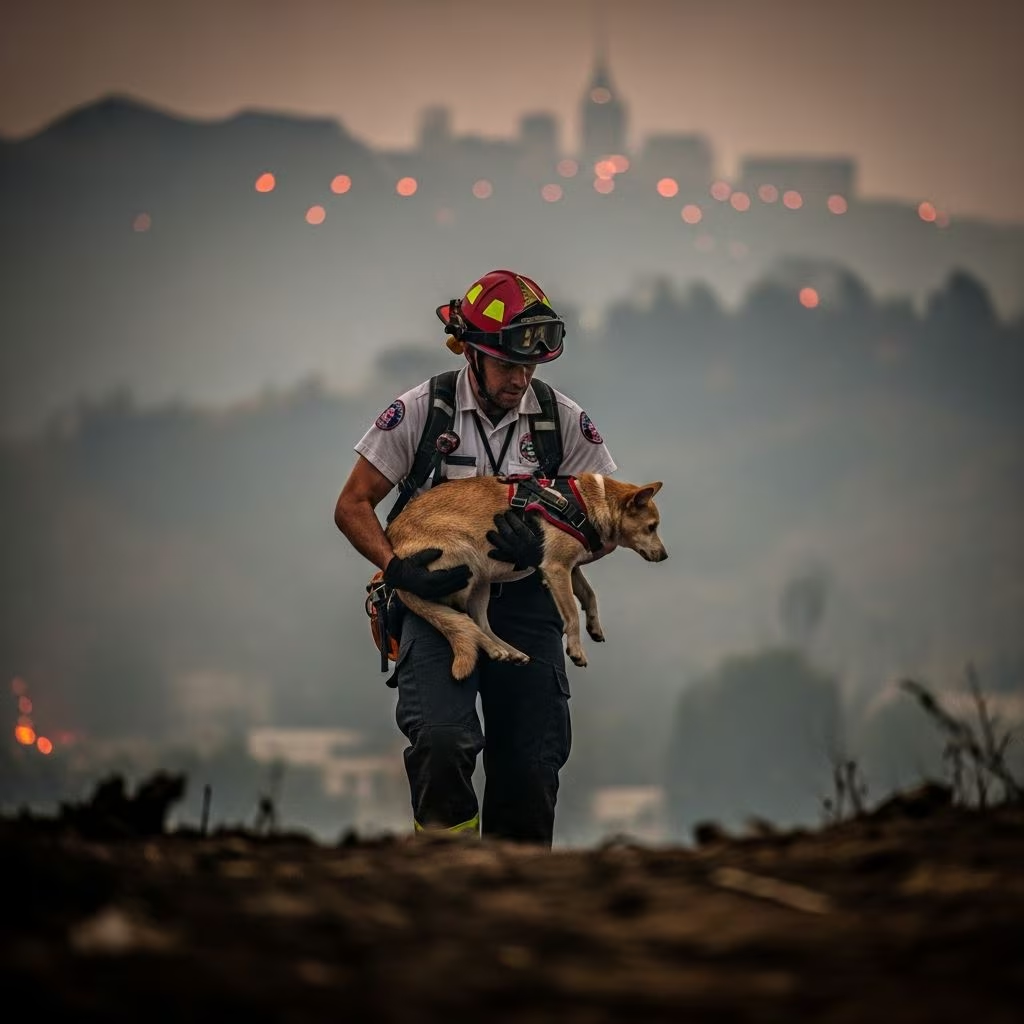
Los Angeles Wildfires: Best Friends Animal Society’s Comprehensive Emergency Response
When devastating wildfires swept across the Los Angeles metropolitan area, the impact extended far beyond human communities. Countless animals found themselves displaced, shelters became overwhelmed, and pet owners struggled to provide care for their beloved companions. Best Friends Animal Society, a leading animal welfare organization, mobilized rapidly to address this crisis, demonstrating the critical role that coordinated emergency response plays in protecting vulnerable animals during natural disasters.
The wildfires that threatened the entire metro area represented the worst natural disaster in Los Angeles history, with flames spreading from elevated terrain to densely populated neighborhoods and even reaching coastal areas. As winds reached nearly 100 miles per hour, Best Friends’ West Los Angeles Pet Adoption Center detected smoke and flames from their facility, prompting immediate preparation for potential evacuation. Rather than focusing solely on their own operations, the organization pivoted to respond to urgent pleas from local shelters, establishing themselves as a critical resource in the regional response effort.
Emergency Transport and Shelter Relief Operations
One of Best Friends’ most impactful contributions during the crisis involved coordinating large-scale animal transport operations to alleviate pressure on overwhelmed local shelters. The organization moved more than 1,700 animals out of Los Angeles-area shelters through their emergency response efforts, creating much-needed space in facilities that were reaching capacity. This strategic approach demonstrated understanding of how disaster response requires not just rescue operations, but also thoughtful resource management.
A significant component of these transport efforts involved offering stipends to local rescue organizations, enabling them to transfer 1,200 dogs and cats into adoption and foster programs. By facilitating these transfers, Best Friends helped shelters maintain available space specifically for lost or displaced pets, significantly increasing the chances of reuniting animals with their families. Additionally, the organization partnered with Wings of Rescue and other donors to airlift more than 300 animals to lifesaving centers and partner programs across the country, ensuring these displaced pets had access to long-term care and permanent placement opportunities.
Direct Community Support Through Pet Pantry Services
Beyond relocation efforts, Best Friends recognized that many evacuated pet owners faced immediate resource scarcity. The organization established emergency pet pantry services that distributed more than 20,000 pounds of pet food and supplies to nearly 400 families who had lost everything or evacuated with minimal possessions. This direct aid proved crucial in preventing a secondary crisis where pet owners, unable to afford continued care for their animals, might surrender them to already-strained shelter systems.
By providing essential resources and maintaining family units during the recovery period, Best Friends addressed a fundamental aspect of animal welfare that often gets overlooked in disaster response. Keeping pets with their families whenever possible prevents the emotional trauma of separation and reduces the administrative burden on shelters during critical periods when resources are most stretched.
Collaborative Partnerships and Shelter Staffing Support
Recognizing that local shelters lacked sufficient staffing to handle the influx of displaced animals, Best Friends partnered with Petco Love and other organizations to deploy trained staff to all six Los Angeles Animal Services locations. These teams worked alongside shelter personnel with multiple strategic focuses: facilitating lost pet reunifications, promoting adoptions and foster placements, and removing barriers for volunteers. These interventions represented far more than temporary relief—they established operational improvements with lasting implications for animal welfare practices in Los Angeles.
The deployment model focused on core no-kill strategies, including expanded fostering programs, increased adoption rates, and improved volunteer coordination. By implementing these evidence-based practices during the emergency period, Best Friends helped shelter leadership understand how structural improvements could create sustainable capacity even after the crisis subsided.
Incentive Programs for Collaborative Animal Welfare Organizations
To encourage broader participation in the relief effort, Best Friends implemented a financial incentive program offering $250 for every dog or cat removed from impacted shelters by partner organizations. This approach transformed the response from a single-organization effort into a coordinated network response, multiplying the resources available to help displaced animals. The program recognized that numerous animal welfare organizations had capacity and expertise but faced financial constraints in taking on additional animals during an already difficult period.
Community Mobilization and Volunteer Response
Despite managing personal crises resulting from the fires, Los Angeles residents demonstrated remarkable commitment to helping displaced animals. Within the first two days of the emergency response, Best Friends placed 62 animals in foster homes and facilitated 12 adoptions from their West Los Angeles Pet Adoption Center. More than 500 individuals volunteered to foster pets, and donations of supplies arrived continuously, including significant orders from the organization’s Amazon wish list.
The volunteer response extended across the country, with Best Friends volunteers from coast to coast using their time and talents to support both people and animals impacted by the crisis. Local volunteers provided vital cleaning assistance at the Pet Adoption Center, freeing up staff to focus on lifesaving transport operations. This combination of local grassroots support and national coordination demonstrated the power of community mobilization in emergency response.
Specific Rescue and Placement Examples
Best Friends responded to specific pleas for assistance from municipalities within the Los Angeles area. When the city of Pasadena requested help, Best Friends took in 12 cats and five dogs to free up space for additional animals needing care in that community. Beyond individual city requests, the organization transported 16 additional animals from the Los Angeles Adoption Center to Best Friends’ Sanctuary in Utah, providing refuge from the immediate danger while creating adoption pathways.
The organization also recognized opportunities for strategic animal movement to maximize lifesaving outcomes. By accepting animals from local shelters, Best Friends utilized their network of facilities and programs to ensure comprehensive care pathways for each animal, from immediate emergency stabilization through long-term foster care and permanent adoption placement.
Operational Continuity and Safety Protocols
Throughout the emergency response, Best Friends maintained rigorous focus on the safety of their staff and the animals in their care. The organization’s team remained on-site monitoring the evolving situation while maintaining preparedness for rapid evacuation should circumstances require. Communication with staff prioritized transparency about risks while coordinating response efforts, ensuring that animals and team members received appropriate protection.
The West Los Angeles Pet Adoption Center remained closed to the public during the acute crisis phase, allowing staff to focus entirely on emergency operations rather than routine services. This operational decision demonstrated recognition that comprehensive emergency response requires temporary suspension of regular programming to marshal all available resources toward lifesaving activities.
Supporting Long-Term Recovery and No-Kill Goals
As Los Angeles transitioned from immediate crisis response toward recovery and rebuilding, Best Friends committed to sustained engagement with local shelters and pet owners. The organization’s broader mission—supporting all animal shelters in reaching no-kill status by 2025—informed their emergency response approach. No-kill philosophy, which means saving every dog and cat in a shelter who can be saved while maintaining community safety and good quality of life for animals, requires community support and collaborative infrastructure.
The emergency response created opportunities to establish programming and partnerships that could outlast the immediate crisis. By deploying staff to shelters and demonstrating operational improvements, Best Friends helped build the institutional capacity and community engagement necessary for sustainable no-kill achievement across Los Angeles’ shelter network.
Impact Metrics and Outcomes
The comprehensive scope of Best Friends’ emergency response is reflected in measurable outcomes. Between transfers to Best Friends facilities and partner organizations, 1,111 animals received lifesaving assistance during the emergency period. Additionally, 271 families with 1,466 pets received support through the organization’s pantry programs, demonstrating the interconnected nature of animal welfare and family stability during disaster recovery.
These numbers represent individual animals and families restored to stability, but they also indicate systemic impact—the relief provided to overwhelmed local shelters, the preservation of adoption and foster capacity, and the demonstration of scalable emergency response practices that can inform future disaster preparedness planning.
Celebrity Support and Public Visibility
Throughout the emergency response, celebrities leveraged their platforms to amplify awareness and support for Best Friends’ wildfire relief efforts. This public visibility not only generated additional financial contributions but also reinforced the importance of animal welfare during disaster response in the broader cultural conversation. Celebrity engagement helped communicate that animal rescue represents a legitimate and important component of comprehensive emergency response.
Frequently Asked Questions
Q: How can I report a lost pet or search for my missing animals?
A: If you have lost pets due to the wildfires and need assistance finding them, contact the Los Angeles FIRE Evacuation Animal Services Hotline at 213-270. Additionally, Best Friends maintained communication channels and worked with local shelters to facilitate lost pet reunifications and database searches.
Q: How can I foster or adopt an animal displaced by the wildfires?
A: Best Friends actively recruits foster families and adopters to provide homes for displaced animals. Contact Best Friends directly through their emergency response channels or visit local partner shelters participating in the collaborative response effort. Foster families receive support and resources from Best Friends and partner organizations.
Q: What types of supplies and assistance does the pet pantry provide?
A: The emergency pet pantry distributed pet food, supplies, and resources to families impacted by the wildfires who needed assistance maintaining care for their pets. Services were designed to prevent pet surrenders and maintain family units during the recovery period.
Q: How does Best Friends’ no-kill mission relate to wildfire response?
A: Best Friends’ broader mission to achieve no-kill status in all U.S. shelters by 2025 directly informed their emergency response approach. The organization deployed staff to implement core no-kill strategies—fostering, adoptions, volunteer coordination—during the crisis, helping build sustainable capacity for long-term animal welfare improvement.
Q: Can other animal welfare organizations get financial assistance for helping displaced animals?
A: Yes, Best Friends offered $250 incentive grants for every dog or cat removed from impacted shelters by partner organizations, encouraging collaborative response and multiplying available resources across the animal welfare sector.
References
- BBF Supports Best Friends Animal Society’s Lifesaving Response to California Wildfires — Brothers Brother Foundation. 2025. https://brothersbrother.org/bbf-supports-best-friends-animal-societys-lifesaving-response-to-california-wildfires/
- Los Angeles Wildfires: Best Friends Animal Society Emergency Response — Best Friends Animal Society. 2025. https://bestfriends.org/emergency-response/los-angeles-wildfires
- Best Friends Mobilizes to Save Pets from L.A. Wildfires — Best Friends Animal Society. 2025. https://bestfriends.org/stories/features/best-friends-mobilizes-save-pets-la-wildfires
- An Update on Wildfire Relief Efforts for Animals in Los Angeles — World Animal Protection. 2025. https://www.worldanimalprotection.us/latest/blogs/update-on-wildfire-relief-efforts-for-animals-in-los-angeles/
- Fires Inspire Support for Pets in L.A. Shelters — Best Friends Animal Society. 2025. https://bestfriends.org/stories/features/fires-inspire-support-pets-la-shelters
- Volunteers Power Efforts to Help Pets Amid L.A. Fires — Best Friends Animal Society. 2025. https://bestfriends.org/stories/features/volunteers-power-efforts-help-pets-amid-la-fires



