

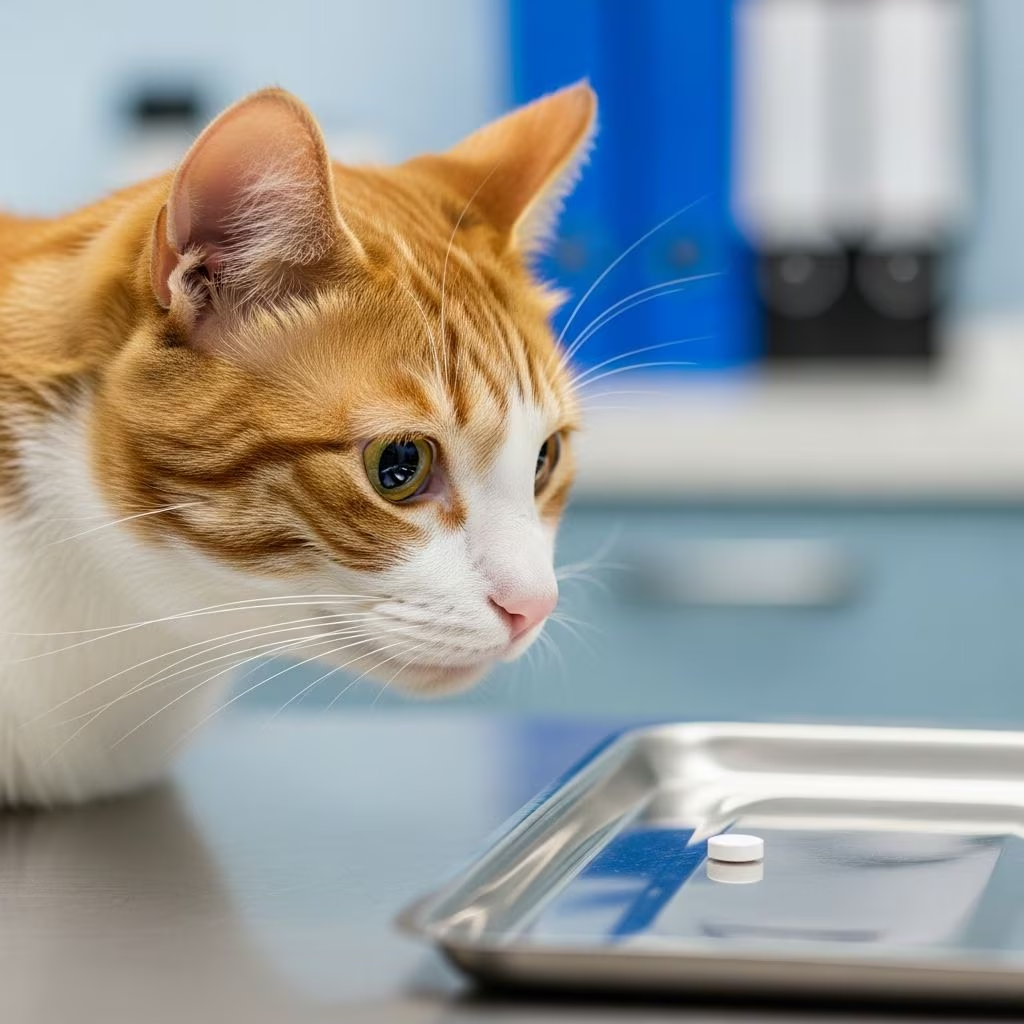
Loratadine, commonly known by brand names like Claritin, serves as a second-generation antihistamine that blocks H1 receptors to alleviate allergic responses such as itching and inflammation. In feline medicine, it targets symptoms from environmental allergens, insect bites, or mild skin conditions, though efficacy varies and professional oversight is essential.
Understanding Feline Allergies and Loratadine’s Role
Cats often suffer from allergies manifesting as intense itching, redness, hair loss, or respiratory issues. These stem from pollen, dust mites, fleas, or food sensitivities. Loratadine interrupts histamine release, reducing these symptoms without heavy sedation typical of first-generation antihistamines.
Unlike human formulations designed for larger body masses, cats require precise adjustments due to their unique metabolism. Veterinary studies indicate limited but occasional success in pruritus control, emphasizing the need for tailored approaches.
Appropriate Conditions for Loratadine Administration
- Insect Bites and Stings: Quickly mitigates swelling and discomfort from bee stings or spider bites.
- Seasonal Atopy: Helps with pollen-induced skin flare-ups during high-allergen periods.
- Vaccine Reactions: Eases mild hypersensitivity post-immunization.
- Mild Dermatitis: Supports management of non-infectious itchy skin, though not a primary cure.
Loratadine proves less effective for severe or chronic allergies, where steroids or hypoallergenic diets may be preferable.
Recommended Dosage Protocols for Cats
Veterinarians typically prescribe 0.25 mg per pound of body weight (0.5 mg/kg) once daily for cats, often as a 5 mg tablet quartered for average-sized felines weighing 3-5.5 kg. Liquid forms demand exact measurement to avoid errors from concentration variances.
| Cat Weight (lbs) | Approximate Dose (mg) | Frequency |
|---|---|---|
| 5-10 | 2.5-5 | Once daily |
| 10-15 | 5-7.5 | Once daily |
| >15 | Vet-adjusted | Once daily |
Always select plain loratadine without decongestants like pseudoephedrine, which are toxic to cats. Start with the lowest effective dose and monitor response.
Mechanisms of Action in Feline Physiology
Loratadine selectively antagonizes peripheral H1 receptors, curbing vasodilation and itch signals without penetrating the central nervous system extensively. This results in fewer behavioral changes compared to diphenhydramine. Metabolized hepatically, it offers 24-hour coverage, ideal for consistent allergy control.
Clinical trials on 27 cats with allergic dermatitis showed pruritus relief in only 4% at 5 mg daily, suggesting higher doses might enhance outcomes but require further research.
Recognizing and Managing Side Effects
Most cats tolerate loratadine well, but watch for:
- Drowsiness or lethargy, though rare.
- Dry mouth leading to increased thirst.
- Reduced lacrimation, risky for cats prone to dry eye.
- Gastrointestinal upset like vomiting or diarrhea.
- Overdose signs: hyperactivity, tachycardia, or depression.
Discontinue if adverse reactions appear and contact a vet immediately.
Contraindications and High-Risk Scenarios
Avoid loratadine in:
- Pregnant or lactating queens due to unestablished safety.
- Cats with hepatic or renal impairment, as clearance slows, heightening toxicity.
- Those on interacting drugs like ketoconazole, erythromycin, or cimetidine, which inhibit metabolism.
Kidney disease exacerbates drug accumulation, demanding dose reductions or alternatives under supervision.
Drug Interactions and Combination Therapies
Loratadine may interact with:
| Drug Class | Examples | Effect |
|---|---|---|
| Antifungals | Ketoconazole | Increased loratadine levels |
| Antibiotics | Erythromycin | Prolonged sedation risk |
| Heart meds | Amiodarone | Enhanced side effects |
Combine cautiously with other antihistamines or steroids only per vet directive.
Veterinary Monitoring and Long-Term Use
Regular check-ups ensure efficacy and safety. Bloodwork monitors liver/kidney function during extended therapy. If no improvement in 7-10 days, reassess diagnosis—fleas, infections, or food allergies might underlie symptoms.
Alternatives to Loratadine for Feline Allergies
- Cetirizine (Zyrtec): Often more effective for skin allergies at 2.5-5 mg daily.
- Diphenhydramine (Benadryl): For acute reactions, 1 mg/lb every 8-12 hours, but sedating.
- Apoquel or Cytopoint: Injectable options for severe pruritus, vet-prescribed.
- Environmental Controls: HEPA filters, flea preventives, hypoallergenic diets.
Holistic approaches like omega-3 supplements complement pharmacotherapy.
Frequently Asked Questions (FAQs)
Can I give my cat human Claritin?
Only plain loratadine tablets under vet guidance; avoid multi-ingredient products.
How quickly does loratadine work in cats?
Effects may appear within hours, but full relief takes 1-3 days; inconsistent in trials.
Is loratadine safe for kittens?
Not recommended under 6 months or small kittens without vet approval due to immature organs.
What if my cat vomits after loratadine?
Stop administration and seek veterinary advice promptly.
Does loratadine treat flea allergies?
It alleviates symptoms but requires concurrent flea control for resolution.
Preventive Strategies for Feline Allergies
Minimize exposure through regular bathing, allergen-free bedding, and air purifiers. Annual vet exams catch issues early. Nutritional support with novel proteins prevents food sensitivities.
For optimal outcomes, integrate loratadine into a multimodal plan: medication, diet, and environment management.
References
- Cat Claritin Dosage: Vet-Approved Guide — Crown College of Georgia. 2023. https://ccgit.crown.edu/how-much-claritin-can-i-give-my-cat/
- An Open Clinical Trial on the Efficacy of Loratadine for the Management of Allergic Dermatitis in Cats — Japanese Journal of Veterinary Dermatology. 2015-09-17. https://www.jstage.jst.go.jp/article/jjvd/21/1/21_7/_pdf
- Loratadine for Dogs and Cats: Vet Antihistamine Use & Safety Guide for 2025 — Ask A Vet. 2025. https://askavet.com/blogs/news/loratadine-for-dogs-and-cats-vet-antihistamine-use-safety-guide-for-2025-%F0%9F%90%BE%F0%9F%92%8A
- Loratadine (Claritin®, Alavert®) for Dogs and Cats — PetPlace.com. 2023. https://www.petplace.com/article/drug-library/drug-library/library/loratadine-claritin-alavert-for-dogs-and-cats
- What Can I Give My Cat for Allergies? — Columbia River Veterinary Hospital. 2022-05-30. https://www.columbiarivervet.com/site/blog/2022/05/30/cat-allergies
- 6 Antihistamines for Cats: Indications for Use, Dosage, and Side Effects — Cats.com. 2024. https://cats.com/antihistamines-for-cats



