

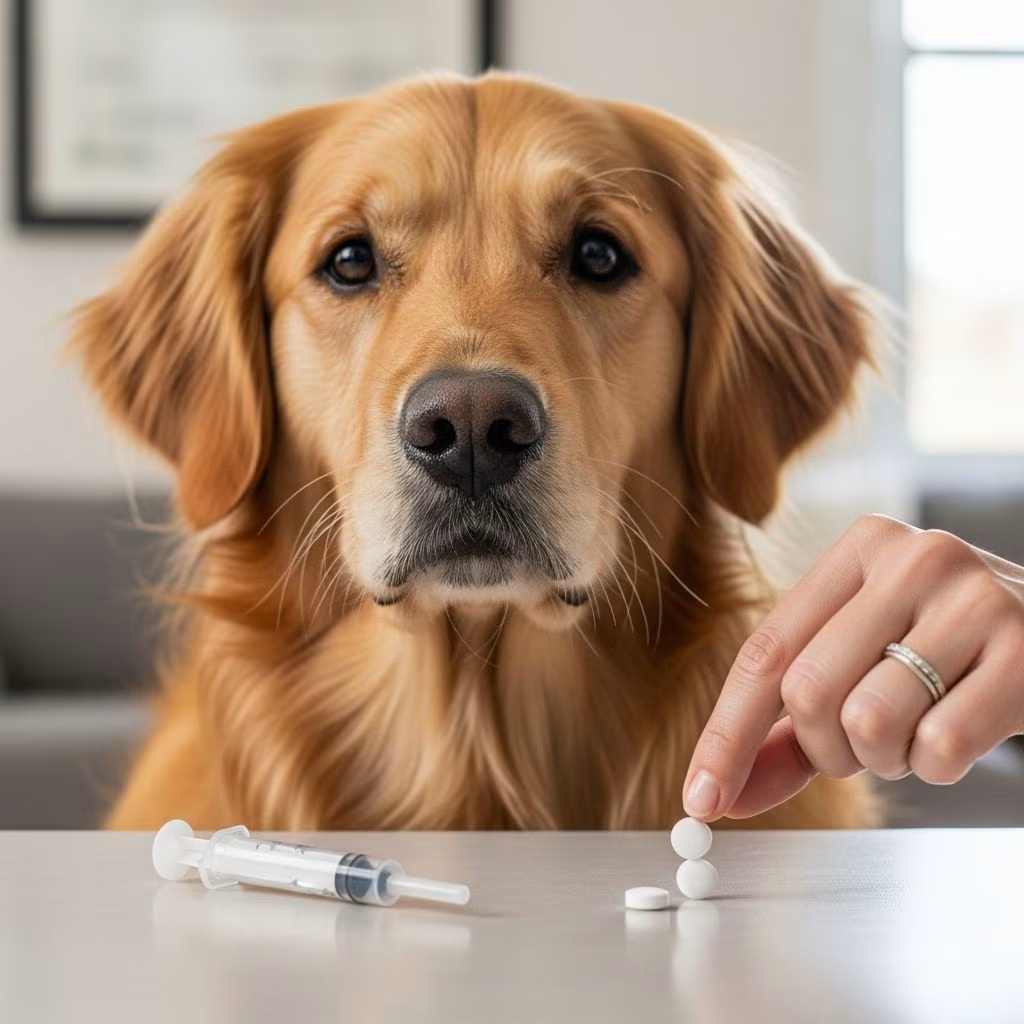
Loratadine, commonly known by the brand name Claritin, serves as an effective antihistamine for managing allergic reactions in dogs. This medication blocks histamine effects, reducing symptoms such as itching, redness, and swelling without causing significant drowsiness in most cases.
Understanding Loratadine and Its Role in Canine Health
Loratadine belongs to the second-generation antihistamine class, specifically piperidine derivatives, designed to target H1 receptors responsible for allergic inflammation. Unlike first-generation options like diphenhydramine, it minimally crosses the blood-brain barrier, minimizing sedation risks, which makes it suitable for daily use in pets.
In veterinary practice, loratadine addresses various allergic conditions where histamine plays a key role. Dogs often experience environmental triggers, insect bites, or vaccine responses that lead to discomfort. This drug provides targeted relief by interrupting the histamine-mediated inflammatory cascade.
Primary Applications in Dogs
Veterinarians prescribe loratadine for several common issues:
- Insect bites and stings: Quickly alleviates localized swelling and itching from bee stings or spider bites.
- Vaccine reactions: Mitigates mild hypersensitivity responses post-immunization.
- Atopic dermatitis: Helps control seasonal or environmental allergies causing chronic skin irritation.
- Mast cell tumor support: Preliminary studies indicate potential in reducing histamine release from tumors, though further research is ongoing.
While not a cure for underlying allergies, loratadine integrates into broader treatment plans, often alongside topical therapies or dietary changes.
Mechanism of Action Explained
When a dog encounters an allergen, mast cells release histamine, binding to H1 receptors on skin and mucous membranes. This triggers vasodilation, itching, and edema. Loratadine competitively inhibits these receptors, preventing histamine binding and halting symptom progression. Its effects can onset within 10-30 minutes, offering rapid relief for acute episodes.
The drug’s pharmacokinetics in dogs support once- or twice-daily dosing, with a duration of action up to 24 hours, promoting convenience for pet owners.
Determining the Right Dosage
Dosage varies based on the dog’s weight, age, health status, and symptom severity. General guidelines suggest 0.2-0.5 mg per kg of body weight, administered once or twice daily. For a 40-pound (18 kg) dog, this equates to approximately 5-10 mg.
| Dog Weight (lbs) | Approx. Weight (kg) | Suggested Dose (mg) | Frequency |
|---|---|---|---|
| 10-20 | 4.5-9 | 2-5 | Once daily |
| 20-40 | 9-18 | 5-10 | Once or twice daily |
| 40-80 | 18-36 | 10-20 | Once or twice daily |
| Over 80 | Over 36 | 20 max | Vet consultation required |
Note: These are illustrative ranges; precise dosing must come from a veterinarian to account for individual factors.
Administration Best Practices
Administer loratadine orally, with or without food, to enhance compliance. Tablets can be hidden in treats or pill pockets. If using liquid forms, ensure accurate measurement with a syringe.
Missed doses should be given as soon as remembered, but avoid doubling up to prevent overdose. Consistency in timing helps maintain steady blood levels for optimal efficacy.
Products to Select and Avoid
Choose plain loratadine tablets or capsules without additives. Steer clear of:
- Claritin-D: Contains pseudoephedrine, which causes tremors, hyperactivity, and vomiting in dogs.
- Oral disintegrating tablets (ODTs): Often sweetened with xylitol, a toxic substance leading to hypoglycemia and liver failure.
- Combination products: Any with decongestants, pain relievers, or artificial sweeteners.
Always verify the ingredient list and opt for vet-recommended formulations.
Recognizing and Managing Side Effects
Loratadine is well-tolerated, but monitor for:
- Mild effects: Dry mouth, increased thirst, or reduced tear production (aggravates dry eye).
- Rare reactions: Lethargy, vomiting, diarrhea, or agitation.
- Overdose signs: Tachycardia, hyperactivity, tremors, or excessive salivation—seek emergency care immediately.
Drug interactions with ketoconazole, erythromycin, or cimetidine may amplify effects, causing drowsiness.
Contraindications and Special Considerations
Do not use loratadine in:
- Pregnant or lactating dogs due to unestablished safety.
- Dogs with liver or kidney impairment, as metabolism slows, heightening toxicity risks.
- Pets with keratoconjunctivitis sicca (dry eye), as it may worsen symptoms.
Discontinue 7-14 days before allergy skin testing, as it interferes with results.
Integrating into a Comprehensive Allergy Plan
Loratadine works best combined with flea control, hypoallergenic diets, medicated shampoos, or immunotherapy. Regular vet check-ups track progress and adjust therapies. For chronic cases, consider alternatives like apoquel or cytopoint if antihistamines prove insufficient.
Pet insurance can offset costs of diagnostics and treatments, ensuring accessible care.
Frequently Asked Questions (FAQs)
Can I give my dog Claritin for allergies?
Yes, plain loratadine (Claritin) is often safe with vet approval, but avoid extended-release or combo products.
How quickly does loratadine work in dogs?
Relief typically begins in 10-30 minutes for acute reactions.
Is loratadine safe for puppies or senior dogs?
Use caution; consult a vet for adjusted dosing based on age and health.
Does loratadine make dogs sleepy?
Rarely, due to its non-sedating profile, but interactions can cause drowsiness.
What if my dog vomits after a dose?
Contact your vet; it may indicate intolerance or overdose.
Monitoring Your Dog’s Response
Observe behavior, skin condition, and appetite post-administration. Log symptoms and doses to share with your vet. Early intervention prevents complications and refines treatment.
For severe or persistent allergies, diagnostic testing identifies triggers, enabling targeted management beyond symptomatic relief.
References
- Loratadine for Dogs and Cats: Vet Antihistamine Use & Safety Guide for 2025 — Ask A Vet. 2025. https://askavet.com/blogs/news/loratadine-for-dogs-and-cats-vet-antihistamine-use-safety-guide-for-2025-%F0%9F%90%BE%F0%9F%92%8A
- Can I Give My Dog Loratadine (Claritin)? — Rover.com. Accessed 2026. https://www.rover.com/blog/can-i-give-my-dog-loratadine/
- Loratadine (Claritin®, Alavert®) for Dogs and Cats — PetPlace.com. Accessed 2026. https://www.petplace.com/article/drug-library/drug-library/library/loratadine-claritin-alavert-for-dogs-and-cats
- Allergy Medications That Are Dangerous for Pets — Mallard Creek Veterinary Hospital. Accessed 2026. https://www.mallardcreekvet.com/dr-waldens-blog/allergy-medications-that-are-dangerous-for-pets



