

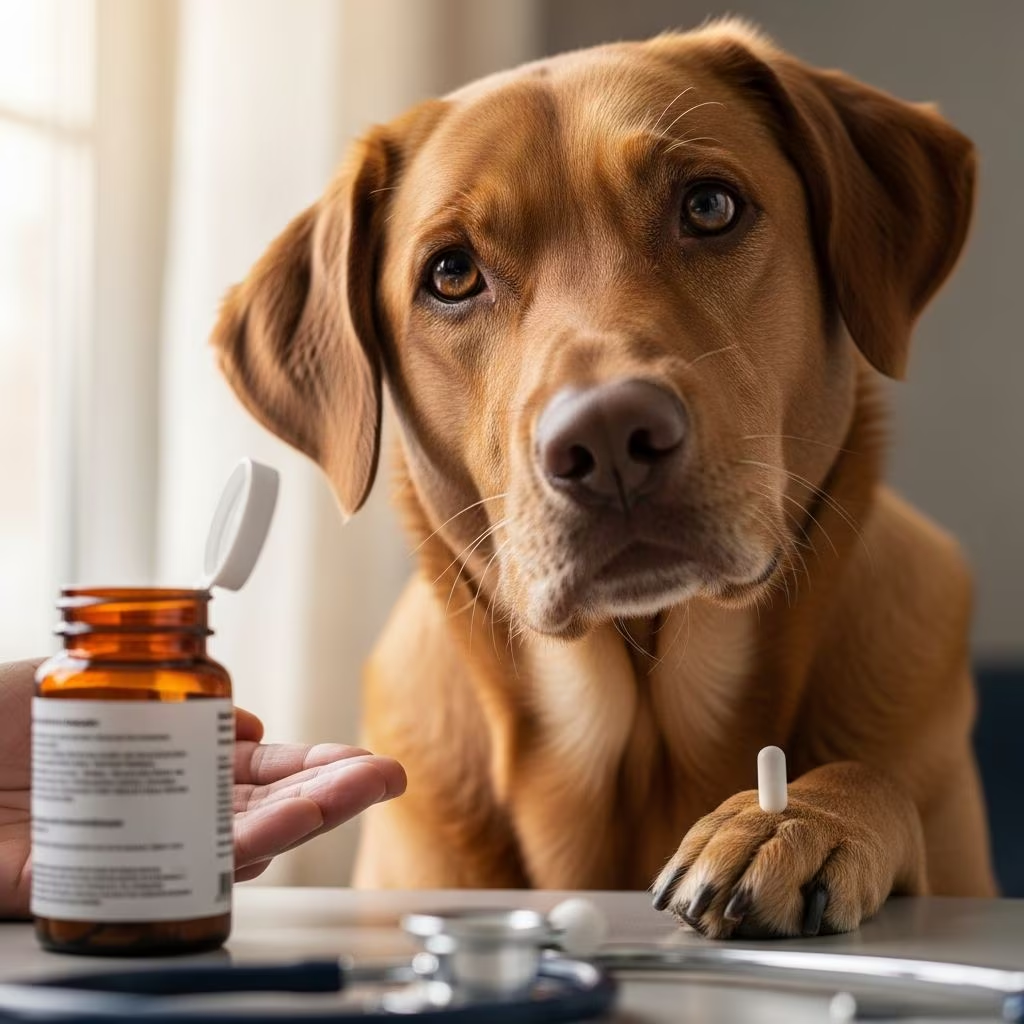
When your dog experiences diarrhea, the urge to find quick relief is natural. Many pet owners wonder whether over-the-counter medications like Imodium might provide a simple solution. However, using this medication in dogs requires careful consideration, veterinary guidance, and understanding of potential risks. This guide explores the essential information every dog owner should know about loperamide therapy.
What Is Loperamide and How Does It Function
Loperamide, commonly known by the brand name Imodium, is an opioid-class antimotility medication originally developed for human gastrointestinal use. Unlike many medications, loperamide works through a unique mechanism that involves binding to opioid receptors specifically located in the gastrointestinal tract rather than affecting the central nervous system. This targeted action produces two distinct but complementary effects that work together to reduce diarrhea symptoms.
The first mechanism involves slowing the natural muscular contractions of the intestines, a process called reducing digestive motility. When intestinal movement slows, food and liquid materials remain in the digestive system longer, allowing the intestinal walls more time to absorb water, electrolytes, and other nutrients. This extended absorption period results in firmer stools and decreased urgency for bowel movements.
The second mechanism strengthens the muscular tone of the intestinal walls themselves. This increased muscle tone enhances the intestinal wall’s ability to absorb moisture and nutrients more effectively. Additionally, some veterinarians believe loperamide may help tighten the anal sphincter, potentially providing benefits for dogs experiencing fecal incontinence as well as acute diarrhea episodes.
It is important to understand that loperamide treats the symptom of diarrhea rather than addressing underlying causes. The medication provides symptomatic relief but does not cure the conditions creating the diarrhea in the first place.
Appropriate Uses of Loperamide in Canine Medicine
Veterinarians occasionally recommend loperamide for specific types of diarrhea in dogs, though this represents off-label use since the medication is not FDA-approved for canine patients. Off-label use means veterinarians are legally prescribing a human medication for animals outside the scope of its approved label, which is permitted under specific circumstances in veterinary practice.
The primary indication for loperamide in dogs involves diarrhea that definitively has no infectious cause. Before prescribing loperamide, veterinarians must thoroughly investigate whether bacteria, viruses, parasites, or other infectious agents are responsible for the diarrhea. Using loperamide when infectious organisms are present can be counterproductive and potentially harmful.
Common scenarios where loperamide may be considered include:
- Diarrhea occurring as a side effect of cancer chemotherapy medications
- Diarrhea related to stress or anxiety in otherwise healthy dogs
- Loose stools stemming from food intolerances or sensitivities
- Diarrhea associated with certain inflammatory bowel conditions
- Acute colitis involving inflammation of the colon
- Irritable bowel syndrome in dogs
- Malabsorption or maldigestion issues not caused by infectious disease
In veterinary practice, loperamide is rarely the first-line treatment for diarrhea. Veterinarians typically begin with medications specifically formulated for veterinary use before considering off-label human medications. Loperamide becomes an option when dogs fail to respond adequately to conventional veterinary treatments.
Critical Safety Concerns and Breed-Specific Risks
One of the most significant safety considerations involves a genetic mutation called MDR1 (multidrug resistance gene 1). Certain dog breeds carry this genetic mutation, which affects how their bodies metabolize certain medications. Dogs with the MDR1 mutation cannot safely process loperamide, as the medication can accumulate to toxic levels in their systems.
Breeds with documented MDR1 mutations include Collies, Shetland Sheepdogs, Australian Shepherds, and some other herding breeds. Dogs carrying this mutation should never receive loperamide without specific veterinary testing confirming they do not have the mutation. Some veterinary clinics can perform MDR1 testing, and responsible owners of susceptible breeds should ask their veterinarians about this possibility.
Beyond genetic concerns, loperamide presents specific risks for dogs with various medical conditions. Veterinarians must exercise extreme caution or avoid loperamide entirely in dogs with:
| Medical Condition | Reason for Caution |
|---|---|
| Respiratory disease | Sedative effects may compromise breathing |
| Liver disease | Impaired metabolism of the medication |
| Kidney disease | Reduced medication clearance |
| Addison’s disease | Increased susceptibility to side effects |
| Hypothyroidism | Hormonal complications with medication effects |
| Head injuries or neurologic disease | Potential central nervous system complications |
| Endocrine disorders | Complex medication interactions |
Additional populations requiring absolute avoidance of loperamide include pregnant or nursing dogs, puppies under six weeks of age, toy breed dogs, and severely ill animals. Dogs with fever or bloody diarrhea should not receive loperamide, as these signs may indicate infectious or inflammatory conditions where the medication could be harmful.
Potential Side Effects and Adverse Reactions
Like all medications, loperamide carries risks of adverse effects. The most commonly reported side effects include constipation, bloating, and sedation. While constipation might seem like the intended opposite of diarrhea, excessive constipation represents a genuine concern requiring monitoring.
Excessive drooling, lethargy, and behavioral changes may also occur in dogs receiving loperamide. The sedative effects, while sometimes minimal, can significantly impact quality of life during treatment. Some dogs experience lethargy that interferes with normal activity levels and engagement.
More serious complications can arise when loperamide is used inappropriately. If infectious causes of diarrhea are missed and loperamide is administered, the medication traps infectious organisms in the intestinal tract longer than normal, potentially increasing inflammation and tissue damage. This represents a significant reason why veterinary evaluation before treatment initiation is absolutely essential.
Dosage Considerations and Administration Concerns
Human dosages of loperamide are frequently inappropriate and potentially toxic for dogs. The temptation to give a dog the dose recommended for human use can result in overdose and serious complications. This critical distinction between human and canine dosing represents another compelling reason to involve veterinarians in any loperamide therapy decision.
Loperamide comes in multiple formulations including oral tablets, capsules, and liquid solutions. The specific formulation affects dosing calculations, and some formulations may contain additives inappropriate for dogs. For example, some liquid formulations contain xylitol, a sweetener that is toxic to dogs and can cause severe hypoglycemia and liver damage.
Pet owners should never estimate dosing based on over-the-counter product labels designed for humans. Veterinary professionals must calculate appropriate dosages based on the individual dog’s weight, health status, and specific condition being treated.
When Loperamide Should Never Be Used
Understanding situations where loperamide is absolutely contraindicated proves just as important as knowing when it might be appropriate. The medication should never be administered when infectious causes of diarrhea cannot be ruled out.
Specific infections where loperamide is contraindicated include parvovirus, which commonly affects puppies and causes severe diarrhea. Other infectious conditions like bacterial gastroenteritis, intestinal parasites, and viral infections represent absolute contraindications. Using loperamide in these scenarios can allow pathogens to remain in the intestinal tract longer than normal, potentially worsening inflammation and tissue damage.
Dogs with intestinal blockages should never receive loperamide. The medication slows intestinal movement, and in dogs with obstructions, this can exacerbate the blockage and create life-threatening complications.
Similarly, diarrhea resulting from toxic ingestion should never be treated with loperamide. Diarrhea represents the body’s natural mechanism for eliminating toxins, and medications that slow this elimination process can increase toxin absorption and systemic toxicity.
Veterinary Alternatives to Loperamide
Modern veterinary medicine offers many treatment options specifically formulated for canine gastrointestinal disease. These veterinary-specific medications are often safer and more effective than off-label human medications.
Veterinarians typically begin diarrhea treatment with medications designed specifically for veterinary use before considering loperamide. These may include probiotics to restore beneficial bacteria, dietary modifications, and medications that specifically target inflammation without the risks associated with opioid antimotility drugs.
Addressing underlying causes represents the most effective long-term approach. If diarrhea stems from food intolerance, dietary changes often resolve the issue. If stress or anxiety triggers diarrhea, behavioral modification and appropriate anxiolytics may prove more beneficial than antimotility medications.
For dogs experiencing chemotherapy-related diarrhea, several veterinary-specific options exist that may prove effective without the risks associated with loperamide.
Frequently Asked Questions About Canine Loperamide Use
Can I give my dog over-the-counter Imodium?
While loperamide is available over-the-counter for human use, administering it to dogs without veterinary guidance is risky. Human dosages are frequently inappropriate for dogs, and certain breeds and medical conditions make loperamide dangerous or contraindicated. Always consult your veterinarian before giving any medication to your dog.
How quickly does loperamide work in dogs?
Loperamide typically begins working within one to two hours of administration, though the exact timeline varies depending on individual dogs and the specific cause of diarrhea. However, speed of action should never override safety considerations.
Is loperamide safe for all dog breeds?
No. Certain breeds carrying the MDR1 gene mutation cannot safely take loperamide. Additionally, toy breeds and very young puppies require special consideration. Your veterinarian should evaluate your specific dog before recommending loperamide.
What should I do if my dog has diarrhea?
Contact your veterinarian. They can evaluate your dog, determine the underlying cause of diarrhea, and recommend appropriate treatment. Many cases of diarrhea resolve with dietary modifications and supportive care without requiring loperamide.
Can loperamide cure my dog’s diarrhea?
No. Loperamide provides symptomatic relief by firming stools and reducing urgency, but it does not address underlying causes. Lasting resolution requires identifying and treating the root cause of the diarrhea.
Making Informed Decisions About Your Dog’s Gastrointestinal Health
While diarrhea in dogs can be distressing for both pet and owner, rushing to use over-the-counter medications risks creating more serious problems. Loperamide represents a powerful medication with specific appropriate uses but significant potential risks when used inappropriately.
The most prudent approach involves contacting your veterinarian at the first sign of persistent diarrhea. Veterinary professionals can determine whether infectious causes require different treatment approaches, assess whether your specific dog can safely receive loperamide, calculate appropriate dosages if the medication is indicated, and recommend safer alternatives when appropriate.
Understanding that loperamide treats symptoms rather than underlying causes highlights the importance of professional veterinary evaluation. Your veterinarian’s expertise in identifying root causes and selecting appropriate treatments typically results in better outcomes and safer management of your dog’s gastrointestinal health.
References
- Imodium (Loperamide) for Dogs: Uses, Side Effects, and Alternatives — American Kennel Club. 2024. https://www.akc.org/expert-advice/health/imodium-for-dogs/
- Imodium for Dogs: Uses, Dosage, and Side Effects — GoodRx. 2024. https://www.goodrx.com/pet-health/dog/imodium
- Imodium® For Dogs: Can You Give Dogs Imodium? — PetMD. 2024. https://www.petmd.com/dog/general-health/imodium-dogs-it-good-idea
- Loperamide (Imodium) for Dogs and Cats — WebMD Pets. 2024. https://www.webmd.com/pets/pet-meds/loperamide-imodium-for-dogs-and-cats
- Imodium for Dogs: Safety, Dosage, Side Effects, and Alternatives — Vetnique. 2024. https://vetnique.com/blogs/vets-corner/imodium-for-dogs
- Imodium for Dogs: A Cure to Your Dog’s Diarrhea? — TotalVet. 2024. https://total.vet/imodium-for-dogs/



