

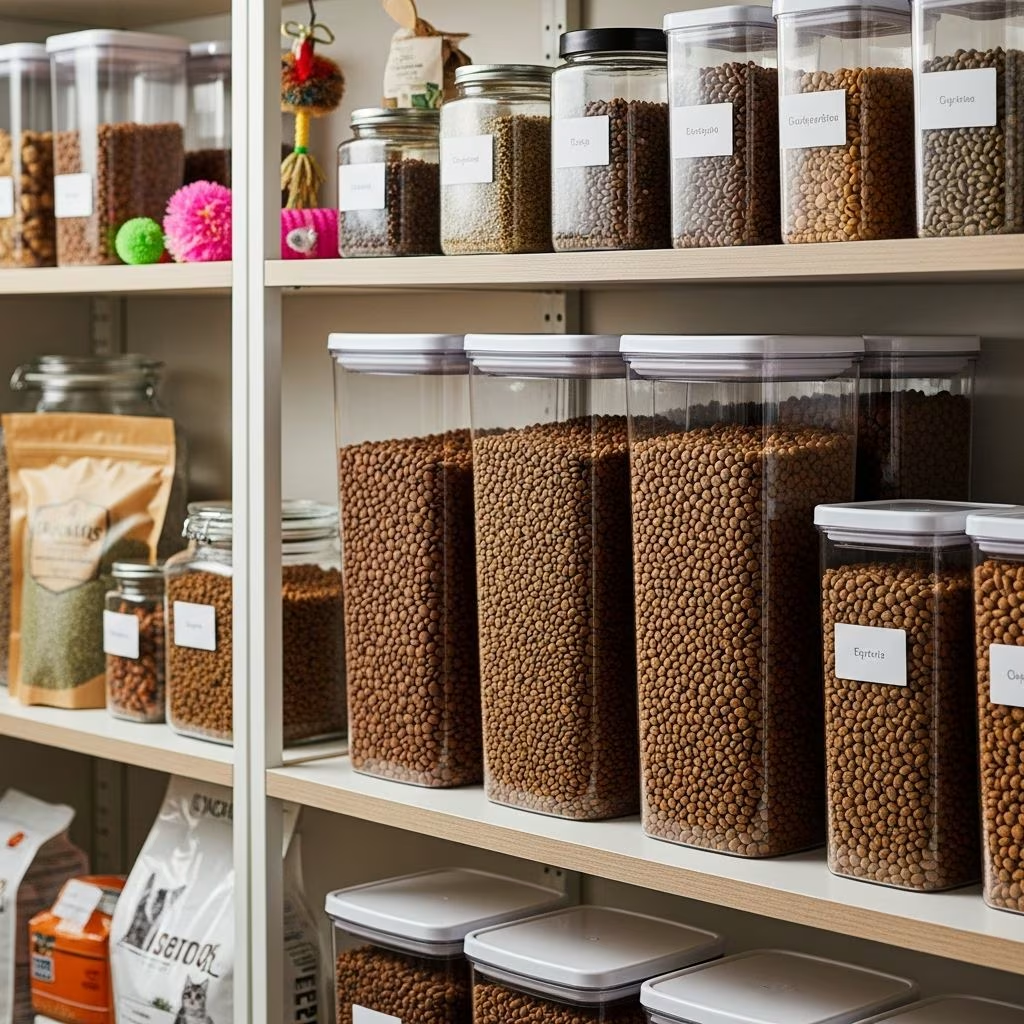
Properly storing dry cat food ensures it remains nutritious and safe over extended periods. Following manufacturer guidelines and environmental controls can extend freshness up to several months after opening.
Why Storage Matters for Cat Nutrition
Dry cat food, or kibble, is formulated with essential vitamins, proteins, and fats that can degrade if exposed to air, heat, or moisture. Oxidation of fats leads to rancidity, while humidity promotes mold growth, and pests can contaminate supplies. Maintaining an ideal storage environment preserves the food’s **nutritional integrity** and prevents health risks for cats, such as digestive upset or bacterial infections.
Pet food experts emphasize that unopened bags retain quality until the “best by” date, but once opened, proactive measures are crucial. Factors like temperature fluctuations and poor sealing accelerate nutrient loss, making long-term storage a key aspect of responsible pet ownership.
Optimal Environmental Conditions
To maximize shelf life, keep dry cat food in a **cool, dry location** below 80°F (27°C). High temperatures above 100°F (38°C) destroy vitamins and cause fat oxidation within 48 hours.
- Avoid garages, outdoor sheds, or sunny windowsills where heat and humidity vary.
- Store off the floor on shelves to deter pests and reduce moisture absorption.
- Maintain low humidity to prevent clumping and mold; ideal indoor pantry spots work best.
For bulk purchases, consistent conditions are vital. Freezing can extend usability to 26 weeks if done correctly in the original sealed bag inside a container.
Selecting the Right Storage Containers
The original packaging is engineered with barriers against oxygen and light, so integrate it into secondary containers for best results.
| Container Type | Pros | Cons | Best Use |
|---|---|---|---|
| Original Bag + Airtight Plastic Bin | Preserves nutrients, pest-proof, easy access to dates | Requires cleaning between uses | Daily/weekly portions |
| Metal Canister with Gamma Seal Lid | Superior air/moisture block, durable | Costlier, heavier | Bulk long-term storage |
| Zip-Top Bags (Avoid Alone) | Portable for small amounts | Poor oxygen barrier, odor transfer | Short-term only |
| Glass Jars | Non-porous, visible contents | Fragile, heavy |
Place the clipped original bag inside a clean, lidded plastic or metal bin. Squeeze out air before sealing to minimize oxidation. Studies show plastic containers alone can impart off-flavors, so double-bagging is preferable. Clean containers thoroughly between refills to avoid cross-contamination.
Daily Handling and Sealing Practices
After each use, roll down the bag top, clip securely, or use a bag sealer. Transfer to the container immediately to limit air exposure, which can stale kibble within days.
- Scoop with clean, dry utensils to prevent moisture introduction.
- Avoid direct sunlight, which heats the bag interior and fosters bacteria like Salmonella.
- Label containers with open dates for rotation tracking.
For multi-cat homes or large bags, portion into smaller airtight units weekly. This reduces overall exposure and simplifies management.
Understanding Shelf Life Timelines
Unopened dry cat food lasts until its “best by” date if stored properly. Post-opening, consume within 2-3 months under ideal conditions.
| Storage Method | Expected Freshness |
|---|---|
| Room temp, airtight | 6-12 weeks |
| Cool pantry (<80°F) | 2-3 months |
| Frozen in sealed bag/container | Up to 26 weeks |
| Poor conditions (hot/humid) | 1-4 weeks |
Always discard expired food; “best by” dates indicate peak quality, not safety thresholds, but risks rise post-date. Check for rancid smells, discoloration, or pests before feeding.
Common Storage Pitfalls and Fixes
Many owners unwittingly shorten kibble life through simple errors.
- Leaving bags unsealed: Air and humidity cause rapid degradation—fix with clips or vacuum sealers.
- Plastic bin misuse: Direct transfer absorbs odors—keep in original bag.
- High-heat spots: Cabinets near stoves accelerate rancidity—relocate to stable areas.
- Floor storage: Invites pests—elevate on platforms.
- Bulk hoarding without freezing: Overbuying leads to waste—freeze extras.
Advanced Preservation Techniques
For serious bulk buyers, consider:
- Vacuum sealing: Removes oxygen, extending life by weeks; use with original bag.
- Portion freezing: Divide into meal sizes in freezer-safe bags for 6-month viability.
- Oxygen absorbers: Packets in bins scavenge air, ideal for pantries.
- Humidity packs: Silica desiccants control moisture in humid climates.
Thaw frozen portions in the fridge overnight to preserve texture. Avoid refreezing.
Monitoring Food Quality Over Time
Regular inspections catch issues early. Fresh kibble is crisp, aromatic, and uniform. Warning signs include:
- Oily residue or fishy/rancid odor from fat breakdown.
- Clumps, discoloration, or webbing from mold.
- Weevils, ants, or rodent evidence.
If detected, discard entirely and sanitize storage. Rotate stock: use oldest first.
Special Considerations for Bulk Buying
Economy bags save money but demand rigorous storage. Split contents: active use in pantry, excess frozen. Track purchase dates to ensure under 6-month total age.
FAQs on Dry Cat Food Storage
Can I store dry cat food in the freezer long-term?
Yes, up to 26 weeks in the sealed original bag inside a container maintains quality.
Is it safe to transfer kibble directly to plastic bins?
No, keep in the original bag inside to avoid flavor tainting.
How do I know if opened kibble has gone bad?
Look for off-smells, oils, mold, or pests; discard if present.
What’s the ideal temperature range?
Below 80°F, ideally 50-70°F, in low humidity.
Should I buy the bag with the farthest expiration date?
Yes, select freshest stock and store properly.
Integrating Storage into Feeding Routines
Combine storage with measured portions to minimize waste. Use scoops calibrated to your cat’s needs, storing the rest airtight. This supports weight management and freshness.
For kittens, seniors, or health-specific formulas, adhere strictly to guidelines as nutrients are tailored and degrade faster.
References
- Cat Food Storage: How to Store Cat Food — Purina. 2023. https://www.purina.com/articles/cat/feeding/guides/how-to-store-cat-food
- Avoid These Dry Cat Food Storage Mistakes — Northampton Vets. 2024. https://northhamptonvets.com/avoid-dry-cat-food-storage-mistakes/
- Tips on How to Store Your Dog or Cat Food Properly — Hill’s Pet Nutrition. 2025-01-15. https://www.hillspet.com/pet-care/nutrition-feeding/cat-and-dog-food-storage-tips
- Product Handling Safety — AAFCO. 2024. https://www.aafco.org/resources/startups/product-handling-safety/
- Top Cat Food Storage Mistakes in 2025 and How to Avoid Them — Live Oak Vet. 2021-12-01. https://liveoakvet.com/2021/12/01/cat-food-storage-mistakes/
- The Scoop on Storing Pet Food — Tufts University Petfoodology. 2020-10-26. https://sites.tufts.edu/petfoodology/2020/10/26/the-scoop-on-storing-pet-food/
- How To Handle And Store Pet Food — Pet Food Institute. 2024. https://www.petfoodinstitute.org/how-to-handle-and-store-pet-food/



