

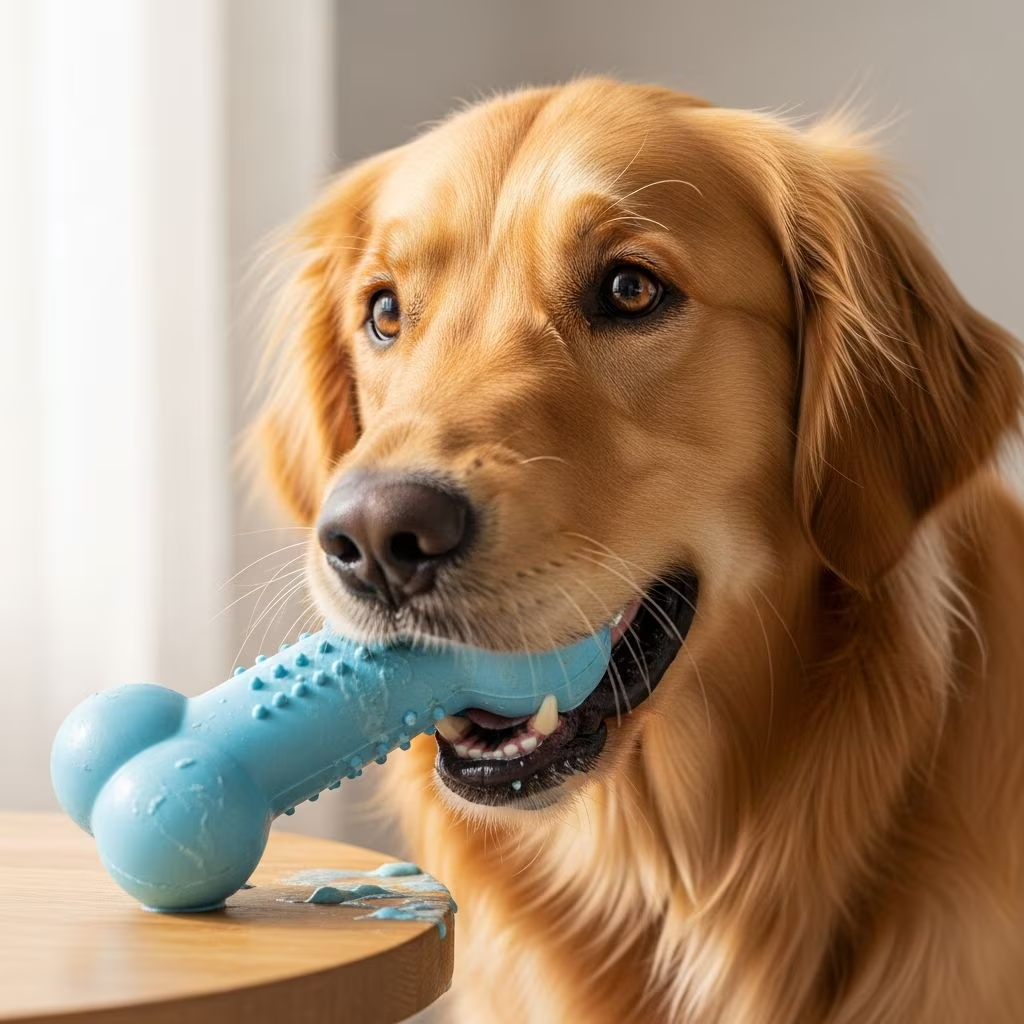
Long-lasting chew toys stand out as the most effective enrichment for dogs left alone, surpassing food-dispensing toys and even recorded human voices in promoting engagement and positive emotional states while reducing stress. Research demonstrates that these durable chews keep dogs occupied longer, foster natural chewing behaviors, and support overall well-being, making them indispensable for pet owners managing separation time.
Long-lasting chews are a dog’s best friend, too
Dogs naturally crave chewing as an instinctive behavior that aids dental health, relieves stress, and provides mental stimulation. A February study highlighted that dogs remained engaged with long-lasting chews far longer than with alternatives like Kong wobblers filled with kibble or automatic food dispensers. These chews not only extended interaction time but also elicited fewer stress indicators, such as panting or pacing, compared to other options.
Chewing engages multiple senses—taste, texture, and scent—making it inherently rewarding. Puppies in a controlled study spent significantly more time (122.2 seconds on average) interacting with peanut butter-scented squeaker toys versus unscented ones (95.8 seconds), with increased sniffing (p < 0.0001) and less need for owner prompting. This suggests scent-enhanced chews amplify appeal, though chewing remained the dominant behavior across toy types. Owners reported improved perceptions of their dog’s mouthing issues after using scented chews, with problematic nipping views dropping 28.4%.
Long-lasting chews excel over short-term toys because they resist quick destruction, sustaining engagement. Shelter and lab studies confirm dogs prefer easy-to-chew items like rawhides or squeaky bones over indestructible ones, but durable variants balance longevity with appeal. For solo dogs, this translates to calmer, happier alone time without destructive outlets like furniture chewing.
Study shows long-lasting chews beat food toys and even a happy voice
In a key experiment, researchers tested enrichments on dogs alone: long-lasting chews, kibble-filled Kong wobblers, and automatic dispensers (with or without a cheerful human voice recording). Long-lasting chews proved superior, with dogs showing prolonged engagement, positive affective states, and reduced stress behaviors. Food toys, while popular, led to quicker disinterest post-dispensing, and voices provided fleeting comfort.
Quantitative data underscores this: chews maintained interaction over sessions where food options waned. Unlike short-term toy provision, which failed to alter activity or cognitive bias in another study, durable chews consistently promote well-being. Chewing’s multi-sensory reward likely contributes, as it mimics prey-tearing and supports oral health.
| Enrichment Type | Engagement Duration | Stress Levels | Emotional State |
|---|---|---|---|
| Long-lasting Chew | Longest | Lowest | Most Positive |
| Kong Wobbler (Kibble) | Moderate | Moderate | Neutral |
| Auto-Dispenser + Voice | Short | Higher | Mixed |
| Auto-Dispenser Only | Shortest | Highest | Least Positive |
Table summarizing study outcomes: Long-lasting chews dominate in key welfare metrics.
Why chewing matters for dogs
Chewing is vital for puppies and adults alike, aiding teething, jaw development, and anxiety relief. Puppies direct chewing toward toys more with scents, reducing household item damage. Adults use it for boredom busting; without outlets, it turns destructive.
- Dental Benefits: Scrapes plaque, massages gums.
- Mental Stimulation: Problem-solving with textured chews.
- Stress Reduction: Releases endorphins, lowers cortisol.
- Exploratory Play: Sniffing and pawing enhance engagement.
Power chewers—regardless of size—need heavy-duty options to avoid ingestion risks. Gentle chewers thrive on softer, flavored varieties.
Safe chew toy guidelines
Not all toys are safe; toxins like lead, cadmium, and BPA lurk in some. Consumer tests found heavy metals in mainstream products, risking cancer and obesity. Opt for non-toxic, size-appropriate toys.
- Choose rubber or nylon over plush for durability.
- Avoid small parts that splinter.
- Inspect regularly for wear.
- Match to chew style: power vs. casual.
BPA in toys may contribute to weight gain via endocrine disruption. Prioritize BPA-free certifications.
Enhancing chew toys
Boost appeal with peanut butter or froze kibble stuffing. Scent alone increases interaction. Rotate toys to prevent boredom.
Toy addiction warning
Excessive toy fixation signals issues: aggression, whining, ignoring food. Balance with training; consult vets for gum damage.
Future research
More studies needed on premium fillings (e.g., steak vs. kibble) and top chews for aloneness. Isolate scent vs. squeaker effects. Long-term impacts on behavior remain underexplored.
Frequently Asked Questions (FAQs)
What are the best long-lasting chew toys?
Durable rubber Kongs, Nylabones, and scented squeakers top lists for engagement and safety.
Do chew toys reduce separation anxiety?
Yes, they lower stress more than food dispensers, promoting calm solo time.
Are scented chew toys better?
Puppies interact more (p=0.02), sniff longer, need less prompting.
How to choose safe toys for power chewers?
Heavy-duty rubber sized to prevent back-jaw grinding; avoid ingestible parts.
Can toys cause obesity?
BPA-containing ones may; select BPA-free.
References
- To chew or not to chew? Exploring the influence of scented chew toys on chewing behavior performed by puppies in household settings — Frontiers in Behavioral Neuroscience. 2025. https://www.frontiersin.org/journals/behavioral-neuroscience/articles/10.3389/fnbeh.2025.1602063/full
- Long-Lasting Chew Toys Are Key to Keeping Solo Dogs Happy — Kinship. 2023. https://www.kinship.com/dog-behavior/long-lasting-chew-toys-dog-happiness
- Here Puppy, Chew on This: Short-Term Provision of Toys Does Not Alter Companion Dog Welfare — PMC / NIH. 2023-11-01. https://pmc.ncbi.nlm.nih.gov/articles/PMC10648485/
- The Definitive Guide to Choosing Safe Dog Toys — Kinship. 2023. https://www.kinship.com/dog-health/choosing-safe-dog-toys



