

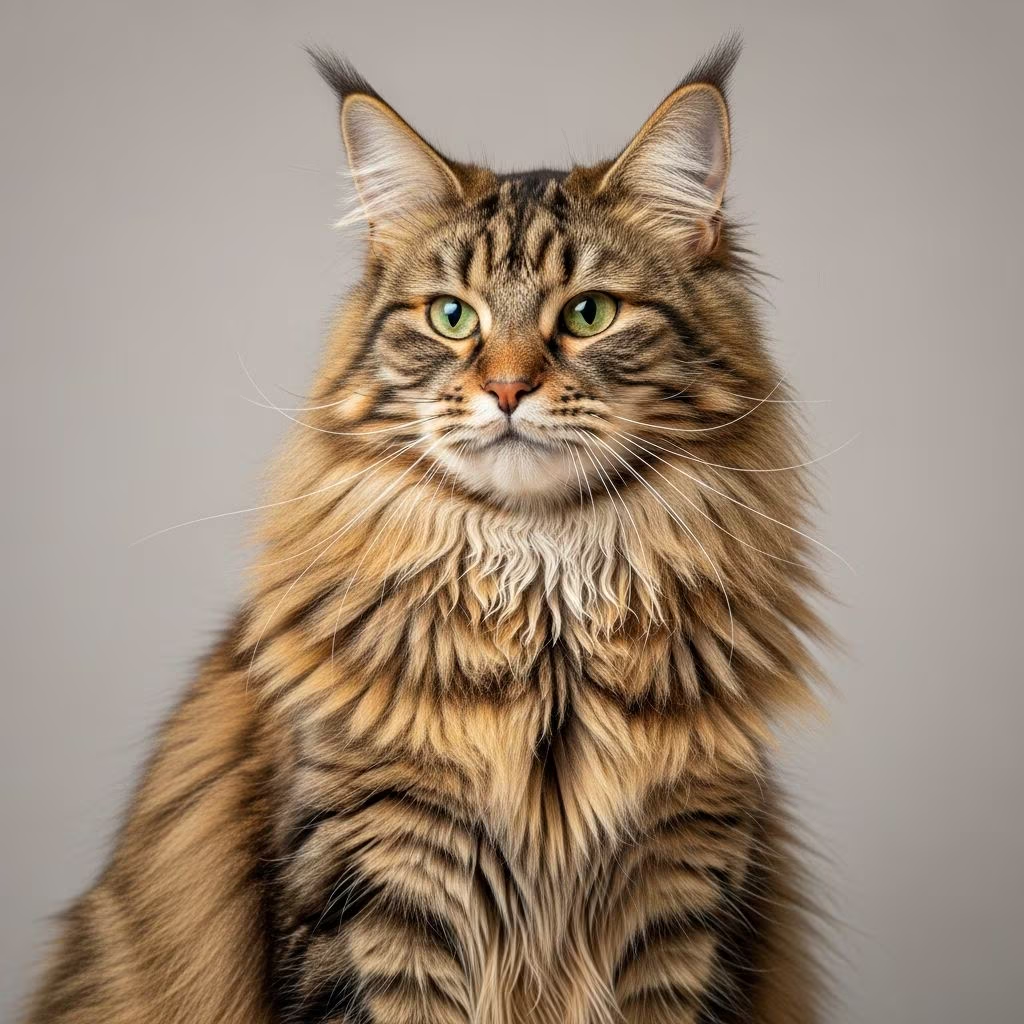
Long-Haired Cat Care and Grooming: A Comprehensive Guide
Owning a long-haired cat is a rewarding experience, but it comes with significant grooming responsibilities. Long-haired cats require consistent care to maintain a beautiful, healthy coat and prevent serious issues like matting, tangling, and skin problems. Unlike their short-haired counterparts, long-haired cats demand more frequent grooming sessions and specialized attention to keep their fur in optimal condition. This comprehensive guide will walk you through all essential aspects of long-haired cat grooming and care, helping you establish a routine that keeps your feline friend comfortable and healthy.
Why Regular Grooming Matters for Long-Haired Cats
Regular grooming is far more than a cosmetic concern for long-haired cats. It’s a fundamental aspect of their overall health and well-being. When you groom your long-haired cat consistently, you’re accomplishing several critical objectives simultaneously. First, brushing removes dead hair and loose undercoat, which significantly reduces shedding throughout your home. Second, regular grooming prevents painful mats and tangles that can trap moisture and harbor bacteria against the skin. Third, grooming sessions allow you to distribute natural oils throughout the coat, promoting a shiny, healthy appearance. Finally, these sessions provide an excellent opportunity to perform health checks, allowing you to spot potential skin issues, parasites, or unusual lumps early.
Long-haired cats who live indoors shed throughout the year and need grooming sessions every few days to remove dead hair and prevent tangles. This ongoing maintenance prevents more serious grooming challenges down the road and keeps your cat feeling their best.
Essential Grooming Tools for Long-Haired Cats
Having the right tools makes grooming significantly easier and more effective. Different tools serve different purposes in your grooming routine, and investing in quality equipment will save you time and frustration.
Types of Brushes and Combs
- Slicker Brush: A flat, rectangular brush with short, tightly-packed wires. Excellent for removing mats and tangles from the outer coat.
- Wide-Toothed Comb: Ideal for initial brushing and detangling. The spacing between teeth makes it gentler on knotted fur.
- Fine-Tooth Comb: Used after mats are removed to smooth the coat and distribute natural oils.
- Pluck Brush: Specifically designed to reach and smooth the sublayer of fur, unraveling tangles in both short and long hairs.
- Thinning Shears: Scissors with one toothed blade and one smooth blade, perfect for thinning thick areas without cutting fur completely off.
- Mat Removal Tool: A specialized device designed to break apart stubborn mats safely.
- De-Shedding Tool: Removes loose undercoat and reduces shedding significantly during heavy coat-blowing seasons.
Additional Grooming Supplies
- Stainless steel nail clippers designed for cats
- Cat-specific shampoo and conditioner
- Soft-bristled toothbrush and cat toothpaste
- Grooming gloves for gentle finishing touches
- Towels for drying after baths
- Pet dryer with low heat settings
Daily Brushing: The Foundation of Long-Haired Cat Grooming
Regular brushing is the keystone of long-haired cat grooming. Daily brushing helps ward off mats and tangles, distributes natural oils throughout the coat, and strips off loose hair before it ends up on your furniture and clothing. Start with a wide-toothed brush to gently work through the top layer of fur. Work carefully, starting at the head and working your way toward the tail, following the direction of hair growth.
Proper Brushing Technique
Begin by brushing the abdomen and legs, gently combing the fur upward toward the head. These areas are prone to matting because they receive friction from your cat’s movement. Be particularly careful around the armpits and behind the ears, where mats form most frequently. Use gentle, smooth strokes rather than aggressive tugging. If you encounter a mat, don’t force the brush through it, as this causes discomfort and can pull out hair unnecessarily.
After completing the initial pass with a wide-toothed comb, switch to a pluck brush or slicker brush to work through the undercoat. Use a fine-tooth comb as the final step to smooth the fur and ensure no small tangles remain. This layered approach protects your cat’s skin while effectively removing mats and loose hair.
Managing Mats and Tangles
Despite your best efforts at prevention, mats can still develop in a long-haired cat’s coat. Knowing how to handle them properly is essential for your cat’s comfort and health.
Treating Existing Mats
When you discover a mat, work in a guide comb as close to the skin as possible to protect your cat from accidental cuts. This serves as a barrier between scissors and skin. Once the guide comb is in place, use thinning shears or a mat removal tool to break the mat open. For less severe mats, you can gently work them apart using your fingers or a comb. Always work patiently and reward your cat with treats and praise throughout the process.
Avoid cutting too much hair when dealing with mats. Trim only the necessary areas, such as around the paws and bottom, being careful not to cut the skin. If a mat is severely tangled or painful, consult a professional groomer or veterinarian for assistance rather than risk injuring your cat.
Preventive Mat Management
The best approach to mat management is prevention through consistent daily brushing. Focus extra attention on high-friction areas like the armpits, behind the ears, and around the paws. For cats particularly prone to matting, consider keeping the fur slightly trimmed in these sensitive areas. Additionally, continuously trim the long hairs around the cat’s bottom, as this area is especially susceptible to matting and tangling.
Trimming and Haircuts
Strategic trimming can significantly reduce matting and make overall grooming easier. You might need to clip your cat’s hair if it is extremely long to avoid persistent matting and knots. The key is knowing which areas benefit most from trimming.
Areas to Trim
Trim the mat-prone regions first, such as the legs and the area beneath the belly. These areas experience the most movement and moisture, making them susceptible to tangling. You may also want to trim your cat’s hair around the anus to avoid feces from adhering to the fur, which can cause hygiene issues and discomfort. Thinning the ruff under the chin is another important trim, as cats need to be able to groom themselves in this area.
Be cautious not to cut too much hair, as this can expose the cat’s skin to sunburn, especially for indoor cats transitioning to outdoor time, or to cold weather discomfort. Trim conservatively, removing only what’s necessary to prevent matting and improve functionality.
Bathing Your Long-Haired Cat
While long-haired cats don’t need to be bathed as often as short-haired cats, they still may need a bath from time to time to remove dirt, debris, and built-up oils. Bathing should be approached carefully and methodically to minimize stress for both you and your cat.
Preparing for a Bath
Choose a time when your cat is calm and relaxed, ideally after a meal when they’re satisfied and less likely to be hyperactive. Make sure the bathroom is warm, as cats are sensitive to temperature changes. Gather all supplies before you begin, including cat-specific shampoo, multiple towels, and a pet dryer with a low heat setting.
Bathing Procedure
Use only cat-specific shampoo and warm water during the bathing process. Fill a sink or bathtub with a few inches of warm water, testing the temperature with your elbow to ensure it’s comfortable. Gently place your cat in the water and wet their fur thoroughly, being careful to prevent water from entering their ears or eyes. Apply shampoo and work it through the coat gently, using your fingers to massage it into the fur. Many professional groomers bathe cats twice using shampoo to ensure thorough cleaning and removal of dirt and debris.
Rinse your cat thoroughly with clean, warm water to remove all the shampoo residue. Any remaining shampoo can cause skin irritation and dryness. This thorough rinsing is critical for your cat’s comfort and skin health.
Drying Your Cat
After bathing, wrap your cat in a soft towel and gently pat them dry. Avoid vigorous rubbing, which can tangle the wet fur. The groomer will wrap your cat in a towel and carefully clean their eyes and ears with appropriate materials. You can then use a pet dryer on a low heat setting to dry your cat’s fur more completely. Some cats tolerate dryers better than others, so introduce this tool gradually with positive reinforcement. Avoid high heat settings, which can damage the coat and make your cat uncomfortable.
Nail Care and Paw Maintenance
Long hair in cats is also more likely to get matted around their paw pads, making nail and paw care particularly important. Regular nail trimming prevents overgrowth and maintains proper foot health.
Nail Trimming Technique
Use cat-specific nail clippers and be extra careful not to cut the quick, which is the vein inside the nail. Cutting the quick causes pain and bleeding. If you’re unsure about proper trimming technique, ask your veterinarian or groomer to demonstrate. The groomer will trim your cat’s nails as part of regular grooming sessions, but you should also trim nails between appointments if needed.
Paw Pad Care
Trim the long hair around the paw pads to prevent matting and improve traction. This also helps prevent dirt and debris from accumulating between the pads. Check paw pads regularly for signs of injury, infection, or excessive dryness.
Dental Care and Hygiene
Dental hygiene is just as important for cats as it is for humans. Many cat owners overlook this crucial aspect of pet care, but maintaining your cat’s teeth prevents serious health issues later in life.
Tooth Brushing Routine
Brush your cat’s teeth regularly with a soft-bristled toothbrush and cat-specific toothpaste. Never use human toothpaste, as it can be harmful to cats. Start slowly, allowing your cat to become accustomed to having their mouth handled. Apply a small amount of toothpaste to the brush and gently brush the outer surfaces of the teeth.
Dental Alternatives
If your cat is resistant to tooth brushing, consider dental treats or toys that can help clean their teeth mechanically. While not as effective as brushing, these alternatives provide some dental benefits and are better than no intervention. Discuss dental care options with your veterinarian to find what works best for your cat.
Choosing Cat-Friendly Grooming Products
When nurturing your long-haired cat, use only cat-specific products that are safe and harmless for your cat’s skin and coat. Avoid using human shampoos or conditioners, as these can cause skin irritation and dryness. Cat skin has a different pH balance than human skin, and products formulated for cats account for this important difference.
Product Selection Guidelines
Choose a mild, cat-specific shampoo and rinse thoroughly to avoid any residual chemicals on the coat. Avoid harsh chemicals or shampoos that can dry out the cat’s skin or irritate the eyes and ears. Look for products containing natural ingredients and moisturizers that promote coat health. If your cat has sensitive skin or specific skin conditions, consult your veterinarian about the best product options.
Baby powder can be found useful for the effective treatment of greasy and scurfy areas in long-haired cats, though you should use only pure natural products to avoid irritating the skin.
Professional Grooming Services
While home grooming is essential, professional grooming services provide comprehensive care that complements your routine maintenance.
What Professional Groomers Offer
During a professional grooming session, the groomer will perform multiple services. They trim your cat’s nails and, if necessary, shave the area around your cat’s bottom for hygiene purposes. They bathe your cat twice using shampoo to ensure thorough cleaning and removal of dirt and debris. The groomer will wrap your cat in a towel and carefully clean their eyes and ears. They will then dry your cat, clearing away any loose fur and allowing them to check for skin concerns quickly. At this stage, the groomer will brush, trim, comb, use de-shedding tools, and give your cat a haircut if needed.
Benefits of Regular Professional Grooming
Regularly taking your cat to the groomer can help keep their fur clean, prevent uncomfortable mats and tangles, and provide an opportunity to monitor their health. Many conditions and illnesses can affect a cat’s skin, fur, and other parts of the body. Professional groomers, like veterinarians, can spot potential health issues during grooming sessions. Aim to take your long-haired cat for professional grooming every 4 to 8 weeks, depending on their specific coat condition and your home grooming frequency.
Building a Grooming Routine
Success in long-haired cat grooming comes from establishing a consistent routine. Cats are creatures of habit, so try to brush your cat at around the same time each day. Find a time when they are likely to be calm and relaxed enough to sit still for you. This consistency helps your cat become more comfortable with grooming and makes it part of their expected daily routine.
Making Grooming Enjoyable
Some cats may be reluctant to groom, especially if they’re not used to it. Use treats to encourage good behavior during grooming sessions. Reward your cat with a treat after each productive grooming session, and gradually increase the duration and frequency of grooming sessions over time. Make grooming an extension of happy petting sessions rather than a stressful experience. Start early with kittens, introducing grooming tools right away so they become accustomed to the feel. You can even start with a small toothbrush if your kitten is small, stroking them with the back of the tool so they get used to the sensation.
Health Monitoring During Grooming
Grooming sessions provide an excellent opportunity to perform regular health checks on your cat. While you brush, look out for fleas, ticks, unusual lumps, or skin abnormalities. Check for signs of parasites, skin infections, or other health concerns. Early detection of health issues can make a significant difference in treatment outcomes. If you notice anything unusual during grooming, contact your veterinarian promptly.
Nutrition and Coat Health
A healthy coat starts from the inside. Feed a healthy diet rich in omega-3 and omega-6 fatty acids, which support skin and coat health. Proper nutrition enhances the natural oils in your cat’s coat, making grooming easier and resulting in a shinier, healthier appearance. Consult your veterinarian about the best diet for your long-haired cat’s specific needs.
Seasonal Grooming Considerations
Grooming needs may vary by season. During heavy shedding seasons, increase grooming frequency to remove more dead hair. Some long-haired cats benefit from shorter haircuts in summer months to reduce heat stress and matting in warm weather. Winter grooming should maintain adequate coat length for insulation and warmth. Adjust your grooming routine based on your cat’s individual needs and your climate.
Frequently Asked Questions
Q: How often should I brush my long-haired cat?
A: Daily brushing is ideal for long-haired cats to prevent mats and tangles. At minimum, brush every few days to remove dead hair and maintain coat health. More frequent brushing during shedding seasons helps reduce loose hair throughout your home.
Q: Can I use human shampoo on my long-haired cat?
A: No, you should always use cat-specific shampoo. Human shampoos have different pH levels and can cause skin irritation, dryness, and discomfort. Cat shampoos are formulated specifically for feline skin and coat needs.
Q: What should I do if my cat has a severe mat that won’t come out?
A: Use a guide comb placed close to the skin to protect your cat, then carefully work the mat apart with scissors or a mat removal tool. If the mat is painful or severely tangled, consult a professional groomer or veterinarian to avoid injuring your cat’s skin.
Q: How often should I bathe my long-haired cat?
A: Long-haired cats don’t need frequent baths. Bathe them only when necessary to remove dirt and debris, typically every 4 to 6 weeks or as needed. Over-bathing can dry out the skin and strip natural oils.
Q: Is professional grooming necessary for long-haired cats?
A: While home grooming is essential, professional grooming services provide comprehensive care. Regular professional grooming every 4 to 8 weeks complements home care and provides health monitoring opportunities.
Q: How can I get my cat comfortable with grooming if they’re resistant?
A: Introduce grooming gradually with treats and praise. Start with short sessions during calm times. Make grooming an extension of petting rather than a stressful experience. Reward good behavior with treats and gradually increase session duration over time.
Q: What are the mat-prone areas on a long-haired cat?
A: Mats typically form in the armpits, behind the ears, under the chin, around the paws, and in the undercoat of the belly and legs. These areas experience friction and moisture that promote matting.
Conclusion
Grooming your long-haired cat is an essential aspect of their overall health and well-being. By establishing a consistent daily brushing routine, using appropriate grooming tools, addressing mats promptly, and combining home care with professional grooming services, you can keep your feline friend’s coat beautiful, healthy, and comfortable. Regular grooming sessions also provide valuable opportunities to bond with your cat and monitor their health. If you’re unsure about any aspect of grooming your long-haired cat, seek professional help from a groomer or veterinarian. With dedication and proper technique, you can ensure that your long-haired cat stays healthy, happy, and beautiful for years to come.
References
- Cat Grooming Tips — ASPCA. 2024. https://www.aspca.org/pet-care/cat-care/cat-grooming-tips
- Grooming and Coat Care for Your Cat — VCA Animal Hospitals. 2024. https://vcahospitals.com/know-your-pet/grooming-and-coat-care-for-your-cat
- Tips for grooming long-haired cats — Cats Protection UK. 2024. https://www.cats.org.uk/cats-blog/tips-for-grooming-long-haired-cats
- The Ultimate Guide to Grooming Your Long-Haired Cat — Embassy Lakes Animal Hospital. 2024. https://embassylakesanimalhospital.com/blog/grooming-long-haired-cat/
- Tips for Grooming Long-Haired Cats — Crossroads Veterinary Hospital. 2024. https://www.crossroadsvh.com/site/blog/2024/03/15/tips-grooming-long-haired-cats
- 11 tips for looking after long haired cats — Cat’s Best. 2024. https://www.catsbest.eu/long-haired-cats-fur-care/
- Tame the floof! Grooming tips for longhaired cats — Happy Cats Haven. 2024. https://happycatshaven.org/resource/grooming-cats/



