

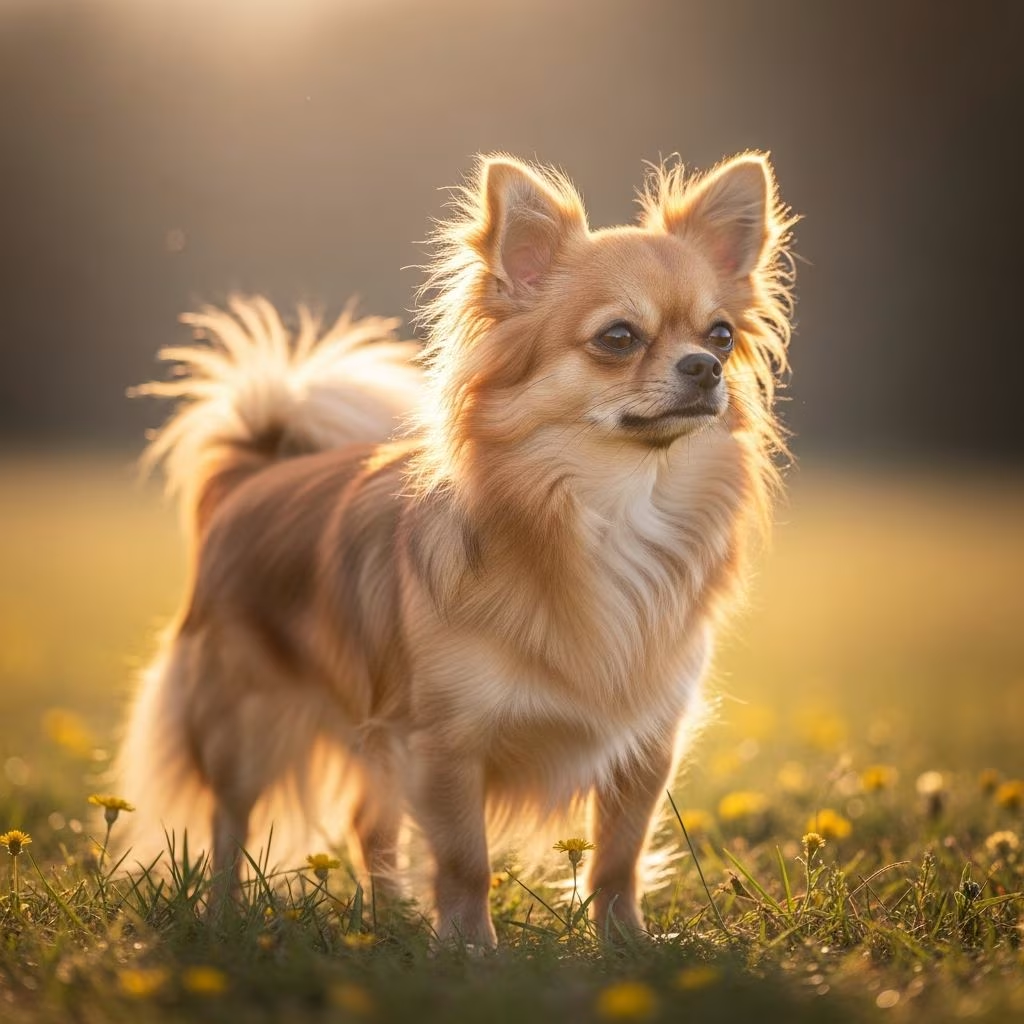
Long-Coat Chihuahua: A Complete Breed Guide
The Long-Coat Chihuahua is one of the tiniest dog breeds in the world, yet these diminutive dogs possess outsized personalities and an enormous capacity for loyalty. Originating from Mexico, the Long-Coat Chihuahua has become a beloved companion breed worldwide, known for its distinctive apple-shaped head, large expressive eyes, and elegant long coat. Despite their small stature, these dogs are fearless, intelligent, and fiercely devoted to their owners.
Physical Characteristics and Appearance
Size and Build
Long-Coat Chihuahuas are among the smallest dog breeds, typically standing between 6 to 9 inches in height and weighing between 3 to 6 pounds. Their compact, dainty frame belies their robust spirit. Despite their diminutive size, they possess a well-proportioned body with a level back that is slightly longer than their height at the withers. Their small, slender legs provide surprising agility and grace when moving.
Head and Facial Features
The most distinctive feature of the Long-Coat Chihuahua is their well-rounded apple-shaped skull, which is instantly recognizable. They have large, round eyes that are set well apart, typically dark or ruby-colored, giving them an alert and intelligent expression. Their ears are particularly notable—large and flaring, set at approximately 45 degrees, which contributes to their characteristic appearance. The muzzle is moderately short and slightly pointed, with lean cheeks and jaws.
Coat and Color
The Long-Coat Chihuahua’s coat is soft and silky to the touch, never coarse or harsh. The texture can be either flat or slightly wavy, but never tightly curled. The coat features desirable feathering on the ears, feet, and legs, with pants on the hindquarters and a large ruff around the neck. The tail is long and full, resembling a plume, and is carried high over the back in a characteristic sickle shape. Long-Coat Chihuahuas come in a remarkable variety of colors and color combinations, including fawn, cream, red, black, and various mixtures, though merle or dapple coloring is considered unacceptable.
Temperament and Behavior
Personality Traits
Long-Coat Chihuahuas are alert, swift-moving little dogs with a saucy expression and spirited demeanor. They possess big personalities despite their small size, often exhibiting a confidence and fearlessness that seems to belie their tiny stature. These dogs are intelligent and quick learners, capable of surprising their owners with their cleverness and determination. The breed is gay, spirited, and intelligent—neither snappy nor withdrawn—making them engaging and lively companions.
Social Behavior and Interaction
Long-Coat Chihuahuas tend to be one-person or one-family dogs, meaning they form particularly strong bonds with their primary caregiver or family unit. They are reserved toward strangers and require early socialization to accept new people willingly. While fairly playful with family children, supervision is essential as children could easily injure such a delicate dog. They are generally good with other dogs and pets, though they can foolishly challenge larger strange dogs due to their lack of awareness of their own size. Some individuals can be overly bold and fearless, while others may be timid—personality variation within the breed is notable.
Behavior Concerns and Training
The Long-Coat Chihuahua makes both a devoted lap dog and a saucy playmate. However, potential owners should be aware of certain behavioral tendencies. While not naturally aggressive, these dogs can have a stubborn streak and may bark excessively. Their protective nature can manifest as territorial or anxious behavior, and they may be possessive of their owner. This protective nature shouldn’t be dismissed as cute—it requires proper discipline and early training. Interestingly, some perceived aggression or problematic barking may stem from anxiety or learned behavior rather than inherent aggression, and proper training can mitigate these issues.
Exercise and Activity Requirements
Despite their tiny size, Long-Coat Chihuahuas are energetic dogs that require a fair amount of exercise and playtime. They need active engagement to maintain optimal health and happiness. A moderate daily exercise routine, including active walks and interactive play sessions, is essential for this breed. However, their exercise needs should be balanced with their delicate frame—they are not suitable as serious jogging partners, though they enjoy regular, brisk walks. Indoor play and mental stimulation are equally important for keeping these intelligent dogs mentally engaged and preventing behavioral problems.
Grooming and Coat Care
The Long-Coat Chihuahua’s beautiful silky coat requires regular grooming to maintain its health and appearance. These dogs should have their coats groomed every other day to prevent matting and tangles. Regular brushing not only keeps the coat looking pristine but also promotes healthy skin and allows for early detection of any skin issues. In addition to coat grooming, routine care should include regular nail trimming, ear cleaning (particularly important given their large, floppy ears), and dental hygiene. Their grooming needs are more substantial than those of their smooth-coat cousins, making this breed suitable for owners who appreciate and can commit to regular grooming maintenance.
Training and Socialization
Training Approach
Long-Coat Chihuahuas learn quickly but have a stubborn streak that requires a patient, consistent approach. These dogs do not respond well to force-based training methods and can become defensive or anxious under harsh correction. Instead, reward-based training involving food treats and positive reinforcement is highly effective with this breed. Establishing clear leadership and boundaries from an early age helps offset any tenacious streaks and instills good behavior.
Housetraining Challenges
One notable challenge with Long-Coat Chihuahuas is housetraining, which can be more challenging than with many other breeds. This requires patience, consistency, and frequent outdoor breaks. Crate training, combined with reward-based positive reinforcement, is often effective for this breed. Potential owners should be prepared for a longer housetraining period than they might expect with larger dog breeds.
Socialization Importance
Early socialization is crucial for Long-Coat Chihuahuas to develop into well-adjusted, confident adults. Exposing puppies to various people, environments, and experiences helps prevent excessive shyness, fearfulness, or aggression. Proper socialization, combined with consistent training, results in dogs that are more comfortable in social situations and less prone to anxiety-related behavioral issues.
Dietary Needs and Nutrition
Long-Coat Chihuahuas require high-quality nutrition appropriate for their small size and high metabolism. Their diet should be rich in protein and balanced in all essential nutrients. Due to their tiny stomachs, they require smaller, more frequent meals rather than one or two large daily feedings. Many owners find that high-quality small-breed formulated dog food, whether dry kibble or a combination of wet and dry food, meets their nutritional needs. It’s important to avoid overfeeding these little dogs, as obesity can exacerbate joint problems and other health issues. Fresh water should always be available, and treats should be given in moderation as part of overall caloric intake.
Health Considerations
Lifespan
Long-Coat Chihuahuas have an impressive lifespan compared to many dog breeds, typically living between 14 to 18 years, with some living into their early twenties. This extended lifespan means they can be lifelong companions, though it also requires a long-term commitment from owners.
Common Health Issues
As with all dog breeds, Long-Coat Chihuahuas are prone to certain health conditions. These may include patellar luxation (loose kneecaps), hypoglycemia (low blood sugar), dental disease, and heart conditions. Their large eyes can be prone to issues such as dry eye or cataracts. Responsible breeding practices have helped reduce the incidence of inherited conditions, but potential owners should acquire puppies from reputable breeders who conduct health testing on their breeding stock. Regular veterinary check-ups are essential for early detection and management of any health issues.
Ideal Living Environment
Long-Coat Chihuahuas are adaptable dogs that thrive in various living situations. They are equally suitable for apartment living or homes with yards, making them excellent for both urban and rural environments. Their small size makes them manageable in compact spaces, though they still require regular exercise and mental stimulation regardless of living environment. These dogs form strong bonds with their owners and prefer to spend time in close proximity to them, making them excellent lap dogs for those who work from home or have flexible schedules.
Suitability for Different Owners
Long-Coat Chihuahuas are suitable for owners with some experience in dog ownership and training. They require owners who understand the breed’s specific needs, including regular grooming, consistent training, proper socialization, and appropriate healthcare. These dogs are not ideal for families with very young children due to their fragility, nor are they suitable for owners who cannot commit to regular grooming and training. However, they make wonderful companions for individuals or families who appreciate their unique personalities and are willing to meet their specialized needs.
Watchdog Abilities
Despite their tiny size, Long-Coat Chihuahuas make surprisingly effective watchdogs. They possess keen hearing and sharp vision, often detecting strangers or unusual activity before other dog breeds. Their vocal nature and protective instincts make them excellent alert dogs, readily warning their owners of potential intruders or unusual occurrences. While they cannot physically defend against threats, their alertness and willingness to bark make them effective at drawing attention to potential dangers.
Frequently Asked Questions
Q: How long do Long-Coat Chihuahuas typically live?
A: Long-Coat Chihuahuas typically live between 14 to 18 years, with some individuals living into their early twenties with proper care and nutrition.
Q: Are Long-Coat Chihuahuas good for families with children?
A: They can be fairly playful with family children, but supervision is essential as their small, delicate frame makes them vulnerable to accidental injury from young children who may not understand how to handle them gently.
Q: Do Long-Coat Chihuahuas shed much?
A: Yes, Long-Coat Chihuahuas do shed, particularly during seasonal changes. Regular brushing every other day helps manage shedding and maintains coat health.
Q: Are Long-Coat Chihuahuas aggressive?
A: While they have a reputation for aggression, Long-Coat Chihuahuas are not inherently aggressive. Their protective nature and tendency to bark can create this perception, but proper training and socialization can mitigate behavioral issues.
Q: How much exercise do Long-Coat Chihuahuas need?
A: They need regular active walks and playtime daily, though they are not high-energy dogs and typically require less than an hour of walking per day.
Q: Is housetraining difficult with Long-Coat Chihuahuas?
A: Yes, housetraining can be more challenging with this breed than with many others. Consistency, patience, and reward-based training methods work best.
Q: Can Long-Coat Chihuahuas live in apartments?
A: Yes, Long-Coat Chihuahuas adapt well to apartment living due to their small size and moderate exercise needs, making them ideal for urban environments.
References
- Chihuahua (Long Coat) Breed Standards — The Kennel Club. Accessed November 28, 2025. https://www.royalkennelclub.com/breed-standards/toy/chihuahua-long-coat/
- Chihuahua Long Dog Breed Information — VCA Animal Hospitals. Accessed November 28, 2025. https://vcahospitals.com/know-your-pet/dog-breeds/chihuahua-long
- Let’s Talk Long-Coat Chihuahuas — Royal Canin. Accessed November 28, 2025. https://www.royalcanin.com/in/dogs/breeds/chihuahua
- Long Haired Chihuahua: Your Complete Guide — Dog Academy. Accessed November 28, 2025. https://dogacademy.org/breeds/long-haired-chihuahua
- Chihuahua (Long Coat) Dog Breed Information — Purina UK. Accessed November 28, 2025. https://www.purina.co.uk/find-a-pet/dog-breeds/chihuahua-long-coat
- Chihuahua Dog Breed Information — American Kennel Club. Accessed November 28, 2025. https://www.akc.org/dog-breeds/chihuahua/



