

Understanding Long-Acting Transdermal Buprenorphine for Cats
Long-acting transdermal buprenorphine represents a significant advancement in veterinary pain management, particularly for cats undergoing surgical procedures. Zorbium, the FDA-approved long-acting transdermal buprenorphine (LAT-bup) solution, has revolutionized how veterinarians approach postoperative pain control in feline patients. This innovative medication delivery system eliminates the need for repeated injections or home administration of pain medications, providing pet owners and veterinarians with a more convenient and reliable solution for managing acute postoperative discomfort.
What Is Long-Acting Transdermal Buprenorphine?
Long-acting transdermal buprenorphine is a topical medication solution that delivers continuous pain relief through the skin. Buprenorphine is an opioid analgesic that works by acting on pain receptors in the central nervous system, effectively reducing the perception of pain. Unlike traditional injectable buprenorphine formulations that require repeated dosing, the transdermal version provides sustained drug release over an extended period.
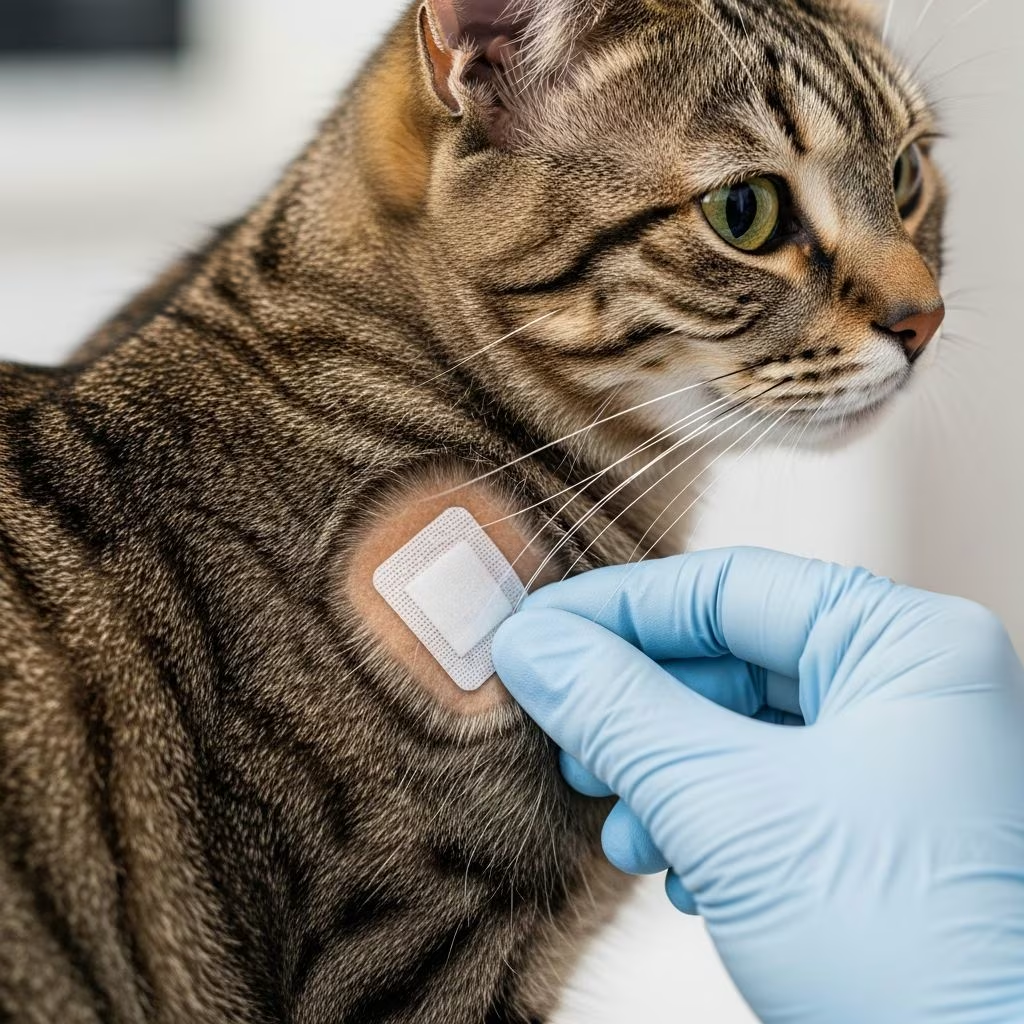
The medication is applied as a solution directly to the skin at the base of the cat’s neck, where it is rapidly absorbed into the dermal layers. Once absorbed, buprenorphine enters systemic circulation and is continuously released into the bloodstream, providing consistent pain relief for up to 72 to 96 hours following a single application. This sustained-release mechanism distinguishes it from shorter-acting formulations and offers significant advantages for postoperative care management.
FDA Approval and Development
Zorbium received FDA approval on January 20, 2022, marking a historic milestone as the first transdermal buprenorphine product approved for veterinary use in cats. The approval followed rigorous clinical trials that demonstrated the medication’s efficacy and safety profile in controlling postoperative pain. Prior to this approval, veterinarians had other buprenorphine options available, including Simbadol (injectable buprenorphine) and alternative pain management medications such as Onsior, a nonsteroidal anti-inflammatory drug. However, Zorbium uniquely combines the benefits of long-acting formulation with transdermal delivery, setting it apart from previously available options.
How Long-Acting Transdermal Buprenorphine Works
The mechanism of action for long-acting transdermal buprenorphine involves both pharmacokinetic and pharmacodynamic processes. When applied to the skin, the solution penetrates the epidermis and enters the subcutaneous tissue, creating a depot effect that allows for prolonged drug absorption and release. Buprenorphine molecules are gradually absorbed into the bloodstream, maintaining therapeutic plasma concentrations throughout the dosing interval.
The drug begins providing pain relief within 1 to 2 hours following application, allowing sufficient time for preoperative preparation if administered before surgery. Once absorbed, buprenorphine acts as a partial mu-opioid receptor agonist, modulating pain signaling at the spinal cord and brain levels. This mechanism provides effective analgesia while maintaining a favorable safety profile compared to full mu-opioid agonists.
Administration Guidelines
Proper administration of long-acting transdermal buprenorphine is critical for ensuring optimal therapeutic outcomes and maintaining safety. The following guidelines should be strictly followed:
- Timing: Apply Zorbium one to two hours before surgical procedures to allow adequate absorption and onset of action
- Location: Apply the solution exclusively at the base of the cat’s neck, where absorption is most predictable
- Fur Preparation: Do not clip or shave the fur at the application site; the medication should be applied directly to the skin through the coat
- Professional Administration: Zorbium must be administered only in a veterinary hospital setting by trained veterinarians or veterinary technicians
- Dosing: Healthcare providers determine appropriate dosing based on individual patient factors and clinical assessment
Benefits for Cats and Pet Owners
Long-acting transdermal buprenorphine offers numerous advantages over traditional pain management approaches. The most significant benefit is the elimination of repeated injections during the critical recovery period immediately following surgery. Cats often experience stress when receiving multiple injections, and owners may struggle with administering medications at home, potentially leading to compliance issues or improper dosing.
By providing four days of continuous pain relief from a single in-clinic application, Zorbium reduces stress for both cats and their owners. The medication also decreases the risk of opioid misuse by pet owners, as the drug is administered and managed exclusively within the veterinary setting. Additionally, long-acting transdermal buprenorphine provides reassurance to veterinarians regarding pain control compliance and allows them to focus on other aspects of postoperative care.
From a practical standpoint, the single-application approach simplifies medical recordkeeping and controlled substance disposal procedures for veterinary clinics. The pre-dosed tubes eliminate measurement errors and facilitate accurate documentation of medication administration.
Clinical Efficacy and Research Findings
Clinical studies conducted on client-owned cats demonstrated the effectiveness of long-acting transdermal buprenorphine for postoperative pain control. The research enrolled cats of various breeds between 4 months and 5 years of age, comparing treatment outcomes between cats receiving Zorbium and those receiving placebo. Significantly more cats in the treatment group achieved adequate pain control for the full 4-day postoperative period compared to the control group.
Research on laboratory animals has further validated the analgesic efficacy of LAT-bup. Studies in rats demonstrated that high-dose long-acting transdermal buprenorphine effectively attenuated postoperative mechanical hypersensitivity for up to 48 hours, with plasma buprenorphine concentrations remaining above therapeutic thresholds for 96 hours following application. These findings support the clinical use of the medication for various surgical procedures and pain management scenarios.
Plasma Concentration and Pharmacokinetics
Understanding the pharmacokinetic profile of long-acting transdermal buprenorphine is essential for optimizing clinical outcomes. Research demonstrates that plasma buprenorphine concentrations remain above 1 ng/mL for extended periods, typically maintaining therapeutic levels for up to 96 hours. Peak plasma concentrations are reached at specific timepoints post-application, with the medication providing consistent drug delivery throughout the dosing interval.
The sustained pharmacokinetic profile ensures that pain relief remains consistent without the peaks and troughs associated with repeated injections. This consistency contributes to improved postoperative comfort and faster recovery in feline surgical patients.
Potential Side Effects and Adverse Reactions
While long-acting transdermal buprenorphine is generally well-tolerated in cats, certain adverse reactions have been documented. Understanding these potential effects helps veterinarians and pet owners identify any concerning symptoms during the postoperative period.
The most commonly observed adverse reaction in cats administered Zorbium was increased body temperature. Additional findings observed in clinical and safety studies included:
- Dilated pupils
- Constipation
- Abnormal behavior patterns including hyperactivity, agitation, restlessness, and aggression
Most adverse reactions are mild and self-limiting, resolving as the medication is metabolized and eliminated from the body. Pet owners should be advised to monitor their cats during the recovery period and report any concerning symptoms to their veterinarian promptly.
Safety Considerations and Precautions
Healthcare providers and pet owners must observe specific safety precautions when handling long-acting transdermal buprenorphine. The medication should only be administered in veterinary hospital settings by trained professionals. Pet owners should never attempt to administer Zorbium at home.
When handling the medication, veterinary personnel must wear appropriate personal protective equipment, including impermeable latex or nitrile gloves, protective eyewear, and a laboratory coat. These precautions minimize the risk of accidental exposure through skin contact or mucous membrane contact. A user safety study confirmed no risk to adults or children with direct exposure to the dry application site 30 minutes or more after application, but protective measures should still be observed during application and immediately thereafter.
Zorbium is a controlled substance due to its opioid content and must be stored, handled, and disposed of according to regulatory guidelines for controlled medications. Veterinary clinics must maintain accurate records of administration and implement appropriate security measures for medication storage.
Comparison With Other Pain Management Options
| Medication | Formulation | Duration | Administration | Advantages |
|---|---|---|---|---|
| Long-Acting Transdermal Buprenorphine (Zorbium) | Transdermal Solution | 72-96 hours | Single in-clinic application | Single application, no repeat dosing, convenient, reduces owner burden |
| Injectable Buprenorphine (Simbadol) | Injectable Solution | 6-12 hours | Multiple injections required | Established efficacy, multiple dose options |
| NSAIDs (Onsior) | Tablet or Injection | Varies | Multiple doses required | Anti-inflammatory, effective for mild to moderate pain |
Cost Considerations
Long-acting transdermal buprenorphine offers significant economic advantages compared to alternative pain management approaches. Research comparing treatment costs demonstrates that administering equivalent analgesic coverage with traditional injectable buprenorphine formulations (Bup-ER) costs approximately 70% more than a single application of long-acting transdermal buprenorphine. For example, a 1.2 mg/kg dose of extended-release buprenorphine costs approximately $13.82, while a 10 mg/kg dose of long-acting transdermal buprenorphine costs $4.29, representing substantial savings while providing superior duration of action and treatment convenience.
Post-Operative Recovery and Pain Management
Long-acting transdermal buprenorphine plays a crucial role in the immediate postoperative recovery period, often the most critical phase for pain management. By providing continuous analgesia beginning within 1 to 2 hours of application and extending for up to 4 days, the medication ensures that cats receive consistent pain relief during the recovery process.
Adequate pain control during the early postoperative period facilitates faster recovery, reduces stress-related complications, and improves overall postoperative outcomes. Cats experiencing well-controlled pain demonstrate more normal behavior patterns, improved appetite, and faster return to normal activity levels compared to those with inadequate analgesia.
Frequently Asked Questions About Long-Acting Transdermal Buprenorphine
Q: How long does pain relief last after a single application?
A: Pain relief lasts for approximately 72 to 96 hours following a single application. Most cats experience adequate pain control for the full 4-day postoperative period, though individual variation may occur.
Q: Can pet owners apply Zorbium at home?
A: No, Zorbium must be administered exclusively in a veterinary hospital setting by trained veterinarians or veterinary technicians. This restriction ensures proper handling of the controlled substance and appropriate monitoring during administration.
Q: What should I do if my cat shows signs of adverse reactions?
A: Contact your veterinarian immediately if your cat shows signs of severe behavioral changes, difficulty breathing, or other concerning symptoms. Most common side effects like mild temperature elevation are self-limiting, but your veterinarian should evaluate any concerning symptoms.
Q: Is long-acting transdermal buprenorphine safe for all cats?
A: Long-acting transdermal buprenorphine is appropriate for most cats undergoing surgical procedures. However, your veterinarian will evaluate your cat’s individual health status, age, and medical history to determine if this medication is suitable for your pet.
Q: How does the cost of Zorbium compare to other pain medications?
A: Long-acting transdermal buprenorphine is approximately 70% less expensive than equivalent analgesic coverage with traditional injectable buprenorphine formulations, making it a cost-effective option for postoperative pain management.
Q: Will my cat need additional pain medication after surgery?
A: Many cats achieve adequate pain control with long-acting transdermal buprenorphine alone for the 4-day postoperative period. However, your veterinarian will assess your individual cat’s pain level and may recommend supplemental pain management if needed.
Q: When should Zorbium be applied relative to surgery?
A: Zorbium should be applied 1 to 2 hours before surgical procedures to allow adequate absorption and ensure pain relief begins taking effect before anesthesia recovery.
References
- Analgesic Efficacy of a Long-Acting Transdermal Buprenorphine in Attenuating Postoperative Pain Hypersensitivity in Rats — National Center for Biotechnology Information (NCBI). 2024. https://pmc.ncbi.nlm.nih.gov/articles/PMC12189374/
- Zorbium® (Buprenorphine Transdermal Solution) for Cats — Elanco US Inc. 2024. https://my.elanco.com/us/zorbium
- FDA Approves First Transdermal Buprenorphine for the Control of Post-Surgical Pain in Cats — U.S. Food and Drug Administration (FDA). 2022-01-20. https://www.fda.gov/animal-veterinary/cvm-updates/fda-approves-first-transdermal-buprenorphine-control-post-surgical-pain-cats
- FDA Approves First Transdermal Buprenorphine for the Control of Post-Surgical Pain in Cats — U.S. Food and Drug Administration (FDA). 2022-01-20. https://content.govdelivery.com/accounts/USFDA/bulletins/306a7b4



