

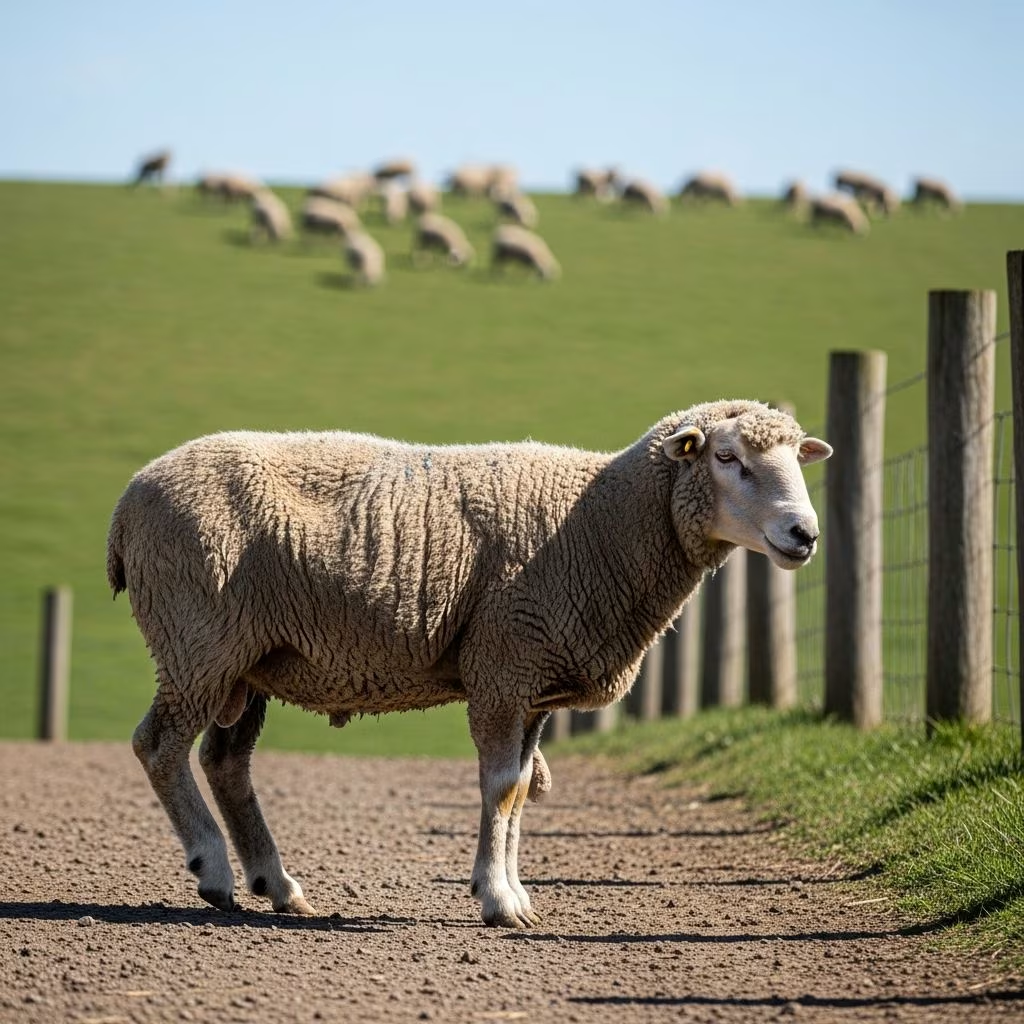
Understanding Mobility Challenges in Sheep Production
Impaired locomotion represents one of the most significant health challenges confronting modern sheep farming operations. This condition directly impacts animal welfare, production efficiency, and economic viability of flocks. When sheep experience difficulty walking or bearing weight on their limbs, the consequences ripple throughout the operation—affecting weight gain, wool quality, reproductive performance, and overall flock profitability. The condition manifests across various environments, from extensive pasture-based systems to intensive indoor operations, though certain management practices and environmental conditions significantly influence prevalence and severity.
The financial burden of mobility dysfunction extends beyond immediate treatment costs. Animals experiencing chronic movement difficulties face reduced feed intake, compromised body condition, and diminished market value. Additionally, affected animals require increased labor for identification, handling, and treatment, straining farm resources. Understanding the underlying causes and implementing systematic prevention strategies therefore represents a critical management priority for any sheep enterprise.
Primary Infectious Agents Affecting Ovine Mobility
The majority of mobility problems in sheep originate from infectious agents that specifically target foot tissues. These pathogens thrive in the moist, warm environment between digits and within the hoof structures, creating conditions favorable for rapid bacterial colonization and tissue damage. Identifying the specific causal organism provides essential information for selecting appropriate treatment protocols and implementing flock-level control measures.
Bacterial Foot Infections
Dichelobacter nodosus represents the primary bacterial pathogen responsible for several forms of infectious foot disease in sheep populations. This organism can spread rapidly through flocks, particularly in environments with high moisture levels and inadequate biosecurity practices. The bacterium produces toxins that destroy skin and horn tissue, leading to characteristic lesions and severe pain that prevents normal weight-bearing.
Beyond Dichelobacter nodosus, emerging evidence suggests that multiple bacterial species may act synergistically to produce clinical disease. Treponema species have been increasingly identified in association with severe foot lesions, often coexisting with other bacterial pathogens. This polymicrobial nature of some infections complicates treatment protocols and explains variable response rates to certain therapeutic interventions.
Viral and Secondary Pathogens
Certain viral infections can compromise foot integrity and create pathways for secondary bacterial infection. These agents damage skin and tissue, particularly in animals exposed to pastures with sharp vegetation or rough ground conditions. Once the protective skin barrier is breached, environmental bacteria readily establish infections that progress to significant lameness if left untreated.
Categories of Mobility Dysfunction
Inflammatory Skin Conditions Between the Toes
The interdigital space creates an ideal environment for bacterial proliferation due to constant moisture, warmth, and minimal air circulation. Inflammation of tissues in this location causes pain, swelling, and reluctance to bear weight. The condition typically responds well to environmental management and targeted chemical treatments when identified early.
Progressive Hoof Infections
More severe infections penetrate deeper into hoof structures, causing underrunning—a condition where tissue separates from the horn shell. These infections produce abscess formation, necrotic tissue, and extensive damage that may result in permanent structural changes to the hoof. Such cases require aggressive treatment and prolonged recovery periods.
Chronic Degenerative Hoof Conditions
Beyond acute infections, sheep develop mobility problems from structural hoof abnormalities including excessive horn growth, white line separation, and keratin quality defects. These conditions may have nutritional, genetic, or environmental origins and typically require mechanical intervention through careful trimming and management modifications.
Systemic and Non-Infectious Causes of Impaired Mobility
While infectious foot conditions dominate the lameness landscape, numerous systemic diseases and nutritional deficiencies produce mobility impairment. These conditions may affect multiple limbs or joints simultaneously and often require different diagnostic approaches and treatment strategies compared to localized foot infections.
Joint and Bone-Related Disorders
Septic inflammation of joints can develop following bacterial entry through wounds or bloodstream dissemination. Environmental organisms including Escherichia coli and Erysipelothrix commonly cause these infections. Affected animals often show acute, severe lameness in one or more limbs, with visible swelling and heat at the affected joint. Early intervention with systemic antibiotics offers the best prognosis, though some cases result in permanent damage or require culling.
Nutritional deficiencies significantly impact skeletal development and integrity. Inadequate mineral nutrition—particularly phosphorus, calcium, and copper—produces structural weakness and degenerative joint disease. Copper deficiency specifically impairs collagen formation, leading to reduced connective tissue strength and compromised joint stability. These conditions typically require dietary adjustment and prolonged recovery as tissues rebuild.
Metabolic and Toxicological Causes
Certain environmental and dietary factors produce acute neurological signs affecting locomotion. Tetanus, caused by toxin-producing bacteria, produces characteristic muscle rigidity and inability to coordinate movement. Copper and selenium imbalances produce neurological dysfunction affecting motor control. Laminitis—inflammation of tissues supporting the hoof—develops in response to metabolic challenges or dietary imbalances, causing diffuse pain and reluctance to move.
Inflammatory and Infectious Systemic Conditions
Several systemic infections produce joint inflammation and lameness as clinical manifestations. Chlamydial organisms can cause polyarthritis affecting multiple joints simultaneously. Certain viral diseases produce acute inflammatory responses affecting skeletal tissues. These conditions typically improve with time and supportive care, though some animals experience chronic complications.
Diagnostic Approach to Mobility Problems
Accurate identification of the underlying cause represents the foundation for effective management. Without proper diagnosis, treatment efforts become inefficient, control measures fail, and economic losses accumulate. A systematic approach to assessment improves diagnostic accuracy and enables appropriate interventions.
Clinical Examination Protocol
Initial assessment begins with observation of the animal’s gait and weight-bearing patterns before handling. Severity classification—from mild, transient impairment to severe, persistent dysfunction—guides prognosis and management decisions. Detailed physical examination of affected limbs reveals heat, swelling, discharge, and specific lesion characteristics that narrow diagnostic possibilities.
Systematic palpation of hoof structures, joints, and surrounding tissues identifies pain localization. Careful assessment of interdigital areas, sole surfaces, and coronary band regions provides essential information about infection location and extent. Lesion appearance—including color, odor, and degree of tissue destruction—suggests specific pathogens and severity levels.
Imaging and Laboratory Considerations
While field diagnosis often suffices for management decisions, more complex cases may benefit from radiographic evaluation or microbial culture. Imaging reveals bone involvement, joint space abnormalities, or structural complications that alter treatment approach. Microbial identification, though time-consuming, provides valuable information for targeted antibiotic selection in refractory cases.
Treatment Protocols for Infectious Foot Conditions
Antibiotic Therapy
Early parenteral antibiotic administration represents the most effective and cost-efficient treatment approach for bacterial foot infections. Multiple antibiotic formulations have demonstrated efficacy, including long-acting oxytetracycline administered intramuscularly at appropriate dosages. Alternative agents including gamithromycin, tilmicosin, and florfenicol provide options for resistant cases or animals with sensitivities to primary agents. Treatment timing significantly influences outcomes—animals receiving antibiotics within the first few days of clinical signs show markedly improved recovery rates compared to those treated later.
Topical antibiotic preparations serve as adjunctive therapies for mild infections and help minimize environmental contamination from wound discharge. However, reliance on topical agents alone proves insufficient for infections penetrating deeper hoof structures or affecting substantial tissue areas.
Hoof Preparation and Mechanical Intervention
Removing debris and damaged tissue from affected hooves enhances antibiotic penetration and promotes healing. However, aggressive trimming of actively infected tissue should generally be avoided, as this practice can spread infection and increase pain. Gentle removal of gross contamination, combined with systemic antibiotic therapy, proves more effective than extensive mechanical debridement in most cases.
Chemical Treatment Approaches
Foot bathing with chemical solutions provides a practical method for treating groups of animals simultaneously. Zinc sulfate solutions and formalin preparations demonstrate effectiveness for certain types of infection, though efficacy varies by specific condition and causative organism. Optimal results require proper concentration, adequate contact time, and suitable environmental conditions to allow feet to dry after treatment.
Treatment frequency significantly influences outcomes. Regular applications every 2-3 weeks prove necessary for continued control of established infections. More frequent bathing—weekly protocols—may be required during disease elimination phases when infection prevalence remains high. Prevention-focused bathing at key management points such as housing or gathering requires less frequent intervention.
Chronic Hoof Conditions and Structural Problems
White Line Disease and Toe Abscesses
These conditions result from separation between hoof structures or foreign body penetration, allowing bacterial colonization. Careful mechanical trimming to remove loose horn and establish drainage provides the primary treatment. Antibiotic therapy becomes necessary only if surrounding tissues show heat, swelling, or signs of systemic involvement.
Overgrown or Brittle Hoof
Horn quality defects and overgrowth require mechanical trimming to remove loose material and restore normal foot structure. These conditions typically do not require systemic antibiotic therapy but benefit from improved nutrition and mineral balance to support healthy horn growth.
Comprehensive Flock-Level Management Strategy
Systematic Identification and Handling
Effective flock management requires establishing systems to identify lame animals promptly and record treatment histories. Marked animals undergoing repeated treatment warrant close monitoring, as persistent lameness despite appropriate therapy may indicate a need for culling decisions. Detailed records enable identification of individual animals prone to recurrent problems and support evidence-based breeding and selection decisions.
Genetic Selection and Breeding Decisions
Selective breeding from animals showing resistance to mobility problems gradually improves flock genetic potential. Conversely, removing chronically affected animals—particularly those failing to respond adequately to treatment—reduces disease prevalence over time. These decisions improve not only immediate flock health but establish longer-term genetic changes that reduce disease susceptibility.
Environmental and Management Modifications
Housing conditions significantly influence infection prevalence. Maintaining dry, clean bedding, adequate drainage, and appropriate stocking densities reduces environmental pathogen loads and transmission rates. Pasture management, including regular hoof trimming, vegetation control to remove sharp materials, and rotational grazing practices, diminishes injury risk and reduces moisture accumulation in high-traffic areas.
Biosecurity Protocols
Quarantining newly introduced animals prevents introduction of pathogens into previously unaffected flocks. This practice proves particularly important for animals acquired from sources with unknown disease status. Isolation periods with careful observation allow detection of incubating infections before animals contact the resident flock.
Integrated Approach to Reducing Disease Impact
Effective lameness control requires coordinated implementation of multiple strategies addressing disease challenge, animal resilience, and flock immunity. This integrated approach proves more successful than reliance on single interventions.
- Reduce pathogenic challenge through environmental modifications, sanitation, and biosecurity measures
- Build individual resilience via optimized nutrition, appropriate body condition, and genetic selection
- Establish flock immunity by allowing animals to recover naturally from mild infections while preventing severe disease through early treatment
- Implement systematic monitoring to detect emerging problems before widespread flock involvement
- Record and analyze treatment data to identify patterns and adjust management accordingly
Economic Considerations and Return on Investment
While prevention and treatment require upfront investment, the costs prove minimal compared to production losses from unchecked lameness. Early treatment of affected animals represents the most cost-effective intervention, preventing progression to chronic disease and reducing long-term impacts on productivity. Investment in environmental improvements and management systems pays dividends through reduced disease incidence and improved overall herd performance.
Conclusion
Mobility dysfunction in sheep represents a complex, multifactorial challenge demanding comprehensive understanding and systematic management. While infectious foot conditions dominate the disease landscape in most flocks, systemic diseases and nutritional factors contribute significantly to overall lameness burden. Success requires accurate diagnosis, prompt treatment of affected individuals, strategic culling decisions, and long-term environmental modifications supporting flock resilience. Implementing these strategies systematically transforms lameness from a persistent productivity drain into a manageable challenge, improving animal welfare and economic outcomes simultaneously.
References
- Sheep lameness: causes, types and options for treatment — Vet Times. February 2024. https://www.vettimes.com/news/vets/livestock/sheep-lameness-causes-types-and-treatment
- Overview of Lameness in Sheep – Musculoskeletal System — Merck Veterinary Manual. https://www.merckvetmanual.com/musculoskeletal-system/lameness-in-sheep/overview-of-lameness-in-sheep
- Lameness Control in Sheep — NADIS (National Animal Disease Information System). https://www.nadis.org.uk/disease-a-z/sheep/lameness-control-in-sheep/
- Lameness in sheep: the five-point plan – treatment — AHDB (Agriculture and Horticulture Development Board). https://ahdb.org.uk/knowledge-library/lameness-in-sheep-the-five-point-plan-treatment
- Lameness in Sheep — NSW Government Regional and Primary Industries. https://www.nsw.gov.au/regional-and-primary-industries/livestock/sheep/lameness
- Foot Rot in Sheep: Symptoms, Treatment, and Prevention — RVS Vet. February 2024. https://rvsvet.com/foot-rot-in-sheep-symptoms-treatment-and-prevention/
- Lameness in Sheep and Goats — Tasmanian Government Natural Resources and Environment. https://nre.tas.gov.au/biosecurity-tasmania/animal-biosecurity/animal-health/sheep/lameness-in-sheep-and-goats



