

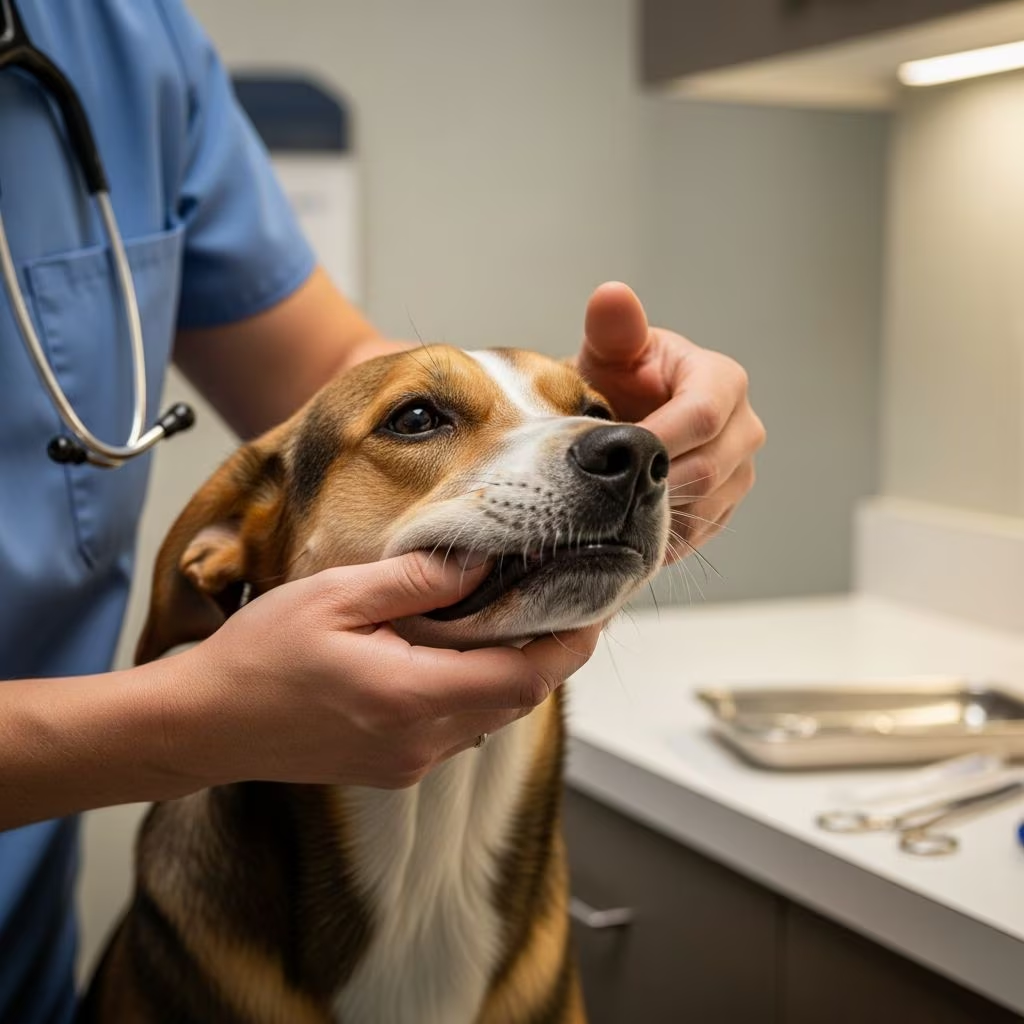
Trismus, commonly called lockjaw, is a distressing condition where dogs or cats struggle to open their mouths due to muscle spasms or stiffness in the jaw area. This issue, though uncommon in companion animals, demands immediate attention to prevent complications like dehydration or malnutrition.
Understanding the Mechanics of Trismus
The jaw’s movement relies on a complex interplay of muscles, nerves, and the temporomandibular joint (TMJ), the hinge connecting the upper and lower jaws. When these components face disruption, trismus emerges, restricting mouth opening and impacting eating, drinking, and grooming. Pets with natural resistance to certain toxins show lower incidence rates, yet vigilance remains essential post-injury.
Primary Infectious Triggers
Among the rarest yet most notorious causes is tetanus, stemming from Clostridium tetani bacteria entering deep wounds. This pathogen releases toxins that overstimulate nerves, leading to rigid muscle contractions starting at the jaw.
- Symptoms appear 5-10 days post-injury, progressing from jaw clenching to widespread spasms.
- Cats exhibit greater resilience than dogs to these toxins.
- Untreated cases can paralyze respiratory muscles, posing fatal risks.
Beyond tetanus, non-specific infections inflaming chewing muscles or TMJ can mimic these effects, underscoring the need for wound monitoring after trauma.
Immune-Mediated Muscle Disorders
Masticatory myositis tops the list of non-infectious culprits, an autoimmune assault on jaw-specific muscle fibers unique to masticatory tissues. Breeds like Labrador Retrievers, Golden Retrievers, German Shepherds, Dobermans, and Cavalier King Charles Spaniels face higher risks, often around age three.
| Stage | Key Features |
|---|---|
| Acute | Swollen jaw muscles, pain, drooling, trismus onset. |
| Chronic | Muscle atrophy, sunken head appearance, fibrosis limiting mobility. |
Polymyositis, a broader inflammation, occasionally involves jaw muscles, triggered by infections or immune dysregulation, further complicating diagnosis.
Trauma and Structural Abnormalities
Injuries directly to the jaw or TMJ frequently result in lockjaw. Common scenarios include fights, car accidents, or falls causing fractures, dislocations, or luxations.
- TMJ ankylosis fuses the joint, severely restricting motion.
- Arthritis or dysplasia erodes joint function over time.
- Foreign objects wedged between teeth, especially in large breeds, mechanically block closure.
Hereditary issues like craniomandibular osteopathy in West Highland White Terriers involve abnormal bone proliferation around the TMJ, inducing pain and restriction during growth phases.
Recognizing Warning Signs in Your Pet
Early detection hinges on observing subtle changes before full lockjaw sets in. Core indicators include:
- Inability or reluctance to open mouth fully.
- Excessive salivation or difficulty prehending food.
- Visible muscle wasting atop the skull in prolonged cases.
- Eye abnormalities: protrusion, discharge, third eyelid exposure due to head muscle involvement.
Additional red flags encompass fever, appetite loss, weight decline, ear infections, or behavioral hypersensitivity to stimuli, signaling deeper neurological involvement.
Diagnostic Approaches for Accurate Identification
Veterinarians employ a multi-faceted strategy to pinpoint trismus origins. Physical exams assess jaw mobility, muscle tone, and pain responses. Blood tests detect inflammation markers or antibodies in myositis cases. Imaging via X-rays, CT scans, or MRIs reveals bone anomalies, fractures, or masses. Biopsies confirm muscle pathology in immune disorders.
Treatment Strategies Tailored to Cause
Management varies by etiology but prioritizes symptom relief and root cause resolution.
For Tetanus: Antitoxin neutralizes circulating toxins, paired with antibiotics targeting C. tetani. Supportive measures include sedatives, muscle relaxants, wound debridement, and IV fluids.
For Masticatory Myositis: Immunosuppressants like corticosteroids curb autoimmune activity, with antibiotics if secondary infections arise. Physiotherapy prevents fibrosis.
For Trauma/TMJ Issues: Surgical repositioning for dislocations, pain control, and rest; severe ankylosis may require joint reconstruction.
Nutritional support via feeding tubes ensures hydration and calories during recovery phases.
Prevention Tips for Proactive Pet Owners
Minimize risks through vigilant wound care, prompt cleaning of punctures, and tetanus-prone environment avoidance. Routine dental checks catch early TMJ wear. Breed-specific screening for hereditary conditions aids early intervention. Maintain updated vaccinations, though no direct tetanus shot exists for pets, general health bolsters resilience.
Prognosis and Long-Term Outlook
Outcomes brighten with swift care. Tetanus survival hinges on early antitoxin administration, often favorable in resistant species. Myositis responds well acutely but chronic fibrosis may persist. TMJ repairs succeed in young, healthy patients. Monitor for relapse, as muscle atrophy or joint degeneration can recur.
FAQs on Pet Lockjaw
Q: Is lockjaw contagious?
A: No, trismus itself isn’t; however, tetanus bacteria spread via contaminated wounds.
Q: Can cats get lockjaw like dogs?
A: Yes, though rarer due to toxin resistance; myositis and trauma affect felines similarly.
Q: How long does recovery take?
A: Varies from days (mild trauma) to months (chronic myositis), depending on cause and treatment speed.
Q: What home remedies help?
A: None replace vet care; avoid force-opening jaws to prevent injury.
Q: Which breeds are prone?
A: Herding and retriever breeds for myositis; terriers for osteopathy.
When to Rush to the Vet
Act immediately if your pet shows jaw immobility post-injury, alongside drooling, distress, or eating refusal. Delays exacerbate dehydration, aspiration pneumonia, or toxin spread. Early intervention markedly improves chances.
References
- Lockjaw in dogs and cats: what is trismus? — Fetch Pet Care. 2023. https://www.fetchpet.com/the-dig/trismus-why-dogs-and-cats-get-lockjaw
- Lockjaw in Dogs — PetMD. 2024. https://www.petmd.com/dog/conditions/mouth/lockjaw-dogs
- Lockjaw in Dogs – Signs, Causes, Diagnosis, Treatment — WagWalking. 2024. https://wagwalking.com/condition/lockjaw
- Masticatory Myositis in Dogs: Causes and Symptoms — Total.Vet. 2024. https://total.vet/dog-immunity-autoimmune-disease-masticatory-myositis/
- My Dog Has Pain or Difficulty Opening Its Mouth — WellPets Animal Dental Care. 2023. https://www.wellpets.com/blog/160-my-dog-has-pain-or-difficulty-opening-its-mouth/



