
Local Analgesia In Veterinary Practice: Expert Techniques
Mastering targeted pain relief techniques to enhance animal welfare and surgical outcomes in modern veterinary care.
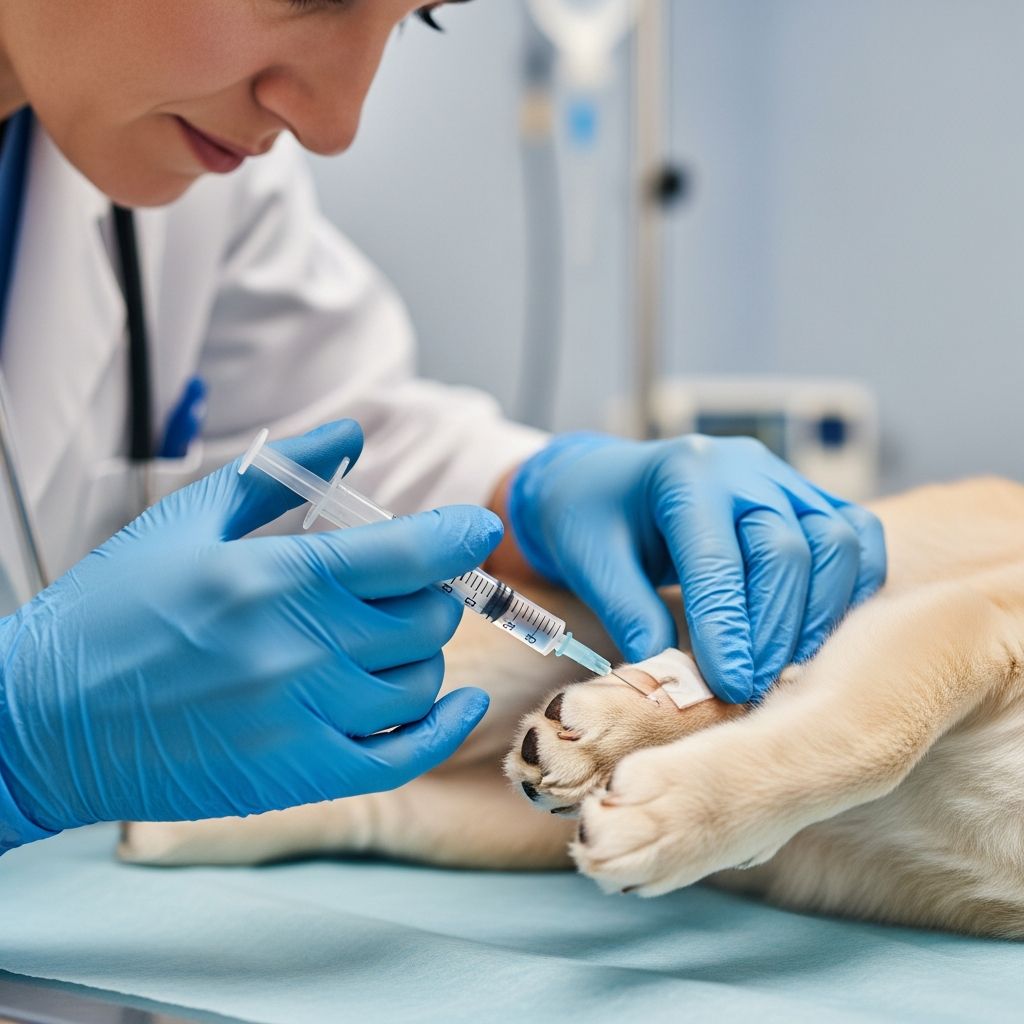
Targeted pain control through local and regional techniques represents a cornerstone of modern veterinary medicine, offering profound relief with minimal systemic impact. These methods block nerve signals at their source, reducing the need for higher doses of general anesthetics or opioids during and after procedures.
Why Prioritize Local Techniques?
Local anesthetics provide complete blockade of pain pathways in treated areas, distinguishing them from systemic drugs that circulate broadly. This precision lowers risks like respiratory depression or gastrointestinal upset common with opioids. Studies highlight their role in multimodal analgesia, where combining local blocks with other therapies accelerates recovery and enhances patient comfort in dogs and cats.
Benefits extend to intraoperative stability: reduced inhalant anesthetic requirements promote smoother anesthesia maintenance. Postoperatively, extended-release formulations can deliver relief for up to 72 hours, minimizing handling stress for animals.
Core Principles of Local Anesthetics
These agents inhibit sodium channels in nerve membranes, preventing action potential propagation. Sensory fibers, being smaller and less myelinated, succumb first, followed by motor fibers at higher doses. Factors like nerve firing rate influence sensitivity—active nociceptors block more readily.
- Onset and Duration: Shorter-acting drugs suit quick procedures; longer ones manage extended recovery.
- Dose Limits: Maximum safe doses prevent toxicity, calculated per kg body weight.
- pH Sensitivity: Alkalinizing solutions with bicarbonate speeds onset without compromising stability.
Popular Local Anesthetic Agents
Veterinarians commonly select from a few reliable options, each with distinct profiles suited to species and procedure type.
| Agent | Onset (min) | Duration (hr) | Dose (mg/kg) | Key Uses |
|---|---|---|---|---|
| Lidocaine | 5-10 | 1-2 | 4-6 | Infiltration, IV adjunct |
| Bupivacaine | 15-30 | 4-8 | 1-2 | Nerve blocks, infiltration |
| Ropivacaine | 10-20 | 3-6 | 1.5-2.5 | Prolonged blocks |
| Liposome Bupivacaine (NOCITA) | Variable | Up to 72 | 5.3 (dog), 10.6 (cat) | Surgical site infiltration |
Lidocaine excels in rapid action and systemic utility, such as infusions reducing anesthetic needs in horses. Bupivacaine offers longevity for postoperative care. Liposome-encapsulated bupivacaine, FDA-approved for canines and felines, revolutionizes extended analgesia via tissue infiltration or nerve targeting.
Topical and Surface Applications
Skin and mucosal numbing precedes minor interventions like venipuncture or wound dressing. Eutectic mixtures of lidocaine-prilocaine cream (2.5% each) require 30 minutes under occlusion for efficacy in dogs, cats, and exotics. Apply 1 cm² over vessels, covering to prevent licking.
- Pros: Non-invasive, ideal for pediatrics.
- Cautions: Monitor for methemoglobinemia in neonates; avoid repeated doses.
Transdermal patches exist but lack robust canine data. Mucosal sprays suit oral procedures.
Tissue Infiltration Methods
Direct injection into surgical sites or wounds delivers straightforward analgesia. Techniques include:
- Incisional Blocks: Deposit drug along planned cuts pre-incision.
- Splash Blocks: Pour into open cavities post-closure.
- Diffusion Catheters: Continuous infusion via soaker hoses for 24-72 hours.
Doses: Lidocaine 4 mg/kg, bupivacaine 1-2 mg/kg total. Dilute with saline for volume in large areas. Liposomal agents shine here, approved for cranial cruciate repairs in dogs.
Peripheral Nerve Blocks
Precision targeting desensitizes limbs or regions. Common sites:
- Brachial Plexus: Forelimb surgeries; use ultrasound guidance for accuracy.
- Femoral/Sciatic: Hindlimb procedures in orthopedics.
- Axillary Approach: Dogs tolerate 4 mg/kg lidocaine or 2 mg/kg bupivacaine, diluted if needed.
Inject in thirds: deep, mid, superficial layers after aspiration. Volumes scale with size—larger for axilla to ensure coverage.
Neuraxial and Central Blocks
Epidural or intrathecal delivery affects caudal body regions. Opioid-local combos extend duration without motor loss.
- Epidural: Lumbosacral space; ideal for c-sections, pelvic limbs.
- Catheters: Permit boluses or infusions.
Doses halved due to rapid uptake. Avoid in coagulopathies.
Intra-articular and Cavity Use
Joint lavages or abdominal splashes employ low-volume, preservative-free solutions. Bupivacaine 1 mg/kg intra-synovial provides hours of relief post-arthroscopy.
Safety Protocols and Complications
Toxicity manifests as seizures or cardiovascular collapse—seizures precede cardiac effects. Max doses: lidocaine 8 mg/kg, bupivacaine 3 mg/kg cumulative.
- Prevention: Aspirate before inject; use max volumes; monitor via ultrasound.
- Treatment: Lipid emulsion (1-4 mL/kg IV) binds agent; support ventilation.
Species variations: Cats metabolize slower; scale doses down.
Advanced Delivery Innovations
Liposomal bupivacaine (NOCITA) encapsulates drug in spheres, slowing release for 72-hour effect. Administer deliberately into tissues or perineurally; FDA nods for infiltration (dogs) and blocks (cats). Wound catheters pair with CRIs of dilute lidocaine for dynamic control.
Species-Specific Considerations
Dogs and Cats
Responsive to standard agents; liposomals excel postoperatively. Cats need prilocaine caution.
Large Animals
Horses benefit from lidocaine CRI for colic; paravertebrals for standing laparotomies.
Exotics
Small volumes critical; topical creams aid venipuncture in rabbits.
Integrating into Multimodal Plans
Pair blocks with NSAIDs, opioids for synergy. Evidence shows opioid-sparing, faster discharge.
Frequently Asked Questions (FAQs)
What is the fastest local anesthetic?
Lidocaine offers onset in 5-10 minutes, ideal for urgent blocks.
Can liposomal bupivacaine be used in nerve blocks?
Yes, especially in cats per FDA; ensure precise placement.
How to reverse local anesthetic toxicity?
Administer IV lipid emulsion at 1.5 mL/kg bolus, repeat as needed, with supportive care.
Is ultrasound necessary for blocks?
Not always, but it boosts success rates and safety.
What’s the role in standing surgeries?
Infiltration or paravertebrals enable procedures without general anesthesia in horses.
References
- Local Anesthetic Agents in Companion Animal Veterinary Practice — Today’s Veterinary Practice. 2023. https://todaysveterinarypractice.com/pharmacology/local-anesthetic-agents-in-companion-animal-veterinary-practice/
- Local and regional anaesthesia in dogs and cats — PMC (PubMed Central). 2020-04-30. https://pmc.ncbi.nlm.nih.gov/articles/PMC7196681/
- How to Stop Pain in its Tracks: Local/Regional Blocks — IVAPM. 2023. https://www.ivapm.org/how-to-stop-pain-in-its-tracks-local-regional-blocks
- Local Anesthetic Techniques — AAHA (American Animal Hospital Association). 2020. https://www.aaha.org/resources/2020-aaha-anesthesia-and-monitoring-guidelines-for-dogs-and-cats/local-anesthetic-techniques/
- Local and Regional Analgesic Techniques in Animals — Merck Veterinary Manual. 2025. https://www.merckvetmanual.com/therapeutics/pain-assessment-and-management/local-and-regional-analgesic-techniques-in-animals
- Regional Anesthesia and Pain Management in Veterinary Medicine — ASRA. 2020-04-30. https://asra.com/news-publications/asra-newsletter/newsletter-item/asra-news/2020/04/30/regional-anesthesia-and-pain-management-in-veterinary-medicine
Similar Articles








Read full bio of medha deb


