

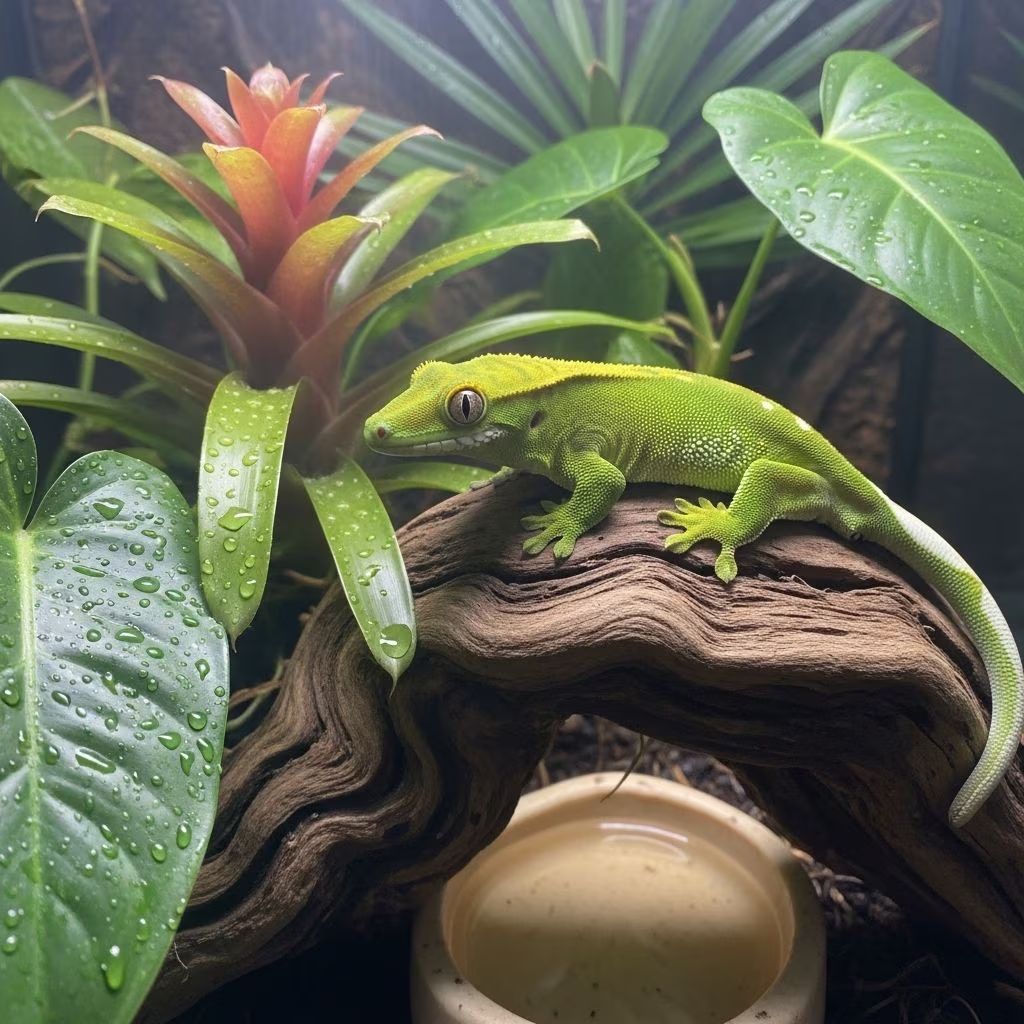
Lizards as Pets: A Comprehensive Care Guide
Lizards make wonderful companions for pet owners of all experience levels. These fascinating reptiles offer unique personalities and can thrive in captivity when provided with proper care. Whether you’re considering your first lizard or expanding your existing collection, understanding the fundamentals of lizard husbandry is essential for ensuring your scaly friend lives a long, healthy, and happy life. This guide covers everything you need to know about keeping lizards as pets, from selecting the right species to maintaining their habitat and addressing their specific health needs.
Choosing the Right Lizard Species
Before bringing home a lizard, it’s important to research different species and their specific requirements. Common pet lizards include Bearded Dragons, Leopard Geckos, Anoles, and Green Iguanas, each with distinct care needs and temperaments. Some species are more suitable for beginners than others, with Leopard Geckos and Bearded Dragons being particularly popular choices for first-time reptile owners. Consider factors such as adult size, lifespan, dietary needs, and space requirements when selecting your pet. Lifespan varies significantly among species, with Green Anoles and Long-tailed Lizards averaging around 5 years, while Leopard Geckos may live up to 14 years or longer with proper care.
Setting Up the Ideal Habitat
Creating an appropriate living environment is fundamental to your lizard’s well-being. The terrarium serves as your pet’s entire world, and it must be thoughtfully designed to meet their physical and psychological needs.
Terrarium Size and Setup
The size of your terrarium depends on your specific lizard species, with larger species requiring more spacious accommodations. Your enclosure should include essential components such as substrate, hiding areas, basking spots, and climbing structures. The terrarium must be escape-proof and well-ventilated to prevent respiratory issues.
Substrate and Flooring Materials
Choosing the right substrate is crucial for both aesthetics and functionality. Reptile carpet, paper, and paper towels are clean options that require frequent replacement—sometimes weekly or at least once per month, depending on your species and how quickly the substrate becomes soiled. If you use natural substrates like shredded bark or sand, you can perform spot cleanings to remove soiled areas, though the material should be replaced entirely every three to six months or more frequently if it appears damp or shows signs of mold growth. Cork bark, logs, grapevine branches, driftwood, decorative rocks, and artificial plants enhance the habitat while providing enrichment and hiding spaces.
Essential Habitat Components
Your lizard’s terrarium should include the following elements:
– Terrarium or vivarium- Appropriate bedding or substrate- Hiding or burrowing areas- Heat lamps for warmth- Designated basking spots- UVB lighting- Water feature or dish- Thermometer for temperature monitoring- Humidity gauge- Fresh water supply- Species-appropriate food- Calcium and vitamin supplements
Temperature and Lighting Requirements
Maintaining proper temperature and light cycles is absolutely critical for your lizard’s health. Lizards require 24-hour warmth and need a temperature gradient throughout their enclosure, allowing them to thermoregulate by moving between warmer and cooler areas.
Basking Areas
Basking spots should be warmer than the rest of the terrarium and maintained at the temperature recommended for your specific lizard species. Additional heat lamps create these essential warm zones where lizards absorb warmth to regulate their body temperature. However, avoid using heat rocks, as they can cause serious burns and should never be used for any species. Instead, use incandescent reptile bulbs or under-aquarium heat pads with proper thermometer monitoring.
Light Cycles
Use a timer to establish proper day and night light cycles, or turn lights off at night. UVB lighting is essential for many species, particularly those requiring vitamin D3 synthesis for calcium absorption. Consult your veterinarian or species-specific care sheets to determine the exact lighting requirements for your lizard.
Humidity and Water Requirements
Water and humidity management varies significantly depending on whether you keep desert or tropical species. While all lizards require fresh water daily, the delivery method depends on your specific species.
Water Provision Methods
Lizards can receive water through three primary methods: a heavy, shallow water dish suitable for drinking, misting the environment to create water droplets on leaves and branches that can be lapped up, or specialized reptile drip systems. Some lizards prefer bathing in warm water, while others benefit from gentle spraying with clean, warm water daily if appropriate for their species. Take care not to overdo humidity, as excessive moisture can cause skin problems.
Humidity Management
Many reptiles enjoy regular bathing and misting, which provides hydration and enrichment. However, it’s important to balance humidity levels appropriately for your species, as high humidity can lead to skin infections and other health complications.
Feeding Your Lizard
A nutritionally balanced diet is fundamental to your lizard’s health and longevity. Dietary requirements vary significantly based on species, with some being primarily insectivorous, others herbivorous, and still others omnivorous.
Insectivorous Lizards
Lizards that primarily eat insects should be provided with live crickets, dubia roaches, hornworms, mealworms, superworms, and waxworms. For juvenile lizards and smaller species such as Anoles, provide crickets that are no wider than your pet’s head to ensure safe consumption and prevent choking hazards.
Herbivorous Lizards
Herbivorous species require a varied diet of calcium-rich greens, vegetables, and fruits. Suitable options include dandelion greens, romaine lettuce, watercress, green beans, bok choy, shredded carrots, papaya, cactus fruit, and berries. Providing variety ensures a comprehensive nutritional profile and prevents dietary boredom.
Omnivorous Species
Omnivorous lizards need a balanced combination of both plant and animal matter. Larger omnivorous species can be offered pre-killed feeder mice, feeder goldfish, chopped beef heart, or raw egg as protein sources alongside appropriate vegetation.
Supplementation
Insects should be dusted with calcium and vitamin D3 powder two to three times weekly for adult lizards to provide essential nutrients. Juvenile lizards require more frequent supplementation, with dusted insects provided four to five times weekly. Additionally, juveniles should receive a weekly multivitamin supplement, while adult lizards typically require multivitamin supplements only twice monthly. Proper supplementation prevents metabolic bone disease and other nutritional deficiencies.
Cleaning and Maintenance
Maintaining a clean habitat is crucial for preventing disease and ensuring your lizard’s well-being. A consistent cleaning schedule prevents the buildup of waste and maintains optimal environmental conditions.
Daily Cleaning
Spot clean the enclosure daily by removing droppings and wiping down any visible messes. This routine maintenance prevents waste accumulation and keeps your pet’s living space hygienic. Remove any uneaten food promptly to prevent spoilage and bacterial growth.
Weekly Cleaning
Perform more thorough cleaning at least once weekly. This includes thoroughly cleaning branches and rocks, turning the substrate, removing large clumps of soiled material, and wiping down glass surfaces. For terrariums with materials like reptile carpet or paper, replace the substrate entirely. Move any decorations out of the habitat and disinfect them thoroughly, then wash feeding dishes.
Substrate Replacement
Materials like reptile carpet and paper must be removed or replaced more frequently—sometimes weekly or at least once monthly, depending on how quickly your species soils the substrate. For natural substrates, complete replacement should occur every three to six months or more often if the material appears damp or develops mold.
Cleaning Products
Many reptiles are sensitive to chemical cleaners, so spray-type cleaners should not be used around your animal. If any cleaners are used, the cage, substrate, and all accessories must be rinsed thoroughly with water to prevent exposing your pet to toxic residue.
Handling and Socialization
While lizards are generally more attentive and interactive than other reptiles, proper handling techniques are essential for both your safety and your pet’s well-being.
Proper Handling Techniques
Always pick up lizards gently and support their entire body weight. Never grab a lizard by a leg or the tail, as this can result in serious injury and tail loss. Before handling, ensure you understand your lizard’s behavior and temperament, as some species are more aggressive than others. Wearing gloves is recommended, especially for species that bite frequently.
Handling Best Practices
Never attempt to handle your lizard around feeding time, as they may mistake your hands or fingers for food and accidentally bite you. If your lizard appears stressed, sick, or injured, avoid handling and instead seek veterinary care. Always wash your hands before and after handling your lizard with antibacterial soap to prevent the spread of harmful bacteria such as salmonella and E. coli.
Environmental Enrichment
Provide stimulating environmental enrichment through toys, social interaction, and foraging opportunities. This mental stimulation contributes to your lizard’s overall well-being and prevents behavioral problems associated with boredom.
Health Care and Veterinary Attention
Regular veterinary care is essential for maintaining your lizard’s health and preventing common diseases. Establishing a relationship with a qualified reptile veterinarian ensures your pet receives appropriate care throughout its life.
Veterinary Visits
Take your reptile to your veterinarian immediately after purchase for an initial health assessment, then maintain annual examination appointments. Regular checkups help prevent common diseases and allow your veterinarian to ensure all aspects of your husbandry are optimal, including terrarium setup, heat, lighting, humidity, UV exposure, diet, and weight management.
Signs of Illness
Any abnormalities in your lizard’s behavior, appearance, or bodily functions should be promptly addressed by a qualified reptile veterinarian. Common health concerns include metabolic bone disease, respiratory infections, and parasites. Regular observation and interaction with your lizard help you identify potential problems early.
Disease Prevention
Maintain good hygiene and proper care practices to prevent illness in your pets and reduce the chance of disease transmission to humans. Proper diet, temperature, and humidity management, combined with regular cleaning and safe handling, form the foundation of preventive health care.
Shedding and Skin Care
Lizards regularly shed their skin to grow. During shedding periods, ensure old skin is promptly removed from the vivarium. Inspect your lizard’s feet closely for any bits of old skin that may not have fallen off naturally and gently remove them. Improper shedding can lead to complications, so monitoring this process is important for your pet’s health.
Common Mistakes to Avoid
Inexperienced lizard keepers often make preventable errors that compromise their pets’ health. Avoid putting off water bowl cleaning, failing to remove uneaten food from the tank, and forgetting to maintain proper light cycles. Your lizard will be happiest and healthiest when you pay attention to all the details of its care and maintain consistent husbandry practices.
Frequently Asked Questions
Q: How long do pet lizards typically live?
A: Lifespan varies by species. Green Anoles and Long-tailed Lizards average about 5 years, while Leopard Geckos can live 14 years or longer with proper care. Research your specific species for accurate lifespan expectations.
Q: What size terrarium do I need for my lizard?
A: Terrarium size depends on your specific lizard species. Larger species require more spacious accommodations. Consult species-specific care sheets or your veterinarian for exact size recommendations.
Q: Can I handle my lizard daily?
A: While many lizards can tolerate regular handling, some species prefer minimal interaction. Understand your individual lizard’s temperament and avoid handling if your pet appears stressed, sick, or injured.
Q: What should I do if my lizard loses its tail?
A: If your lizard loses its tail, consult a veterinarian immediately. The tail will eventually regrow, but infection must be prevented. Avoid handling by the tail and use proper support techniques to prevent this injury.
Q: How often should I clean my lizard’s terrarium?
A: Perform daily spot cleaning by removing droppings and uneaten food. Complete weekly cleaning includes replacing substrate, disinfecting decorations, and washing dishes. Substrate replacement frequency depends on the type used.
Q: Can lizards carry diseases that affect humans?
A: Yes, lizards can carry bacteria such as salmonella and E. coli on their skin. Always wash your hands before and after handling your lizard, use gloves during cage cleaning, and maintain proper hygiene to prevent bacterial transmission.
Q: What UVB lighting does my lizard need?
A: UVB lighting requirements vary by species. Some species require it for vitamin D3 synthesis and calcium absorption, while others may have different needs. Consult your veterinarian or species-specific care guides for exact lighting specifications.
Q: Is it safe to use heat rocks in my lizard’s enclosure?
A: No, heat rocks should never be used for any lizard species as they can cause severe burns. Instead, use incandescent reptile bulbs or under-aquarium heat pads with proper thermometer monitoring to maintain appropriate temperatures.
References
- Caring for Your Lizard — Pet Advocacy Network. 2022. https://petadvocacy.org/wp-content/uploads/2022/01/Lizard-Care-Sheet.pdf
- How To Take Care of a Lizard — Chewy. 2024. https://www.chewy.com/education/reptile-and-amphibian/gecko/how-to-take-care-of-a-lizard
- How Should I Care for My Reptile? — RSPCA Knowledgebase. 2024. https://kb.rspca.org.au/knowledge-base/how-should-i-care-for-my-reptile/
- Guide to Reptile Care — Brookhaven Animal Hospital. 2022. https://www.brookhavenanimalhosp.com/site/blog/2022/12/06/guide-to-reptile-care
- Detailed Guide to Pet Lizards — Long Island Avian & Exotic Vet Clinic. 2018. https://www.birdexoticsvet.com/post/2018/07/17/your-pet-lizard-a-detailed-guide
- How do I Care for My Lizard? — PetMD. 2024. https://www.petmd.com/reptile/care/evr_rp_how-do-I-care-for-my-lizard



