Lizard Nutrition Guide: Species-Specific Feeding Tips
Master the art of feeding lizards with expert tips on diets for every species, from insects to greens, ensuring vibrant health and longevity.
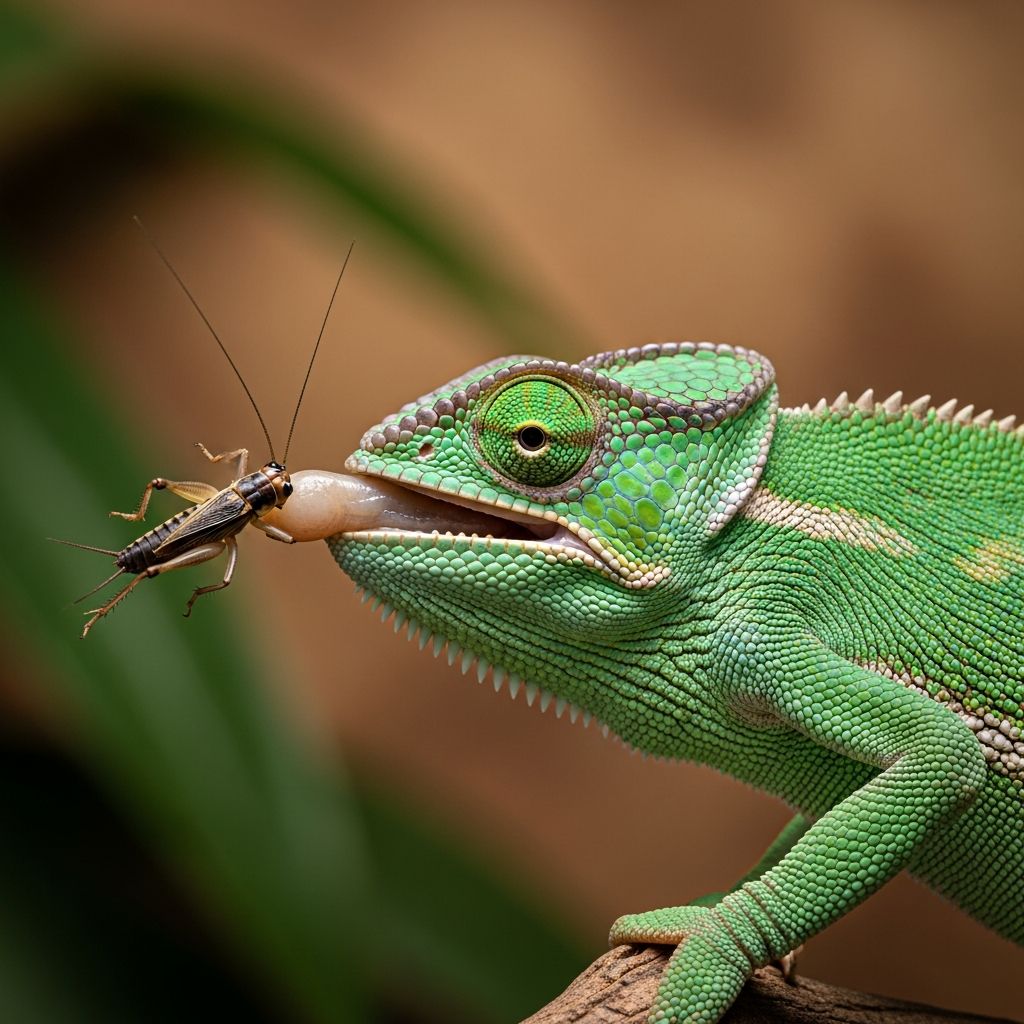
Proper nutrition forms the cornerstone of lizard health, directly influencing growth, reproduction, and disease resistance. Lizards exhibit diverse dietary preferences based on their species, age, and natural habitat, ranging from strict insect consumption to plant-heavy regimens. This guide explores these needs, offering practical advice for pet owners to replicate wild conditions safely in captivity.
Understanding Lizard Dietary Classifications
Lizards are broadly categorized into four dietary groups: insectivores, carnivores, herbivores, and omnivores. Each group demands specific food types to meet nutritional profiles, preventing issues like metabolic bone disease or obesity.
- Insectivores: Rely solely on insects, thriving on high-protein, gut-loaded prey.
- Carnivores: Consume larger animal prey, including rodents and fish, for complete nutrient intake.
- Herbivores: Depend on vegetation, requiring fiber-rich greens and limited fruits.
- Omnivores: Balance insects, plants, and occasional fruits, with ratios shifting by life stage.
Feeding Strategies for Insectivorous Lizards
Insectivores like leopard geckos and anoles require a steady supply of live insects to mimic hunting behaviors. Prey must be gut-loaded—fed nutrient-dense foods 24-48 hours prior—for optimal vitamin transfer.
Recommended insects include crickets, dubia roaches, mealworms, and silkworms. Avoid superworms as staples due to high fat content; reserve waxworms for treats. Dust insects with calcium powder daily and a multivitamin with vitamin D3 weekly to counter phosphorus imbalances.
| Life Stage | Feeding Frequency | Prey Size |
|---|---|---|
| Juveniles | Daily | Width ≤ head width |
| Adults | Every 2-3 days | Varied, gut-loaded |
Portion control prevents overfeeding; offer enough insects for consumption within 15-20 minutes. Phoenix worms provide a calcium-rich alternative without dusting.
Carnivorous Lizard Diets: Powering Predators
Carnivores such as monitor lizards demand whole prey to access nutrients in bones, organs, and skin. Whole fish, rodents, and chicks supply essential fatty acids and minerals absent in fillets.
Pre-kill rodents to avoid injury risks, thawing frozen prey completely. Feed juveniles every few days, adults weekly, adjusting for activity levels. Nile monitors excel on mice, rats, and quail eggs, monitoring body condition for leanness. Variety prevents nutritional gaps; rotate fish, chicks, and snails.
Herbivorous Lizards: Plant-Powered Nutrition
Herbivores like iguanas and uromastyx flourish on leafy greens, vegetables, and sparse fruits. Prioritize dark greens such as collards, dandelions, mustard greens, and squash for calcium and fiber[10]. Limit fruits to 5-10% to avoid sugar overload and diarrhea.
Commercial herbivore pellets can comprise 25-50% of the diet, supplemented with fresh produce. Feed 1-4% of body weight daily on a dry-matter basis. Avoid high-oxalate foods like spinach and iceberg lettuce, which bind calcium.
- Daily staples: Kale, turnip greens, carrots.
- Occasional: Berries, bell peppers for vitamin C.
- Forage safely: Pesticide-free weeds like chickweed.
Omnivorous Lizards: Balancing Act for Growth
Omnivores like bearded dragons and blue-tongued skinks shift diets with age. Juveniles need 70-80% insects for rapid growth, transitioning to 50:50 or 70% plants in adults.
Combine gut-loaded insects (dubia roaches, hornworms) with salads of collards, squash, and carrots. Dust all items with calcium; add D3-spiked vitamins weekly. Feed juveniles daily, adults 2-3 times weekly.
Supplementation Essentials
Most lizards benefit from calcium supplementation to maintain a 2:1 calcium-to-phosphorus ratio, preventing metabolic bone disease. Powder calcium without D3 daily for herbivores/omnivores; with D3 weekly for others under UVB lighting. Multivitamins prevent deficiencies in A, E, and B vitamins. Consult vets for species-specific protocols.
Hydration and Water Provision
Lizards rarely drink from bowls, preferring droplets from misting or food moisture. Insectivores lick condensation; herbivores absorb via juicy greens. Provide shallow dishes, mist enclosures 1-2 times daily, and ensure 50-70% humidity for tropical species.
Species-Specific Feeding Protocols
Leopard Gecko
Insect-only diet: Crickets, mealworms dusted with calcium/D3. Juveniles daily; adults 2-3x weekly.
Bearded Dragon
Juveniles: 80% insects, 20% greens. Adults: Reverse ratio with salads and roaches.
Green Iguana
95% greens/veggies: Collards, dandelions, squash. No animal protein post-weaning[10].
Savannah Monitor
Whole prey: Rodents, fish, eggs weekly. Monitor weight to avoid obesity.
Recognizing and Correcting Nutritional Issues
Watch for lethargy, weight loss, soft jaws, or stuck sheds signaling deficiencies. Overfeeding carnivores leads to fatty liver; excess fruit causes renal strain in herbivores. Regular weigh-ins and vet check-ups guide adjustments.
Seasonal and Environmental Adjustments
In cooler months, reduce feeding frequency as metabolism slows. UVB lighting (10-12 hours daily) aids vitamin D synthesis, crucial for calcium uptake. Quarantine new prey to prevent parasites.
FAQs
Can lizards eat fruit every day?
No, limit to 5-10% for herbivores/omnivores to prevent digestive upset.
How often should I supplement calcium?
Daily without D3; weekly with D3, per species and UVB setup.
What if my lizard refuses food?
Check temperature (85-95°F basking), stress, or health issues; consult a vet.
Are live insects necessary?
Preferred for stimulation, but thawed whole prey works for carnivores.
Can I feed wild-caught insects?
Avoid due to pesticides/parasites; use captive-bred.
References
- Nutrition in Reptiles — Merck Veterinary Manual. 2023. https://www.merckvetmanual.com/management-and-nutrition/nutrition-exotic-and-zoo-animals/nutrition-in-reptiles
- Vet Guide 2025: What Do Lizards Eat? — Ask A Vet (Dr. Duncan Houston, BVSc). 2025. https://askavet.com/blogs/news/vet-guide-2025-what-do-lizards-eat-nutrition-diet-tips-by-dr-duncan-houston-vet-2025
- What Do Lizards Eat? A Guide to Feeding Your Pet Lizard — Chewy (Dr. Varble). 2024. https://www.chewy.com/education/reptile-and-amphibian/gecko/what-do-lizards-eat
- Bearded Dragons: Feeding — VCA Animal Hospitals. 2024. https://vcahospitals.com/know-your-pet/bearded-dragons-feeding
- Nutrition for Herbivorous Reptiles — UC Davis Veterinary Medicine. 2023. https://healthtopics.vetmed.ucdavis.edu/health-topics/exotics/healthy-shopping-guide-herbivorous-reptiles
Similar Articles








Read full bio of Sneha Tete