

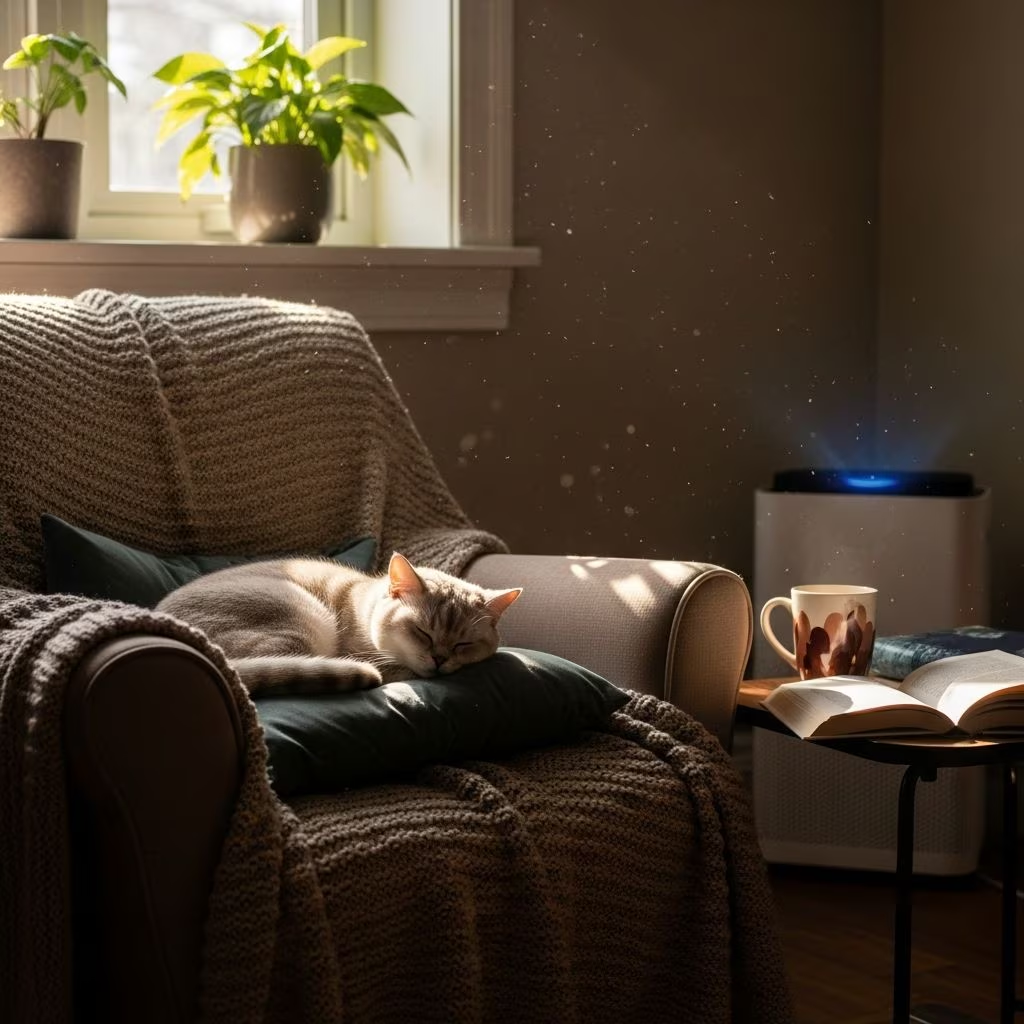
The decision to own a cat while managing asthma requires careful consideration and planning. For many people with asthma, the companionship and emotional benefits of cat ownership outweigh the challenges, but success depends on understanding potential triggers and implementing effective management strategies. This guide explores the relationship between cat ownership and asthma, examining both the risks and the practical solutions available to create a healthy living environment.
Understanding the Connection Between Cats and Asthma
Cats produce several substances that can trigger asthma symptoms in susceptible individuals. The primary culprits include cat dander (dead skin cells), proteins found in cat urine and saliva, and allergens that accumulate on a cat’s fur and in the home environment. These allergens can become airborne, settle on surfaces, and trigger respiratory inflammation in people with asthma.
The relationship between cat ownership and asthma risk is complex and somewhat contradictory in medical research. Some studies demonstrate that cat ownership is associated with increased asthma prevalence in adults, while other research, particularly from Japan, suggests that early childhood exposure to cats may provide a protective effect against asthma development. This variation in findings may relate to differences in living environments, allergen exposure levels, and genetic susceptibility among study populations.
Research indicates that individuals exposed to cats face increased risk of confirmed asthma compared to those without cat exposure, though this association may be influenced by underlying allergic conditions. The key factor is understanding your personal sensitivity level and taking appropriate precautions.
Assessing Your Personal Risk Factors
Not everyone with asthma will experience problems with cat ownership. Several factors determine whether having a cat will exacerbate your condition:
- Allergic sensitivity: People with confirmed allergies to cats are at higher risk of asthma complications than those without specific cat allergies.
- Asthma severity: Individuals with well-controlled mild asthma may tolerate cat ownership better than those with severe or poorly controlled asthma.
- Environmental factors: Your home’s ventilation system, humidity levels, and cleaning practices significantly influence allergen accumulation.
- Genetic predisposition: Underlying atopy (genetic tendency toward allergic reactions) may influence your response to cat allergens.
- Duration and intensity of exposure: Living full-time with a cat differs substantially from occasional contact with cats.
Before committing to cat ownership, discuss your specific situation with your allergist or pulmonologist. They can conduct allergy testing to determine if you have specific sensitivities to cat allergens and help you assess whether ownership is advisable.
Environmental Controls and Home Modifications
Creating an asthma-friendly environment requires proactive management of indoor air quality and allergen levels. Several strategies can minimize cat-related triggers:
Air Quality Management
Installing a high-efficiency particulate air (HEPA) filter can significantly reduce airborne allergens. HEPA filters capture 99.97% of particles 0.3 micrometers or larger, effectively removing cat dander and other respiratory irritants from your home’s air. Consider placing HEPA filters in:
- Your bedroom (your primary sleeping area should have the lowest allergen concentration)
- Your living spaces where you spend the most time
- Your home’s central HVAC system, if feasible
Maintaining proper humidity levels between 30-50% can help control dust mites and mold, which often coexist with cat allergens. A humidifier or dehumidifier, depending on your climate, helps maintain this balance.
Cleaning Protocols
Developing consistent cleaning routines reduces allergen accumulation:
- Vacuuming: Use a vacuum with a HEPA filter at least twice weekly, preferably while wearing an N95 mask. Regular vacuuming removes settled dander and allergens from carpets and upholstered furniture.
- Dusting: Dust surfaces with damp cloths rather than dry methods, which disturb allergens into the air.
- Washing bedding: Launder all bedding weekly in hot water to eliminate accumulated allergens.
- Furniture treatment: Consider using allergen-reducing sprays on upholstered furniture, or replace fabric furniture with leather or vinyl alternatives that are easier to clean.
Creating Cat-Free Zones
Establish designated areas where your cat cannot access, particularly your bedroom. This sanctuary space provides a low-allergen environment where you can sleep and rest without continuous exposure. Close bedroom doors to prevent cat entry, and use door sweeps to minimize allergen drift.
Managing Litter Box Allergen Exposure
Cat litter boxes are significant allergen sources. Implement these practices to minimize exposure:
- Strategic placement: Position the litter box in a well-ventilated area away from your main living spaces and bedroom.
- Daily cleaning: Remove soiled litter daily to reduce airborne particles and odors that can trigger respiratory symptoms.
- Litter selection: Choose low-dust or dust-free litter formulas. Clumping litters designed for minimal dust raise fewer particles during cleaning.
- Protective equipment: Wear an N95 mask and gloves when changing litter to prevent direct inhalation of allergens.
- Covered boxes: Consider using covered litter boxes that contain particulates, though ensure adequate ventilation for your cat’s comfort.
Medical Management and Consultation
Successful cat ownership with asthma requires coordinated medical care. Discuss your plans with your healthcare provider:
Your doctor may recommend adjusting your asthma medications to provide enhanced protection during cat exposure. This might include increasing inhaled corticosteroid doses or adding long-acting bronchodilators to your regimen. Never modify medications without medical guidance.
Allergy medications, including antihistamines and nasal decongestants, can help manage symptoms triggered by cat exposure. Some people benefit from prescription antihistamines or leukotriene inhibitors that provide broader symptom control.
Immunotherapy (allergy shots or sublingual tablets) may be beneficial for people with confirmed cat allergies. This treatment gradually desensitizes your immune system to cat allergens, potentially reducing symptom severity over time.
Practical Strategies for Daily Living
Beyond environmental modifications, several behavioral practices minimize asthma exacerbations:
- Personal hygiene: Wash your hands immediately after petting your cat to remove allergens before touching your face or mouth.
- Clothing management: Change clothes after extended contact with your cat to avoid carrying allergens to bed or other sensitive areas.
- Grooming frequency: Regular professional grooming reduces loose dander and allergen shedding. Coordinate with a groomer who can bathe your cat weekly or biweekly.
- Medication accessibility: Always keep your rescue inhaler nearby in case of unexpected asthma symptoms.
- Monitoring symptoms: Track asthma patterns to identify if cat exposure correlates with increased symptoms. This data helps your doctor adjust your management plan.
Considering Hypoallergenic Cat Breeds
Some cat breeds produce lower levels of the Fel d 1 protein (the primary cat allergen) or shed less frequently. Breeds often considered more suitable for allergy sufferers include:
- Siberian cats, which produce lower allergen levels despite their long coats
- Sphynx cats (hairless), which shed minimally
- Russian Blue cats, known for lower shedding
- Devon Rex and Cornish Rex cats with distinctive coat types
While no cat breed is completely hypoallergenic, these varieties may present fewer challenges for asthma-sensitive individuals. However, individual reactions vary, and spending time with the specific cat breed before adoption is recommended.
When Cat Ownership May Not Be Advisable
Despite best efforts, some individuals should reconsider cat ownership:
- Severe, poorly controlled asthma: If your asthma requires frequent emergency visits or hospitalization, additional triggers may be dangerous.
- Confirmed severe cat allergies: People with severe allergic reactions to cats face significant health risks from ownership.
- Multiple respiratory conditions: Conditions like COPD combined with asthma may make cat exposure inadvisable.
- Young children with asthma: Parents should consult pediatricians before introducing cats to households with children with asthma.
These individuals might explore alternative pet options, such as fish, reptiles, or short-haired dog breeds, that produce fewer respiratory irritants.
Frequently Asked Questions
Can I live with a cat if I have asthma?
Many people with asthma successfully own cats by implementing environmental controls and medical management. Success depends on your individual sensitivity, asthma severity, and commitment to allergen reduction strategies.
Which cat characteristics make them safer for asthmatic owners?
Cats with shorter coats, lower shedding rates, and breeds producing lower allergen levels are generally easier to tolerate. However, individual reactions vary, so personal testing is important.
How can I reduce cat allergens in my home?
Use HEPA filters, vacuum regularly with HEPA-filter vacuums, wash bedding frequently, maintain proper humidity, keep cats out of bedrooms, and groom your cat regularly.
Should I keep my cat out of my bedroom?
Yes, creating a cat-free bedroom provides a low-allergen sleeping environment, which is particularly important since you spend many hours there. This reduces nighttime asthma symptoms and improves sleep quality.
Will my asthma get worse if I get a cat?
Some people experience worsening asthma with cat ownership, while others notice minimal impact. Individual responses vary based on allergic sensitivity and environmental management effectiveness.
Moving Forward with Confidence
Cat ownership while managing asthma is possible with proper planning and medical support. Start by consulting your allergist or pulmonologist, who can assess your specific risk factors and recommend tailored management strategies. Consider spending time with cats before commitment to evaluate your personal tolerance level.
If you proceed with ownership, implement environmental controls systematically, maintain consistent cleaning routines, and monitor your asthma patterns closely. Be prepared to adjust your approach based on your actual experience living with a cat. Many people with asthma discover that careful management allows them to enjoy the emotional and social benefits of cat companionship without compromising their respiratory health.
Your healthcare team remains your best resource throughout this journey. Regular communication about your asthma control helps ensure that any adjustments to your management plan support both your respiratory health and your quality of life as a cat owner.
References
- Cat ownership is associated with increased asthma prevalence — National Center for Biotechnology Information (NCBI/PMC). 2018. https://pmc.ncbi.nlm.nih.gov/articles/PMC6207287/
- Exposure to dogs and cats and risk of asthma: A retrospective study — PLOS ONE. 2023. https://journals.plos.org/plosone/article?id=10.1371%2Fjournal.pone.0282184
- The relationship of domestic pet ownership with the risk of childhood asthma — Frontiers in Pediatrics. 2022. https://www.frontiersin.org/journals/pediatrics/articles/10.3389/fped.2022.953330/full
- Pets and asthma — Asthma + Lung UK. Accessed 2026. https://www.asthmaandlung.org.uk/conditions/asthma/asthma-triggers/pets-asthma
- Cats and Asthma: What’s the Connection? — Healthline. https://www.healthline.com/health/asthma/cats-and-asthma
- Feline Asthma: A Risky Business for Many Cats — Cornell Feline Health Center. https://www.vet.cornell.edu/departments-centers-and-institutes/cornell-feline-health-center/health-information/feline-health-topics/feline-asthma-risky-business-many-cats



