Urban Coyotes: Proven Strategies For Safe Coexistence
Practical strategies for coexisting with coyotes in residential and urban environments
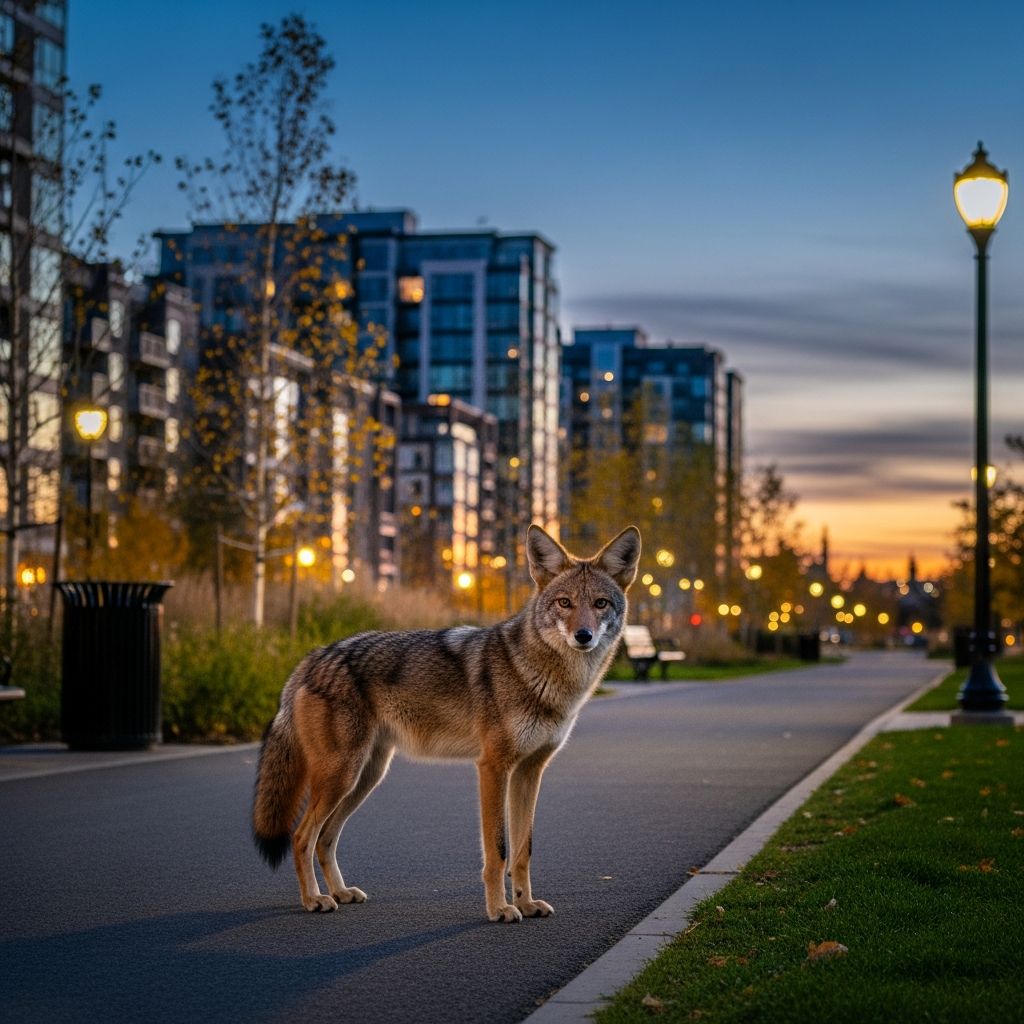
Living Safely With Urban Coyotes: A Comprehensive Guide to Coexistence
Coyotes have become increasingly visible in North American communities, transforming from creatures associated exclusively with remote wilderness into neighbors of suburban and urban residents. This expansion represents one of the most significant range increases of any carnivore species, growing approximately 40% beyond their historic distribution. Rather than viewing this presence as inherently dangerous or problematic, communities can adopt practical strategies that promote peaceful coexistence while protecting both human interests and wildlife populations. Understanding coyote behavior, recognizing attractants in residential areas, and implementing straightforward preventive measures enables households to reduce conflicts effectively.
Understanding Coyote Ecology and Behavior
Coyotes are remarkably adaptable animals capable of thriving in environments ranging from forests and grasslands to deserts, tundra, and intensely developed urban areas. This adaptability stems from their flexibility in breeding patterns, dietary preferences, and social organization. Unlike wolves, which form rigid pack hierarchies, coyotes exhibit more fluid social structures, typically living in family units and hunting individually or in pairs depending on prey availability. Most coyote activity occurs during nocturnal hours, though they may be active during dawn and dusk, particularly in areas with high human presence.
Territorial behavior defines coyote social dynamics. Individual feeding territories vary significantly in size, ranging from 0.4 to 62 square kilometers (0.15 to 24 square miles), with density influenced by food availability, denning sites, and competition with other predators. Coyotes mark territory boundaries through urine scent marking and, more intensely, through scat deposits in core areas they actively defend. Transient coyotes without established territories maintain considerably larger home ranges, often positioning themselves in spaces between resident pack territories to minimize dangerous encounters.
Why Coyotes Inhabit Urban and Suburban Spaces
The expansion of coyotes into developed human environments results from multiple interconnected factors rather than a single cause. Habitat alteration through urbanization and deforestation eliminated forests that once supported natural predators such as wolves and cougars, reducing interspecies competition. Simultaneously, human developments inadvertently create attractive environments for coyotes through reliable food sources, adequate shelter opportunities, and reduced predation risk compared to natural settings.
Urban and suburban landscapes offer coyotes consistent nutrition unavailable in many natural ecosystems. Garbage containers, pet food left outdoors, fallen fruit from landscaping plants, and unsecured compost systems provide concentrated food resources requiring minimal energy expenditure for acquisition. Additionally, pet populations—particularly small cats and dogs allowed to roam unsupervised—represent accessible prey. Coyotes demonstrate remarkable dietary flexibility, shifting from their traditional diet of small mammals, insects, and vegetation to include opportunistic consumption of anthropogenic food sources.
Securing Food Sources and Eliminating Attractants
The most effective approach to minimizing coyote-human conflicts involves eliminating the attractions that draw them to residential areas. Food management represents the cornerstone of prevention strategies:
- Garbage Management: Store trash containers in secure locations, ideally within garages or sheds until collection day. Use bear-resistant containers where available, or ensure lids remain tightly closed. Avoid leaving garbage outside overnight when possible.
- Pet Food: Never leave pet food bowls outdoors, particularly during evening hours. Feed pets indoors or remove bowls immediately after feeding periods. This practice simultaneously protects against conflicts with other wildlife and prevents unwanted animal visitation.
- Compost Piles: Avoid composting meat, bones, grease, or dairy products. Use enclosed compost bins rather than open piles. Hot composting methods that maintain high internal temperatures effectively break down organic material while discouraging scavenging.
- Landscaping Maintenance: Regularly harvest ripe and fallen fruits and berries from trees and shrubs. Consider removing fruit-bearing ornamental plants or installing protective fencing around productive specimens. Nuts and seeds from landscape plants similarly attract wildlife and should be periodically cleared.
- Wildlife Feeders: Remove or secure bird feeders during coyote activity periods. Bird seed attracts rodents, which in turn attract coyotes seeking prey. If maintaining feeders, position them away from dense vegetation and clear accumulated debris regularly.
Protecting Domestic Pets and Livestock
Household pets represent particularly vulnerable populations in coyote habitat. Small cats and dogs, especially those under 20 pounds, face genuine predation risk. Implementing comprehensive pet protection protocols significantly reduces incidents:
- Supervised Outdoor Time: Accompany pets during outdoor activities, particularly during low-light periods. Maintain visual contact and keep pets close, ready to retrieve quickly if coyotes approach.
- Fencing Requirements: Install fencing at least six feet high to prevent coyote entry. Extend fence bottoms 12 inches underground or outward along the ground surface to prevent digging. Regularly inspect fencing for gaps and damage.
- Designated Toilet Areas: Establish secure outdoor areas for pet elimination needs. Avoid allowing pets to roam yards unsupervised, as they may venture beyond property boundaries where coyote encounter risk increases.
- Identification and Microchipping: Ensure all pets wear current ID tags and microchip identification. These measures facilitate recovery if pets become lost or separated from owners.
- Livestock Protection: Confine chickens, rabbits, and other small livestock in secure enclosures, particularly overnight. Provide sturdy housing with predator-resistant construction and covered outdoor runs when animals require outdoor access.
Creating an Uninviting Environment
Beyond removing specific attractants, residents can implement landscape modifications that discourage coyote presence and movement through properties:
| Environmental Factor | Deterrent Strategy |
|---|---|
| Dense Vegetation | Trim shrubs and trees to maintain clear sight lines. Remove dead vegetation and thick undergrowth where coyotes may shelter. |
| Shelter Sites | Seal spaces under decks and sheds where coyotes may den or rest. Install exclusion material that prevents animal access. |
| Water Sources | Remove or restrict access to pools, ponds, and standing water bodies. Cover water features when not in active use. |
| Access Routes | Maintain fencing and gates in good repair. Eliminate gaps or openings that enable coyote passage between properties. |
Responding to Coyote Encounters
While properly implemented prevention strategies significantly reduce encounter frequency, residents should understand appropriate responses should direct contact occur. Coyotes typically avoid humans and demonstrate less aggression than other predators when confronted. Most coyotes will retreat when residents display assertive behavior:
- Maintain eye contact and appear larger by standing upright with arms extended
- Make loud noises by shouting, clapping, or using air horns
- Throw objects near (not at) the coyote to startle and discourage approach
- Back away slowly while maintaining the appearance of confidence
- Never run, as this may trigger predatory responses
Document and report any aggressive coyote behavior to local animal control or wildlife management authorities. Patterns of habituated or aggressive behavior may indicate intervention is necessary to prevent serious incidents.
Community-Level Management Approaches
Addressing coyote presence effectively often requires coordinated community efforts rather than isolated household actions. Neighborhoods that collectively implement prevention strategies experience fewer conflicts and reduced need for removal interventions. Community engagement initiatives might include:
- Neighborhood information sessions educating residents about prevention practices
- Community monitoring programs documenting coyote sightings and behavioral patterns
- Coordinated landscape modifications reducing attractants across multiple properties
- Liaison with local wildlife agencies to develop area-specific management plans
- Support for education programs in schools and community centers
When Professional Intervention Becomes Necessary
Most coyote populations coexist successfully with human communities when prevention strategies are consistently implemented. However, situations occasionally arise where professional wildlife management intervention becomes appropriate. Persistent aggressive behavior, repeated bold approaches to humans, or attacks on pets or livestock may warrant expert assessment and intervention. Licensed wildlife professionals can evaluate specific situations and recommend appropriate responses, which might range from intensive hazing to removal in cases where habituation patterns suggest ongoing risk.
Frequently Asked Questions
Are coyotes likely to attack humans?
Unprovoked attacks on humans remain extremely rare. Coyotes naturally fear humans and typically avoid direct contact. Most encounters resolve with coyote retreat when residents display assertive behavior.
Can coyotes jump residential fencing?
Coyotes can jump fencing up to approximately six feet, depending on approach angle and motivation. Six-foot fencing represents the practical minimum height for pet containment in coyote habitat.
What should residents do if they see a coyote?
Observe from a distance and allow the animal to move away. Avoid approaching or feeding. Report the sighting to local wildlife authorities if the animal displays unusual behavior or lacks appropriate fear of humans.
Are removal programs effective long-term solutions?
Removal of individual coyotes provides temporary relief but does not address underlying attractant conditions. Coyotes from surrounding territories typically recolonize vacant habitat within weeks to months, resuming conflicts if prevention measures remain inadequate.
How do residents know if coyotes are denning on their property?
Denning activity typically becomes apparent during spring and early summer. Signs include worn pathways, multiple entrance holes, scat deposits, and increased evening activity. Professional assessment can confirm denning and recommend appropriate action.
Looking Forward: Sustainable Coexistence
Coyote presence in developed communities reflects broader ecological shifts resulting from human land use patterns. Rather than pursuing perpetual removal campaigns, communities increasingly recognize that sustainable solutions involve adapting human behavior and environments to accommodate wildlife presence. Residents who implement comprehensive prevention strategies, maintain appropriate boundaries, and support community-level management initiatives can successfully coexist with coyotes while protecting pets, livestock, and local ecosystems.
The key to successful coexistence lies in recognizing coyotes as neither villains requiring eradication nor harmless wildlife worthy of indulgence, but rather intelligent predators requiring respectful distance and appropriate management. Through informed decision-making and proactive prevention, residential communities can maintain safety while preserving populations of these remarkable and ecologically valuable animals.
References
- Wolf Conservation Center — Wolf Conservation Center. “Eastern Coyote.” Accessed January 2026. https://nywolf.org/learn/eastern-coyote/
- Coyote Facts: Habitat, Diet, & Threats — International Fund for Animal Welfare (IFAW). https://www.ifaw.org/animals/coyotes
- Canis latrans (Coyote) — Animal Diversity Web, University of Michigan Museum of Zoology. https://animaldiversity.org/accounts/Canis_latrans/
- Coyotes 101 — CoyoteSmart. https://coyotesmarts.org/coyotes101/
- The Coyote (U.S. National Park Service) — U.S. National Park Service. https://www.nps.gov/articles/000/coyote-info.htm
- Coyote — Aquarium of the Pacific Online Learning Center. https://www.aquariumofpacific.org/onlinelearningcenter/species/coyote
Similar Articles








Read full bio of medha deb