

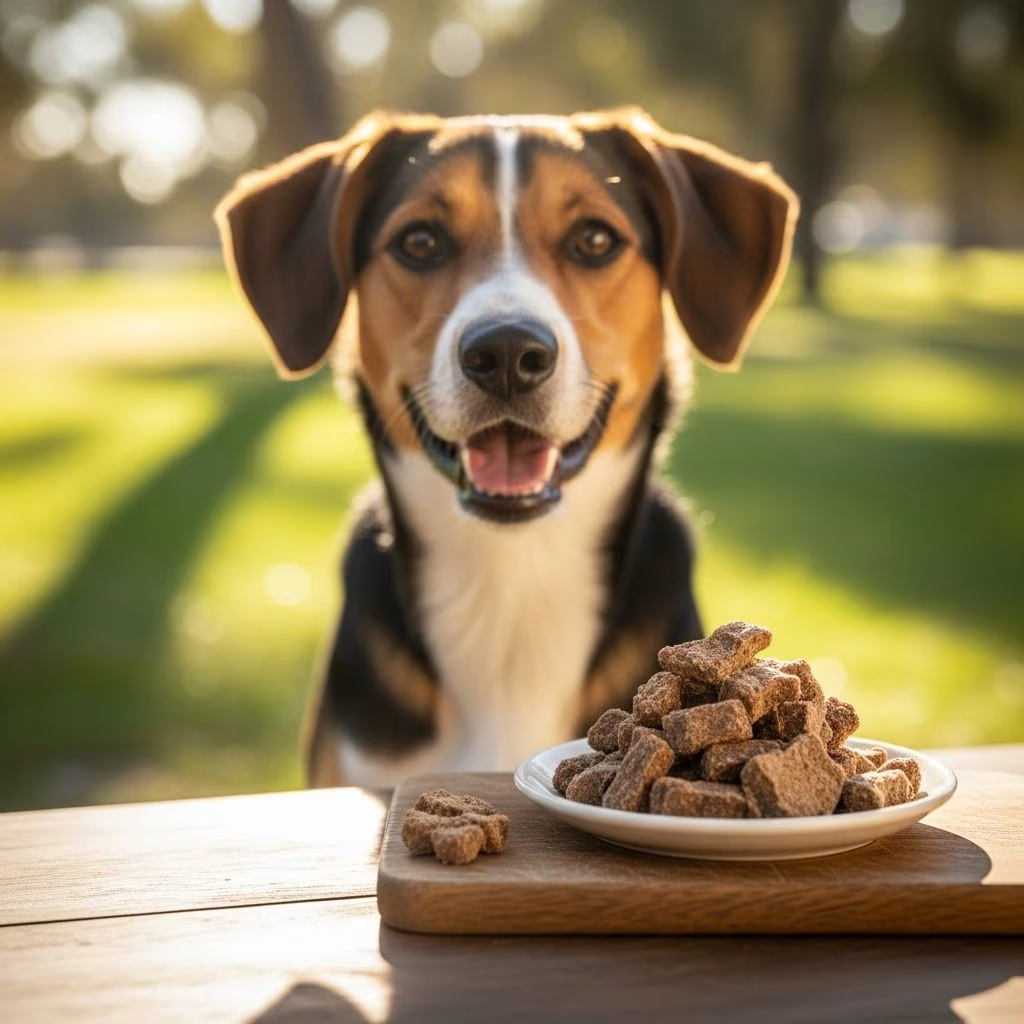
Liver treats provide dogs with a concentrated source of vital nutrients, supporting everything from energy levels to immune function, but they must be given in moderation to prevent health issues like vitamin A excess.
Why Liver Stands Out in Canine Diets
The liver, as an organ meat, is often called a superfood for dogs due to its dense nutritional profile. It contains high levels of **vitamin A**, essential for vision, skin health, and immune support, along with B vitamins like B6 and B12 that aid metabolism and red blood cell production. Minerals such as iron, zinc, and phosphorus further contribute to oxygen transport, wound healing, and bone strength.
Beyond basic nutrition, liver supports detoxification processes in a dog’s body, helping neutralize environmental toxins and aiding in amino acid production for muscle repair. Many pet owners report improved coat shine and vitality when incorporating small amounts into meals.
Health Advantages of Offering Liver to Your Dog
- Boosted Vision and Eye Health: Vitamin A from liver helps maintain sharp eyesight and prevents night blindness in dogs.
- Enhanced Skin and Coat: Zinc and fatty acids promote glossy fur and reduce dryness or itching.
- Stronger Immunity: Antioxidants and vitamins fortify defenses against infections.
- Better Energy and Digestion: B vitamins and iron combat fatigue, while liver’s enzymes support gut health.
These perks make liver an ideal occasional treat, especially for active or senior dogs needing nutrient boosts without extra calories.
Understanding the Risks Involved
Despite its benefits, liver’s high **vitamin A** content poses risks if overfed. This fat-soluble vitamin accumulates in the liver, potentially causing hypervitaminosis A, with symptoms like lethargy, bone deformities, digestive upset, and joint pain—particularly in puppies. Dehydrated or freeze-dried versions concentrate nutrients further, amplifying this danger.
Other concerns include toxin buildup, as the liver filters heavy metals, antibiotics, and chemicals from the animal’s body. Non-organic sources may carry residues of lead, copper, or PFAS, risky for dogs prone to copper storage issues. Allergies, though uncommon, can manifest as itching or vomiting. A veterinarian in one report linked excessive soft liver treats to elevated liver enzymes, urging immediate diet changes.
| Risk Factor | Symptoms | High-Risk Groups |
|---|---|---|
| Vitamin A Toxicity | Lethargy, bone issues, vomiting | Puppies, frequent treat feeders |
| Toxin Accumulation | Organ damage, unexplained illness | Dogs on non-organic liver |
| Copper Overload | Liver disease, jaundice | Breeds like Bedlington Terriers |
| Allergies | Itching, diarrhea | Dogs new to organ meats |
Recommended Portions for Different Dog Sizes
Safe feeding hinges on limiting liver to under 10% of daily calories, per AAFCO guidelines, with vitamin A caps at 100,000 IU per 1,000 calories. Adjust based on your dog’s weight, activity, and total diet.
| Dog Weight (lbs) | Daily Calories (approx.) | Max Weekly Liver (raw oz) | Max Weekly Liver (dehydrated oz) |
|---|---|---|---|
| 10 | 400 | 1-2 | 0.2-0.4 |
| 25 | 800 | 2-4 | 0.4-0.8 |
| 50 | 1,200 | 4-6 | 0.8-1.2 |
| 75+ | 1,800+ | 6-8 | 1.2-1.6 |
These are maximums; feed 2-3 times weekly at most, breaking treats into tiny pieces for training. Monitor weight and stool; reduce if issues arise.
How to Pick Quality Liver Treats
Opt for **organic, grass-fed** sources free of hormones and antibiotics to minimize contaminants. Freeze-dried options preserve nutrients without additives but check for single-ingredient purity. Avoid mass-produced treats with fillers. Homemade is best for control—source from trusted butchers.
Simple Recipes for Homemade Liver Delights
Basic Dehydrated Beef Liver Bites
- Slice 1 lb fresh beef liver thinly.
- Optional: Marinate in apple cider vinegar for 30 minutes to reduce strong odor.
- Dehydrate at 165°F for 6-8 hours until crisp.
- Store in airtight container; use within 2 weeks refrigerated.
Yield: 4-6 oz treats. Introduce gradually.
Baked Chicken Liver Training Nuggets
- Blend 1 lb chicken livers with 1 egg and parsley for flavor.
- Spread on parchment-lined sheet.
- Bake at 200°F for 4 hours.
- Cool and crumble into small pieces.
These are softer for picky eaters but still nutrient-rich.
Signs of Trouble and What to Do
Watch for **warning signs**: peeling skin, lameness, poor appetite, or yellowing eyes/gums. If suspected, halt liver immediately, perform a detox with vet-approved supplements like omega-3s, and test vitamin A levels via bloodwork. Switch to multivitamins for balanced nutrition without risks.
Alternatives When Liver Isn’t Ideal
- Fermented multivitamins for bioavailable nutrients minus toxins.
- Other organs like heart or kidney in rotation.
- Superfood blends with greens and minerals.
- Commercial treats mimicking liver benefits safely.
FAQs
Can all dogs eat liver treats?
Most healthy adults can, but avoid for puppies under 6 months, pregnant dogs, or those with liver/copper issues. Consult a vet.
How often should I give liver treats?
2-3 times per week maximum, as small portions. Daily risks overload.
Is freeze-dried liver safer than raw?
Freeze-dried reduces bacteria but concentrates vitamin A, so portions must be smaller.
What if my dog loves liver but shows symptoms?
Stop feeding, vet check for toxicity, and transition to alternatives.
Organic vs. conventional liver—which is better?
Organic minimizes toxins; always preferred for liver.
Expert Tips for Long-Term Success
Integrate liver thoughtfully: pair with veggies for balance, rotate proteins, and annual bloodwork catches issues early. Prioritize whole-food diets over treat-heavy ones for thriving pups.
References
- Are freeze dried liver treats bad for dogs? — Munchbird. 2023. https://www.munchbird.com/blogs/dog-treats/are-freeze-dried-liver-treats-bad-for-dogs
- Is Your Dog at Risk of Liver Treat Toxicity — Peter Dobias Natural Pet Health. 2023. https://peterdobias.com/blogs/blog/is-your-dog-at-risk-of-liver-treat-toxicity
- Is Liver Good for Dogs? How to Make Homemade Liver Treats — Cola’s Kitchen. 2023. https://colaskitchen.com/blog-posts/is-liver-good-for-dogs-how-to-make-homemade-liver-treats-for-your-pup
- Veterinarian Warns: Dog Treats Causing Liver Damage! — YouTube (Veterinary content). 2023. https://www.youtube.com/watch?v=fwialpXYpz4
- Freeze-Dried Chicken Liver Dog Treats: Safety, Nutrition, Benefits — The Mobile Barkery. 2023. https://themobilebarkery.com/blogs/natural-dog-treats/freeze-dried-chicken-liver-dog-treats-safety-nutrition-benefits-and-serving-guide
- Is Liver Good for Dogs? Benefits, Risks, and Feeding Tips — Earthborn Holistic Pet Food. 2023. https://www.earthbornholisticpetfood.com/blog/pet-nutrition/is-liver-good-for-dogs-benefits-risks-and-feeding-tips-2/



