

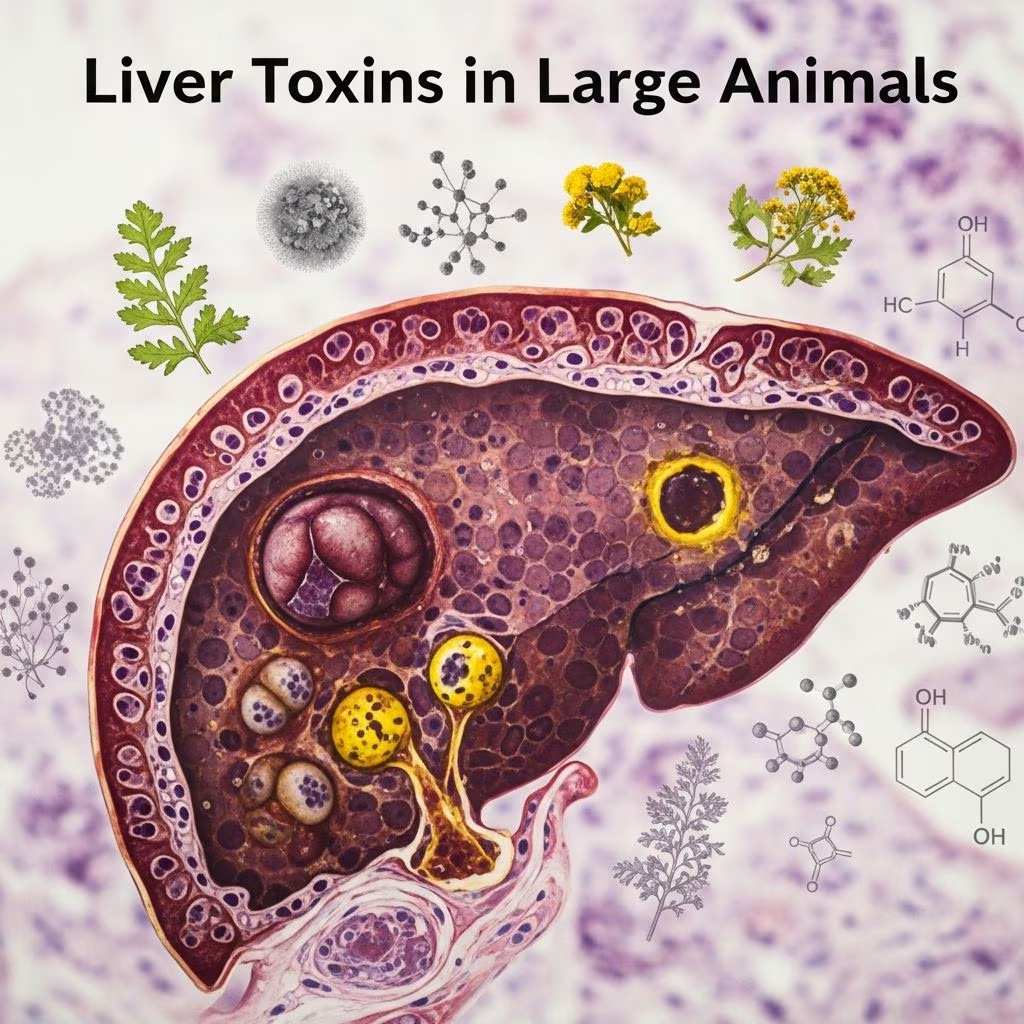
The liver plays a pivotal role in large animals, handling detoxification, metabolism, and nutrient processing. Exposure to hepatotoxins—substances that specifically target liver cells—poses a significant risk to horses, cattle, sheep, goats, and other livestock. These toxins, derived from plants, fungi, minerals, or chemicals, can lead to acute failure or chronic damage, impacting productivity and survival. Understanding their sources, effects, and management is crucial for veterinarians and producers.
Why Liver Health Matters in Livestock Production
In equine and ruminant species, the liver’s regenerative capacity allows tolerance of substantial damage before symptoms emerge. However, once over 80% function is lost, clinical signs like jaundice, weight loss, and neurological issues appear, often with poor prognosis. Ruminants may show subtle changes due to compensatory mechanisms, while horses exhibit more pronounced bilirubin elevations. Early intervention hinges on recognizing environmental and dietary risks.
Primary Categories of Hepatotoxins
Hepatotoxins vary by mechanism: some cause direct hepatocyte necrosis, others induce fibrosis or cholestasis (bile flow obstruction). Key groups include botanical poisons, fungal metabolites, mineral imbalances, and pharmaceuticals.
Plant-Derived Liver Poisons
Many pasture weeds contain alkaloids or other compounds toxic to liver tissue. Pyrrolizidine alkaloids (PAs), found in species like ragwort, groundsel, and rattlebox, are among the most notorious. Chronic low-level ingestion leads to veno-occlusive disease, where small veins in the liver scar, blocking blood flow and causing progressive fibrosis. Horses are particularly susceptible, showing no signs until massive damage occurs.
Other plants include those producing essential oils (e.g., myoporum) or cycasin, which trigger acute hepatocyte death with sharp rises in enzymes like AST and GLDH. Green cestrum yields carboxyparquin, capable of sudden death in high doses. In Australia, these contribute to ill-thrift and photosensitization in cattle. Prevention involves pasture management and hay screening.
Mycotoxins and Fungal Threats
Fungi contaminating feed produce potent hepatotoxins. Aflatoxins from Aspergillus species cause both acute necrosis and chronic cholestasis, elevating GGT and ALP. Fumonisins and phomopsins similarly impair liver function, leading to reduced weight gain. Sporidesmin, from Pithomyces chartarum, targets bile ducts, causing facial eczema in sheep and cattle via photosensitization.
Cyanobacteria in water sources release microcystins, inducing rapid liver failure and death, especially in horses. Storage conditions exacerbating mold growth heighten risks during wet seasons.
Mineral and Chemical Overloads
Excess copper accumulates in sheep and goats, causing hemolytic crisis and liver necrosis. Iron and zinc toxicities follow similar patterns in ruminants. In camelids, copper ingestion leads to toxic hepatopathy. Urea or ammonium salts elevate blood ammonia, mimicking encephalopathy in cattle.
Pharmaceutical and Industrial Risks
Non-steroidal anti-inflammatories like phenylbutazone and flunixin, when overdosed or prolonged, damage equine livers. Anesthetics such as halothane have caused necrosis in sensitive animals. Accurate dosing and monitoring prevent idiosyncratic reactions.
Clinical Manifestations of Liver Toxin Exposure
Symptoms depend on toxin type and exposure duration. Acute cases present with colic, diarrhea, ataxia, and sudden collapse. Chronic exposure yields weight loss, poor coat, ascites, and hepatic encephalopathy—manifesting as head pressing, circling, aggression, or blindness. Photosensitization (skin burns from unpigmented areas) signals cholestasis. Horses show high indirect bilirubin; ruminants less so, unless obstructed.
| Species | Acute Signs | Chronic Signs | Common Toxins |
|---|---|---|---|
| Horses | Colic, icterus, ataxia | Weight loss, encephalopathy | PAs, microcystins, NSAIDs |
| Cattle/Sheep | Sudden death, photosensitivity | Ill-thrift, jaundice | Aflatoxins, copper, sporidesmin |
| Goats/Camelids | Hemolysis, diarrhea | Ascites, aggression | Copper, plants |
Diagnostic Approaches for Suspected Hepatotoxicity
Diagnosis combines history (pasture access, feed changes), clinical exams, and lab tests. Elevated liver enzymes—AST, SDH, GGT, ALP—indicate damage patterns: hepatocellular (high AST/GLDH) vs. cholestatic (high GGT/ALP). Bile acids >25-50 µmol/L confirm dysfunction; bilirubin rises vary by species. Ammonia spikes correlate poorly with encephalopathy severity. Ultrasonography reveals fibrosis or masses; biopsies provide definitive toxin identification.
- History Review: Recent feed, water sources, medications.
- Bloodwork: Enzymes, bile acids, bilirubin fractions, metals.
- Imaging: Ultrasound for texture changes.
- Biopsy: Histopathology for fibrosis, necrosis patterns.
Prevention Strategies for Farm and Ranch Settings
Proactive measures minimize risks:
- Regular pasture inspections and weed control.
- Feed quality testing for mycotoxins.
- Balanced mineral supplementation, especially copper in sheep areas.
- Secure water sources away from algal blooms.
- Medication protocols with veterinary oversight.
Fencing off toxic plants and rotational grazing enhance safety.
Treatment Protocols and Prognosis
Supportive care is cornerstone: IV fluids, anti-endotoxins, protectants like silymarin. Encephalopathy management includes lactulose, antibiotics to reduce ammonia-producing bacteria, and low-protein diets. Success favors early cases with minimal fibrosis; severe bridging fibrosis predicts failure. Toxin-specific antidotes are rare, emphasizing prevention.
Regional Variations and Emerging Concerns
In central Kentucky, PAs and cyanobacteria dominate equine risks. Australian cattle face phomopsins and cycads. Climate change may expand fungal ranges, urging vigilant monitoring.
FAQs on Hepatotoxins in Large Animals
What are the earliest signs of liver toxin exposure in horses?
Lethargy, reduced appetite, and mild icterus (yellow gums/eyes). Enzyme elevations often precede.
Can ruminants have severe liver damage without jaundice?
Yes, bilirubin rises modestly unless hemolysis or obstruction occurs.
How do I test hay for pyrrolizidine alkaloids?
Laboratory analysis via HPLC; visual plant ID helps screen.
Is copper toxic to all livestock?
Primarily sheep/goats; cattle tolerate higher levels.
What role do NSAIDs play in equine liver disease?
Overuse causes idiosyncratic toxicity; monitor dosing.
References
- Overview of Hepatic Disease in Large Animals — MSD Veterinary Manual. 2023. https://www.msdvetmanual.com/digestive-system/hepatic-disease-in-large-animals/overview-of-hepatic-disease-in-large-animals
- Common Equine Hepatotoxins in Central Kentucky — University of Kentucky Equine Program. 2022. https://equine.mgcafe.uky.edu/content/common-equine-hepatotoxins-central-kentucky
- Plant and Fungal Hepatotoxicities of Cattle in Australia — PMC (National Library of Medicine). 2020-11-11. https://pmc.ncbi.nlm.nih.gov/articles/PMC7695254/



