

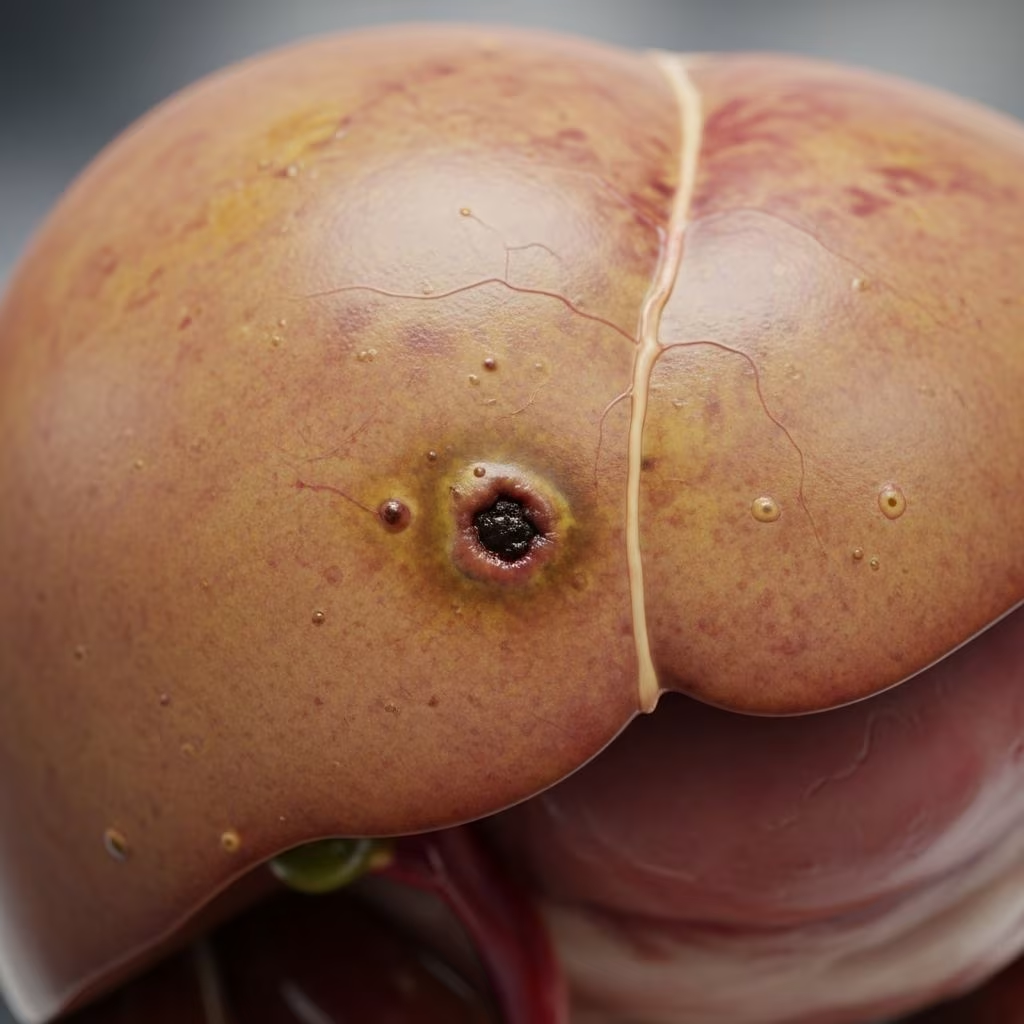
The liver serves as a vital organ in dogs and cats, filtering toxins, metabolizing nutrients, and supporting overall metabolic functions. When exposed to hepatotoxins—substances that specifically target liver cells—pets can suffer acute or chronic damage, leading to severe health complications. This article delves into the primary categories of liver toxins, their mechanisms of action, clinical presentations, diagnostic approaches, and preventive measures, drawing from established veterinary knowledge to empower pet owners and professionals.
Understanding Hepatotoxicity in Companion Animals
Hepatotoxicity occurs when harmful agents disrupt hepatocyte function, causing inflammation, necrosis, or fibrosis. Dogs and cats metabolize substances differently due to species-specific enzyme pathways; for instance, dogs lack certain acetyltransferases, heightening susceptibility to specific drugs. Acute exposure often results in rapid onset of symptoms like vomiting and jaundice, while chronic cases manifest as lethargy and weight loss. Early recognition is crucial, as the liver’s regenerative capacity can be overwhelmed without intervention.
Plant-Based Hepatotoxins: Nature’s Silent Threats
Many household and wild plants pose significant risks to pets. Sago palms (Cycas revoluta) contain cycasin, which induces fulminant hepatic failure. Ingestion leads to gastrointestinal distress within hours, progressing to coagulopathy and encephalopathy. Blue-green algae (cyanobacteria) produce microcystins that inhibit protein phosphatases, causing massive hepatocyte apoptosis.
- Sago Palm: Toxic dose as low as 2-3 g/kg; prognosis poor if untreated within 48 hours.
- Amanita Mushrooms: Species like A. phalloides release amatoxins that block RNA polymerase II, halting protein synthesis.
- Xylitol-containing Plants/Foods: Though more noted in sweeteners, related exposures exacerbate liver stress.
Pet owners should identify and remove these plants from yards and homes. Activated charcoal and supportive care like IV fluids are first-line treatments.
Drug-Induced Liver Injury: Iatrogenic Risks
Medications, even those prescribed by vets, can trigger idiosyncratic or dose-dependent hepatotoxicity. Anticonvulsants like phenobarbital cause elevated liver enzymes in up to 30% of long-term canine users, progressing to fibrosis. NSAIDs such as carprofen, particularly in Labrador Retrievers, incite hepatocellular necrosis via reactive metabolites.
| Drug | Species Affected | Mechanism | Management |
|---|---|---|---|
| Phenobarbital | Dogs | Induction of microsomal enzymes leading to oxidative stress | Discontinue, monitor ALT/AST, ursodiol |
| Carprofen | Dogs (Labs predisposed) | Idiosyncratic hypersensitivity | Stop NSAID, SAMe supplementation |
| Trimethoprim/Sulfadiazine | Dogs/Cats | Cholestatic hepatitis | Drug withdrawal, antibiotics if secondary infection |
| Acetaminophen | Cats (highly sensitive) | Metabolite NAPQI depletes glutathione | N-acetylcysteine antidote |
Regular liver function monitoring (ALT, ALP, bilirubin) is recommended for pets on long-term therapy. Cats are especially vulnerable to acetaminophen due to deficient glucuronidation.
Mycotoxins and Environmental Contaminants
Aflatoxins from moldy feed contaminate grains and nuts, producing acute liver failure via DNA adduct formation. Outbreaks in kennels highlight the need for quality-controlled pet food. Iron overload from supplements or repeated transfusions leads to hemosiderosis, particularly in breeds like Dobermans.
Prevention involves storing food properly and avoiding unregulated supplements. Diagnosis relies on biopsy quantification of toxins.
Bacterial, Viral, and Fungal Contributors to Liver Damage
Though primarily hepatotoxins focus on chemicals, infectious agents can mimic or exacerbate toxic injury. Leptospira induces pyogranulomatous hepatitis in dogs, with organisms visualized via in situ hybridization. Fungal infections like Aspergillus terreus disseminate in German Shepherds, involving the liver secondarily. Viral culprits include canine adenovirus-1 causing necrosis.
Clinical Signs and Diagnostic Strategies
Symptoms vary by toxin but commonly include anorexia, icterus, ascites, and neurological signs from hepatic encephalopathy. Bloodwork reveals elevated transaminases (ALT >1000 IU/L suggests acute insult), hyperbilirubinemia, and hypoalbuminemia in chronic cases.
- Imaging: Ultrasound detects masses, shunts, or nodular changes.
- Biopsy: Gold standard for histopathology, copper quantification, or toxin staining.
- Coagulation Panels: PT/PTT prolonged in failure.
Differential diagnoses include infectious hepatitis, neoplasia, and vascular anomalies.
Treatment Approaches: From Decontamination to Supportive Care
Immediate decontamination with emetics (apomorphine in dogs) or charcoal is key for recent ingestions. Specific antidotes are rare, but N-acetylcysteine protects against acetaminophen and supports glutathione.
Supportive measures encompass:
- IV fluids with dextrose to combat hypoglycemia.
- S-adenosylmethionine (SAMe) for antioxidant effects.
- Ursodeoxycholic acid for cholestasis.
- Diuretics and colloids for ascites.
- Low-protein diet plus lactulose for encephalopathy.
Prognosis improves with early intervention; survival rates for sago palm exceed 50% if treated promptly.
Prevention: Key Strategies for Pet Owners
Awareness is paramount. Secure medications, choose toxic-free plants, and opt for reputable food brands. Breeds like Bedlingtons require copper screening. Annual wellness exams with liver panels catch subclinical issues.
FAQs on Liver Toxins in Dogs and Cats
What are the most common household hepatotoxins?
Xylitol, acetaminophen, and sago palms top the list, with rapid progression to failure.
Can liver damage from toxins be reversed?
Acute cases often respond to aggressive therapy, but fibrosis may persist chronically.
Which breeds are prone to drug-induced liver issues?
Labradors (carprofen), Bedlingtons (copper), German Shepherds (fungal).
How do I know if my pet has liver toxicity?
Watch for vomiting, yellow gums, lethargy; seek vet immediately for tests.
Is raw diet safe regarding hepatotoxins?
Risks include bacterial/mycotoxins; cooked, balanced commercial foods preferred.
Emerging Concerns and Research Directions
Recent studies highlight hepadnavirus in feline hepatocellular carcinoma and raw meat-linked mycobacteria. Climate change may boost algal blooms, increasing exposures. Ongoing trials explore hepatoprotectants like silymarin.
In summary, vigilance against hepatotoxins saves lives. Consult vets for tailored advice.
References
- Infectious Diseases of the Liver in Small Animals — Merck Veterinary Manual. 2023. https://www.merckvetmanual.com/digestive-system/hepatic-diseases-of-small-animals/infectious-diseases-of-the-liver-in-small-animals
- Hepatotoxicity associated with pharmacologic agents in dogs and cats — PubMed (J Am Vet Med Assoc). 1993-06-15. https://pubmed.ncbi.nlm.nih.gov/8503165/
- Chronic liver disease in small animals (Proceedings) — dvm360. 2023. https://www.dvm360.com/view/chronic-liver-disease-small-animals-proceedings
- Hepatotoxicants — VetGirl on the Run (Small Animal Toxicology Elsevier). 2013. https://vetgirlontherun.com/wp-content/uploads/2014/06/HepatotoxicantsVG616.pdf
- Liver Toxins in Cats — PetMD. 2023. https://www.petmd.com/cat/conditions/endocrine/c_ct_hepatotoxins
- Hepatotoxins – Blackwell’s Five‐Minute Veterinary Consult — Wiley Online Library. 2017. https://onlinelibrary.wiley.com/doi/abs/10.1002/9781119376293.ch129
- HEPATOTOXICANTS AFFECTING DOGS AND CATS — CABI Digital Library. 2015. https://www.cabidigitallibrary.org/doi/pdf/10.5555/20153171128
- Acute Liver Failure — VetFolio. 2023. https://www.vetfolio.com/learn/article/acute-liver-failure



