

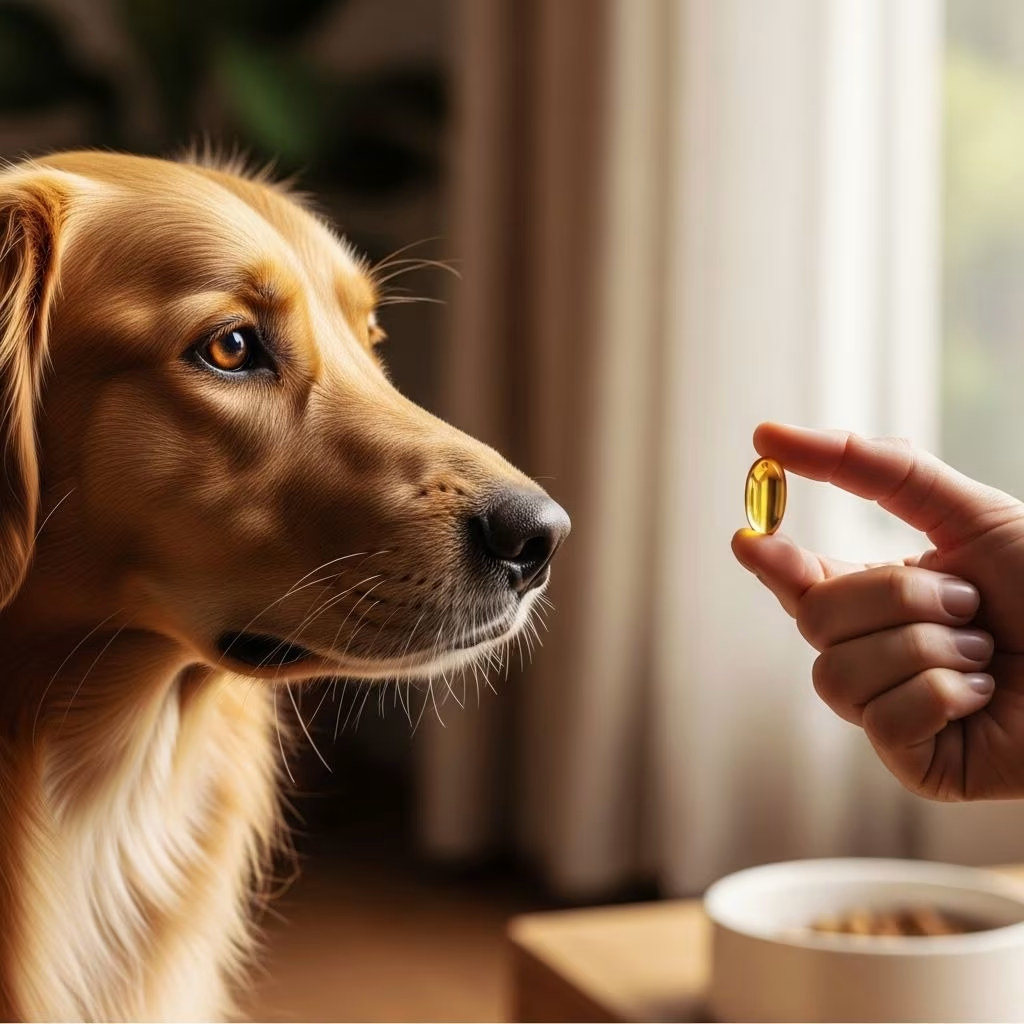
Understanding Liver Supplements for Dogs
The liver is one of the most vital organs in your dog’s body, responsible for filtering toxins, processing nutrients, and supporting overall metabolic function. Just like humans, dogs can experience liver health challenges that benefit from targeted nutritional support. Liver supplements have emerged as an important tool for maintaining and improving hepatic function in canines, particularly those with existing liver disease, compromised liver function, or exposure to hepatotoxic substances.
However, it’s important to understand that liver supplements aren’t universally necessary for every dog. They are most beneficial for dogs with diagnosed liver disease, those undergoing chemotherapy, senior dogs with declining liver function, or pets taking medications known to stress the liver. Before introducing any supplement to your dog’s regimen, consulting with your veterinarian is essential to determine whether supplementation is appropriate for your individual pet.
What Are Liver Supplements?
Liver supplements are specialized formulations designed to support hepatic function and protect liver tissue from damage. These supplements typically contain active compounds that promote liver cell health, enhance detoxification processes, and support the organ’s regenerative capabilities. The most common liver supplements for dogs contain ingredients such as silymarin (milk thistle), S-Adenosyl-Methionine (SAMe), phosphatidyl choline, vitamin E, and various herbal extracts.
These supplements come in multiple forms to accommodate different administration preferences and absorption rates. Understanding the composition and mechanisms of action of these supplements helps pet owners make informed decisions about their dog’s liver health.
Common Liver Supplement Ingredients and Their Benefits
Milk Thistle (Silymarin)
Milk thistle is one of the most widely used and researched liver support ingredients for dogs. The active compound, silymarin, possesses powerful antioxidant properties that protect liver cells from oxidative damage. Silymarin works by stabilizing cell membranes, potentially controlling which substances enter and leave liver cells. Additionally, it may help liver cells produce more proteins, thereby improving overall liver function and regenerative capacity.
Clinical evidence supports milk thistle’s effectiveness in veterinary medicine. Studies have shown that silymarin can be particularly beneficial for dogs who have ingested hepatotoxic substances such as certain mushrooms or chemical toxins. The supplement has also demonstrated promise in protecting liver cells during chemotherapy, helping to mitigate some of the hepatic side effects associated with cancer treatment.
S-Adenosyl-Methionine (SAMe)
SAMe is a naturally occurring compound that plays a crucial role in liver cell protection and regeneration. Research has shown that SAMe helps protect liver cells from damage while potentially supporting their ability to repair and regenerate. This compound is particularly valuable for dogs with chronic liver disease or those experiencing age-related hepatic decline.
SAMe works through multiple mechanisms, including supporting the liver’s antioxidant defense systems and promoting cellular repair processes. Many veterinary products combine SAMe with silymarin to create a synergistic effect that provides comprehensive liver support.
Phosphatidyl Choline (PEP)
Phosphatidyl choline is a phospholipid that supports liver cell membrane integrity and function. When added to milk thistle supplements, PEP enhances the bioavailability of silymarin, meaning more of the active compound is absorbed into the bloodstream where it can exert its therapeutic effects. This ingredient is particularly important in supplements designed for dogs with compromised liver function or poor nutrient absorption.
Vitamin E and Other Antioxidants
Vitamin E serves as a powerful antioxidant that works synergistically with other liver support ingredients to protect hepatic cells from free radical damage. Many comprehensive liver supplements include vitamin E alongside silymarin and other supporting compounds to provide multi-layered antioxidant protection.
Key Benefits of Liver Supplements for Dogs
Liver supplements offer several important health benefits for dogs experiencing hepatic challenges:
- Protection against liver cell damage and apoptosis (programmed cell death)
- Support for liver detoxification and filtration processes
- Reduction of elevated liver enzymes associated with liver disease
- Mitigation of side effects from chemotherapy and certain medications
- Enhancement of liver cell regeneration and repair
- Support for dogs exposed to environmental toxins
- Overall improvement in liver function and metabolic processes
Types of Liver Supplements Available
Veterinary Prescription Supplements
Several prescription-grade liver supplements are formulated specifically for canine hepatic support. Denamarin, a combination of silymarin and SAMe, is one of the most commonly recommended veterinary products. This supplement is designed specifically to protect liver cells from damage and fibrosis (thickening or scarring of liver tissue). Similarly, Marin combines silymarin, vitamin E, and phosphatidyl choline for comprehensive liver support.
Over-the-Counter Supplements
Many over-the-counter liver supplements are available for dogs, offering various formulations and ingredient combinations. These range from single-ingredient supplements containing only milk thistle to comprehensive blends incorporating multiple hepatoprotective compounds. While these products don’t require a prescription, it’s still advisable to discuss them with your veterinarian.
Supplement Forms
Liver supplements are available in multiple formats to suit different administration preferences and absorption needs:
- Capsules and tablets
- Flavored soft chews
- Liquid extracts and tinctures
- Powder formulations
Liquid formulations often provide superior absorption compared to tablets, making them particularly effective for dogs with compromised liver function. These liquid supplements can be easily mixed with food or administered directly into your dog’s mouth, ensuring consistent dosing.
Determining the Right Dosage for Your Dog
General Dosage Guidelines
The appropriate dosage of liver supplements depends on several factors, including your dog’s weight, age, the specific condition being treated, and the concentration of the supplement being used. General guidelines for silymarin dosage are as follows:
- For liver protection: 20-50 mg per kilogram of body weight daily
- For maintenance support in healthy dogs: 10-20 mg per kilogram of body weight daily
- For acute liver support or diagnosed disease: doses closer to the upper range
Dosage by Dog Size
Dosage recommendations vary significantly based on your dog’s weight category:
| Dog Size | Weight Range | Daily Silymarin Dosage | Administration |
|---|---|---|---|
| Small Dogs | Under 20 lbs (under 9 kg) | 50-250 mg daily | Divided into 1-2 doses |
| Medium Dogs | 20-50 lbs (9-23 kg) | 200-500 mg daily | Divided into 2 doses |
| Large Dogs | Over 50 lbs (over 23 kg) | 500-1000 mg daily | Divided into 2-3 doses |
Prescription Product Dosages
For specific veterinary products, dosing is more standardized. Denamarin is typically dosed at 1.2-4 mg per kilogram of body weight of silybin with 15-38 mg per kilogram of body weight of SAMe per day, often given once daily. Marin is generally dosed at 1.6-3.1 mg per kilogram of body weight per day, also typically administered once daily.
How to Give Liver Supplements to Your Dog
Administration Guidelines
Proper administration of liver supplements is crucial for ensuring your dog receives maximum benefit. When giving liver supplements to your dog, carefully follow the specific instructions on the product label, as requirements vary by formulation.
Food and Timing Considerations
Some supplements require administration with food to maximize absorption and minimize digestive upset, while others must be given on an empty stomach. For example, Denamarin should be given on an empty stomach at least one hour before a meal for optimal absorption. Understanding these specific requirements ensures your dog receives the full therapeutic benefit of the supplement.
Frequency of Administration
Some supplements are administered once daily, while others require twice daily dosing for optimal blood levels. Consistency in administration timing helps maintain steady levels of active compounds in your dog’s system. If you’re uncertain about the appropriate frequency, your veterinarian can provide clear guidance based on the specific supplement you’ve chosen.
Safety Considerations for Specific Populations
Before starting any supplement regimen, verify whether the product is safe for your dog’s life stage. Some supplements are not recommended for pregnant or nursing dogs, while others are considered safe for these populations. If your dog falls into a special category, discuss this with your veterinarian before initiating supplementation.
Who Benefits Most from Liver Supplements?
While liver supplements can be beneficial for many dogs, certain populations derive the greatest advantage from supplementation:
- Dogs with diagnosed liver disease or elevated liver enzymes
- Senior dogs experiencing age-related liver decline
- Dogs undergoing chemotherapy or radiation treatment
- Dogs taking medications known to stress the liver, such as NSAIDs or anticonvulsants
- Breeds with genetic predisposition to liver issues
- Dogs with a history of exposure to hepatotoxic substances
- Dogs regularly exposed to environmental toxins
Preventative Liver Support
For healthy dogs without existing liver disease, preventative supplementation may still be appropriate in certain circumstances. Dogs regularly exposed to environmental toxins, those taking medications that stress the liver, or breeds with genetic predispositions to liver issues may benefit from lower maintenance doses of liver supplements.
Preventative supplementation protocols might involve 3-4 months of supplementation followed by a break, or supplementation during periods of increased liver stress, such as during medication courses. Your veterinarian can help determine the optimal duration and dosage based on your dog’s specific health status, age, breed predispositions, and ongoing medications.
Evidence for Supplement Efficacy
Scientific research supports the use of silymarin for liver support in dogs. Clinical studies have demonstrated that silymarin can reduce elevated liver enzymes in dogs with various forms of liver disease. In one particular study, dogs with elevated ALT (alanine aminotransferase) levels showed significant improvement after four weeks of silymarin supplementation.
In veterinary studies, treatment with silymarin appeared beneficial to dogs after ingestion of toxins that harm the liver, including certain mushrooms and carbon tetrachloride. Additionally, evidence suggests silymarin may reduce the side effects of cancer treatment, with a clinical trial demonstrating that silymarin supplements protected liver cells from the side effects of chemotherapy drugs vincristine and L-asparaginase.
When to Consult Your Veterinarian
Before starting any liver supplement regimen, consult with your veterinarian to determine whether supplementation is appropriate for your individual dog. This consultation is especially important if your dog has an existing health condition, is taking medications, or is pregnant or nursing. Your veterinarian can also recommend specific products, appropriate dosages, and optimal administration strategies based on your dog’s unique health profile.
Frequently Asked Questions About Dog Liver Supplements
Q: Are liver supplements safe for all dogs?
A: Liver supplements are generally safe for most dogs, but certain formulations may not be recommended for pregnant or nursing dogs. Always consult your veterinarian before starting supplementation, especially if your dog has pre-existing health conditions or takes medications.
Q: How long does it take to see results from liver supplements?
A: The timeline varies depending on your dog’s condition and the supplement used. Some dogs may show improvement in liver enzymes within four weeks, while others may require longer-term supplementation to see significant benefits. Your veterinarian can establish a timeline based on your dog’s specific situation.
Q: Can liver supplements reverse existing liver damage?
A: Milk thistle and other liver supplements can support liver cell regeneration and repair, potentially helping to reverse some types of liver damage. However, the extent of recovery depends on the severity of damage and the underlying cause of liver disease.
Q: What’s the difference between prescription and over-the-counter liver supplements?
A: Prescription supplements like Denamarin and Marin are specifically formulated and standardized for veterinary use with guaranteed potency. Over-the-counter supplements vary in formulation and concentration. Prescription products may be more appropriate for dogs with serious liver disease.
Q: Can I give my dog liver supplements long-term?
A: Many liver supplements are safe for long-term use, particularly for dogs with chronic liver disease. However, some dogs may benefit from intermittent supplementation protocols. Your veterinarian can recommend the most appropriate duration for your dog’s specific needs.
Q: What should I do if my dog shows no improvement after starting liver supplements?
A: If you notice no improvement after a reasonable trial period (typically 4-6 weeks), contact your veterinarian. They may adjust the dosage, recommend a different supplement, or investigate whether other underlying conditions require attention.
References
- Milk Thistle for Dogs (Silymarin) — DogCancer.com. Accessed 2025. https://www.dogcancer.com/articles/supplements/milk-thistle-for-dogs/
- Best Silymarin Supplements for Dogs: Benefits & Dosage Guide — JPS Natural Pet Supplements. Accessed 2025. https://www.jpsnaturalpetsupplements.com/blogs/news/best-silymarin-supplements-for-dogs-benefits-dosage-guide
- Milk Thistle/SAMe — PetMD. Accessed 2025. https://www.petmd.com/pet-medication/milk-thistle-same
- Liver Supplements for Dogs: What You Need to Know — Chewy. Accessed 2025. https://www.chewy.com/education/dog/health-and-wellness/liver-supplements-for-dogs-what-they-are-benefits-and-dosage
- Liver Support for Dogs — Petz Park. Accessed 2025. https://petzpark.com.au/products/liver-support-for-dogs



