
Liver Metabolic Disorders in Companion Animals
Understanding metabolic liver diseases affecting dogs and cats
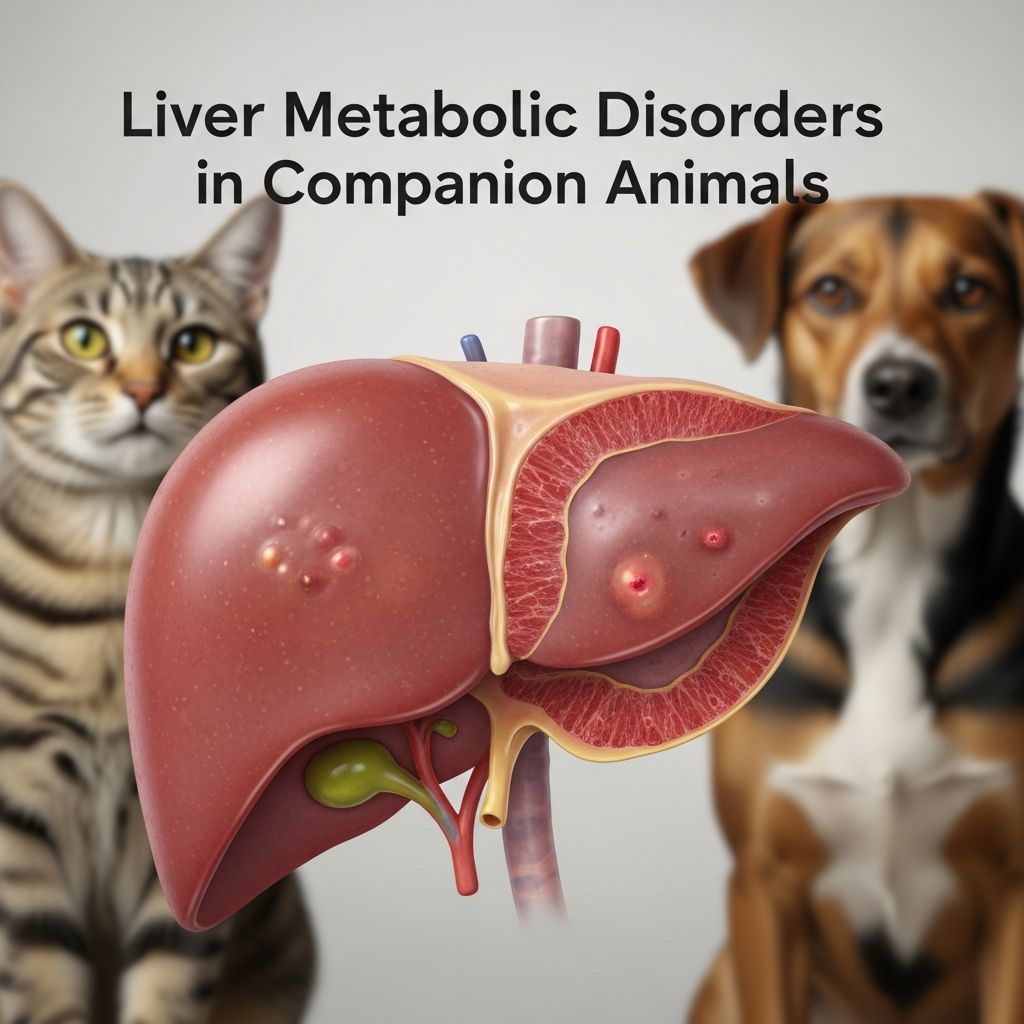
The liver stands as one of the most metabolically active organs in companion animals, orchestrating critical functions related to protein synthesis, carbohydrate regulation, lipid metabolism, and detoxification. When metabolic processes within hepatic tissue become dysregulated, the consequences can range from subclinical abnormalities to life-threatening systemic dysfunction. Metabolic diseases affecting the liver represent a distinct category of hepatopathies that differ fundamentally from infectious, inflammatory, or neoplastic liver conditions, requiring veterinarians to employ specialized diagnostic and therapeutic approaches.
Understanding Hepatic Metabolic Function in Small Animals
The liver functions as a metabolic nexus, processing amino acids, lipids, carbohydrates, and xenobiotics through intricate biochemical pathways. Dogs and cats possess unique metabolic requirements and vulnerabilities that shape their susceptibility to specific hepatic metabolic disorders. The mammalian liver synthesizes plasma proteins, maintains glucose homeostasis through gluconeogenesis and glycogenolysis, processes dietary lipids, and generates urea from protein catabolism. Additionally, the hepatic system conjugates potentially harmful compounds for urinary or biliary excretion, synthesizes coagulation factors, and produces albumin—the dominant serum protein responsible for osmotic regulation and drug transport.
When metabolic disease disrupts these functions, the consequences cascade throughout multiple organ systems. Metabolic abnormalities in the liver can cause significant derangements in circulating amino acid profiles, fatty acid metabolism, and lipoprotein concentrations. Research utilizing advanced metabolomic analysis has demonstrated that dogs with congenital portosystemic shunts exhibit elevated phenylalanine and tyrosine concentrations alongside reduced branched-chain amino acids (BCAAs), reflecting impaired hepatic amino acid metabolism. These biochemical alterations provide crucial insights into disease pathophysiology and may serve as diagnostic markers in clinical practice.
Classification of Metabolic Hepatic Disorders
Metabolic liver diseases in small animals can be organized into several distinct categories based on the underlying biochemical dysfunction and clinical presentation. This classification system aids clinicians in developing targeted diagnostic and therapeutic strategies.
Inherited Metabolic Anomalies
Congenital metabolic disorders represent a significant subset of hepatic disease in companion animals. Some breeds demonstrate increased predisposition to specific metabolic hepatic conditions, suggesting genetic inheritance patterns. These conditions typically manifest early in life and may worsen progressively or remain relatively stable depending on the nature of the metabolic derangement. Inherited conditions often involve abnormalities in enzyme systems responsible for amino acid processing, lipid metabolism, or carbohydrate utilization.
Acquired Metabolic Derangements
Acquired metabolic liver disease develops secondary to systemic conditions, dietary factors, prolonged inappetence, or organ dysfunction. These conditions frequently accompany primary diseases affecting other organ systems or develop as consequences of metabolic stress. Malnutrition, prolonged anorexia, obesity, and endocrine abnormalities commonly precipitate acquired hepatic metabolic dysfunction.
Lipid Accumulation Disorders
Hepatic lipidosis represents one of the most consequential metabolic liver disorders in small animal practice, particularly in feline patients. In cats, hepatic lipidosis constitutes the most common acute liver condition causing severe jaundice and represents a potentially fatal syndrome without aggressive intervention. The condition develops when metabolic demand exceeds hepatic lipid mobilization capacity, resulting in excessive triglyceride accumulation within hepatocytes. The pathophysiological cascade typically initiates with several days of inappetence, during which altered metabolic signaling promotes excessive lipolysis and hepatic lipid uptake. This syndrome demonstrates how disruption of normal metabolic regulation can rapidly compromise hepatic function.
Clinical Manifestations and Recognition
Dogs and cats with metabolic liver disease exhibit clinical signs reflecting both hepatic dysfunction and systemic metabolic derangement. The severity and specific presentation vary considerably depending on the underlying metabolic abnormality and disease chronicity.
Gastrointestinal Signs
Altered appetite—ranging from mild decreased food intake to complete anorexia—frequently represents the earliest clinical manifestation of hepatic metabolic disease. Vomiting and diarrhea occur commonly, reflecting gastrointestinal mucosal irritation or altered gut motility secondary to hepatic dysfunction. Weight loss develops progressively as disease advances, resulting from reduced caloric intake and altered metabolic processing. Fecal characteristics may change, with some patients exhibiting steatorrhea (fatty, glistening stools) indicating impaired lipid digestion and absorption.
Icterus and Coagulation Abnormalities
Jaundice develops when hepatic dysfunction impairs bilirubin conjugation or excretion, or when disease disrupts hepatic lipid metabolism affecting cholestasis. The presence and severity of icterus do not necessarily correlate with hepatic dysfunction severity. Additionally, metabolic liver disease frequently compromises synthesis of vitamin K-dependent coagulation factors, predisposing affected animals to spontaneous hemorrhage and gastrointestinal ulceration. Vitamin K supplementation becomes necessary to mitigate bleeding risk in these patients.
Neurological Dysfunction
Hepatic encephalopathy represents a potentially reversible neurological manifestation of metabolic liver disease, most commonly associated with portosystemic shunting but occurring in other metabolic hepatic conditions as well. The syndrome develops when impaired hepatic detoxification allows ammonia and other neurotoxic metabolites to accumulate in blood and cross the blood-brain barrier. Clinical signs include head pressing, compulsive circling, weakness, incoordination, and behavioral changes. The severity of hepatic encephalopathy fluctuates, sometimes improving temporarily with dietary modification and supportive care.
Fluid Accumulation
Abdominal effusion develops in advanced metabolic liver disease, particularly when portosystemic shunting or cirrhosis compromises hepatic synthetic function and increases splanchnic hydrostatic pressure. Ascites formation indicates severe hepatic decompensation and typically requires aggressive management including sodium restriction and potentially diuretic therapy.
Diagnostic Approach to Metabolic Liver Disease
Establishing an accurate diagnosis of metabolic liver disease requires systematic evaluation combining clinical presentation, biochemical assessment, imaging studies, and sometimes tissue characterization.
Laboratory Evaluation
Serum liver enzyme activities provide initial diagnostic clues, though their interpretation requires understanding underlying pathophysiology. Alkaline phosphatase (ALP), alanine aminotransferase (ALT), and aspartate aminotransferase (AST) elevations suggest hepatocellular involvement, though enzyme patterns vary with disease type. Certain metabolic disorders produce distinctive enzyme patterns—for example, some systemic conditions cause ALP elevations disproportionate to other liver enzymes, potentially reflecting hepatic enzyme induction by inflammatory mediators rather than direct hepatocellular injury.
Bilirubin assessment, including both conjugated and unconjugated fractions, helps localize dysfunction and assess severity. Serum albumin and total protein measurements reflect hepatic synthetic capacity, with decreased albumin suggesting chronic or severe disease. Prothrombin time and partial thromboplastin time assessment evaluates coagulation synthesis capacity and guides therapeutic decisions regarding vitamin K supplementation.
Advanced metabolomic analysis represents an emerging diagnostic tool with considerable promise for metabolic liver disease characterization. Serum metabolomics utilizing nuclear magnetic resonance spectroscopy can identify distinctive metabolic patterns that differentiate various hepatopathies and provide prognostic information. Dogs with congenital portosystemic shunts demonstrate characteristic metabolic signatures including altered amino acid ratios and distinctive lipid profiles that distinguish them from other hepatopathies. As metabolomic analysis becomes increasingly available in clinical practice, this technology may revolutionize diagnostic precision and prognostic assessment.
Imaging and Tissue Diagnosis
Abdominal ultrasonography permits assessment of liver size, parenchymal echogenicity, and vascular anatomy. Some metabolic conditions produce characteristic imaging findings—hepatic lipidosis typically increases parenchymal echogenicity, while portosystemic shunting may reveal abnormal vascular anatomy. Computed tomography provides superior vascular imaging and helps identify congenital vascular anomalies.
Hepatic biopsy remains the gold standard for definitive diagnosis of many metabolic liver conditions. Histopathologic examination reveals lipid accumulation, glycogen vacuolation, fibrosis progression, or other metabolic derangements. However, biopsy carries procedural risks and may demonstrate nonspecific changes in some metabolic conditions, limiting diagnostic utility in certain scenarios.
Metabolic Liver Disease Categories and Management
Different metabolic liver disorders require distinctly different management strategies based on their pathophysiologic underpinnings.
Portosystemic Vascular Anomalies
Congenital or acquired shunts that bypass hepatic perfusion represent important circulatory metabolic diseases affecting both dogs and cats. These vascular anomalies include congenital portosystemic shunts, microvascular dysplasia, and primary portal vein hypoplasia—all conditions that reduce hepatic blood flow and impair metabolic processing. Management emphasizes dietary sodium restriction to control blood pressure and reduce ascites risk. Medical therapy may include lactulose and neomycin to reduce ammonia production and absorption, along with branched-chain amino acid supplementation to improve amino acid balance.
Hepatic Lipidosis Management
Hepatic lipidosis, particularly in feline patients, requires aggressive nutritional intervention. After assessing and correcting coagulation abnormalities through vitamin K treatment, placement of an esophageal feeding tube enables consistent caloric delivery without relying on voluntary food consumption. Feeding tubes permit administration of appropriately balanced nutrition that supports feline metabolic requirements during hepatic recovery. The feeding approach emphasizes multiple small meals distributed throughout the day to optimize nutrient absorption and hepatic function.
Inflammatory and Storage Disorders
Chronic hepatitis and cholangiohepatitis—conditions with significant metabolic components—benefit from anti-inflammatory therapy, immunosuppression when appropriate, and dietary management. Dogs more commonly develop chronic hepatitis or cirrhosis, while cats frequently present with cholangiohepatitis affecting the biliary tree system. Storage disorders require metabolic support and often necessitate specific dietary formulations addressing the underlying biochemical defect.
Nutritional Management Principles
Dietary intervention forms a cornerstone of metabolic liver disease management, with specific recommendations varying based on disease type and severity. High-quality protein supporting hepatic regeneration and maintaining plasma albumin takes precedence, though protein quality and amino acid profile become critical considerations in conditions with amino acid metabolism disruption.
Patients with metabolic liver disease benefit substantially from frequent small meals distributed throughout the day rather than standard feeding schedules. This approach reduces hepatic metabolic burden while optimizing nutrient absorption. When voluntary food intake proves insufficient, feeding tube placement ensures adequate caloric delivery without stress associated with forced feeding. Dietary vitamin K supplementation receives recommendation to decrease gastrointestinal ulceration risk frequently associated with coagulation dysfunction.
Fat-soluble vitamin supplementation (vitamins A, D, E, and K) addresses the impaired hepatic metabolism and cholestasis that characterize many metabolic liver conditions. Copper restriction becomes important in certain breeds predisposed to copper accumulation. Zinc supplementation has emerged as potentially beneficial in supporting hepatic regeneration and immune function in some patients.
Prognosis and Long-Term Management
The prognosis for metabolic liver disease varies considerably depending on the specific condition, disease severity at diagnosis, age of onset, and response to initial intervention. Some metabolic conditions remain relatively static with appropriate management, while others progress to cirrhosis and hepatic failure despite therapeutic efforts.
Early recognition and aggressive intervention significantly improve outcomes, particularly in acute conditions like hepatic lipidosis where timely nutritional support can prevent progression to irreversible hepatic necrosis. Long-term management often requires ongoing dietary modification, periodic monitoring of hepatic function and metabolic parameters, and adjustment of therapeutic protocols based on clinical response.
Emerging Diagnostic and Therapeutic Approaches
Metabolomic analysis and advanced laboratory techniques continue expanding our understanding of metabolic liver disease pathophysiology. Machine learning algorithms applied to metabolomic data show promise for precisely differentiating various hepatopathies and potentially predicting disease progression and treatment response. As these technologies become more accessible, they will likely enhance diagnostic precision and permit earlier intervention in subclinical metabolic derangements.
Research continues investigating targeted therapies addressing specific metabolic abnormalities identified through advanced diagnostics. Amino acid supplementation protocols, antioxidant therapies, and hepatoprotective agents represent areas of ongoing investigation in metabolic liver disease management.
References
- Infectious Diseases of the Liver in Small Animals — MSD Veterinary Manual. https://www.msdvetmanual.com/digestive-system/hepatic-diseases-of-small-animals/infectious-diseases-of-the-liver-in-small-animals
- Metabolomic serum abnormalities in dogs with hepatopathies — PMC/NIH. 2022. https://pmc.ncbi.nlm.nih.gov/articles/PMC8964695/
- Nutritional Approaches to Liver Diseases in Dogs and Cats — Ontario Veterinary College, University of Guelph. 2025. https://ovcpetnutrition.uoguelph.ca/2025/09/24/nutritional-approaches-to-liver-diseases-in-dogs-and-cats/
- Feline Hepatic Lipidosis — Cornell University College of Veterinary Medicine. https://www.vet.cornell.edu/hospitals/services/imaging-service/internal-medicine-medical-conditions
- Metabolic, Toxic, and Neoplastic Diseases of the Liver — Wiley Online Library. https://onlinelibrary.wiley.com/doi/abs/10.1002/9781119501237.ch62
- Liver Enzyme Interpretation and Liver Function Tests — Today’s Veterinary Practice. https://todaysveterinarypractice.com/hepatology/liver-enzyme-interpretation-and-function-tests/
Similar Articles








Read full bio of Sneha Tete


