

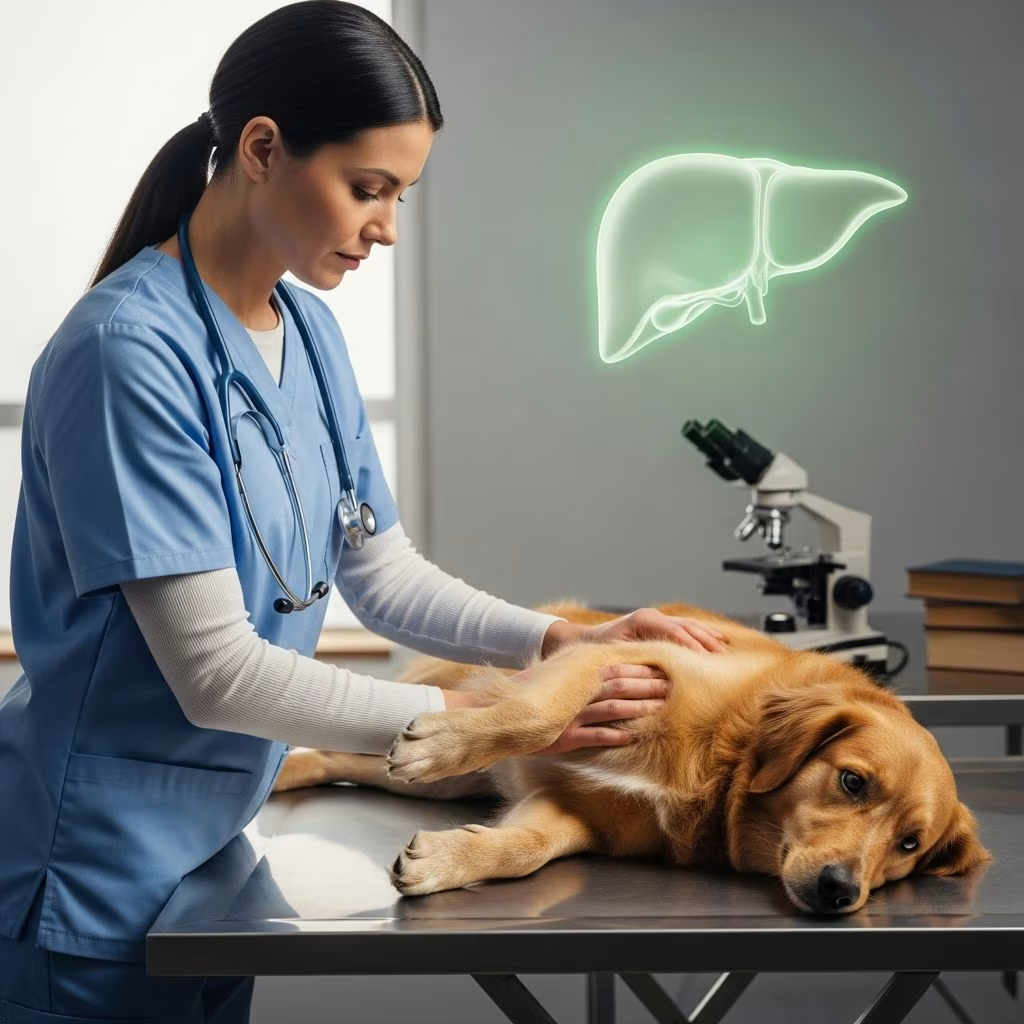
The liver plays a crucial role in detoxification, metabolism, and nutrient processing in dogs and cats. When infections target this organ, they can lead to severe complications like necrosis, fibrosis, or failure. Infectious hepatopathies often stem from viruses, bacteria, fungi, protozoa, or parasites, either primarily affecting the liver or as part of systemic illness. Early detection through symptoms such as jaundice, lethargy, vomiting, and elevated liver enzymes is essential for successful management.
Understanding the Impact of Infections on Pet Livers
In small animals, liver infections can manifest acutely or chronically. Acute cases often involve rapid tissue damage, while chronic ones lead to ongoing inflammation and scarring. Factors like age, immune status, and exposure risks influence severity. Neonates and immunocompromised pets are particularly vulnerable due to immature or weakened defenses. Common pathways include oral ingestion, inhalation, wounds, or vectors like ticks.
Symptoms vary but frequently include abdominal pain, diarrhea, weight loss, and coagulopathies. Diagnostic tools encompass bloodwork showing high alanine aminotransferase (ALT) and alkaline phosphatase (ALP), ultrasound for structural changes, and biopsies for pathogen identification. Prevention relies on vaccination, hygiene, and parasite control.
Viral Threats to the Canine and Feline Liver
Viral infections represent a significant category of hepatic diseases in pets. In dogs, canine adenovirus type 1 causes infectious canine hepatitis (ICH), leading to severe liver necrosis after initial tonsillar localization and systemic spread. Survivors may face chronic inflammation and fibrosis if antibodies fail to clear the virus.
Canine herpesvirus strikes puppies, inducing disseminated necrosis including the liver, often fatally within days. Feline infectious peritonitis (FIP), linked to coronavirus mutation, results in effusive or dry forms with hepatic granulomas. Virulent systemic calicivirus in cats causes widespread vasculitis and liver damage. Rarely, parvovirus in dogs leads to secondary hepatic sepsis. A feline hepadnavirus has been tied to hepatocellular carcinoma.
- ICH key facts: Oronasal entry, vaccination highly effective, rare today.
- Herpesvirus: Neonatal fatality high, stress exacerbates.
- FIP: No cure, supportive care only.
Bacterial Culprits in Hepatic Disorders
Bacteria are frequent offenders in infectious hepatitis. Leptospirosis, from serovars like Icterohaemorrhagiae and Grippotyphosa, prompts enzyme spikes and bilirubinemia, often amid sepsis. Dogs show variable liver signs alongside renal failure.
Tyzzer disease, due to Clostridium piliforme, is a necrohemorrhagic enteropathy with liver involvement, fatal in stressed or young animals. Mycobacteria like M. avium affect immunodeficient breeds (e.g., Basset Hounds), causing pyogranulomatous hepatitis with pulmonary signs. M. bovis links to raw meat diets. Rhodococcus equi, soil-borne, rarely disseminates to the liver in dogs.
| Bacterial Agent | Primary Hosts | Main Liver Effect | Risk Factors |
|---|---|---|---|
| Leptospira spp. | Dogs | Enzyme elevation, jaundice | Contaminated water |
| Clostridium piliforme | Dogs/Cats | Necrosis | Stress, weaning |
| Mycobacterium avium | Dogs/Cats | Pyogranulomas | Immunodeficiency |
Fungal and Mycotic Liver Involvements
Systemic mycoses like blastomycosis, histoplasmosis, and coccidioidomycosis disseminate to the liver in dogs and cats, though respiratory or skin signs dominate over hepatopathy. Cryptococcosis affects cats similarly. Disseminated aspergillosis, especially A. terreus in German Shepherds, involves the liver secondarily without primary liver presentation.
These infections yield modest enzyme rises and granulomatous changes. Diagnosis involves cytology, culture, or serology; treatment uses antifungals like itraconazole or amphotericin B.
Protozoal and Parasitic Hepatic Invaders
Protozoa such as Toxoplasma gondii cause necrotizing hepatitis in cats, often with multi-organ dissemination in young or stressed individuals. Neospora caninum primarily hits muscles but may involve the liver. Hepatozoon americanum induces chronic hepatitis via liver meronts in dogs; gamonts appear in blood smears.
Parasites like Heterobilharzia americana (fluke) provoke granulomatous inflammation. Rickettsials including Ehrlichia, R. rickettsii, and Borrelia burgdorferi infect hepatocytes or endothelia, causing mild transaminitis via inflammation.
- Toxoplasmosis: Vague signs, cytology diagnosis.
- Hepatozoon: Imidocarb treatment, every 14 days.
- Rickettsia: Doxycycline standard.
Diagnostic Approaches for Suspected Liver Infections
Initial screening includes complete blood count, biochemistry panel (ALT, AST, ALP, bilirubin), and coagulation profiles. Imaging like ultrasound reveals masses, fibrosis, or nodules. Definitive diagnosis requires fine-needle aspirates, biopsies, or PCR for pathogens. Serology aids in leptospirosis, rickettsials, and mycoses.
Cytology shows inflammation, bacteria, or fungi; histopathology identifies necrosis patterns or organisms. Culture confirms mycobacteria or fungi.
Treatment Strategies and Management
Therapy targets the pathogen while supporting liver function. Antibiotics (e.g., doxycycline for leptospirosis/rickettsials, penicillin for Tyzzer) combine with fluids, antiemetics, and hepatoprotectants like SAMe or milk thistle. Antifungals (fluconazole, amphotericin) for mycoses; antiprotozoals (imidocarb, clindamycin) for others.
Severe cases need hospitalization for IV fluids and monitoring. Chronic cases focus on immunosuppression control and nutrition. Prognosis varies: excellent for vaccinated ICH, guarded for FIP or advanced leptospirosis.
Prevention: Safeguarding Your Pet’s Liver
Vaccination prevents ICH and herpesvirus. Leptospirosis vaccines cover key serovars; tick preventives block rickettsials and Hepatozoon. Avoid raw diets to curb mycobacteria/bacteria. Hygiene, quarantine new pets, and prompt deworming reduce risks. Regular vet check-ups catch early enzyme elevations.
Frequently Asked Questions (FAQs)
What are the first signs of liver infection in my dog?
Look for yellowing gums (jaundice), vomiting, lethargy, and loss of appetite. Blood tests confirm elevated enzymes.
Can cats get liver infections from raw food?
Yes, raw meat risks mycobacterial and bacterial transmission like M. bovis.
Is leptospirosis fatal in pets?
It can be if kidneys and liver fail, but early antibiotics improve outcomes.
How do I know if it’s infectious vs. other liver disease?
Biopsy and cultures distinguish; history of exposure helps.
Are there vaccines for most liver infections?
Yes for ICH and lepto; others rely on hygiene and preventives.
Long-Term Outlook and Monitoring
Survivors of acute infections need serial bloodwork to track fibrosis or recurrence. Breeds like German Shepherds or Abyssinians warrant extra vigilance for predispositions. Nutritional support with low-copper diets aids chronic cases.
In summary, while challenging, many infectious liver diseases respond to prompt intervention. Pet owners should prioritize preventive care and seek veterinary advice at early signs.
References
- Infectious Diseases of the Liver in Small Animals — Merck Veterinary Manual. 2023. https://www.merckvetmanual.com/digestive-system/hepatic-diseases-of-small-animals/infectious-diseases-of-the-liver-in-small-animals
- Infectious Hepatopathies in Dogs and Cats — PMC/NCBI. 2020-02-29. https://pmc.ncbi.nlm.nih.gov/articles/PMC7104989/
- Leptospirosis in Dogs — Cornell University College of Veterinary Medicine. 2024. https://www.vet.cornell.edu/hospitals/services/imaging-service/internal-medicine-medical-conditions



