

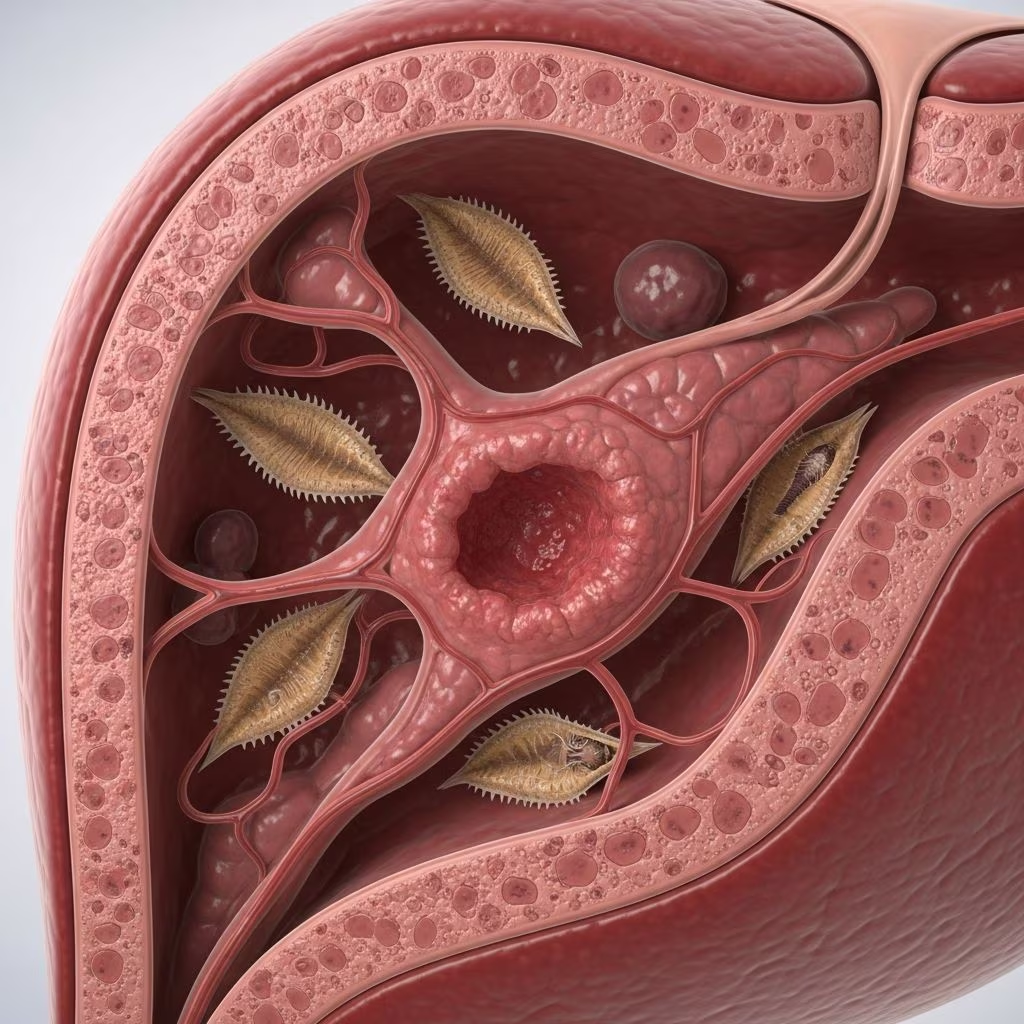
What is Liver Fluke in Dogs?
Liver fluke in dogs, medically known as schistosomiasis, is a parasitic infection caused by flatworms belonging to the genus Heterobilharzia, most commonly Heterobilharzia americana in North America. This condition represents a significant health concern for dogs, particularly in certain geographic regions where the parasite is endemic. Unlike many other parasitic infections that are easily prevented or treated, liver flukes present unique diagnostic and treatment challenges due to their complex life cycle and the difficulty in detecting them through standard testing methods.
The parasite belongs to a group of blood flukes that can cause serious damage to multiple organ systems in dogs. Understanding this infection is crucial for dog owners, especially those living in or traveling to endemic areas such as the southeastern United States, where the prevalence of this disease has been increasing in recent years.
Understanding the Life Cycle and Transmission
The transmission of liver flukes to dogs involves a complex life cycle that requires specific environmental conditions and intermediate hosts. Dogs typically acquire the infection by coming into contact with contaminated freshwater environments, particularly when swimming, wading, or drinking from ponds, lakes, rivers, or other natural water sources.
The parasite’s life cycle begins when eggs are shed in the feces of infected animals. These eggs reach freshwater and hatch, releasing miracidia that infect aquatic snails, the first intermediate host. Within the snails, the parasites undergo development and are eventually released as cercariae, the infectious larval stage. When dogs come into contact with water containing cercariae, these larvae penetrate the skin or mucous membranes and migrate through the body to establish infection in blood vessels associated with the liver and intestines.
Dogs at highest risk include those with frequent access to natural water sources, particularly in warm climates where the parasites thrive. Hunting dogs, working dogs in rural areas, and pets that enjoy swimming are especially vulnerable to infection.
Clinical Signs and Symptoms
The clinical presentation of liver fluke infection in dogs can vary significantly depending on the stage of infection, the parasite burden, and the individual dog’s immune response. In many cases, dogs may be asymptomatic, particularly in the early stages of infection or with light parasite loads.
When clinical signs develop, they typically include:
- Lethargy and decreased energy levels
- Weight loss despite normal or increased appetite
- Chronic diarrhea, which may be mucoid or contain blood
- Vomiting and nausea
- Loss of appetite (anorexia)
- Dehydration
- Abdominal pain or discomfort
- Jaundice (yellowing of the skin and eyes) in severe cases
- Pale mucous membranes indicating anemia
In the early stages of infection, dogs may develop a distinctive papular vesicular rash with small, raised bumps on the skin, along with coughing. As the infection progresses and the parasites establish themselves in the blood vessels and organs, more severe symptoms emerge. The timeline for symptom development varies; initial symptoms may appear within a few weeks of exposure, while more severe manifestations affecting the liver and intestines may take several months to become evident.
The severity of clinical signs often correlates with the number of parasites present and how long the infection has persisted. Dogs with heavy infections are more likely to experience significant systemic effects, including hepatic disease and pancreatic inflammation.
Diagnosis of Liver Fluke Infection
Diagnosing liver fluke infection presents significant challenges to veterinarians because the symptoms overlap with many other conditions, and the parasite is notoriously difficult to detect through conventional diagnostic methods.
Diagnostic Testing Methods
Veterinarians employ multiple diagnostic approaches to confirm liver fluke infection:
Fecal Examination
Standard fecal flotation tests often fail to detect liver fluke eggs because they are too heavy to float. Instead, specialized techniques such as fecal sedimentation and direct saline smears are necessary. These methods allow veterinarians to identify the characteristic eggs under a microscope, though this requires expertise and may not always detect light infections.
Blood Work
A complete blood count may reveal anemia (low red blood cell count) due to blood loss and increased eosinophils, which are white blood cells typically elevated with parasitic disease. The biochemistry profile frequently shows elevated liver enzymes, and elevated calcium levels are a common finding in infected dogs.
Advanced Molecular Diagnostics
Modern diagnostic techniques provide greater accuracy. PCR (polymerase chain reaction) testing can identify parasite DNA in fecal samples with high sensitivity. Antigen-capture ELISA testing can detect circulating schistosome antigens in the bloodstream, providing additional confirmation of infection.
Imaging Studies
Radiographic examination may reveal mineralization around the small intestines, an enlarged liver and spleen. Abdominal ultrasound imaging can show thickened bowel loops, enlarged lymph nodes, fluid accumulation in the abdomen (ascites), and various changes in liver architecture and echogenicity.
Tissue Biopsies
In some cases, biopsies of the liver, small intestine, and pancreas can reveal parasite eggs and occasionally adult flukes, providing definitive diagnosis though this is typically reserved for cases where other diagnostic methods have been inconclusive.
Diagnostic Approach in Clinical Practice
Diagnosis is often presumed based on a combination of clinical signs, supportive blood testing and imaging findings, and geographical location. Veterinarians are more likely to suspect liver fluke infection in dogs presenting with chronic diarrhea and weight loss that originate from or have traveled through endemic regions. A thorough history regarding access to natural water sources is essential for diagnosis.
Treatment Options
Currently, no commercial products are specifically labeled for treating liver flukes in dogs, so treatment is typically based on off-label use of antiparasitic medications that have demonstrated efficacy against these flatworms.
Antiparasitic Medications
Two primary medications are used for treating liver fluke infections:
Praziquantel
This is the most commonly used medication, administered at doses ranging from 10 to 30 mg/kg, typically given as a single oral dose. Some protocols recommend higher doses of 25 mg/kg administered orally two to three times daily for two to three days. Praziquantel works by disrupting the fluke’s tegument (outer covering), leading to paralysis and death.
Fenbendazole
This broad-spectrum antiparasitic agent can be given at 40 mg/kg orally once daily for ten days. Fenbendazole interferes with the parasite’s microtubule formation, effectively immobilizing and killing the flukes.
Supportive and Symptomatic Care
Beyond antiparasitic treatment, comprehensive management includes:
- Nutritional support to address weight loss and malnutrition
- Fluid therapy to correct dehydration
- Pain management medications for abdominal discomfort
- Anti-nausea medications to manage gastrointestinal symptoms
- Antibiotics for secondary bacterial infections that may occur due to intestinal damage
- Liver supportive supplements if hepatic involvement is significant
Treatment Response and Prognosis
Treatment response varies among individual dogs. Some dogs experience complete resolution of clinical signs and achieve full recovery, while others show only partial improvement in symptoms. In some cases, treatment may be ineffective, particularly if the infection is severe or if secondary damage to organs has already occurred. Multiple treatment courses may be necessary in some instances.
Prevention and Management Strategies
Preventing liver fluke infection requires awareness and proactive management of your dog’s environment and activities.
- Avoid allowing dogs to swim in or drink from natural water sources in endemic areas
- Provide fresh, clean water at home rather than relying on outdoor water sources
- Restrict access to potentially contaminated freshwater environments
- Be particularly cautious during warm months when parasite transmission is highest
- Maintain regular veterinary check-ups for dogs with potential exposure
- Educate yourself about endemic regions and travel precautions
Geographic Considerations
Liver fluke infection has been documented predominantly in the southeastern United States, particularly in states with warm, humid climates and abundant freshwater resources. However, cases have been reported in other regions, indicating that the geographic distribution may be expanding. Dogs that travel to endemic areas or that live in locations near natural water bodies should be monitored more carefully for clinical signs of infection.
When to Contact Your Veterinarian
If your dog exhibits any of the clinical signs associated with liver fluke infection—particularly chronic diarrhea, weight loss, lethargy, or vomiting—contact your veterinarian for evaluation. Be prepared to provide information about:
- Recent swimming or water exposure
- Geographic locations where your dog has spent time
- Duration and progression of clinical signs
- Any other pets in the household showing similar symptoms
- Current diet and feeding practices
Frequently Asked Questions
Q: How common is liver fluke infection in dogs?
A: While liver fluke infection is not as common as some other parasitic infections, it appears to be increasing in prevalence, particularly in the southeastern United States. The actual prevalence may be underestimated due to diagnostic challenges.
Q: Can liver fluke be transmitted from dog to dog?
A: No, direct transmission between dogs does not occur. Infection requires exposure to contaminated freshwater containing the infectious cercariae stage. However, multiple dogs with access to the same water source may all become infected.
Q: Is liver fluke infection fatal in dogs?
A: While liver fluke infection can cause serious illness and organ damage if left untreated, it is generally manageable with appropriate antiparasitic treatment and supportive care. Early detection and treatment significantly improve outcomes and reduce the risk of severe complications.
Q: How long does treatment take?
A: Treatment duration varies depending on the medication used and the severity of infection. Praziquantel courses may last a few days, while fenbendazole treatment typically extends over ten days. Recovery and resolution of clinical signs may take several weeks or longer depending on the extent of organ damage.
Q: Can my dog be re-infected after treatment?
A: Yes, re-infection is possible if the dog is re-exposed to contaminated water sources. Prevention strategies, including limiting access to natural freshwater environments, are essential to prevent recurrence.
Q: Are there any long-term effects of liver fluke infection?
A: In severe cases with significant organ damage, some long-term effects may persist even after successful antiparasitic treatment. This can include chronic gastrointestinal issues or liver dysfunction requiring ongoing management and monitoring.
Conclusion
Liver fluke infection in dogs represents a challenging parasitic disease that requires vigilance, appropriate diagnostic testing, and timely treatment. Understanding the risk factors, recognizing clinical signs, and working with your veterinarian to confirm diagnosis and implement treatment are essential for managing this condition effectively. By taking preventive measures and maintaining regular veterinary care, dog owners can significantly reduce the risk of liver fluke infection and ensure their pets remain healthy and happy.
References
- Liver Flukes as a Danger in Arizona — Revel Vet. 2024. https://revelvet.com/blog/liver-flukes-as-a-danger-in-arizona/
- Liver Fluke in Dogs Schistosomiasis — VCA Animal Hospitals. 2024. https://vcahospitals.com/know-your-pet/liver-fluke-in-dogs-schistosomiasis
- Just a Fluke? Trematode Infections of Dogs in the United States — Today’s Veterinary Practice. 2024. https://todaysveterinarypractice.com/parasitology/trematode-infections-of-dogs-in-the-united-states/
- Liver Fluke: Fascioliasis, Causes, Symptoms & Treatments — Cleveland Clinic. 2024. https://my.clevelandclinic.org/health/diseases/liver-fluke
- Liver Flukes in Cats and Dogs — Arizona Animal Care. 2024. https://aac.vet/blog/liver-flukes-in-cats-and-dogs/



