

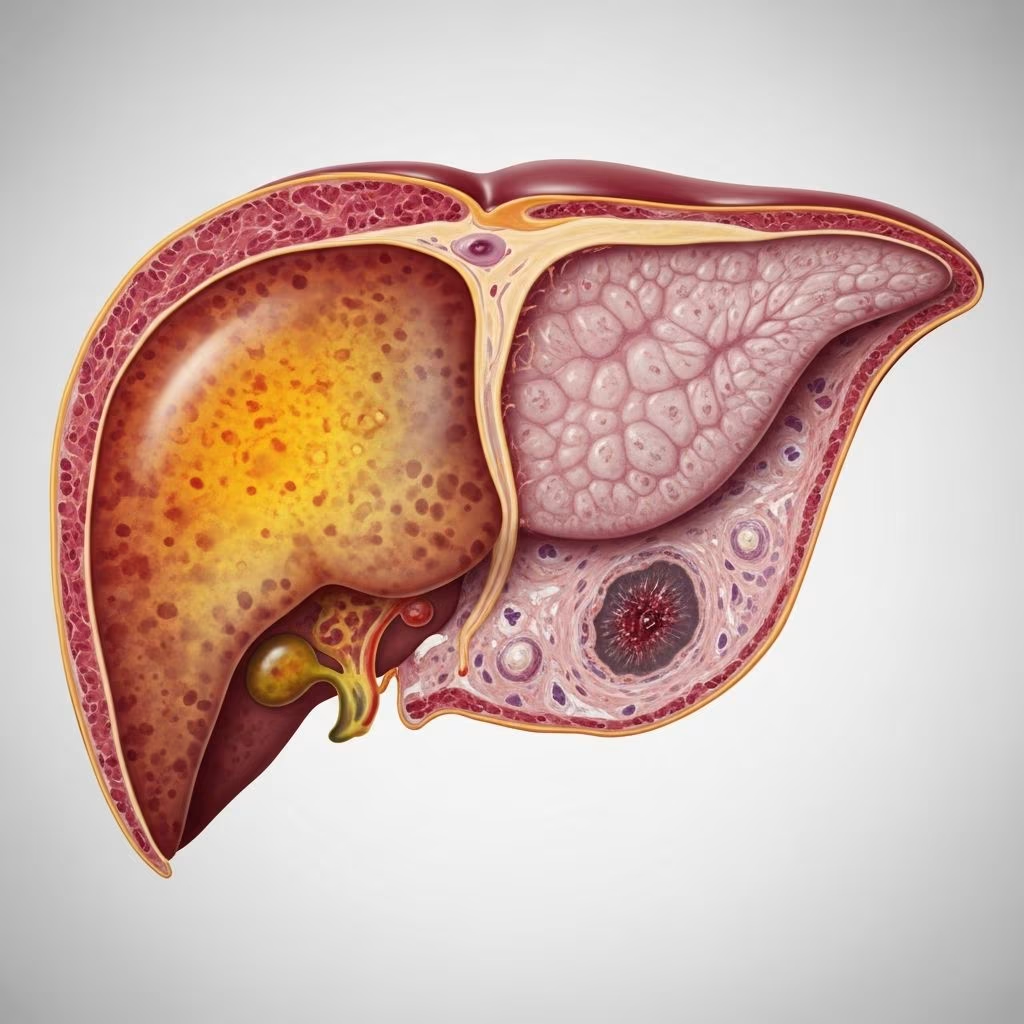
The liver stands as a cornerstone organ in large animals such as horses, cattle, sheep, and goats, performing vital roles in metabolism, detoxification, bile production, and protein synthesis. When hepatic function is compromised, it triggers a cascade of systemic issues that can severely impact animal health and productivity. This article examines the spectrum of liver disorders prevalent in these species, focusing on their origins, manifestations, evaluation methods, and management strategies. Understanding these conditions enables timely intervention, potentially averting progression to irreversible failure.
Key Functions of the Liver and Why It Matters
In large animals, the liver processes nutrients from the diet, stores glycogen for energy, synthesizes clotting factors and albumin, and eliminates toxins via bile. Its massive reserve capacity means symptoms often emerge only after substantial damage—typically over 70% loss of functional tissue. Horses and cattle, with their high-feed volumes and exposure to environmental toxins, are particularly susceptible. Early detection hinges on recognizing subtle signs before acute decompensation occurs.
Common Types of Hepatic Conditions
Hepatic diseases in large animals span acute toxicities, infectious processes, and chronic degenerative states. They are broadly classified by pathology: hepatocellular damage, cholestatic disorders, or mixed presentations.
- Acute Hepatotoxicities: Rapid-onset from plant toxins like pyrrolizidine alkaloids in contaminated hay, leading to massive necrosis.
- Cholestatic Diseases: Involving bile flow obstruction, such as cholangiohepatitis, common in horses.
- Chronic Fibrosing Hepatopathies: Progressive scarring from unresolved inflammation, seen across species.
- Metabolic Overloads: Including iron accumulation in certain breeds.
Cholangiohepatitis: A Frequent Culprit
Cholangiohepatitis represents inflammation extending from bile ducts into surrounding liver tissue, often starting as bacterial ascent from the gut. In horses, it predominates in middle-aged to older individuals, fostering biliary sludge or calculi formation. Cattle may develop similar suppurative forms tied to ascending coliform infections. Histologically, periportal fibrosis and bile duct proliferation mark advanced cases, impairing drainage and promoting secondary necrosis.
Progressive Fibrotic Liver Disease
This insidious condition evolves from initial insults like infections or toxins, culminating in widespread scarring. Inflammatory infiltrates—neutrophils in bacterial cases or lymphocytes in immune-mediated ones—drive fibrosis. Horses exhibit weight loss and intermittent fevers over months, while cattle show poor gains and dull coats. Lesions feature firm, shrunken livers with irregular surfaces.
Rare but Notable Syndromes
Hemochromatosis involves excessive iron deposition, notably in Salers cattle as a genetic recessive trait and sporadically in horses with cirrhosis. Signs include icterus, edema, and encephalopathy. Amyloidosis, linked to chronic inflammation or parasitism in horses, deposits fibrillar proteins distorting liver architecture. Right lobe atrophy in aged horses stems from mechanical compression by gut structures, causing localized ischemia without biliary involvement.
Recognizing Clinical Manifestations
Signs vary by disease stage and species but cluster around metabolic derangements. Nonspecific early indicators include lethargy, reduced appetite, and gradual weight loss. As dysfunction advances:
- Photosensitization in light-skinned areas due to phylloerythrin buildup.
- Icterus (jaundice) from bilirubin retention.
- Diarrhea, ventral edema, or coagulopathies from hypoalbuminemia and clotting deficits.
- Hepatic encephalopathy: yawning, circling, head pressing from hyperammonemia.
Horses often display behavioral shifts abruptly in end-stage disease, masking chronicity. Cattle present with unthriftiness and loose feces. Foals with congenital biliary issues show failure to thrive.
Diagnostic Approaches: From Labs to Biopsy
Diagnosis integrates history, clinical exam, and multimodal testing. Exposure to moldy feed or anthelmintic overuse flags toxicoses.
Biochemical Profiles
Liver enzymes signal injury: Sorbitol dehydrogenase (SDH) and glutamate dehydrogenase (GLDH) for acute hepatocyte damage; gamma-glutamyl transferase (GGT) and alkaline phosphatase (AP) for cholestasis. Aspartate aminotransferase (AST) rises broadly. Chronic cases may normalize enzymes despite fibrosis, revealing low albumin, BUN, glucose, and prolonged PT/PTT. Hyperglobulinemia reflects inflammation; elevated bile acids confirm dysfunction irrespective of enzymes.
| Parameter | Acute Injury | Cholestasis | Chronic Failure |
|---|---|---|---|
| SDH/GLDH | Markedly ↑ | Normal/↑ | Normal |
| GGT/AP | ↑ | Markedly ↑ | Variable |
| Bile Acids | ↑ | ↑↑ | ↑↑ |
| Albumin | Normal | Normal | ↓ |
Imaging and Invasive Tests
Ultrasonography detects fibrosis (increased echogenicity), calculi, or atrophy. A shrunken liver, especially right lobe in horses, supports chronicity. Liver biopsy via Jamshidi needle provides definitive histology and culture, revealing infiltrates, fibrosis extent, and pathogens. Aspirates risk sampling error.
Treatment Strategies and Supportive Care
Therapy targets etiology while bolstering synthetic function. Broad-spectrum antimicrobials (e.g., penicillins, potentiated sulfa) address bacterial cholangitis, guided by biopsy sensitivities. Corticosteroids benefit lymphocytic infiltrates. Support includes:
- IV fluids with dextrose for hypoglycemia/hypokalemia.
- Low-protein grass hay to curb ammonia.
- Antioxidants like SAMe or vitamin E.
- Lactulose or neomycin for encephalopathy.
Severe cases demand hospitalization; avoid hepatotoxins like phenylbutazone.
Prognostic Factors
Outcomes hinge on fibrosis severity, biopsy response, and residual function. Mild lymphocytic cases respond well to steroids (fair-good prognosis). Extensive bridging fibrosis or encephalopathy signals poor odds, especially in horses. Early intervention post-removal of toxins yields full recovery in many.
Prevention: Farm Management Essentials
Mitigate risks via pasture rotation to avoid toxic weeds, quality feed storage, strategic deworming, and vaccination against leptospirosis. Routine bloodwork in at-risk herds (e.g., aged horses) aids surveillance. Genetic screening for hemochromatosis in Salers benefits breeders.
Frequently Asked Questions (FAQs)
What are the first signs of liver trouble in horses?
Lethargy, poor appetite, and weight loss; photosensitivity follows in pale areas.
Can cattle recover from liver disease?
Yes, if under 70% damage and cause removed; chronic fibrosis worsens prognosis.
Is biopsy always needed for diagnosis?
Essential for chronic cases to assess fibrosis and guide therapy.
How does diet influence liver health?
Moldy hay introduces toxins; high-protein feeds exacerbate encephalopathy.
What breeds are prone to hemochromatosis?
Salers cattle genetically; sporadic in horses with overload.
Advances in Hepatic Care for Large Animals
Recent developments include targeted immunomodulators and improved ultrasound for early fibrosis detection. Research into microbiome roles in cholangitis promises novel probiotics. Stem cell therapies for regeneration are experimental but show promise in equine models.
References
- Chronic Progressive Hepatitis in Large Animals — MSD Veterinary Manual. 2023. https://www.msdvetmanual.com/digestive-system/hepatic-disease-in-large-animals/chronic-progressive-hepatitis-in-large-animals
- Gastroenterology 2. Hepatic and intestinal disorders — PMC/NIH. 2020-04-01. https://pmc.ncbi.nlm.nih.gov/articles/PMC7150257/
- Miscellaneous Hepatic Disorders in Large Animals — Merck Veterinary Manual. 2023. https://www.merckvetmanual.com/digestive-system/hepatic-disease-in-large-animals/miscellaneous-hepatic-disorders-in-large-animals



