
Liver Disease Mechanisms in Companion Animals
Understanding how hepatic injury develops and progresses in dogs and cats
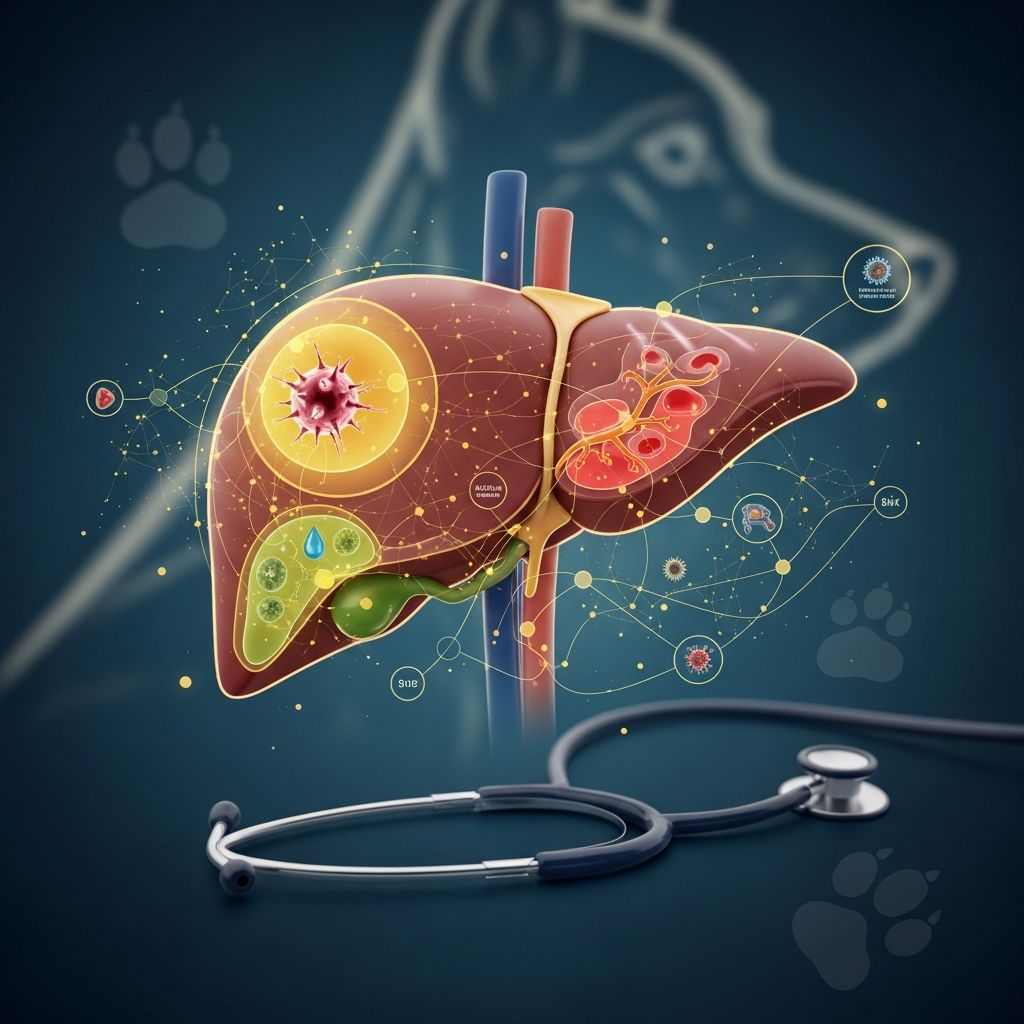
The liver represents one of the most vital organs in companion animals, yet its complexity and multifaceted functions make it particularly vulnerable to a wide spectrum of disorders. Unlike many organs that fail when only partially damaged, the liver possesses remarkable functional reserve and regenerative capacity. This characteristic means that significant tissue damage or prolonged, recurrent injury must occur before clinical signs become apparent. Understanding the underlying mechanisms of how liver disease develops is essential for veterinary professionals and pet owners alike, as early recognition of pathophysiological changes can lead to more effective intervention and improved outcomes.
The Liver’s Unique Structural Position and Its Consequences
The liver occupies a strategic anatomical position within the body that paradoxically makes it both essential and vulnerable. Situated between the systemic circulation and the gastrointestinal tract, the liver receives nutrient-rich blood directly from the portal vein, which carries absorbed substances from the digestive system. This sentinel position places the organ in constant contact with dietary components, microbial byproducts, and potential toxins.
Within the liver, a specialized population of immune cells called Kupffer cells (resident hepatic macrophages) continuously patrol the sinusoids—the specialized capillary structures that line the liver’s vascular network. These vigilant cells perform essential phagocytic functions, removing cellular debris, bacterial endotoxins, and other potentially harmful particles from circulating blood. Alongside Kupffer cells, liver sinusoidal endothelial cells (LSECs) contribute to this protective role while simultaneously performing critical metabolic and immunological functions.
When systemic disorders develop elsewhere in the body, the liver frequently sustains secondary injury due to its role as a filter and processing center. This explains why liver enzyme elevations often accompany infections, metabolic disturbances, or inflammatory conditions affecting distant organ systems.
Cellular Injury Patterns and Enzyme Release Mechanisms
Active liver injury initiates a cascade of biochemical events that manifest as measurable changes in blood enzyme concentrations. The most commonly monitored hepatic enzymes—alanine aminotransferase (ALT), aspartate aminotransferase (AST), alkaline phosphatase (ALP), and gamma-glutamyl transferase (GGT)—each provide distinct information about the type and location of hepatic damage occurring.
Transaminase elevation occurs when hepatocytes experience acute membrane damage. The process begins with a phenomenon called membrane blebbing, where the cell membrane develops temporary protrusions and becomes increasingly permeable. This reversible disruption allows normally intracellular enzymes to leak into the bloodstream, where laboratory tests detect them. The degree of transaminase elevation generally correlates with the extent of acute cellular damage but does not necessarily indicate the severity of functional hepatic impairment.
In contrast, alkaline phosphatase and GGT elevations reflect different pathological processes. Rather than acute leakage, these enzyme increases result from gene-transcriptional responses within hepatocytes and bile duct cells, representing actual enzyme induction in response to injury. Additionally, direct damage to the cholangiocytes (bile duct epithelial cells) or cholestasis—impaired bile flow—can trigger ALP and GGT elevation. This distinction is clinically important because enzyme patterns help veterinarians differentiate between acute hepatocellular necrosis and cholestatic or obstructive patterns of liver disease.
The Role of Oxidative Stress and Metabolic Vulnerability
The liver performs an enormous array of metabolic and detoxification functions that simultaneously expose hepatocytes to significant injury risk. The centrilobular region of the hepatic lobule contains high concentrations of cytochrome P450 enzymes, which catalyze thousands of bioactivation and detoxication reactions. These enzymatic processes are essential for drug metabolism and toxin neutralization, but they generate potentially injurious metabolites and oxidative free radicals as byproducts.
This creates a paradox: the very mechanisms that protect the body from toxins can generate harmful reactive oxygen species. Under normal circumstances, hepatic antioxidant defenses neutralize these radicals before they cause damage. However, when detoxification demand exceeds the hepatocyte’s protective capacity—whether from repeated toxin exposure, acute poisoning, or systemic inflammatory conditions—oxidative stress ensues, leading to cellular damage.
Hepatocytes in the centrilobular zone face additional vulnerability during systemic hypoxemia because these cells receive the last and least oxygen-rich blood flowing through the sinusoids. Consequently, conditions causing poor oxygenation disproportionately damage the hepatocytes most dependent on oxidative energy production, creating a pattern of centrilobular necrosis.
Inflammatory Cascades and Hepatic Macrophage Activation
The extensive population of Kupffer cells within the liver, while essential for immune defense, represents a double-edged sword in hepatic pathophysiology. When these macrophages become activated—through exposure to bacterial endotoxins (lipopolysaccharide or LPS), inflammatory mediators, or pathogenic organisms—they release a potent arsenal of pro-inflammatory cytokines including tumor necrosis factor-alpha (TNF-α), interleukin-6 (IL-6), and interleukin-1 beta (IL-1β).
These cytokines trigger a coordinated molecular cholestasis by downregulating and impairing the function of bile transporters located on hepatocyte membranes, bile canalicular surfaces, and bile duct epithelial cells. Nuclear receptors and transcription factors orchestrate this response, fundamentally altering the liver’s ability to secrete bile efficiently. This inflammatory-mediated cholestasis can develop rapidly in response to systemic infections or inflammatory conditions, even without direct viral or bacterial invasion of hepatic tissue.
The inflammatory cascade extends beyond enzyme induction, as recruited neutrophils and other immune cells infiltrate hepatic tissue, causing local tissue damage and further perpetuating injury. In chronic inflammatory conditions, this ongoing recruitment of immune cells can lead to progressive fibrosis, where normal liver parenchyma is replaced by fibrous connective tissue, permanently compromising hepatic function.
Ischemic and Hypoxic Injury Patterns
The liver’s extensive vascular network makes it exquisitely sensitive to disturbances in blood flow and oxygen delivery. Hypoxic hepatitis—injury resulting from inadequate oxygen availability—can develop through multiple mechanisms. Hypoxemic hypoxia occurs when arterial blood oxygen levels fall due to respiratory disease, severe anemia, or conditions affecting hemoglobin oxygen-carrying capacity. Alternatively, decreased sinusoidal perfusion from shock, cardiac dysfunction, or localized vascular obstruction deprives hepatocytes of necessary blood flow regardless of systemic oxygen levels.
Ischemic injury frequently complicates severe systemic conditions such as sepsis or metabolic cholestasis. The combination of poor perfusion and metabolic dysfunction creates a perfect environment for hepatocyte death, often resulting in marked elevation of liver enzymes and rapid deterioration of hepatic synthetic function. Additionally, when normal blood flow is restored after an ischemic episode, reperfusion injury can paradoxically cause additional damage through free radical generation and inflammatory activation.
Infectious Agents and Hepatic Involvement
Infectious diseases frequently target the liver either as a primary focus or as part of systemic infection. Certain infectious agents demonstrate particular hepatic tropism—a preferential affinity for liver tissue. For example, some strains of Leptospira bacteria preferentially damage hepatocytes, causing acute hepatic necrosis with minimal involvement of other organs, while other bacterial or viral agents cause systemic dissemination with liver injury as one manifestation among many.
Infectious agents trigger hepatic injury through multiple pathways. Viral infections may directly invade and lyse hepatocytes, while bacterial infections activate inflammatory responses within hepatic tissue. Some infections, particularly those causing intracellular bacterial colonization, provoke a distinctive inflammatory pattern called pyogranulomatous hepatitis, characterized by infiltrates of macrophages and neutrophils forming granulomatous lesions. With chronicity, these inflammatory infiltrates can destroy large hepatic areas, creating extinct parenchyma devoid of functional tissue.
The Critical Distinction: Injury Versus Dysfunction
A fundamental concept in hepatic pathophysiology that often perplexes both veterinarians and pet owners is the distinction between measurable hepatic injury and clinical hepatic dysfunction. Enzyme elevations indicate that hepatocyte damage or bile duct injury is occurring, but they do not necessarily correlate with the liver’s actual ability to perform its essential functions.
The liver’s remarkable functional reserve means that animals can lose 70-80% of functional hepatic tissue before clinical signs of hepatic insufficiency appear. Conversely, profound hepatic dysfunction can develop from subcellular damage caused by bacterial toxins without producing dramatic histological changes. This disconnect between enzyme levels and clinical severity creates diagnostic challenges and explains why some animals with dramatically elevated liver enzymes maintain reasonable quality of life, while others with moderately elevated enzymes develop serious complications.
Mechanisms of Regeneration and Recovery
The liver’s regenerative capacity represents one of its most remarkable characteristics. Following partial hepatectomy or acute injury, hepatocytes rapidly proliferate to restore lost mass and function. Growth factors, particularly hepatocyte growth factor and epidermal growth factor, orchestrate this regenerative response. However, this regenerative capacity has limits: chronic, recurrent injury can exhaust hepatocytes’ ability to regenerate, leading to progressive fibrosis and cirrhosis where normal hepatic architecture is permanently disrupted.
Understanding whether liver injury is acute and potentially reversible versus chronic and progressive has profound implications for treatment strategies. Acute hepatocellular injury with preserved synthetic function may respond well to supportive care and removal of the injurious stimulus. In contrast, chronic hepatic injury with architectural distortion and functional loss requires long-term management strategies aimed at slowing progression and supporting remaining hepatic function.
Key Pathophysiological Concepts Summary
- Functional reserve: The liver can sustain significant damage before clinical manifestations appear, requiring considerable injury to cause overt disease
- Enzyme interpretation: Transaminase elevations indicate acute cellular damage, while ALP/GGT elevations suggest cholestasis or enzyme induction
- Inflammatory activation: Kupffer cell and LSEC activation releases cytokines that impair bile transport and recruit additional immune damage
- Oxidative vulnerability: Cytochrome P450-mediated metabolic reactions generate free radicals that can overwhelm antioxidant defenses
- Hypoxic sensitivity: Centrilobular hepatocytes are particularly vulnerable to oxygen deprivation due to their position in the sinusoidal blood flow pattern
- Secondary injury risk: The liver’s sentinel anatomical position makes it prone to injury from systemic disorders affecting distant organs
Clinical Implications for Early Recognition
Understanding hepatic pathophysiology enables veterinary professionals to recognize early warning signs of liver disease before irreversible damage occurs. Regular monitoring of liver enzymes during systemic illness, appropriate use of hepatoprotective medications during high-risk periods, and prompt treatment of infections reduce the progression from reversible injury to irreversible dysfunction.
Pet owners should be aware that subtle clinical signs such as mild appetite reduction, occasional vomiting, or lethargy may indicate hepatic compromise, particularly in animals with concurrent systemic disease. Early veterinary evaluation can identify enzyme abnormalities before functional hepatic failure develops, allowing interventions that preserve remaining hepatic capacity.
References
- Overview of Pathophysiology of Hepatic Disease in Small Animals — Merck Veterinary Manual. 2025. https://www.merckvetmanual.com/digestive-system/pathophysiology-of-hepatic-disease-in-small-animals/overview-of-pathophysiology-of-hepatic-disease-in-small-animals
- Infectious Diseases of the Liver in Small Animals — Merck Veterinary Manual. 2025. https://www.merckvetmanual.com/digestive-system/hepatic-diseases-of-small-animals/infectious-diseases-of-the-liver-in-small-animals
- Infectious Hepatopathies in Dogs and Cats — PubMed Central, National Institutes of Health. 2020. https://pmc.ncbi.nlm.nih.gov/articles/PMC7104989/
- Hepatic Microvascular Dysplasia — VCA Animal Hospitals. 2025. https://vcahospitals.com/know-your-pet/hepatic-microvascular-dysplasia
- Hepatic Lipidosis — Cornell University College of Veterinary Medicine. 2025. https://www.vet.cornell.edu/departments-centers-and-institutes/cornell-feline-health-center/health-information/feline-health-topics/hepatic-lipidosis
Similar Articles








Read full bio of medha deb


