
Liver Disease in Dogs: Causes, Symptoms & Treatment
Complete guide to understanding, diagnosing, and managing liver disease in dogs.
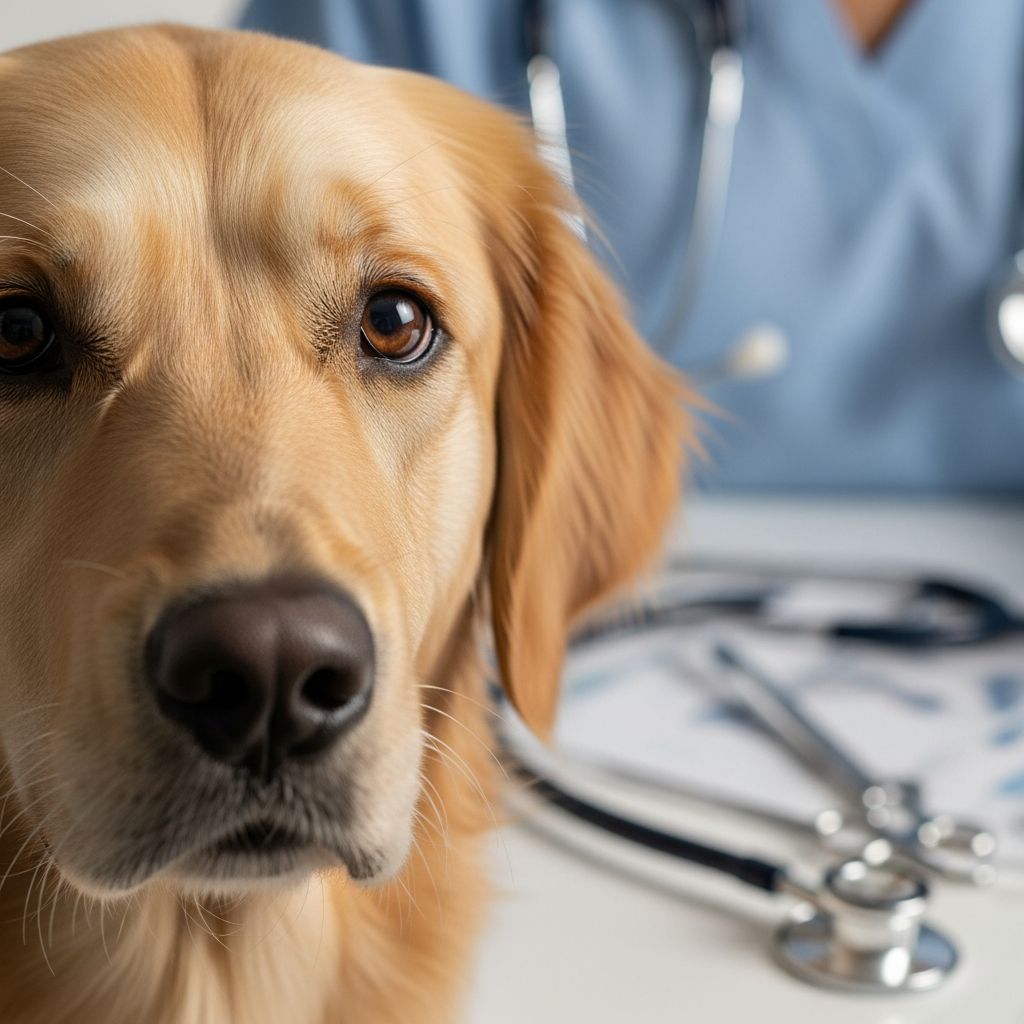
Understanding Liver Disease in Dogs
The liver is one of the most vital organs in your dog’s body, responsible for filtering toxins, processing nutrients, and producing essential proteins for blood clotting. When liver disease develops, it can significantly impact your dog’s overall health and quality of life. Liver disease in dogs is a serious condition, but when caught early, many cases can be reversed or effectively managed with appropriate treatment and lifestyle modifications.
Liver disease can affect dogs of any age, though it becomes more common as dogs get older. Some dogs may develop acute liver disease, which occurs suddenly, while others may suffer from chronic liver disease that develops gradually over time. Understanding the signs, causes, and treatment options is essential for every dog owner.
What Causes Liver Disease in Dogs?
Liver disease in dogs can result from various underlying conditions and factors. The causes are diverse and range from infections and toxins to genetic predispositions and medication side effects.
Acute Liver Failure
Acute liver failure represents a sudden loss of liver function caused by damage to a previously healthy liver or overwhelming stress on an already compromised liver. This is a medical emergency requiring immediate veterinary attention. Common causes include trauma from accidents, poisoning from toxic substances, and infections such as leptospirosis.
Acute Hepatitis
Acute hepatitis occurs when the liver becomes inflamed very suddenly. The inflammation can be triggered by toxins, viruses, medications, bacterial infections (particularly Leptospira), and fungi. A veterinarian specializing in infectious diseases may be consulted for severe cases. Some mild infections may be resolved with a single treatment and never become a concern again.
Chronic Hepatitis
Chronic hepatitis develops gradually over time and may be caused by various underlying conditions, including inflammatory bowel disease, pancreatitis, and immune-mediated disorders. Certain dog breeds, such as Doberman Pinschers and English Springer Spaniels, appear to have genetic predispositions to chronic hepatitis.
Fungal Infections
Fungal infections like coccidioidomycosis and histoplasmosis represent significant causes of liver disease in dogs. Dogs become exposed to these fungi through inhaling or ingesting spores in their environment, particularly when hiking in areas where these fungi are prevalent. These infections are notoriously difficult to cure and often require anti-fungal medications for extended periods of months.
Medication and Toxin-Related Damage
Certain medications can cause liver damage, including high doses of acetaminophen, specific antibiotics, and anti-epileptic drugs. Additionally, toxin exposure from household chemicals, certain plants, mushrooms, blue-green algae, and human medications can cause rapid and severe liver damage.
Endocrine Diseases
Diseases affecting the endocrine glands that control hormones can lead to liver dysfunction. Diabetes mellitus, hyperadrenocorticism (Cushing’s disease), and hyperthyroidism can all impair liver function. Treating the underlying endocrine disease is crucial for improving liver function.
Congenital and Structural Issues
Some dogs are born with liver problems, such as portosystemic shunts, which affect the liver’s blood vessel structure. While congenital problems often cause symptoms early in life, some dogs may not show symptoms until they are older.
Other Contributing Factors
Additional causes include sepsis (a severe blood infection that can damage the liver), cancer, age-related changes, and complications from other systemic diseases.
Recognizing Symptoms of Liver Disease
The symptoms of liver disease in dogs can be variable and often non-specific, making early recognition challenging. Some dogs may exhibit mild symptoms that gradually worsen, while others may show severe symptoms suddenly.
Common Clinical Signs
Early signs of liver disease often include loss of appetite, weight loss, increased drinking and urination, lethargy, vomiting, and diarrhea. These symptoms can fluctuate, waxing and waning over time. Some dogs may experience abdominal pain or discomfort.
Jaundice
One of the most recognizable symptoms of liver disease is jaundice, which causes a yellowish coloring in a dog’s eyes, gums, skin, and ears. This occurs because the liver is responsible for processing bilirubin, a by-product from the breakdown of red blood cells. When the liver isn’t functioning normally, bilirubin accumulates in the bloodstream, leading to jaundice.
Behavioral Changes
Dogs with liver disease may experience confusion, disorientation, and in severe cases, seizures due to the buildup of toxins in the bloodstream that should have been filtered by the liver.
Diagnosis of Liver Disease
Proper diagnosis is essential for determining the underlying cause and developing an effective treatment plan. Your veterinarian will use multiple diagnostic tools to evaluate your dog’s liver function.
Diagnostic Tests
The diagnostic process typically includes blood tests that measure specific liver markers such as alkaline phosphatase (ALP) and alanine aminotransferase (ALT). Urine tests may reveal additional clues about kidney and liver function. Ultrasound scans and X-rays provide imaging of the liver and surrounding organs to identify structural abnormalities, tumors, or cysts.
Liver Biopsy
In some cases, your veterinarian may recommend a liver biopsy to obtain tissue samples for laboratory analysis. This can often be performed using a needle during an ultrasound scan or during surgery. The biopsy provides definitive information about the type and extent of liver damage.
Treatment Options for Liver Disease
Treatment for liver disease in dogs depends on the underlying cause, severity of symptoms, and your dog’s overall health status. The liver has remarkable regenerative capabilities, so if the underlying problem is treatable, the liver can often recover and resume normal function.
Supportive Care
Regardless of the specific diagnosis, supportive care forms the foundation of treatment for most dogs with liver disease. This typically includes intravenous (IV) or subcutaneous (SQ) fluid administration to maintain hydration and support organ function.
Medications and Antibiotics
Antibiotics are essential when liver inflammation is caused by bacterial infections. Additionally, your veterinarian may prescribe medications such as Ursodiol, which decreases both the amount of cholesterol made by the liver and absorbed by the intestines. Antioxidants, steroids, and hepatoprotective supplements may also be recommended to reduce liver inflammation and prevent scarring (cirrhosis).
Immunosuppressive Therapy
For immune-mediated hepatitis, particularly in breeds like Doberman Pinschers and English Springer Spaniels, immunosuppressive medications such as prednisolone or cyclosporine may be prescribed to suppress the abnormal immune response damaging the liver.
Surgical Intervention
Surgery may be an option for dogs with liver tumors, cysts, or portosystemic shunts that can be surgically corrected.
Nutritional Management and Diet
Diet plays a crucial role in managing liver disease in dogs. Proper nutrition can significantly reduce symptoms and support liver recovery.
Hepatic Diet Composition
Dogs with liver disease typically benefit from a specialized hepatic diet specifically formulated to support liver function. A diet low in protein helps minimize toxins in the bloodstream, particularly ammonia, which accumulates when the liver cannot process waste products effectively. The diet should be higher in carbohydrates while maintaining controlled protein levels.
Copper Reduction
Some dogs require a diet with reduced copper levels, as copper accumulation can worsen liver damage in susceptible individuals. Your veterinarian may prescribe special low-copper commercial diets or recommend supplements containing ingredients that bind copper.
Palatability and Nutritional Balance
Hepatic dog food must be extra appetizing because dogs with liver disease often have reduced appetite and may refuse to eat. The diet must provide all necessary nutrients and calories to support recovery without putting undue stress on the compromised liver.
Liver Supplements and Nutraceuticals
Supplements designed to protect and repair the liver are frequently recommended as part of comprehensive liver disease management.
Common Liver Supplements
S-adenosylmethionine (SAM-E) and silibinin (silymarin), also known as milk thistle, are among the most commonly recommended liver supplements. Denamarin, which combines SAMe and silybin, is also frequently prescribed to help reduce copper levels and support liver function. These supplements help the liver recover and protect remaining healthy tissue from further damage.
Duration of Supplementation
Some dogs only require supplements for a short period while recovering from acute liver problems, while dogs suffering from chronic liver disease often benefit from staying on supplements for the rest of their lives.
Prognosis and Long-term Management
The prognosis for liver disease in dogs varies significantly depending on the underlying cause, stage of disease, and how quickly treatment is initiated.
Acute Liver Disease Prognosis
Dogs with acute, treatable liver disease often have a favorable prognosis, especially when caught early and appropriate treatment is provided promptly. The liver’s regenerative capacity means that many acute conditions can resolve completely with proper care.
Chronic Liver Disease Prognosis
Chronic or severe liver disease carries a poorer prognosis. When a dog is diagnosed with chronic liver disease, treatment focuses on managing disease progression and minimizing symptoms rather than achieving complete recovery. Ongoing management includes regular veterinary checkups, consistent medication administration, dietary compliance, and monitoring for complications.
Fungal Infection Prognosis
Dogs with fungal liver infections have a guarded long-term prognosis due to the difficulty in treating fungal diseases and the prolonged treatment period required.
When to Seek Emergency Veterinary Care
Certain symptoms require immediate emergency veterinary attention, including sudden onset of severe vomiting, jaundice, confusion or disorientation, seizures, or signs of acute illness. Toxin exposure is a medical emergency requiring rapid treatment to remove the toxin and provide supportive care before the liver sustains irreversible damage.
Frequently Asked Questions About Liver Disease in Dogs
Q: Can liver disease in dogs be cured?
A: The liver has remarkable regenerative abilities. If liver disease is caught early and the underlying cause is treatable, the liver can often recover completely. However, chronic or severe liver disease can only be managed through ongoing treatment and lifestyle modifications rather than cured.
Q: How long can a dog live with liver disease?
A: The lifespan depends on the type and severity of liver disease. Dogs with acute, treatable liver disease may have normal lifespans. Those with chronic liver disease can live for months to years with proper management, though quality of life varies based on disease progression and treatment effectiveness.
Q: What foods should I avoid for a dog with liver disease?
A: Avoid high-protein foods, fatty foods, and foods containing potentially toxic ingredients. Foods high in copper should also be avoided. Your veterinarian should prescribe a specific hepatic diet tailored to your dog’s condition.
Q: Are certain dog breeds more prone to liver disease?
A: Yes, certain breeds such as Bedlington Terriers, Doberman Pinschers, and English Springer Spaniels have genetic predispositions to liver disease, particularly immune-mediated hepatitis.
Q: How often should my dog with liver disease visit the veterinarian?
A: Dogs with liver disease require regular veterinary monitoring. Your vet may recommend monthly checkups initially, with frequency adjusted based on disease progression and treatment response.
Q: Can liver disease in dogs be prevented?
A: While some causes cannot be prevented, you can reduce risk by avoiding toxic substances, maintaining current vaccinations to prevent infectious diseases like leptospirosis, keeping medications at appropriate doses, and ensuring your dog maintains a healthy weight and lifestyle.
References
- Liver Disease in Dogs: Symptoms, Causes, and Treatments — GoodRx Pet Health. 2024. https://www.goodrx.com/pet-health/dog/liver-disease-in-dogs
- Liver Disease in Dogs’ — Small Door Veterinary. 2024. https://www.smalldoorvet.com/learning-center/medical/liver-disease-dogs
- Liver Disease in Dogs: Symptoms and Causes — WebMD Pets. 2024. https://www.webmd.com/pets/dogs/liver-disease-liver-failure-dogs
- Liver Disease in Dogs — PetMD. 2024. https://www.petmd.com/dog/conditions/digestive/liver-disease-dogs
- Liver Disease in Dogs — PDSA. 2024. https://www.pdsa.org.uk/pet-help-and-advice/pet-health-hub/conditions/liver-disease-in-dogs
- Liver Disease in Dogs: Symptoms, Stages & Treatment — Pooch and Mutt. 2024. https://www.poochandmutt.co.uk/blogs/health/liver-disease-in-dogs-symptoms-stages-treatment
- Liver Failure in Dogs: Emergency Signs & Immediate Actions — Global School of Veterinary Science and Practice. 2024. https://gsvs.org/blog/liver-failure-dogs-emergency-actions/
Similar Articles








Read full bio of Sneha Tete


