

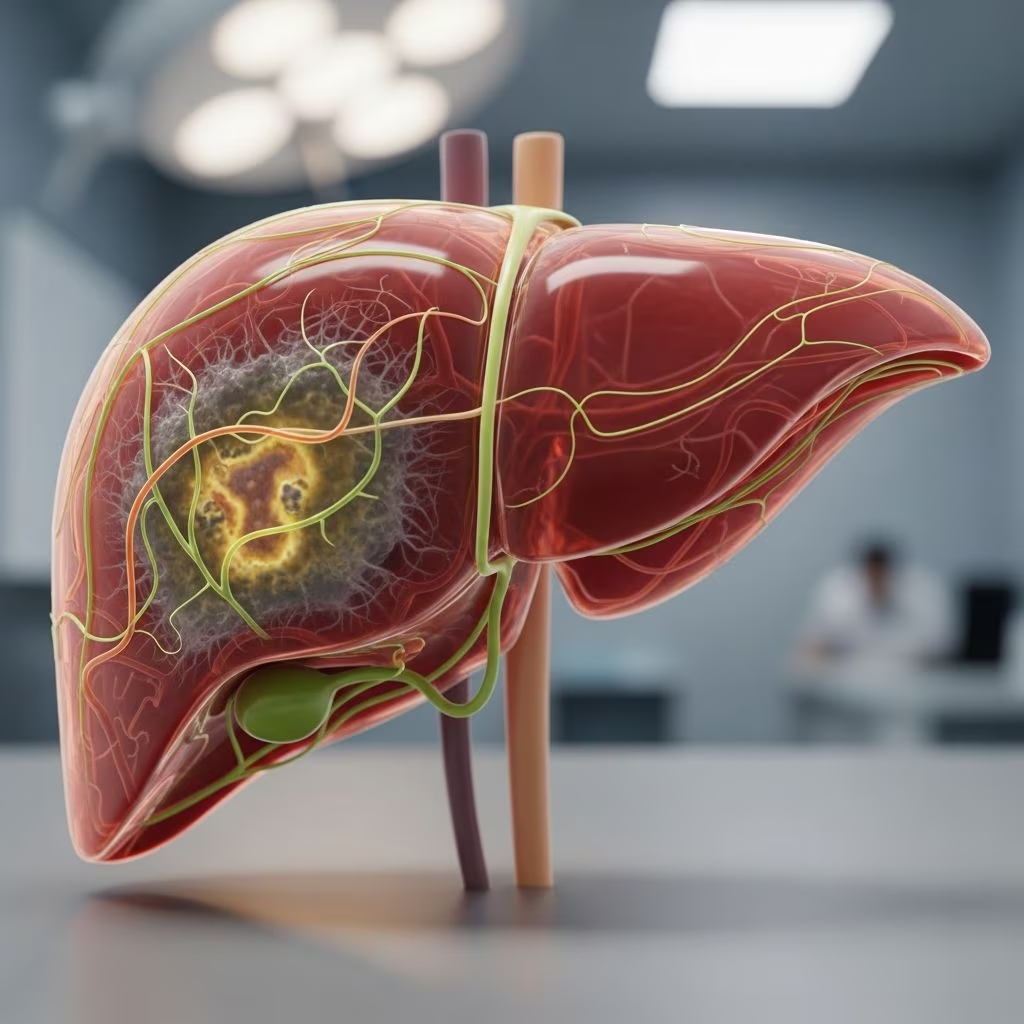
Understanding Liver Disease in Cats
The liver is one of the most vital organs in your cat’s body, playing a crucial role in digestion, metabolism, nutrient processing, and detoxification. When liver disease develops in cats, it can significantly impact their overall health and quality of life. Understanding the signs, causes, and available treatment options is essential for every cat owner to ensure their feline companion receives timely care and appropriate management.
Liver disease in cats can range from mild to severe and may develop gradually or occur suddenly. Early detection and intervention can make a substantial difference in your cat’s prognosis and treatment outcomes. This comprehensive guide will help you understand what you need to know about feline liver disease.
Common Causes of Liver Disease in Cats
Liver disease in cats can stem from various causes, and identifying the underlying reason is critical for effective treatment. Understanding these potential causes can help you take preventive measures and recognize risk factors in your own pet.
Hepatic Lipidosis (Fatty Liver Disease)
Hepatic lipidosis is one of the most common liver conditions in cats and occurs when excessive fat accumulates in the liver cells. This condition frequently develops secondary to other illnesses or prolonged anorexia. Cats that stop eating for extended periods are particularly susceptible to hepatic lipidosis, making it a serious concern for indoor cats experiencing stress or illness.
Inflammatory Liver Conditions
Feline cholangiohepatitis and hepatitis are inflammatory conditions affecting the liver. These conditions can result from infections, immune system dysfunction, or idiopathic causes where the underlying reason remains unknown despite thorough investigation.
Portosystemic Shunts
Portosystemic shunts are typically congenital conditions present from birth. In this condition, blood vessels bypass the liver instead of flowing through it, preventing the liver from filtering toxins properly. This developmental abnormality requires specialized diagnosis and may be managed surgically in many cases.
Toxin Exposure
Cats can develop liver disease from exposure to various toxins, including:
– Blue-green algae from contaminated water
– Mycotoxins from moldy or spoiled food
– Rodenticides (rat poison)
– Pine oil and other household chemicals
– Certain medications when given inappropriately
Other Potential Causes
Additional causes of liver disease in cats may include liver cancer, infections, metabolic disorders, and breed-specific predispositions. Some cats develop liver disease as a secondary condition resulting from diabetes, hyperthyroidism, or other systemic diseases.
Recognizing Symptoms of Liver Disease
The symptoms of liver disease in cats can be subtle and nonspecific, making early recognition challenging. However, being aware of potential warning signs allows you to seek veterinary care promptly.
Early Signs of Liver Disease
In the early stages of liver disease, symptoms are often vague and may include:
– Lethargy and decreased activity levels
– Loss of appetite or inappetence
– Vomiting
– Diarrhea
– Weight loss
– Increased thirst and urination
– Abdominal discomfort or pain
Advanced Symptoms
As liver disease progresses and more liver damage occurs, symptoms become increasingly severe:
– Jaundice (yellowing of the skin, eyes, gums, and inner ear)
– Ascites (fluid accumulation in the abdomen causing abdominal swelling)
– Unusual bruising or bleeding from the nose, mouth, or rectum
– Black tarry stools (melena)
– Vomiting blood
– Neurologic changes including head pressing, circling, lack of coordination, and behavioral alterations
– Seizures
– Blindness
– Coma in severe cases
– Collapse
Diagnosis of Feline Liver Disease
Veterinary diagnosis of liver disease typically involves multiple diagnostic approaches to determine the underlying cause and severity of the condition.
Blood Work and Laboratory Tests
Comprehensive blood panels can reveal elevated liver enzymes and abnormalities in blood chemistry that indicate liver dysfunction. These tests help veterinarians assess liver function and identify metabolic imbalances.
Imaging Studies
Ultrasound and radiographs allow veterinarians to visualize the liver’s size, structure, and appearance. These imaging techniques can detect changes, masses, blockages, or other abnormalities that suggest liver disease.
Liver Biopsy
A liver biopsy involves collecting a small tissue sample from the liver for microscopic examination. This procedure provides definitive diagnosis of many liver conditions and helps determine the specific type and severity of liver disease present.
Bile Sample Analysis
In some cases, veterinarians may recommend analyzing bile samples to assess bile duct function and identify potential infections or abnormalities.
Treatment Options for Liver Disease in Cats
Treatment for liver disease in cats depends on the underlying cause, severity, and your cat’s overall condition. The good news is that the liver has remarkable regenerative capacity in many situations.
Supportive Care
Supportive care forms the foundation of liver disease treatment and includes:
– Intravenous (IV) or subcutaneous fluid therapy to correct dehydration and maintain electrolyte balance
– Blood or plasma transfusions when necessary for cats with clotting disorders
– Anti-nausea medications to manage vomiting
– Pain management to keep your cat comfortable
– Antacids and gastroprotectants to reduce stomach irritation
Nutritional Support
Dietary management is critical in treating liver disease. Cats with liver disease typically require:
– High-calorie, easily digestible foods that require less metabolic work
– Prescription hepatic diets formulated with appropriate protein levels, higher antioxidants, and reduced copper content
– Small, frequent meals to promote consistent nutrient intake
– Feeding tubes in cases where cats refuse to eat, as nutritional support is essential for liver recovery
Medications and Supplements
Veterinarians commonly recommend several medications and supplements to support liver function:
– SAMe (S-adenosylmethionine) to support liver cell function and reduce inflammation
– N-acetylcysteine as an antioxidant to protect liver cells
– Milk thistle derivatives (silymarin) and ursodiol to support bile flow and liver function
– Vitamin K1 to aid blood clotting in cats with coagulation problems
– B vitamins and potassium supplementation as needed
– Antibiotics for infectious conditions or hepatic encephalopathy management
– Antioxidants to reduce oxidative stress on liver tissue
Specialized Treatments
Depending on the underlying cause, additional treatments may be necessary:
– Surgical repair of portosystemic shunts, which is often curative
– Surgical removal of bile duct blockages or gallbladder disease
– Chemotherapy for liver cancer cases
– Immunosuppressive medications for inflammatory liver conditions
– Steroids to reduce inflammation in hepatitis cases
Intensive Nursing Care
Cats with severe liver disease require careful nursing care, including:
– Frequent position changes to prevent pressure ulcers
– Soft, clean bedding to maintain comfort
– Keeping the cat dry and clean
– Enemas and medications to manage hepatic encephalopathy symptoms
Managing Hepatic Lipidosis Specifically
Hepatic lipidosis requires particular attention due to its unique treatment needs. Nutritional support is the cornerstone of treatment for this condition.
Initially, cats with hepatic lipidosis require hospitalization where veterinarians can correct dehydration, manage vomiting, and establish feeding protocols. Intravenous fluids help restore electrolyte balance while anti-vomiting medications reduce nausea that prevents eating.
Feeding tube placement is often recommended for hepatic lipidosis management, as it provides reliable nutrition without relying on the cat’s voluntary appetite. Modern feeding tube techniques have replaced outdated syringe-feeding methods that could cause food aversion. Feeding tubes are typically left in place until the cat consistently consumes adequate calories independently, which may take 2-3 months.
Once the cat tolerates tube feedings well, discharge from the hospital occurs to minimize stress, though tube care continues at home under veterinary guidance.
Prognosis and Recovery
The prognosis for cats with liver disease varies depending on the underlying cause, severity at diagnosis, and how quickly treatment begins. Several factors influence recovery prospects:
– Liver disease caused by specific, identifiable toxins may be reversible if treatment begins early
– Hepatic lipidosis has a favorable prognosis when nutritional support is provided promptly
– Portosystemic shunts that are surgically repaired typically have excellent outcomes
– Inflammatory conditions managed with appropriate medications and diet often improve significantly
– Advanced cirrhosis and end-stage liver failure carry more guarded prognoses
The liver’s remarkable regenerative capacity means that many cats can recover substantially from liver damage when appropriate treatment is provided early and consistently.
Prevention Tips for Liver Health
While not all liver disease can be prevented, several measures can reduce your cat’s risk:
– Maintain a healthy weight through appropriate diet and exercise
– Provide high-quality nutrition with balanced nutrients
– Prevent access to toxins, including household chemicals, rodenticides, and contaminated water
– Keep your cat’s living environment clean and stress-free
– Ensure regular veterinary check-ups for early detection of health issues
– Manage other chronic conditions like diabetes and hyperthyroidism
– Avoid overfeeding and provide consistent meal schedules
When to Seek Emergency Care
Contact your veterinarian immediately or visit an emergency clinic if your cat shows:
– Severe lethargy or collapse
– Repeated vomiting or inability to keep food down
– Signs of internal bleeding (blood in vomit or stool)
– Jaundice or yellowing of skin and eyes
– Abdominal distension or visible pain
– Neurologic signs like seizures, disorientation, or loss of consciousness
– Sudden loss of appetite lasting more than 24 hours in an overweight cat
Frequently Asked Questions About Feline Liver Disease
Q: Can liver disease in cats be cured?
A: The curability of liver disease depends on the underlying cause. Some conditions, like those caused by specific toxins or portosystemic shunts, can be cured with appropriate treatment. Others, like advanced cirrhosis, can be managed but not completely reversed. The liver’s regenerative capacity means many cats improve significantly with early intervention.
Q: How long can a cat live with liver disease?
A: Life expectancy varies widely depending on the type and severity of liver disease, the cat’s age, and how well they respond to treatment. Some cats live for years with properly managed liver disease, while others with advanced disease may have shorter survival times. Your veterinarian can provide more specific predictions based on your cat’s condition.
Q: What diet should I feed my cat with liver disease?
A: Cats with liver disease typically benefit from prescription hepatic diets formulated to be highly digestible, with controlled protein levels and reduced copper content. Your veterinarian can recommend appropriate commercial diets or discuss dietary modifications specific to your cat’s condition.
Q: Is liver disease in cats painful?
A: Yes, liver disease can cause abdominal pain and discomfort. Veterinarians address this through pain management medications and supportive care to ensure your cat’s comfort throughout treatment.
Q: Can I treat my cat’s liver disease at home?
A: While cats with stable liver disease may be managed at home, initial diagnosis and treatment typically require veterinary hospitalization. Home management may include administering medications, managing feeding tubes, and providing supportive care under veterinary supervision.
Q: What toxins are most dangerous for cat livers?
A: Blue-green algae, mycotoxins from spoiled food, rodenticides, certain medications, and pine oil are among the most harmful toxins for cats. Medications like acetaminophen (Tylenol) are particularly toxic to cats. Always contact Pet Poison Hotline (855-764-7661) if you suspect toxin exposure.
References
- Acute Liver Failure in Cats: Signs and Treatment — PetMD. 2024. https://www.petmd.com/cat/conditions/endocrine/acute-liver-failure-cats-signs-and-treatment
- Liver Disease in Cats — PetMD. 2024. https://www.petmd.com/cat/conditions/endocrine/liver-disease-cats
- Liver Disease in Cats: Signs, Treatment, Prognosis — Best Friends Animal Society. 2024. https://bestfriends.org/pet-care-resources/liver-disease-cats-signs-treatment-prognosis
- Liver and Gall Bladder Disease in Cats — International Cat Care. 2024. https://icatcare.org/articles/liver-and-gall-bladder-disease-in-cats
- Treatment of Liver Disease in Cats — Small Door Veterinary. 2024. https://www.smalldoorvet.com/learning-center/medical/liver-disease-cats
- What to Know About Liver Disease in Cats — WebMD Pets. 2024. https://www.webmd.com/pets/cats/what-to-know-about-liver-disease-in-cats
- Liver Diseases in Cats — VCA Animal Hospitals. 2024. https://vcahospitals.com/know-your-pet/liver-diseases-in-cats



