

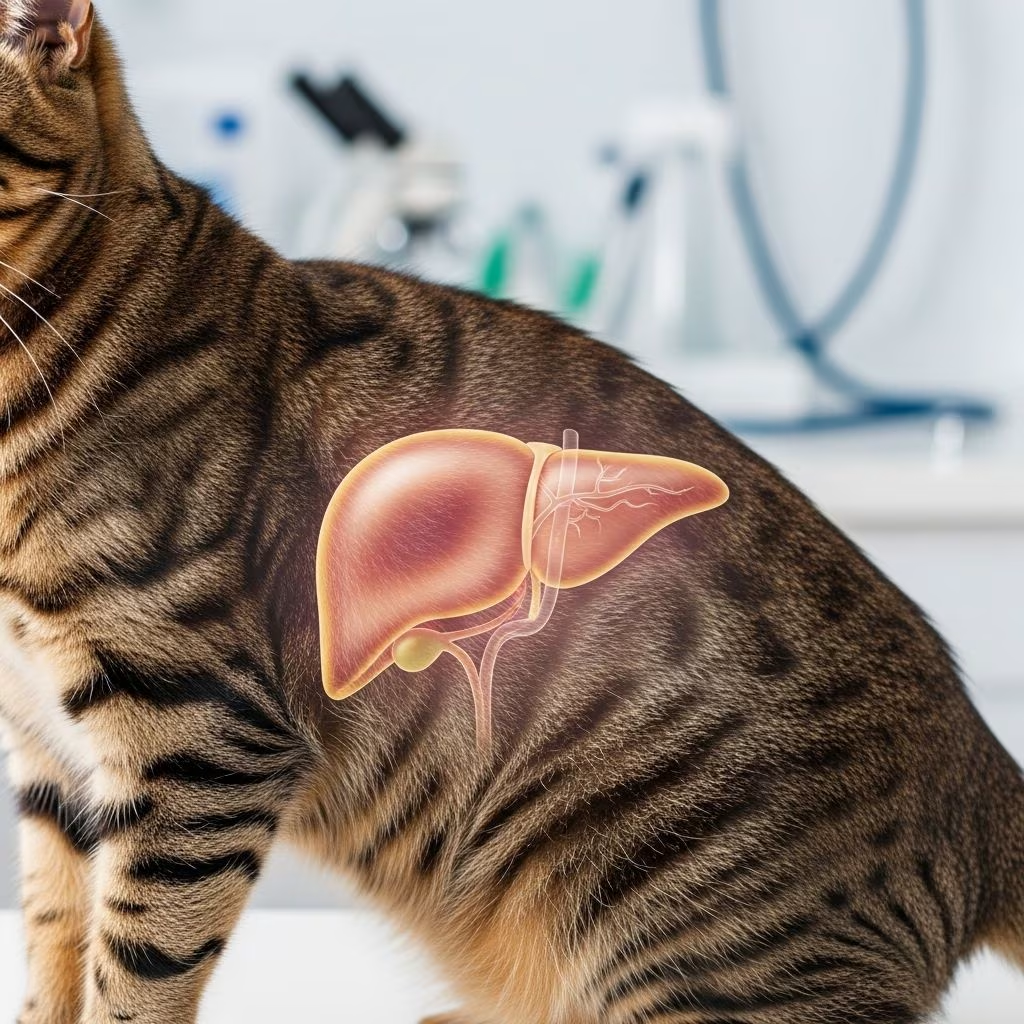
Understanding Liver Disease in Cats
The liver is one of the most vital organs in your cat’s body, responsible for numerous critical functions including digestion, metabolism, nutrient storage, and detoxification. When liver disease develops, it can significantly impact your cat’s overall health and quality of life. Liver disease in cats can range from acute conditions that develop suddenly to chronic diseases that progress over time. Understanding the causes, symptoms, and available treatment options is essential for any cat owner concerned about their pet’s health.
Liver disease affects a substantial number of cats each year, and it remains one of the more serious health conditions veterinarians encounter in feline patients. The good news is that with early detection and appropriate treatment, many forms of feline liver disease can be managed effectively, and some cases may even be reversible depending on the underlying cause.
Common Causes of Liver Disease in Cats
Liver disease in cats develops for various reasons, and understanding these causes can help you take preventive measures and recognize warning signs early. The most common causes of liver disease in cats account for approximately two-thirds of all treated liver conditions in feline patients.
Hepatic Lipidosis (Fatty Liver Disease)
Hepatic lipidosis is the most frequently diagnosed liver disease in cats and represents one of the most common and potentially reversible causes of acute liver failure. This condition occurs when excessive fat accumulates within liver cells, causing widespread swelling and damage that prevents the organ from functioning properly. Fatty liver disease typically develops in overweight cats who experience a sudden loss of appetite and stop eating well for several days to several weeks.
The condition creates a dangerous metabolic cycle: when cats don’t eat, their bodies break down fat stores for energy, and this fat is transported to the liver for processing. However, the liver becomes overwhelmed and cannot efficiently process such large amounts of fat, leading to dangerous accumulation. Lack of nutrition allows this abnormal metabolic cycle to continue, making nutritional support one of the most critical components of treatment.
Inflammatory Liver Disease
Inflammatory liver diseases represent the second major category of feline liver conditions. The most common forms include cholangiohepatitis and lymphocytic cholangitis. Cholangiohepatitis is an inflammatory disease that often affects the gallbladder, pancreas, and liver simultaneously, creating a condition sometimes called triaditis. Lymphocytic cholangitis is a non-infectious inflammatory liver disease that can develop without any obvious infectious trigger.
Infectious Causes
Several infectious organisms can damage the liver in cats. These include bacterial infections such as Clostridium, fungal infections like histoplasmosis, parasitic infections from liver flukes, protozoal infections such as toxoplasmosis, and viral infections including feline infectious peritonitis and feline leukemia virus (FeLV) or feline immunodeficiency virus (FIV).
Toxic Liver Damage
Cats are particularly vulnerable to liver damage from medications and toxins that may be safe for other species. This sensitivity occurs because cats lack important metabolic pathways needed to break down certain chemicals into harmless substances. Common toxins that can damage feline livers include:
- Medications: acetaminophen (Tylenol), diazepam (Valium), tetracycline, sulfa drugs, and NSAIDs like Rimadyl
- Environmental toxins: blue-green algae, mycotoxins from moldy or spoiled food, rodenticides, and pine oil
- Heavy metals: copper accumulation, though rare in cats
Always consult your veterinary team before administering any medications to your cat, as some common over-the-counter drugs can be dangerous to feline liver health.
Other Causes
Additional causes of liver disease in cats include congenital conditions such as portosystemic shunts (blood vessels that bypass the liver), inherited disorders like amyloidosis seen in Abyssinian and Siamese breeds, and biliary cystic disease more common in Persians. Cancer, particularly lymphoma, can also affect liver function, as can liver abscesses from bacterial infections and trauma or heatstroke.
Recognizing Symptoms of Liver Disease
Early recognition of liver disease symptoms is crucial for successful treatment. The signs of feline liver disease can vary depending on the severity and type of condition, but several symptoms should alert you to seek veterinary care immediately.
Primary Symptoms
Common clinical signs of feline liver disease include:
- Decreased appetite or complete loss of appetite
- Vomiting and diarrhea
- Constant thirst and increased urination
- Mental depression and lethargy
- Weakness and fatigue
- Dehydration
- Constipation
- Abdominal pain or swelling
Advanced Symptoms
As liver disease progresses, more serious symptoms may develop. These include jaundice, which appears as a yellowing of the skin, eyes, and mucous membranes, indicating severe liver dysfunction. Problems with blood clotting may also occur, as the liver produces blood-clotting factors essential for proper hemostasis. In cases of acute liver failure, cats may experience neurologic signs indicating hepatic encephalopathy, a condition where toxic substances accumulate in the bloodstream and affect brain function.
Diagnosing Liver Disease in Cats
Proper diagnosis is essential for determining the underlying cause and developing an appropriate treatment plan. Your veterinarian will likely recommend several diagnostic tests when liver disease is suspected.
Blood Work and Biochemistry
Blood tests reveal elevated liver enzymes and other abnormalities that indicate liver dysfunction. These tests measure liver function, assess for signs of infection or inflammation, and evaluate overall metabolic status.
Imaging Studies
Ultrasound and radiographic imaging can reveal structural changes in the liver, identify abscesses, detect tumors, visualize gallbladder issues, and assess overall organ size and appearance.
Advanced Diagnostics
For difficult cases, your veterinarian may recommend a liver biopsy to obtain tissue samples for microscopic examination, or a bile sample to help identify specific diseases. These procedures provide definitive diagnosis and help guide treatment decisions.
Treatment Options for Feline Liver Disease
Treatment approaches vary significantly depending on the underlying cause and severity of liver disease. The goal of treatment is to slow disease progression, manage symptoms, and allow the liver time to regenerate, as the liver has remarkable capacity for recovery.
Supportive Care
Supportive care forms the foundation of treatment for most feline liver diseases and includes:
- Intravenous fluid therapy: Essential for correcting dehydration and replacing fluid loss from vomiting or diarrhea, with electrolyte and glucose supplementation
- Nutritional support: Critical for hepatic lipidosis recovery; often administered through a stomach (gastrostomy) tube for 2-3 months if the cat won’t eat voluntarily
- Blood or plasma transfusions: May be necessary in severe cases with clotting problems
- Pain control: Medications to manage discomfort and distress
- Anti-nausea medications: Such as Cerenia or famotidine to help the cat feel better and encourage eating
- Antacids and gastroprotectants: Including sucralfate to protect the stomach lining
Medications and Supplements
Several medications and supplements support liver function and promote healing:
- SAMe: Supports liver function and reduces inflammation
- N-acetylcysteine: Provides antioxidant support and liver protection
- Milk thistle derivatives (silymarin): May reduce liver inflammation and scarring
- Ursodiol: Helps with bile flow and liver function
- Vitamin supplements: Including B vitamins (particularly B12) and other essential nutrients
- Denamarin: A combination supplement containing SAMe and silybin
Dietary Management
Specialized prescription diets are often recommended because they require less work from the liver. These diets are formulated to contain more digestible protein, include higher levels of antioxidants, and have lower amounts of potentially harmful minerals like copper. Examples include Hill’s l/d or Purina Pro Plan HP Hepatic formulations. Once cats with hepatic lipidosis begin eating on their own, a diet high in protein and calorie-dense foods may be recommended to promote recovery.
Cause-Specific Treatments
When a specific underlying cause is identified, targeted treatment becomes possible:
| Condition | Treatment Approach |
|---|---|
| Hepatic Lipidosis | Nutritional support, IV fluids, appetite stimulants, high-protein diet |
| Hepatitis/Inflammatory Disease | Antibiotics, antioxidants, steroids, immunosuppressive drugs if needed |
| Portosystemic Shunts | Surgical repair, which is often curative |
| Liver Cancer | Surgical excision of masses, chemotherapy |
| Infectious Diseases | Antibiotics and antifungals depending on the organism identified |
Nursing Care for Hospitalized Cats
Cats with acute liver failure requiring hospitalization need attentive daily nursing care, including frequent repositioning to prevent pressure ulcers, soft bedding for comfort, keeping them clean and dry, and monitoring for complications. For cats with hepatic encephalopathy, additional treatments such as enemas, lactulose, and antibiotics like neomycin or metronidazole may be needed.
Prognosis and Long-Term Management
The prognosis for feline liver disease varies significantly depending on the underlying cause and how quickly treatment begins. Cats treated early for hepatic lipidosis have the best chance of recovery. Many liver conditions are reversible when caught early and managed appropriately, though some chronic liver diseases require ongoing management.
Long-term management typically involves regular veterinary monitoring, adherence to prescribed diets, continued administration of supportive supplements, and prompt treatment of any complications. Some cats may require feeding tubes or appetite stimulants for extended periods during recovery.
Frequently Asked Questions About Feline Liver Disease
Q: Can liver disease in cats be cured?
A: Liver disease in cats can be curable depending on the underlying cause. Conditions like hepatic lipidosis and portosystemic shunts are often reversible with appropriate treatment. However, some chronic liver diseases may require ongoing management rather than complete cure.
Q: How long do cats with liver disease live?
A: Lifespan varies greatly depending on the type and severity of liver disease, how early treatment begins, and how well the cat responds to therapy. With early intervention and proper management, many cats with liver disease can live for months to years.
Q: What should I feed a cat with liver disease?
A: Your veterinarian will recommend specialized prescription diets formulated specifically for liver disease, such as Hill’s l/d or Purina Pro Plan HP Hepatic. These diets contain highly digestible proteins, additional antioxidants, and reduced levels of copper and other minerals that may stress the liver.
Q: How is hepatic lipidosis treated?
A: Treatment for hepatic lipidosis focuses on breaking the metabolic cycle through nutritional support via feeding tubes if necessary, intravenous fluids to correct dehydration, appetite stimulants, anti-nausea medications, vitamin supplementation, and a high-protein, calorie-dense diet once the cat can eat on its own.
Q: Is liver disease in cats painful?
A: Yes, liver disease can cause discomfort, and cats may experience abdominal pain. Your veterinarian can prescribe pain control medications and other supportive therapies to ensure your cat’s comfort during treatment and recovery.
Q: Can I prevent liver disease in my cat?
A: While you cannot prevent all liver diseases, you can reduce risk by maintaining a healthy weight for your cat, avoiding toxic substances and medications not approved by your veterinarian, providing a nutritious diet, and ensuring regular veterinary check-ups for early detection.
Q: What medications are toxic to cat livers?
A: Several medications are toxic to cats, including acetaminophen (Tylenol), diazepam, some NSAIDs like Rimadyl, tetracycline, and sulfa drugs. Always consult your veterinarian before giving your cat any medication, including over-the-counter products.
References
- Liver Disease in Cats — PetMD. 2024. https://www.petmd.com/cat/conditions/endocrine/liver-disease-cats
- Acute Liver Failure in Cats: Signs and Treatment — PetMD. 2024. https://www.petmd.com/cat/conditions/endocrine/acute-liver-failure-cats-signs-and-treatment
- What to Know Liver Disease in Cats — WebMD Pets. 2024. https://www.webmd.com/pets/cats/what-to-know-about-liver-disease-in-cats
- Liver Diseases in Cats — VCA Animal Hospitals. 2024. https://vcahospitals.com/know-your-pet/liver-diseases-in-cats
- Liver and Gall Bladder Disease in Cats — International Cat Care. 2024. https://icatcare.org/articles/liver-and-gall-bladder-disease-in-cats
- Liver Disease in Cats — Small Door Veterinary. 2024. https://www.smalldoorvet.com/learning-center/medical/liver-disease-cats



