

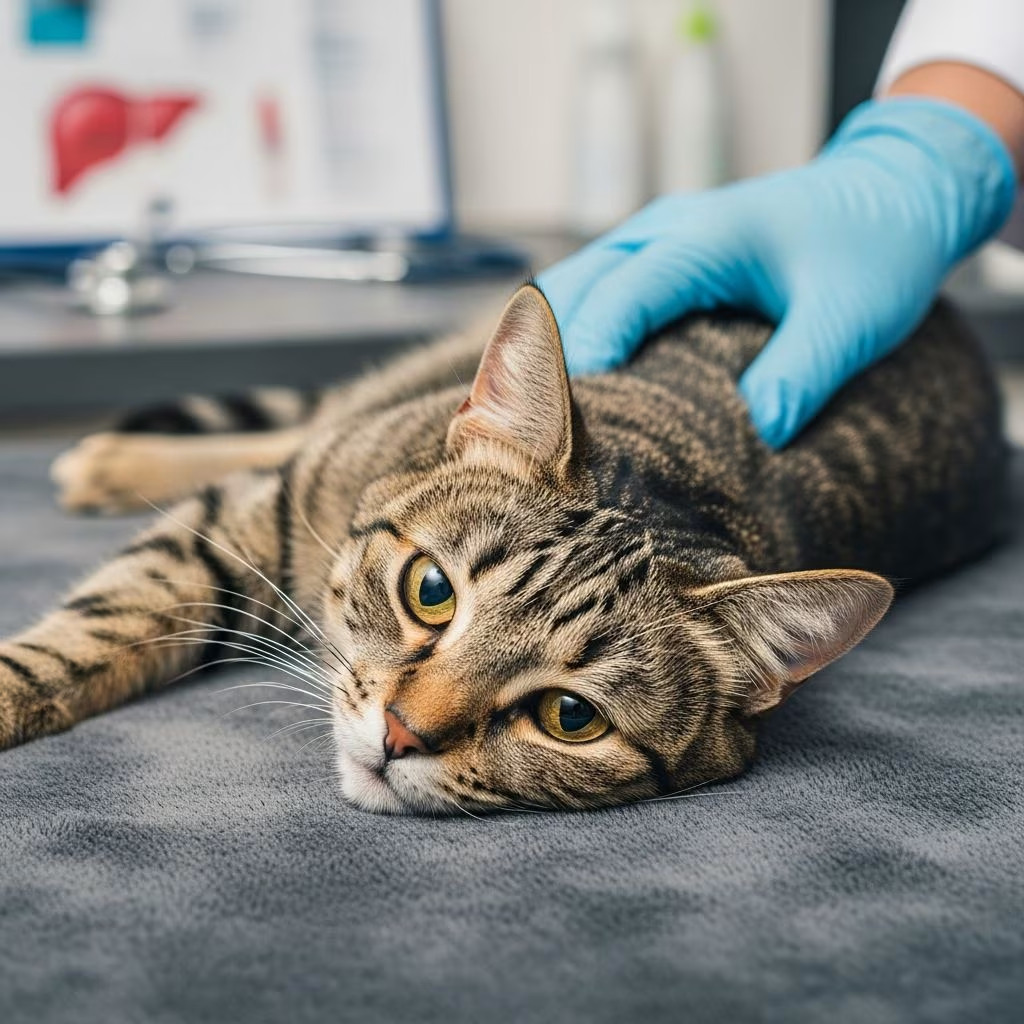
Understanding Liver Disease in Cats: A Comprehensive Guide
Liver disease represents one of the most serious health conditions affecting feline companions today. Among the various forms of liver disease, hepatic lipidosis—commonly referred to as fatty liver disease—stands out as particularly prevalent in cats. This condition occurs when excessive fat accumulates in the liver cells, potentially impairing the organ’s vital functions. Unlike dogs, cats are especially susceptible to this condition due to their unique metabolism and dietary requirements. Understanding the signs, treatment options, and prognosis for liver disease can help pet owners recognize problems early and seek appropriate veterinary intervention.
The liver plays an irreplaceable role in maintaining a cat’s overall health. This remarkable organ is responsible for metabolizing nutrients, filtering toxins, producing bile for digestion, and synthesizing essential proteins. When the liver becomes compromised through disease, the consequences can cascade throughout the entire body, affecting energy levels, appetite, digestion, and overall well-being. Early detection and intervention significantly improve outcomes, making awareness of liver disease symptoms essential for every cat owner.
Recognizing the Signs of Liver Disease in Cats
Cat owners must remain vigilant for warning signs that might indicate liver disease. The symptoms can vary depending on the severity and type of liver condition affecting your feline friend. Some signs develop gradually, while others may appear suddenly, particularly in cases of acute liver failure.
Common Symptoms of Feline Liver Disease
The following indicators should prompt immediate veterinary consultation:
– Decreased appetite or complete loss of appetite- Vomiting and nausea- Weight loss and muscle wasting- Lethargy and reduced activity levels- Diarrhea or changes in bowel habits- Jaundice (yellowing of the skin, gums, and eyes)- Abdominal swelling or pain- Changes in behavior or personality- Pale gums or mucous membranes- Dark or tarry stools
Severe and End-Stage Symptoms
In advanced cases or end-stage liver disease, cats may exhibit more alarming symptoms requiring emergency intervention. These include neurologic changes such as head pressing, seizures, circling, lack of coordination, hyperactivity, excessive salivation, blindness, or even coma. Bleeding from the nose, mouth, rectum, and bladder may occur, along with visible bruising on the skin, gums, and eyes. Collapse represents a medical emergency requiring immediate professional attention.
Causes of Liver Disease in Cats
Multiple factors can contribute to the development of liver disease in cats. Hepatic lipidosis frequently develops secondary to other underlying conditions. Acute severe pancreatitis, for instance, can trigger fatty liver disease and significantly worsen the prognosis. Other potential underlying causes include infections, immune-mediated diseases, toxin exposure, cancer, and metabolic disorders. Cats that stop eating for extended periods become particularly vulnerable to developing hepatic lipidosis, as their bodies break down fat stores rapidly, flooding the liver with fatty acids.
Diagnosis of Feline Liver Disease
Accurate diagnosis is crucial for developing an effective treatment plan. Veterinarians employ several diagnostic tools to confirm liver disease and identify underlying causes. Blood work provides essential information about liver enzyme levels and overall organ function. Ultrasound imaging allows visualization of the liver’s structure and identifies abnormalities such as tumors, inflammation, or fatty infiltration. In some cases, liver biopsies may be performed to obtain definitive diagnoses, particularly when cancer or specific inflammatory conditions are suspected.
Treatment Approaches for Liver Disease
Treatment strategies vary depending on the specific type of liver disease, its severity, and any underlying conditions present. Aggressive medical diagnosis and treatment prove vital for improving outcomes in cats with liver disease.
Hospitalization and Initial Care
Cats with hepatic lipidosis typically require initial hospitalization to stabilize their condition. During this critical period, veterinarians focus on correcting vomiting and dehydration while carefully monitoring electrolyte levels to ensure proper balance restoration. Intravenous fluid therapy provides essential hydration and delivers glucose and electrolyte supplementation directly into the bloodstream, bypassing the digestive system.
Nutritional Support and Feeding Tubes
Nutritional support represents a cornerstone of liver disease treatment. Many affected cats require feeding tubes to ensure adequate caloric intake. These tubes can be managed at home or by foster caregivers, significantly reducing stress compared to prolonged hospitalization. The tube remains in place until the cat consistently consumes sufficient daily calories independently without tube feedings. This approach has revolutionized treatment outcomes, as proper nutrition supports liver regeneration and overall healing.
Medications and Supportive Therapies
Veterinarians prescribe various medications to support liver function and manage symptoms:
– SAMe (S-adenosylmethionine): Supports liver cell function and regeneration- Milk thistle derivatives (silymarin): Provides antioxidant protection- Ursodiol: Helps protect bile ducts and improve bile flow- N-acetylcysteine: Offers antioxidant support- Antinausea medications (Cerenia, famotidine, ranitidine): Control vomiting and improve appetite- Antacids and gastroprotectants (sucralfate): Protect the stomach lining- Antibiotics: Address bacterial infections when present- Vitamin supplements: Restore essential nutrients
Specialized Care for Complications
Cats experiencing neurologic signs from hepatic encephalopathy require specialized daily nursing care. This includes frequent repositioning, soft bedding to prevent pressure ulcers, and maintaining cleanliness. Enemas, lactulose, and antibiotics like neomycin or metronidazole may be necessary to manage neurologic complications.
Recovery and Prognosis for Cats with Liver Disease
The prognosis for cats with liver disease varies considerably depending on multiple factors. The good news is that many cats will recover from hepatic lipidosis with appropriate therapy, as the liver possesses remarkable regenerative capacity.
Factors Influencing Recovery
Several elements determine whether a cat will successfully recover from liver disease:
– Whether underlying disorders are present and treatable- How quickly treatment is initiated- The severity of liver damage- The presence of concurrent diseases- The cat’s overall health status- Compliance with treatment protocols
Early Detection Leads to Better Outcomes
Cats treated in the early stages of liver disease can have recovery rates between 80-90%, with full recovery typically occurring within 3-6 weeks. If an affected cat survives the first few days of treatment, the prognosis generally improves significantly. Early detection remains the most positive approach to combating the disease, as the longer liver disease goes untreated, the higher the death rate becomes.
Chronic and End-Stage Liver Disease
Some cats develop chronic or end-stage liver disease, where the condition progresses to cirrhosis. This represents permanent liver scarring and damage. More than two-thirds of the liver must be severely damaged for complete liver failure to occur. Intervention before reaching this critical point can help prevent irreversible damage. Cats with end-stage liver disease and cirrhosis often have a poor prognosis and may deteriorate rapidly, sometimes within days of diagnosis.
Secondary Conditions Impact Prognosis
The presence of concurrent diseases significantly affects recovery prospects. For example, cats with hepatic lipidosis secondary to acute severe pancreatitis have a considerably more guarded prognosis. Liver cancer, particularly when detected early as a primary tumor, shows good surgical outcomes with appropriate follow-up monitoring. However, cancers that have spread from other locations or metastasized carry poor prognoses.
Long-Term Management and Aftercare
Recovery from liver disease doesn’t end with hospital discharge. Cats require ongoing monitoring and care to prevent relapse and ensure continued healing.
Follow-Up Examinations
Regular veterinary check-ups ensure all organ systems continue healing properly. These examinations help detect any signs of disease recurrence early, allowing for prompt intervention. Blood work may be repeated to verify that liver enzyme levels remain within normal ranges.
Dietary Modifications
Dietary support continues playing a crucial role in recovery. Veterinarians often recommend specialized diets that support liver function and prevent future episodes of hepatic lipidosis. Cats should receive consistent, nutritionally balanced meals to maintain healthy weight and prevent the rapid fat mobilization that triggers fatty liver disease.
Weight Management
Maintaining appropriate body weight becomes essential for cats with liver disease history. Obesity increases the risk of developing hepatic lipidosis, making weight management a key prevention strategy. Gentle, appropriate exercise and carefully portioned meals support optimal health.
Special Considerations for Different Types of Liver Disease
Bacterial Liver Disease
If liver disease is diagnosed early and the bacterial form is confirmed, cats may recover after treatment with antibiotics. Prompt identification and appropriate antimicrobial therapy significantly improve outcomes.
Fungal Infections
Fungal infections such as coccidioidomycosis and histoplasmosis can affect the liver, causing abdominal swelling, jaundice, and liver enlargement. Coccidioidomycosis requires long-term antifungal medication (6 to 12 months), though relapses sometimes occur. Histoplasmosis treatment involves prescription antifungal medications, with lifelong treatment sometimes necessary. The recovery outlook for fungal liver infections can be poor depending on illness severity.
Immune-Mediated Liver Disease
Immune-mediated liver conditions often respond to corticosteroid therapy, which addresses the suspected immune component of the disease. Additional medications may be required for cats not responding to initial therapy, and some conditions may require long-term medication management.
When to Consider Quality of Life
In cases of end-stage liver failure, after managing complications and maintaining quality of life for as long as possible, humane euthanasia may become a compassionate option. Pet owners should discuss end-of-life care with their veterinarians when their cat’s suffering outweighs their quality of life. This difficult decision should be made with professional guidance and prioritize the cat’s comfort and dignity.
Prevention and Health Maintenance
While not all liver disease is preventable, several measures can reduce risk:
– Maintain healthy body weight through appropriate diet and exercise- Provide complete, balanced nutrition- Avoid exposure to toxins and medications harmful to the liver- Ensure regular veterinary check-ups for early disease detection- Promptly address appetite changes or illness- Manage underlying conditions like pancreatitis and infections aggressively- Provide stress-free environments to support overall health
Frequently Asked Questions About Feline Liver Disease
Q: What is the difference between acute and chronic liver disease in cats?
A: Acute liver disease develops suddenly and can be life-threatening, requiring emergency treatment. Chronic liver disease develops gradually over time. Acute conditions may be reversible if treated promptly, while chronic conditions may lead to permanent damage and cirrhosis.
Q: Can a cat’s liver regenerate after damage from disease?
A: Yes, the liver has remarkable regenerative capacity. This is largely why early intervention and aggressive treatment are so important—they give the liver time to heal and regenerate functional tissue before irreversible damage occurs.
Q: How long does recovery from hepatic lipidosis typically take?
A: With appropriate treatment, most cats experience full recovery within 3-6 weeks. However, recovery timelines vary based on disease severity and the presence of underlying conditions.
Q: Will my cat need to be on medication long-term after recovery?
A: This depends on the underlying cause of liver disease and whether concurrent conditions exist. Some cats require long-term medication, while others may only need temporary treatment. Your veterinarian will develop an appropriate management plan based on your cat’s specific situation.
Q: Can cats with liver disease live normal lives?
A: Yes, many cats that recover from liver disease with early treatment go on to live normal, healthy lives. With appropriate management, dietary support, and regular veterinary monitoring, quality of life can remain excellent.
Q: What should I do if I suspect my cat has liver disease?
A: Contact your veterinarian immediately. Any combination of symptoms like decreased appetite, vomiting, lethargy, or jaundice warrants professional evaluation. Early diagnosis significantly improves treatment outcomes.
References
- Liver Disease in Cats: Signs, Treatment, Prognosis — Best Friends Animal Society. 2025. https://bestfriends.org/pet-care-resources/liver-disease-cats-signs-treatment-prognosis
- Acute Liver Failure in Cats: Signs and Treatment — PetMD. 2025. https://www.petmd.com/cat/conditions/endocrine/acute-liver-failure-cats-signs-and-treatment
- Disorders of the Liver and Gallbladder in Cats – Cat Owners — Merck Veterinary Manual. 2025. https://www.merckvetmanual.com/cat-owners/digestive-disorders-of-cats/disorders-of-the-liver-and-gallbladder-in-cats
- What to Know About Liver Disease in Cats — WebMD. 2025. https://www.webmd.com/pets/cats/what-to-know-about-liver-disease-in-cats
- Liver Disease in Cats — PetMD. 2025. https://www.petmd.com/cat/conditions/endocrine/liver-disease-cats
- Cat Liver Failure When to Euthanize — Cloud 9 Vets. 2024. https://cloud9vets.co.uk/cat-liver-failure-when-to-euthanize/
- Liver Diseases in Cats — VCA Animal Hospitals. 2025. https://vcahospitals.com/know-your-pet/liver-diseases-in-cats



