

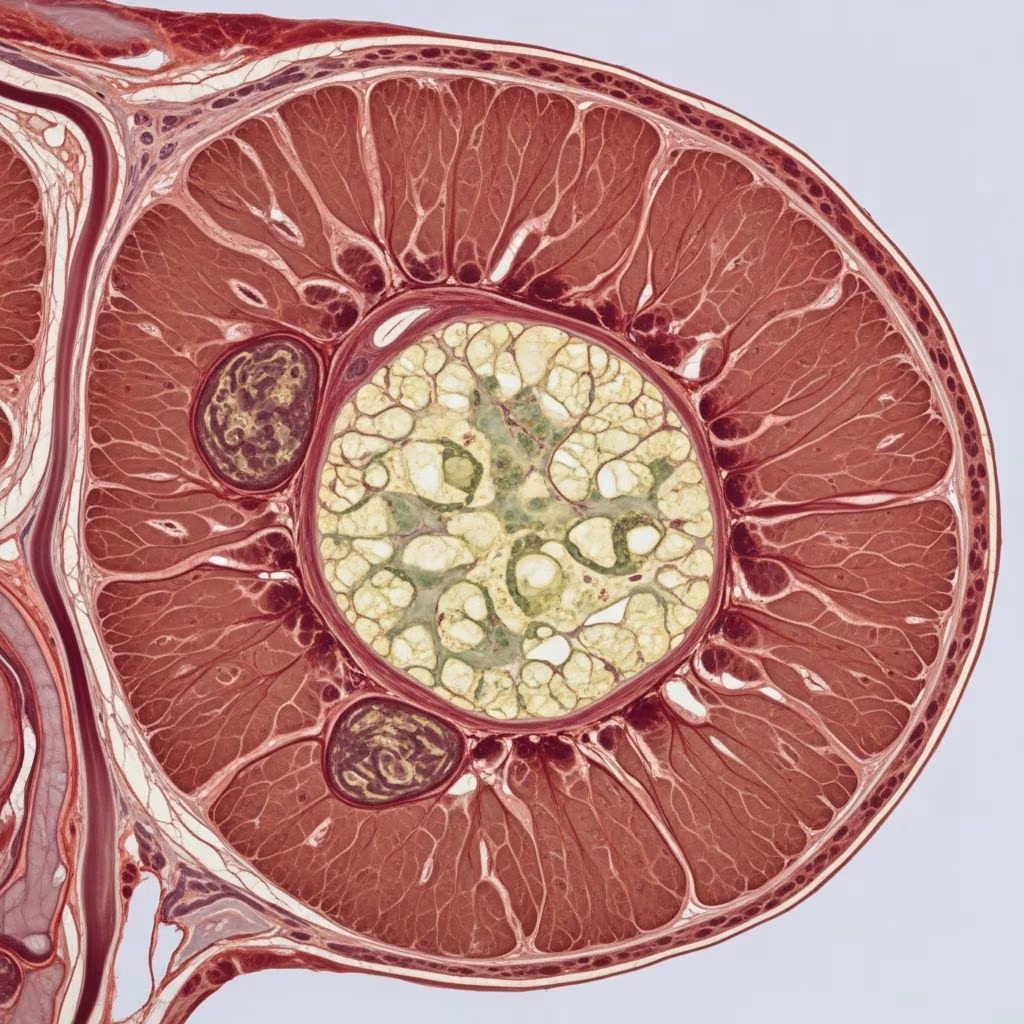
Liver abscesses in cattle are pus-filled lesions primarily caused by bacterial invasion of the liver, often stemming from rumen disturbances in high-grain feeding systems. These conditions silently undermine productivity in beef feedlots and dairy operations, resulting in condemned livers at slaughter and poorer overall performance.
The Hidden Threat: Pathophysiology of Liver Abscess Formation
The development of liver abscesses begins in the rumen, where rapid fermentation of carbohydrates leads to acidosis. This acidic environment damages the rumen wall, creating entry points for bacteria normally present in the rumen flora. Fusobacterium necrophorum, a gram-negative anaerobic bacterium, is the main culprit, penetrating the compromised rumen epithelium and traveling via the portal vein to the liver.
Once in the liver, these bacteria multiply, forming necrotic foci surrounded by inflammation. Early lesions appear as pale yellow spheres with irregular borders, progressing to larger abscesses filled with pus. Actinomyces pyogenes often acts as a secondary invader, complicating the infection. High-grain diets, common in finishing cattle, exacerbate rumenitis by promoting lactic acid buildup, which lowers pH and kills protective rumen cells.
Poor feed bunk management, such as abrupt diet transitions from forage to concentrates, heightens risk. Cattle moved directly from pasture to feedlots without adaptation show markedly higher incidence rates.
Recognizing Subtle Clinical Manifestations
Affected cattle rarely display obvious signs, making abscesses a covert issue discovered mainly at necropsy. Subtle indicators include intermittent fever, reduced appetite, and discomfort during movement or palpation of the right caudal rib cage and xiphisternum. Affected animals exhibit slower weight gain, diminished feed efficiency, and lower carcass yields due to chronic inflammation diverting energy from growth.
In dairy herds, impacts extend to milk production declines, though less documented than in beef. Grunting on recumbency or exertion signals pain from enlarged livers pressing on surrounding structures.
Economic Ramifications for the Cattle Industry
Liver abscesses cost the beef industry millions annually through partial or total liver condemnations, averaging 10-15% incidence in untreated feedlots. Beyond trim losses, infected cattle consume less feed, gain 5-10% less weight, and have poorer feed conversions, amplifying expenses.
| Impact Category | Estimated Loss per Affected Head | Industry-Wide Implication |
|---|---|---|
| Liver Condemnation | $20-50 | Millions in trim losses yearly |
| Reduced ADG | $10-20 | Delayed marketing |
| Feed Efficiency Drop | $5-15 | Higher feed costs |
| Carcass Yield Reduction | $15-30 | Lower dressing percentage |
Data synthesized from feedlot studies highlight tylosin’s role in mitigating these losses by 40-70%.
Diagnostic Approaches in Practice
Diagnosis relies on history of high-grain feeding, subtle clinical signs, and confirmatory necropsy or ultrasound. At slaughter, lesions score from 0 (none) to 3 (severe, multiple large abscesses). Ante-mortem, rectal palpation may detect enlarged, firm livers, while ultrasound reveals hypoechoic masses.
Bloodwork shows nonspecific elevations in acute-phase proteins, but lacks specificity. Ruminal trocars occasionally reveal acidic contents correlating with rumenitis.
Management Strategies: Treatment and Control
Individual treatment is rarely viable due to subclinical nature and guarded prognosis. In dairy cattle, percutaneous drainage combined with long-acting penicillin (22,000 IU/kg IM q12-24h) may be trialed, but success is low. Feedlot focus shifts to prevention.
Antimicrobial Feed Additives: Tylosin phosphate (60-90 mg/hd/day) is the gold standard, reducing abscesses by 40-70% via ruminal suppression of F. necrophorum. It requires a Veterinary Feed Directive and boosts ADG and efficiency. Virginiamycin (85-240 mg/hd/day) offers similar benefits; combination use is regulated. Over 70% of U.S. feedlots incorporate tylosin.
- Tylosin: Targets rumen bacteria, minimal impact on rumenitis itself
- Chlortetracycline/Oxytetracycline: Approved alternatives, less potent
- Bacitracin Methylene Disalicylate: Limited efficacy data
Metaphylaxis with long-acting antibiotics on feedlot arrival prevents early rumen upset.
Nutritional and Husbandry Prevention Tactics
Core prevention targets rumen health: gradual diet adaptation over 2-3 weeks from high-forage to finishing rations minimizes acidosis. Increase roughage (10-15% of diet) and ensure consistent particle size to promote chewing and saliva buffering.
Optimal bunk management—smooth feed delivery without over- or under-feeding—prevents sorting and acidosis spikes. Ionophores like monensin indirectly reduce risk by stabilizing rumen pH.
Emerging Vaccination Options
Vaccines using F. necrophorum leukotoxoid plus Trueperella pyogenes bacterin, administered on feedlot entry, reduce incidence and severity. Protection varies but shows promise alongside antibiotics. Research continues on multi-valent formulations.
Special Considerations for Dairy Cattle
Dairy herds face risks from periparturient negative energy balance and high-concentrate lactation diets. Preventive feeding mirrors beef: balanced rations with adequate fiber. Monitoring ketosis and displaced abomasa indirectly curbs abscess precursors.
Future Directions in Research and Management
Ongoing studies explore microbiome modulation via probiotics, prebiotics, and essential oils to displace pathogens without antibiotics, addressing resistance concerns. Precision feeding tech monitors rumen pH in real-time, enabling proactive adjustments.
Frequently Asked Questions (FAQs)
What causes most liver abscesses in cattle?
Primarily Fusobacterium necrophorum invading via rumenitis from high-grain acidosis.
Is tylosin safe and effective?
Yes, it reduces abscesses 40-70% under VFD; improves growth without major resistance issues in rumen.
Can liver abscesses be treated in live cattle?
Rarely successfully; prevention is key due to subclinical presentation.
How much do abscesses cost producers?
$20-100 per head via condemnations and performance losses.
Are vaccines reliable?
They decrease severity when combined with feed additives.
This comprehensive overview equips producers with tools to safeguard herd health and profitability against this pervasive issue.
References
- Liver Abscesses: The Unseen Profit Thief — SDSU Extension. 2023. https://extension.sdstate.edu/liver-abscesses-unseen-profit-thief
- Liver abscesses in feedlot cattle: a review — PubMed (J Anim Sci). 1998-01-01. https://pubmed.ncbi.nlm.nih.gov/9464910/
- Liver Abscesses in Cattle | Causes, Signs, Diagnosis & Prevention — YouTube (Vet education video). 2023. https://www.youtube.com/watch?v=ovotd0H2frs
- Liver Abscesses in Cattle — Merck Veterinary Manual. 2023. https://www.merckvetmanual.com/digestive-system/hepatic-disease-in-large-animals/liver-abscesses-in-cattle
- Liver abscesses: A nagging beef production problem — Hubbard Feeds. 2022. https://www.hubbardfeeds.com/blog/liver-abscesses-nagging-beef-production-problem
- LIVER ABSCESS — MLA Solutions to Feedback (PDF). 2022. https://solutionstofeedback.mla.com.au/siteassets/ldl/ldl2/health-4-wealth-factsheets_beef_liver-abscess.pdf



