

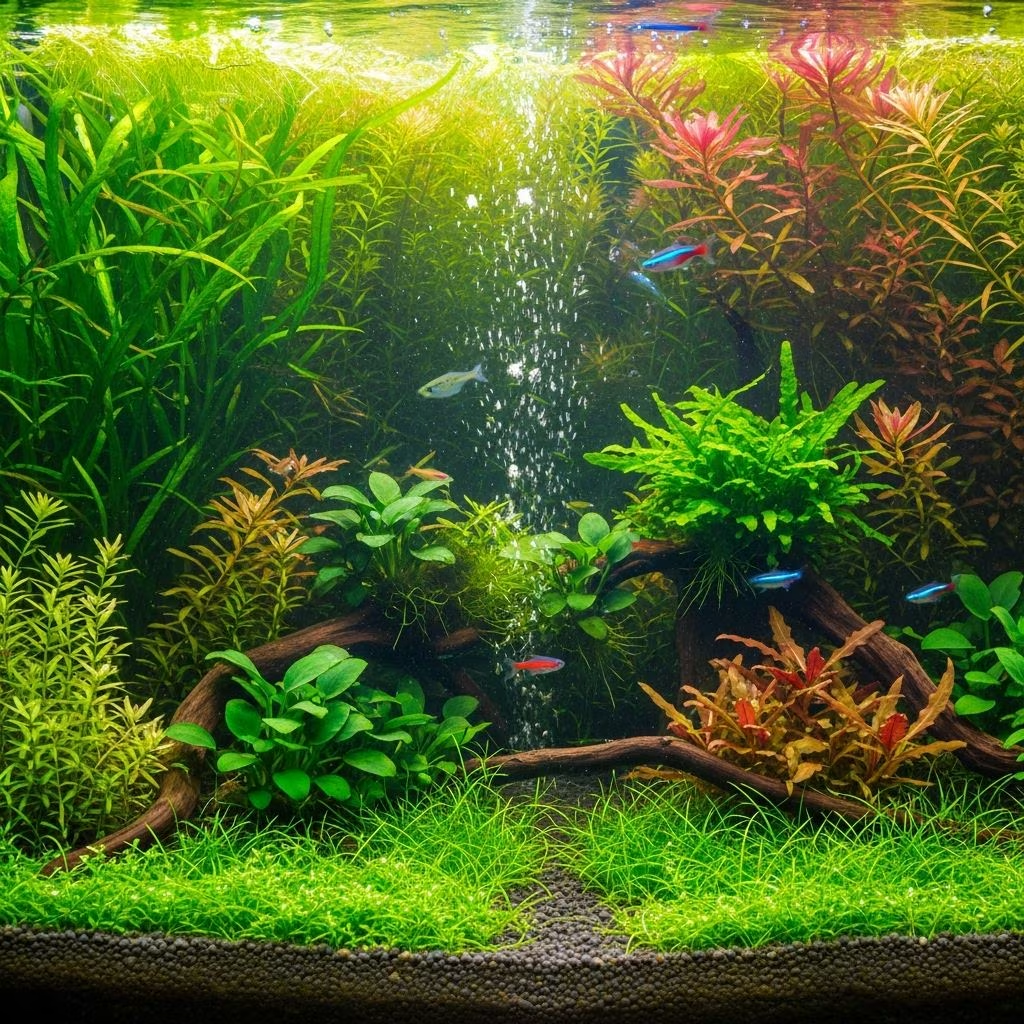
Live Aquarium Plants: A Complete Care Guide
Live aquarium plants offer numerous benefits to your aquatic ecosystem, providing oxygen, absorbing excess nutrients, and creating a natural habitat for fish. However, maintaining healthy plants requires understanding their specific needs and environmental requirements. This comprehensive guide will walk you through everything you need to know to successfully cultivate live aquarium plants in your tank.
Understanding Water Parameters
The foundation of healthy aquarium plants begins with proper water chemistry. Most live aquarium plants thrive within specific pH ranges and water hardness levels that create an optimal growing environment. Maintaining these parameters is essential for photosynthesis and nutrient uptake.
pH Levels: Most aquatic plants perform best in slightly acidic to neutral water, with an ideal pH range of 6.5 to 7.8. This range accommodates the majority of commonly kept plant species and promotes stable nutrient availability. Significant pH fluctuations can stress plants and inhibit growth.
Water Hardness: General hardness (GH) should be maintained between 50-100 ppm, with alkalinity (KH) between 3° and 8° dKH (54-140 ppm). These parameters ensure sufficient mineral content for plant development while supporting the overall tank ecosystem.
Nutrient Levels: Plants don’t prefer high nitrate and phosphate levels, as these can promote unwanted algae growth on leaves. Nitrates should remain below 10 ppm, and phosphates should not exceed 0.5 ppm. Regular water testing helps monitor these critical parameters.
Temperature Control: Most aquatic plants prefer water temperatures between 74°F and 80°F. Colder water slows plant growth, while warmer temperatures accelerate it. Maintaining stable temperatures is more important than achieving specific extremes. Use an aquarium heater to maintain consistent conditions.
Water Changes: Perform 10% water changes weekly to maintain water quality and remove organic pollutants. If you use tap water with high chloramine or chlorine content, treat it with a water conditioner before adding it to your tank. Many city water systems treat tap water with chloramines, which don’t dissipate by aging alone and can harm both plants and animals.
Lighting Requirements
Lighting is one of the most critical factors for plant photosynthesis and growth. Different plant species have varying light requirements, ranging from low-light tolerant varieties to those demanding intense illumination.
Daily Light Duration: Most aquarium plants require 6 to 8 hours of light daily, with some species benefiting from up to 10 hours per day. The key is creating a consistent day-night cycle that mimics natural conditions. A timer ensures you maintain this schedule automatically, even when you’re away from home.
Light Intensity: Research indicates that light intensity has a better effect on plant growth than photoperiod alone. High-light plants typically require more CO2 and nutrients, while low-light plants are more forgiving. If you notice excessive algae growth, reduce lighting duration slightly and monitor the results closely.
Observing Plant Response: Regularly observe your plants’ growth patterns to determine if your lighting schedule is suitable. If growth slows, increase lighting duration slightly. Conversely, if algae becomes problematic, decrease the photoperiod. Finding the right balance takes time and observation.
Choosing the Right Substrate
The substrate you select significantly impacts plant rooting success, water chemistry, filtration efficiency, and overall tank health. Different substrate types offer distinct advantages and considerations.
Gravel Substrate: Traditional gravel allows water to flow freely through small spaces between particles, promoting gas exchange and bacterial colonization. However, gravel requires regular vacuuming to remove excess food and prevent algae blooms. The maintenance demands can be significant in established tanks.
Sand Substrate: Sand earns recognition as the lowest-maintenance substrate option and the cleanest-looking choice for planted tanks. Its fine texture compacts naturally, preventing particles from penetrating the surface. This means leftover food remains on top where efficient filtration can remove it easily. Sand requires less frequent vacuuming than gravel while maintaining excellent aesthetics.
Substrate Depth: When using sand, maintain a depth below 3 cm to prevent compaction issues that inhibit root growth. Thoroughly rinse sand before adding it to your tank—a time-consuming but necessary task. Consider using an old clean pillowcase as a rinsing tool by running water over it until the water runs clear.
Substrate Maintenance: Give your substrate a good stir during regular water changes to maintain aeration and prevent compaction. If sand becomes compacted, plant roots struggle to penetrate the layer, stunting growth and causing health problems.
Fertilization and Nutrients
Aquarium plants require macronutrients (nitrogen, phosphorus, potassium) and micronutrients (iron, magnesium, manganese) to thrive. While some nutrients come from fish waste, supplementation is typically necessary for robust growth.
Nutrient Sources: Fish food and waste naturally provide nitrogen and phosphorus, but additional fertilizer ensures plants receive adequate nutrition, especially when using inert substrates like gravel or sand rather than nutrient-rich soil. Plants kept in high-tech systems with intense lighting and CO2 supplementation require more frequent fertilization than low-tech setups.
Fertilizer Types: Liquid fertilizers offer quick nutrient availability and flexible dosing, while tablet fertilizers provide slow-release nutrition directly to the substrate. Tablets work excellently for root-feeding plants like Echinodorus, Cryptocoryne, and Vallisneria, allowing individual plant feeding. Choose formulations specifically designed for aquarium plants to ensure safety for fish and invertebrates.
Fertilization Frequency: The appropriate fertilization schedule depends on water temperature, substrate type, and plant size. Warmer water temperatures accelerate plant growth and nutrient uptake, requiring more frequent dosing. Colder water slows metabolism, necessitating less frequent fertilization. Liquid fertilizers typically need more frequent additions than substrate tablets.
Application Guidelines: Always maintain proper water pH between 6.5 and 7.5 and ensure sufficient lighting before adding fertilizer. Over-fertilization can promote algae growth and degrade water quality, so follow product instructions carefully and adjust based on plant response and algae appearance.
CO2 Supplementation
Carbon dioxide plays a crucial role in aquatic plant photosynthesis. There’s an important relationship between CO2, light, and nutrients—they work together to drive the photosynthetic process. Plants requiring intense light typically demand additional CO2 and nutrients to support accelerated growth.
Low-tech planted aquariums with easy-to-care-for plants don’t require CO2 injection and are ideal for beginners. High-tech setups with intermediate-to-difficult plants benefit from pressurized CO2 systems but require more technical knowledge and equipment investment. Consider your experience level and plant choices before committing to CO2 supplementation.
Plant Propagation and Maintenance
Most aquatic plants can be propagated by trimming branches from the main plant and relocating them to another tank area. This natural reproduction method allows tank expansion without purchasing new plants.
Receiving New Plants: When you first receive aquatic plants, rinse them in running tap water or submerge them in conditioned tap water and discard the rinse water. Inspect carefully for soft or mushy areas indicating rot and discard affected portions. Remove any unwanted snails or hitchhiking animals before placing plants in your aquarium.
Plant Acclimation: If holding plants for several days before planting, change approximately 25% of the holding water every third day to prevent mineral depletion. Turn plants over daily to expose all surfaces to light and maintain health. Bright light during holding periods keeps plants vigorous until they’re established in your main tank.
Popular Aquarium Plant Species
Different plant species exhibit unique characteristics and care requirements. Understanding specific species helps you select appropriate varieties for your setup.
Ludwigia: This species develops small, vibrant yellow flowers just above the water’s surface, adding visual interest to your aquarium. Seeds develop and drop into the substrate, potentially creating new plants naturally.
Ceratophyllum (Hornwort): Grows well in static and slow-moving water and can tolerate brackish conditions in estuarine environments. This hardy plant works excellently for beginners and in high-flow tanks.
Vallisneria (Tape Grass): Vallisneria leaves can reach up to 1 meter in length, creating dramatic vertical elements in planted tanks. These rooted plants work best in established aquariums with stable conditions.
Surface-Floating Plants: Species like Azolla, duckweed, and Salvinia float on the water surface and don’t require substrate anchoring. Maintain them in shallow trays, bowls, or traditional aquaria with regular water changes of 25-33% twice weekly.
Submerged Plants: Elodea, Cabomba, Ceratophyllum, Myriophyllum, and Chara thrive when simply dropped in water or planted in substrate. Some species like Elodea develop slender roots over time that anchor them naturally without additional weighting.
Substrate-Specific Care Considerations
| Substrate Type | Maintenance Level | Best Plants | Pros | Cons |
|---|---|---|---|---|
| Gravel | High | General plantings | Good water flow, supports beneficial bacteria | Requires regular vacuuming, traps debris |
| Sand | Low | General plantings | Lowest maintenance, excellent aesthetics, easy cleaning | Can compact, requires pre-cleaning, may cloud water if disturbed |
| Nutrient-Rich Soil | Medium | Demanding plants, root feeders | Provides natural nutrients, excellent plant growth | Can leach nutrients excessively, requires capping |
Creating a Successful Planted Tank Setup
Success with live aquarium plants comes from understanding and balancing multiple factors. Here are essential principles for establishing a thriving planted aquarium:
- Select appropriate substrate based on your maintenance preferences and plant choices
- Maintain water parameters within species-appropriate ranges consistently
- Provide consistent lighting with a timer set for 6-10 hours daily
- Add suitable fertilizers regularly, adjusting frequency based on water temperature
- Consider CO2 supplementation only after mastering basic plant care
- Perform regular water changes to maintain water quality
- Start with low-tech setups if you’re new to planted aquariums
- Monitor plant growth patterns and adjust care as needed
Common Beginner Mistakes
Understanding common pitfalls helps you avoid unnecessary frustration. Many beginners struggle with plant care by making these preventable errors: inconsistent lighting schedules that confuse plant circadian rhythms, over-fertilization causing algae blooms, inadequate water changes allowing nutrient accumulation, and selecting plant species inappropriate for their lighting conditions. Start with hardy, low-maintenance species like Anubias and Java Fern before attempting more demanding varieties. These forgiving plants tolerate suboptimal conditions while you develop your skills and understanding.
Frequently Asked Questions
Q: Can I use tap water directly in my planted tank?
A: Only if your tap water quality is appropriate for aquatic plants. Many city water systems treat tap water with chloramines, which must be removed with a water conditioner before use. If unsure about your water quality, use bottled natural spring water or properly treated tap water.
Q: How often should I change water in a planted tank?
A: Perform 10% water changes weekly to maintain proper water quality and nutrient balance. For surface-floating plants, change 25-33% of water 2-3 times weekly to maintain mineral content.
Q: What’s the best fertilizer for beginners?
A: All-in-one liquid fertilizers like Easy Green are excellent for beginners because they provide balanced nutrition without requiring separate dosing of multiple products. Tablet fertilizers work well for specific plant feeding but require more management.
Q: Do I need CO2 for plants to grow?
A: No, low-tech planted aquariums with hardy, easy-to-care-for plants don’t require CO2 injection. CO2 supplementation becomes beneficial only when keeping demanding intermediate or difficult species or creating high-tech setups with intense lighting.
Q: How do I prevent algae from growing on my plants?
A: Keep nitrate levels below 10 ppm and phosphate levels below 0.5 ppm, as high levels promote algae growth. Additionally, reduce photoperiod if algae appears and maintain proper water parameters. Regular water changes also help control excess nutrients.
Q: Can I use any substrate for planted tanks?
A: Different substrates suit different needs. Sand offers the lowest maintenance, gravel provides good water flow and bacterial colonization, and nutrient-rich soils support demanding plants. Choose based on your plant selection and maintenance preferences.
References
- Care Guide For Live Aquarium Plants For Beginner — Splashy Fish Store. 2024. https://splashyfishstore.com/blogs/care-guide-for-live-aquarium-plant/how-to-take-care-of-live-aquarium-plants
- Living Organism Care Guide: Aquatic Plants — Carolina Biological Supply Company. 2024. https://www.carolina.com/teacher-resources/Interactive/living-organism-care-guide-aquatic-plants/tr10476.tr
- Beginner’s Guide to Aquarium Plants — INJAF (International Association of Aquatic and Aquaculture Veterinarians). 2024. https://injaf.org/articles-guides/beginners-guides/beginners-guide-to-aquarium-plants/



