
Rabbit Litter Training: Comprehensive Guide To Success
Master rabbit litter training with expert guidance on setup, techniques, and maintenance.
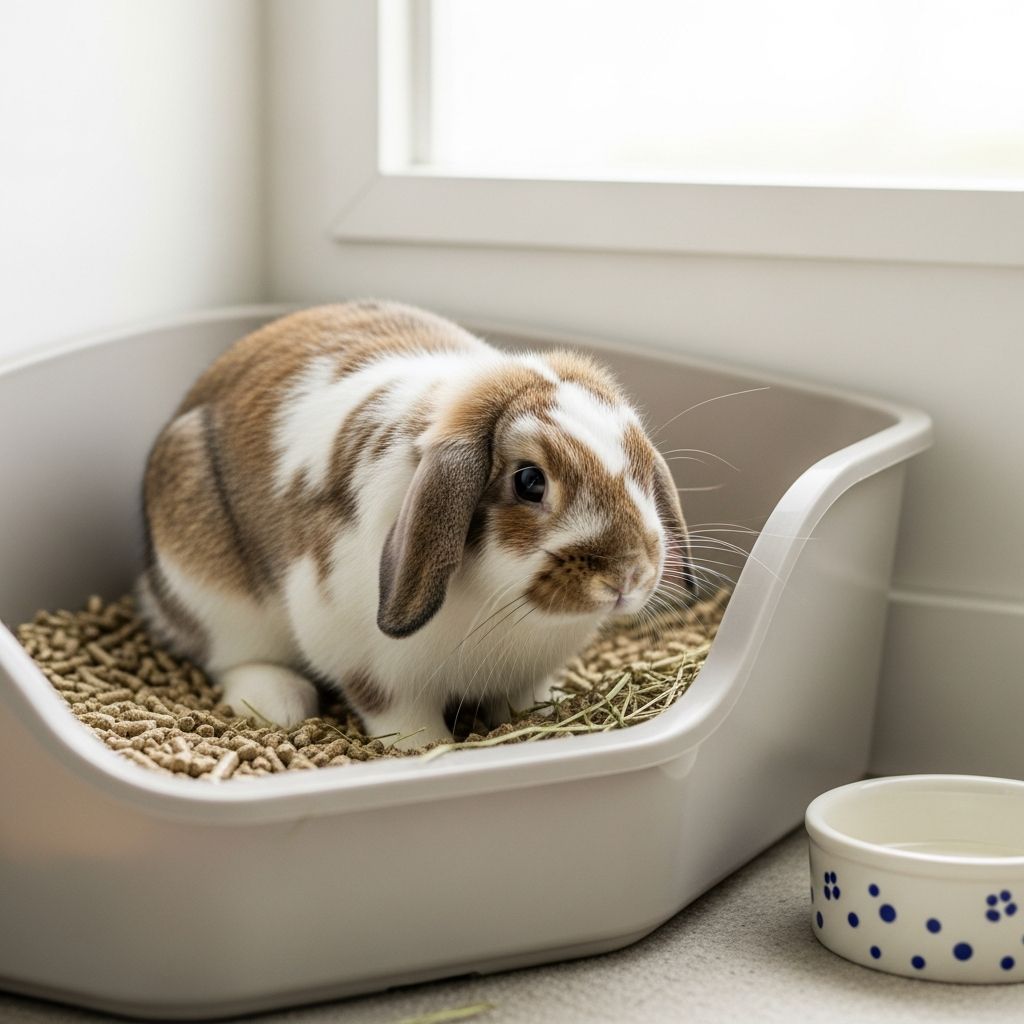
Understanding Rabbit Litter Training
Rabbits are naturally clean animals with an instinctive tendency to eliminate in specific locations within their environment. Unlike many other pets, rabbits do not dig to bury their waste; instead, they choose one or a few particular places—typically corners—to deposit their urine and most of their fecal balls. This inherent behavior makes litter training relatively straightforward for rabbit owners who understand their pet’s natural instincts and provide appropriate facilities.
The ability to litter train rabbits successfully depends significantly on their reproductive status. Spaying or neutering will make a rabbit substantially more likely to use its litter box consistently and less inclined to mark its territory through urine spraying. Rabbits that have been spayed or neutered typically demonstrate improved litter box habits and are considerably easier to train than their unaltered counterparts. The procedure, typically performed at 4–6 months of age, reduces territorial behaviors that often interfere with successful litter training.
Setting Up the Ideal Litter Box Environment
Choosing the Right Litter Box Size
The foundation of successful litter training begins with selecting an appropriately sized litter box. Your rabbit must have sufficient space to move around comfortably within the box and even lay down if desired. The sides of the litter box should be low enough to allow your rabbit to easily jump in and out without straining or risk of injury.
For a single rabbit, a litter box measuring 9 inches by 12 inches generally provides adequate space. If you have two rabbits sharing an enclosure, a larger box measuring 15 inches by 18 inches is recommended. The goal is to ensure your rabbit never feels cramped or restricted when using the box, as discomfort may discourage regular use.
Box Placement Strategy
The most critical factor in successful litter box training is placement. Observe your rabbit carefully to identify where it naturally prefers to eliminate. Rabbits will instinctively select certain spots—almost always corners—for their waste. Rather than trying to change your rabbit’s preference, work with their natural instincts by placing the litter box exactly where they choose to go.
If your rabbit will spend time both in a cage and roaming free, establish litter boxes in both areas. Begin training with at least two boxes: a smaller one in the corner of the enclosure and a larger box in the free-roaming space. Once your rabbit consistently uses the boxes and has established solid habits, you can gradually remove the additional boxes if desired.
Selecting Safe Litter Materials
Using the correct litter material is essential for your rabbit’s health and comfort. Several safe options are available for rabbit owners:
Paper-based litters are among the safest choices, including brands like Yesterday’s News or Carefresh. These are soft, absorbent, and generally safe even if small amounts are accidentally consumed during grooming. Compressed paper or wood pulp pellets, such as Feline Pine, offer excellent odor control with low dust production, making them ideal for rabbits that enjoy digging in their boxes. Hay-based litters, including wheat or grass-based options, are biodegradable and gentle on sensitive paws.
Certain litter materials must be strictly avoided due to potential health hazards. Clay litters can cause respiratory issues in rabbits and should never be used. Clumping litters pose serious dangers if ingested, potentially causing foreign body obstructions in the digestive system. Pine and cedar shavings contain toxic compounds that harm rabbit health, despite their popularity for other animals. Litters with deodorizing crystals can also cause problems and should be avoided entirely.
Many rabbit owners find that placing a layer of hay on top of the litter encourages regular box use. Rabbits naturally combine eating hay with eliminating, so this combination addresses both nutritional and behavioral needs simultaneously.
Step-by-Step Litter Training Process
Initial Setup and Confinement
Begin litter training as soon as you bring your rabbit home. Start by confining your rabbit to a small area or their enclosure initially. Your rabbit must retain sufficient space to move around the cage comfortably, lie down, and stand up outside of the litter box itself. If your enclosure is so small that the litter box takes up most of the space, upgrade to a larger cage that provides adequate room for all necessities including the box, food and water bowls, and toys.
Place a handful of hay in each litter box to encourage use and provide comfort. The hay serves double duty by offering both litter material and a food source, leveraging your rabbit’s natural behavior of eating and eliminating simultaneously.
Observation and Box Relocation
During the initial training phase, carefully observe where your rabbit naturally prefers to eliminate. If your rabbit selects a different corner of the enclosure than where you initially placed the box, move it to that location immediately. Rabbits have strong preferences for specific spots, and accommodating these preferences dramatically improves training success rates.
Gradual Space Expansion
Continue litter box training primarily within the cage for the first few weeks. During this period, your rabbit will begin establishing a reliable habit of using the designated box. Keep your rabbit confined to the enclosure when unsupervised to prevent accidents and reinforce the habit.
After your rabbit has demonstrated consistent box usage within the enclosure, gradually expand the space they have access to. If your rabbit has been spayed or neutered, this transition typically occurs relatively quickly. Once your rabbit regularly uses the litter box within the cage, it will usually return to that box when allowed to roam freely, as they instinctively seek out their designated elimination area.
Positive Reinforcement
Reward your rabbit with treats or verbal praise each time they successfully use the litter box. Like dogs and cats, positive reinforcement encourages desired behaviors and strengthens the habit. Consistency with rewards helps accelerate the training process and builds positive associations with the litter box.
Daily Maintenance and Cleaning
Regular Spot Cleaning
Maintain your rabbit’s litter box through consistent daily care. Spot-clean the box with a litter scoop one to two times per day, removing soiled litter and fecal pellets. This regular maintenance keeps the box sanitary and encourages continued use by your rabbit.
Weekly Deep Cleaning
Perform a thorough deep cleaning of the litter box once per week or once per month, depending on your rabbit’s usage patterns and the number of rabbits sharing the box. Use white vinegar and mild dish soap such as Dawn to clean the box thoroughly. After washing, rinse completely with clean water to remove all residual odors, which could irritate your rabbit’s respiratory system or discourage box use.
Cleaning Protocol and Timing
Never clean the cage or litter box while your rabbit is inside the enclosure. Your rabbit’s cage represents their personal territory and safe space. Invading this space or removing them during cleaning can make them feel unsafe and significantly undermine litter training efforts. Instead, clean the box when your rabbit is out of their enclosure playing or exploring. This approach respects your rabbit’s sense of security while ensuring thorough sanitation.
After cleaning, ensure the cage is sufficiently aired out with no lingering odors remaining. Strong chemical smells or stale urine odors can cause respiratory irritation in sensitive rabbits and may deter them from using the box. Allow adequate ventilation time before returning your rabbit to their enclosure.
Managing Accidents Outside the Box
If your rabbit urinates outside the box on carpet or other surfaces, use an enzyme-based cleaner designed for pet waste. These cleaners break down the urine components that encourage rabbits to re-mark the same spots. If your rabbit consistently goes in a specific location outside the box, place an additional litter box in that area rather than fighting your rabbit’s natural preferences.
Training Duration and Age Considerations
Age and Training Timeline
The age of your rabbit significantly affects training duration. Young, spayed, and neutered rabbits can learn to use a litter box reliably within just a few days. However, older rabbits may require weeks or even months to establish consistent habits. This difference occurs because younger rabbits are more adaptable and haven’t yet established conflicting behavioral patterns.
Interestingly, while very young rabbits are often more adaptable, the window for effective training occurs after spaying or neutering at 4–6 months of age. Before this procedure, rabbits may struggle with territorial marking behaviors that interfere with training. The procedure’s hormonal effects dramatically improve trainability and consistency.
Older Rabbit Training
Contrary to common assumptions, older rabbits are often easier to train than younger rabbits, particularly babies. If your rabbit has already been spayed or neutered, age becomes less of a barrier. The consistency and patience required remains the same regardless of age, but adult rabbits’ established routines sometimes make them more reliably consistent once trained.
Troubleshooting Common Litter Training Issues
When Your Rabbit Refuses the Box
If your rabbit consistently refuses to use the litter box, systematically evaluate three primary factors: litter type, box placement, and potential medical issues. Your rabbit may have strong preferences or aversions to particular litter substrates. Experiment with different safe litter options—some rabbits prefer pellets while others favor shredded paper or hay-based materials—until you identify your rabbit’s preference.
Box placement remains crucial throughout the training process. Ensure the box is positioned exactly where your rabbit naturally prefers to eliminate. If your rabbit insists on going in a certain spot, place the box there rather than attempting to force a different habit. Some rabbits may continue using their original elimination location even after the box is moved, so flexibility is essential.
Persistent refusal to use the box warrants evaluation for possible medical issues. Urinary tract infections, gastrointestinal problems, or other health concerns can cause inappropriate elimination. Consult your veterinarian if you suspect medical causes.
Multiple Rabbit Considerations
Do not allow rabbits and cats to share litter boxes. Cat litter is often more toxic to rabbits than rabbit-safe options, and most rabbits and cats naturally prefer separate sanitation areas. Providing individual litter boxes for each species prevents both behavioral issues and potential health hazards. If you have multiple rabbits, provide at least one litter box per rabbit, plus one additional box as a general rule of thumb.
Benefits of Successful Litter Training
Successfully litter training your rabbit provides substantial benefits for both the rabbit and the household. Most rabbits, even those with free-roaming privileges throughout the home, will consistently return to their designated litter box once trained. This reliability allows you to maintain a clean living environment with minimal odor issues.
Litter training enables your rabbit to safely explore and spend time outside their enclosure. Before establishing a strong litter box habit, keeping rabbits away from upholstered furniture and beds is advisable to prevent accidents. Once reliable litter training is established—particularly after spaying or neutering—your rabbit becomes a dependable household pet that respects appropriate elimination zones.
Post-surgery spayed or neutered rabbits demonstrate markedly reduced territorial behaviors and significantly improved reliability with litter training. The combination of these factors makes a properly trained rabbit an ideal indoor pet that integrates seamlessly into household routines.
Frequently Asked Questions
Q: What age should I start litter training my rabbit?
A: Start litter training as soon as you bring your rabbit home. Young rabbits are more likely to adjust quickly to new habits. However, spaying or neutering at 4–6 months of age significantly improves training success by reducing territorial marking behaviors.
Q: How long does rabbit litter training typically take?
A: Young, spayed, and neutered rabbits may learn within days, while older or unaltered rabbits might require weeks or months. Consistency, patience, and proper environmental setup greatly influence training duration.
Q: Can rabbits be litter trained at an older age?
A: Yes, older rabbits can absolutely be litter trained. In fact, older rabbits are often easier to train than younger ones, especially if they have been spayed or neutered. Spay or neuter status matters more than age.
Q: What should I do if my rabbit has accidents outside the litter box?
A: Use enzyme-based cleaners to remove urine odors completely. Observe where your rabbit prefers to eliminate and place a litter box in that location. If accidents persist, evaluate the litter type and consider a veterinary check for medical issues.
Q: Is it normal for rabbits to eat hay while using the litter box?
A: Yes, this is completely normal behavior. Rabbits naturally combine eating hay with eliminating. Placing hay in or near the litter box encourages box usage and meets nutritional needs simultaneously.
Q: Can I use cat litter for my rabbit?
A: No, cat litter is often toxic to rabbits. Stick to rabbit-safe options like paper-based pellets, compressed wood pellets, or hay-based litters. Also, do not allow rabbits and cats to share litter boxes.
Q: Why is spaying or neutering important for litter training?
A: Spaying or neutering reduces territorial behaviors and the urge to mark territory with urine. This makes rabbits significantly more likely to consistently use their litter boxes and establishes reliable habits.
References
- How To Litter Train a Rabbit — PetMD. 2024. https://www.petmd.com/rabbit/how-litter-train-your-rabbit
- Litter Box Training — Rocky Mountain House Rabbit Rescue. 2024. https://www.rmhrr.org/education/litter-box-training
- Litterbox Training Your Rabbit: The Basics — UC Davis School of Veterinary Medicine. 2024. https://healthtopics.vetmed.ucdavis.edu/health-topics/exotics/litterbox-training-your-rabbit-basics
- Rabbit Litter Training FAQ — House Rabbit Society. 2024. https://rabbit.org/care/litter-training-faq/
- Litter Training the House Rabbit — LafeberVet. 2024. https://lafeber.com/vet/litter-training-the-house-rabbit/
Similar Articles








Read full bio of Sneha Tete


