

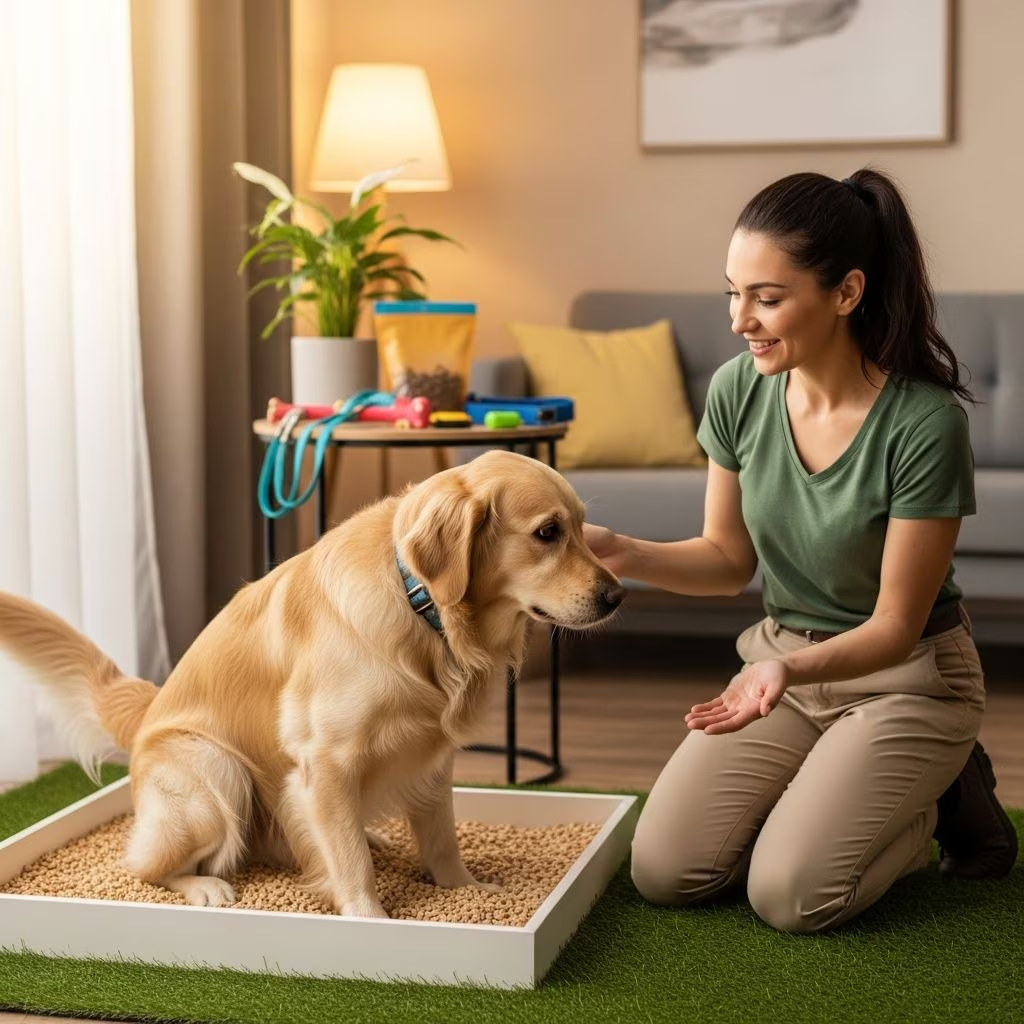
Training an adult dog to use a litter box offers a practical solution for pet owners in apartments, those with limited outdoor access, or dogs facing mobility challenges. This process relies on consistency, positive reinforcement, and understanding canine behavior to build reliable habits.
Why Consider Litter Training for Adult Dogs?
Adult dogs may need litter training due to rescue backgrounds, medical conditions, or urban living constraints. Unlike puppies, older dogs often have established habits, requiring patient retraining. Establishing an indoor elimination area prevents messes and reduces stress for both dog and owner.
Essential Supplies for Successful Training
- Litter box: Choose a spacious, low-sided box with puppy pads, artificial turf, or absorbent litter suited for dogs.
- Enzymatic cleaners: Products like Nature’s Miracle remove odors completely to deter repeat accidents.
- Treats and rewards: High-value items such as small pieces of cheese or meat for immediate positive association.
- Crate or confinement area: A secure space to limit access and promote holding instincts.
- Leash: For guiding to the litter area during initial training phases.
Building a Consistent Daily Routine
A predictable schedule is the foundation of litter training. Feed meals at set times to regulate elimination, typically 20-30 minutes post-meal. Take dogs to the litter box first thing in the morning, after eating, drinking, playing, and before bedtime. Initially, offer opportunities every 1-2 hours, gradually spacing them as control improves.
| Time of Day | Activity | Purpose |
|---|---|---|
| Morning | Litter box visit + meal | Start day with empty bladder/bowels |
| Post-meal (20 min) | Litter box | Capitalize on natural urge |
| Every 1-2 hours | Supervised breaks | Prevent accidents |
| Evening/Bedtime | Final visit | Ensure overnight hold |
Step-by-Step Litter Training Process
- Confine to a small area: Use a crate or gated room with the litter box nearby. Dogs avoid soiling their sleeping space, encouraging use of the designated spot.
- Introduce the litter box: Place soiled paper towels from accidents in the box to transfer familiar scents. Lead the dog there on leash after triggers like meals.
- Supervise closely: Watch for signals such as circling, sniffing, whining, or restlessness. Interrupt gently and guide to the box immediately.
- Reward success: Praise enthusiastically and offer treats the moment elimination occurs in the box. This builds strong positive links.
- Clean accidents thoroughly: Use enzymatic cleaners to erase scents, preventing the dog from returning to the same spot.
- Expand freedom gradually: After 3-7 accident-free days, allow access to larger areas. Revert if setbacks occur.
Positive Reinforcement: The Key to Lasting Habits
Avoid punishment, as it fosters fear and hiding behaviors. Instead, focus on rewards. High-value treats reinforce correct actions instantly. Pair verbal cues like “Go potty” during elimination to cue future use. Consistency from all household members ensures uniform responses.
Using Crates Effectively in Litter Training
Crates leverage dogs’ natural aversion to soiling their den. Size it to allow standing and turning, but not lounging. Use during unsupervised times or overnight. Combine with frequent litter breaks: release, visit box, then return if needed. Transition to free crate access post-training.
Handling Common Challenges and Setbacks
Accidents happen; stay calm. For stubborn cases:
- Marking or frequent small accidents: Employ belly bands for males or dog diapers temporarily while training intensifies.
- Fear or avoidance: Make the box inviting with familiar bedding; never force inside.
- Medical issues: Consult a vet to rule out UTIs, incontinence, or arthritis affecting control.
- Regression: Tighten supervision and routine; increase rewards.
Alternatives to Traditional Litter Boxes
- Puppy pads: Ideal for small breeds; transition by moving pads to box over time.
- Artificial grass patches: Mimic outdoors for patio or balcony setups.
- Washable pee pads: Eco-friendly for repeated use.
- Litter box with real sod: Natural feel for finicky dogs.
Start pads indoors near doors, gradually relocating outside to blend indoor and outdoor habits.
Special Considerations for Senior or Mobility-Limited Dogs
Older dogs may struggle with stairs or long walks. Opt for ground-level litter stations. Ramp-assisted boxes aid access. Shorter intervals between breaks accommodate reduced bladder capacity. Patience yields results, often within weeks.
Monitoring Progress and Long-Term Maintenance
Track successes in a journal: note times, triggers, and outcomes. Aim for 2-4 weeks of reliability before full freedom. Maintain routine mealtimes and occasional crate use. Annual vet checks ensure no underlying health shifts.
Frequently Asked Questions (FAQs)
Can any adult dog be litter trained?
Yes, most can with consistency, though breeds like Havanese adapt faster due to smaller size and indoor predispositions.
How long does litter training take?
Typically 2-6 weeks, varying by age, prior habits, and adherence to routine.
What if my dog ignores the litter box?
Enhance appeal with scents from their accidents; ensure private, quiet location away from food.
Is litter training suitable for large breeds?
Possible with oversized boxes, but outdoor training often preferred for ample space needs.
Should I use pee pads long-term?
They work for apartments or seniors; phase to outdoor if feasible for full housebreaking.
Realistic Expectations and Success Tips
Success rates soar with 100% supervision initially. Involve family in routines. Professional trainers help persistent cases. Celebrate milestones to stay motivated. A clean, stress-free home awaits committed owners.
References
- Dog Training: How to Potty Train an Adult Dog — Purina US. 2023. https://www.purina.com/articles/dog/behavior/training/how-to-potty-train-adult-dog
- How To Potty Train an Older Dog — PetMD. 2024. https://www.petmd.com/dog/general-health/how-to-potty-train-older-dog
- Housetraining for Adult Dogs — Wisconsin Humane Society. 2023. https://www.wihumane.org/housetraining-adult-dogs
- Housetraining an Adult Dog — Dog Spring Training. 2022. https://www.dogspringtraining.com/tips/housetraining-adult-dog/
- Re-Housetraining Your Adult Dog — PAWS. 2024. https://www.paws.org/resources/re-housetraining-your-adult-dog/



