

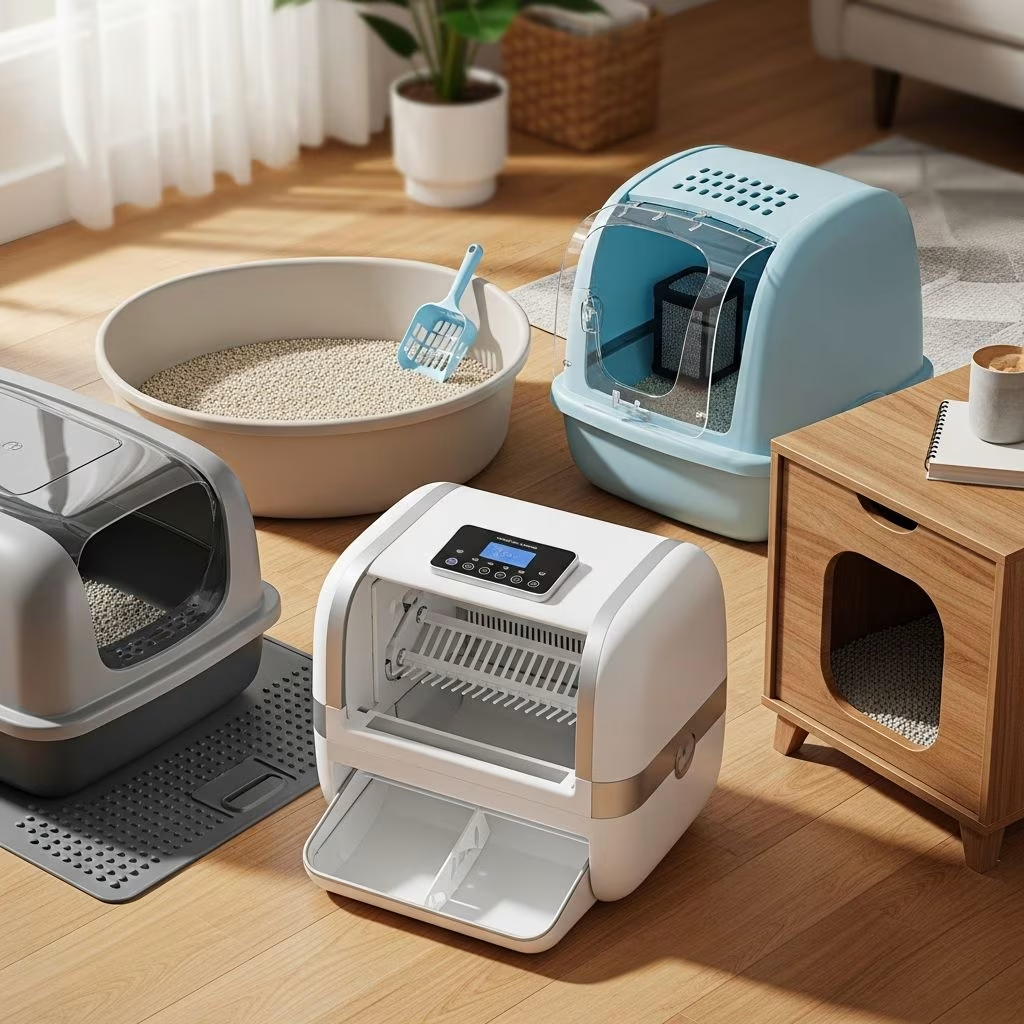
Litter Boxes for Every Cat: Find Your Perfect Match
Choosing the right litter box is one of the most important decisions you’ll make as a cat parent. Your feline friend spends a significant amount of time in their litter box, and the right choice can make a tremendous difference in their comfort, hygiene, and overall well-being. Whether you have a kitten, an adult cat, or a senior feline, there’s a litter box solution designed to meet their specific needs. This comprehensive guide will help you navigate the various options available and find the perfect litter box for your beloved companion.
Understanding Your Cat’s Litter Box Needs
Before diving into the different types of litter boxes available, it’s essential to understand what your cat needs from their bathroom space. Cats are naturally clean animals and can be particular about their litter box setup. Factors such as box size, accessibility, privacy preferences, and cleanliness all play a crucial role in your cat’s litter box satisfaction. A litter box that meets your cat’s needs will encourage proper bathroom habits and reduce the likelihood of accidents outside the box.
The ideal litter box should be appropriately sized for your cat. A box should be at least 13–15 inches wide, depending on the size and age of your cat, and wide enough that your cat can turn easily. Senior cats may need more room to maneuver comfortably. The depth and height should also accommodate your cat’s body length, allowing them to squat or stand without their tail touching the sides or back of the box.
Open Litter Trays: Simple and Accessible
Open litter trays remain the most popular and widely used type of cat litter box. These straightforward, uncovered boxes offer several advantages that make them appealing to both cats and their owners.
Benefits of Open Trays
Open trays provide cats with full visibility and unrestricted space, which can be reassuring for felines who dislike confined areas or prefer to monitor their surroundings while doing their business. The accessibility of open boxes makes them ideal for senior cats, kittens, and cats with mobility issues. They’re also straightforward to clean and maintain, requiring minimal effort on your part. Additionally, open trays are typically the most affordable litter box option, making them budget-friendly for cat owners.
Considerations for Open Trays
While open trays are convenient, they do have some drawbacks. They offer minimal privacy for your cat and provide little to no odor control, which means litter box smells may spread more easily throughout your home. Litter scatter is also more likely with open boxes, as cats may kick litter outside the box while burying their waste. Open trays work best when placed in low-traffic areas where odors and scatter can be contained more effectively.
Enclosed Litter Boxes: Privacy and Odor Control
Enclosed litter boxes, also known as hooded or covered boxes, provide a more private bathroom experience for your cat while offering improved odor control for your home.
Advantages of Enclosed Boxes
The primary benefit of enclosed litter boxes is odor containment. The hood or cover helps trap smells inside the box, reducing unpleasant odors in your living space. Many cats appreciate the added privacy that enclosed boxes provide, especially in multi-cat households where they may want to avoid interruptions. These boxes also help contain litter scatter, keeping your floors cleaner and reducing the mess around the box. Some enclosed models come with additional features like carbon filters for enhanced odor control and small compartments for storing litter scoops.
Potential Drawbacks
Some cats feel claustrophobic in enclosed spaces and may avoid using covered litter boxes altogether. The reduced visibility inside the box can make some cats nervous, particularly those who like to keep watch while using the bathroom. Enclosed boxes can also be more challenging to clean thoroughly, as you must reach inside the covered area. Additionally, humidity can build up inside covered boxes, potentially creating an uncomfortable environment for your cat.
Self-Cleaning Litter Boxes: Automated Convenience
Self-cleaning litter boxes represent the pinnacle of litter box technology, offering automated waste removal that significantly reduces the daily maintenance burden on cat owners.
How Self-Cleaning Boxes Work
Self-cleaning litter boxes use sensors to detect when your cat has used the box and then automatically clean it for you. Once your cat exits the box, the sensors activate a rake mechanism that sifts through the litter. When the rake detects clumps, it deposits them into a contained receptacle located outside the main litter box for easy disposal. This automated process keeps the main litter area fresh and clean, typically without requiring daily scooping.
Popular Self-Cleaning Options
The Litter-Robot series represents some of the most advanced self-cleaning litter boxes on the market today. These models come in several versions, each with different capacities and features. The Litter-Robot EVO is an excellent beginner-friendly option designed for smaller spaces and households with one to two cats. The Litter-Robot 4 works for up to four cats and features a 3-30 lb weight range with a large capacity waste drawer. For those seeking the latest technology, the Litter-Robot 5 accommodates up to five cats and includes advanced features like the WasteID bathroom type recognition technology, which identifies urine versus feces to enable more targeted odor control. The premium Litter-Robot 5 Pro offers all the features of the standard Litter-Robot 5 with additional capabilities.
Requirements and Considerations
Self-cleaning litter boxes require clumping litter to function properly, as the rake mechanism relies on detecting and scooping clumps. Most self-cleaning models need to be plugged into an electrical outlet, so placement must accommodate a power source. These boxes tend to be larger and heavier than traditional litter boxes, requiring adequate floor space. Additionally, self-cleaning litter boxes represent a more significant investment than conventional options, though the convenience and reduced daily maintenance may justify the cost for many cat owners.
Comparison of Litter Box Types
| Litter Box Type | Price Range | Odor Control | Maintenance Level | Best For |
|---|---|---|---|---|
| Open Tray | Budget-friendly | Minimal | Low | Adaptable cats, tight budgets |
| Enclosed Box | Affordable | Good | Low to Moderate | Odor-conscious owners, privacy-seeking cats |
| Self-Cleaning | Premium | Excellent | Very Low | Convenience seekers, multi-cat households |
Choosing the Right Litter for Your Box
The type of litter you choose works hand-in-hand with your litter box selection. Understanding the different litter types available will help you make an informed decision that complements your chosen box.
Common Litter Types
There are nine main types of cat litter available: clay, silica gel, pine, corn, grass, wheat, walnut, paper, and crystal. Clay litter remains the most common and often the cheapest option, though it clumps well but can be dusty. Silica gel litter absorbs odors effectively and lasts longer than clay, though some cats may dislike its texture. Crystal litter, such as those used in PetSafe ScoopFree systems, is nonclumping but offers excellent odor and liquid absorption. Lightweight litters made from expanded clay or silica gel weigh up to 50% less than regular clay litter, making them easier to handle for those with mobility concerns, though they may result in more tracking.
Clumping vs. Non-Clumping
The primary difference between clumping and non-clumping cat litter comes down to price and maintenance frequency. Clumping clay litter absorbs liquid and forms small clumps that make it easier to clean out the litter box without emptying the entire contents. This convenience comes at a higher cost, and clumping litter is a requirement for self-cleaning litter boxes. Non-clumping litter is typically less expensive but requires more frequent complete litter changes to maintain hygiene and odor control.
Special Considerations for Different Cat Ages
Your cat’s age significantly influences which litter box type will work best for them.
Kittens
Young kittens need litter boxes with low sides to allow easy entry and exit. An open tray or low-entry enclosed box works well for kittens as they learn proper bathroom habits. Ensure the litter box is placed in an easily accessible location that your kitten can find quickly.
Adult Cats
Adult cats are generally adaptable to various litter box types. Consider your own preferences and lifestyle when choosing between open, enclosed, or self-cleaning options. Most adult cats can comfortably use any standard-sized litter box that meets the recommended dimensions.
Senior Cats
Senior cats often experience mobility challenges and may have difficulty accessing litter boxes with high sides. Low-entry boxes or boxes with removable sides make excellent options for aging felines. Some owners create DIY solutions using under-bed storage containers with cutouts on the narrower end, ideally 2 inches off the ground, to provide an easily accessible bathroom space. Senior cats may also benefit from additional litter boxes placed in convenient locations throughout your home to minimize travel distance.
DIY Litter Box Solutions
If commercially available litter boxes don’t meet your needs, several DIY options can work effectively. Under-bed storage containers make excellent low-sided litter boxes due to their length and width. Simply remove the lid, and you have a functional litter box. For an even lower entry point suitable for senior or mobility-challenged cats, you can cut out a section on the narrower end of the container, ideally 2 inches off the ground. These DIY solutions are often more affordable than commercial options and offer customizable dimensions to fit your specific space and cat’s needs.
Multi-Cat Household Considerations
The general rule for multi-cat households is to provide one litter box per cat, plus one extra. For example, a three-cat household should ideally have four litter boxes. Self-cleaning models that accommodate multiple cats can be particularly beneficial in multi-cat homes, as they reduce the accumulation of waste and maintain cleaner conditions. Larger self-cleaning models like the Litter-Robot 4 and 5 are designed to handle the waste from multiple cats throughout the day.
Space and Placement Considerations
The location and available space in your home play crucial roles in determining which litter box type will work best. Traditional open trays typically require less floor space, while self-cleaning models like the Litter-Robot 4, which measures 22 inches wide and 27 inches deep, require substantial space. Some enclosed boxes can be quite large as well—certain models measure 24 inches long and 19.5 inches wide. Evaluate your available space before selecting a litter box to ensure it will fit comfortably in your intended location without cramping your cat’s style or your living space.
Litter Box Maintenance and Hygiene
Regardless of which litter box type you choose, regular maintenance is essential for your cat’s health and your home’s cleanliness. For open and enclosed boxes, daily scooping of clumps and weekly complete litter changes keep the box hygienic and odor-free. Self-cleaning boxes require you to empty the waste receptacle regularly and change the litter according to the manufacturer’s recommendations. All litter boxes should be cleaned thoroughly with pet-safe cleaner at least monthly to remove odors and bacteria.
Frequently Asked Questions About Cat Litter Boxes
Q: What size litter box does my cat need?
A: A litter box should be at least 13–15 inches wide, with enough space for your cat to turn around comfortably. The length should accommodate your cat’s body length, and the height should allow them to squat or stand without their tail touching the box sides.
Q: Can I use any type of litter in my self-cleaning litter box?
A: No, self-cleaning litter boxes require clumping litter to function properly. The rake mechanism depends on detecting and scooping clumps, so non-clumping litters are incompatible with these models.
Q: How many litter boxes do I need for multiple cats?
A: The recommended guideline is one litter box per cat, plus one additional box. This ensures each cat has access to a clean litter box without territorial disputes.
Q: Are self-cleaning litter boxes worth the investment?
A: Self-cleaning litter boxes offer significant convenience by automating waste removal and reducing daily maintenance. While they represent a larger upfront investment, many cat owners find the reduced daily scooping and improved cleanliness justify the cost, particularly in multi-cat households.
Q: What should I do if my cat refuses to use their new litter box?
A: Some cats need time to adjust to new litter boxes. Try placing the new box next to the old one temporarily, allowing your cat to explore it at their own pace. Ensure the box is in a quiet, easily accessible location and try different litter types if your cat remains resistant.
Q: Can senior cats use self-cleaning litter boxes?
A: Many self-cleaning litter boxes have accessible entry points suitable for senior cats. However, if your senior cat has significant mobility issues, a low-entry open tray or DIY solution might be more appropriate and comfortable.
References
- Best Cat Litter Boxes — Consumer Reports. 2024. https://www.consumerreports.org/home-garden/pets/best-cat-litter-boxes-a7688686907/
- How to Choose the Best Litter Box for Your Cat — Preventive Vet. 2024. https://www.preventivevet.com/cats/how-to-choose-the-best-litter-box
- Litter-Robot Comparison Chart — Whisker. 2024. https://www.whisker.com/litter-robot-comparison-chart
- Cat Litter Box Types Explained: What’s Best For Your Home? — PetDirect NZ. 2024. https://petdirect.co.nz/blog/cat-litter-box-types-explained
- Best Cat Litter Guide for 2025 — Boxie Cat. 2024. https://boxiecat.com/blogs/litter-learning-center/what-are-the-different-types-of-cat-litter
- The Ultimate Guide To Different Types of Cat Litter — Tuft & Paw. 2024. https://www.tuftandpaw.com/blogs/cat-guides/the-ultimate-guide-to-different-types-of-cat-litter



