

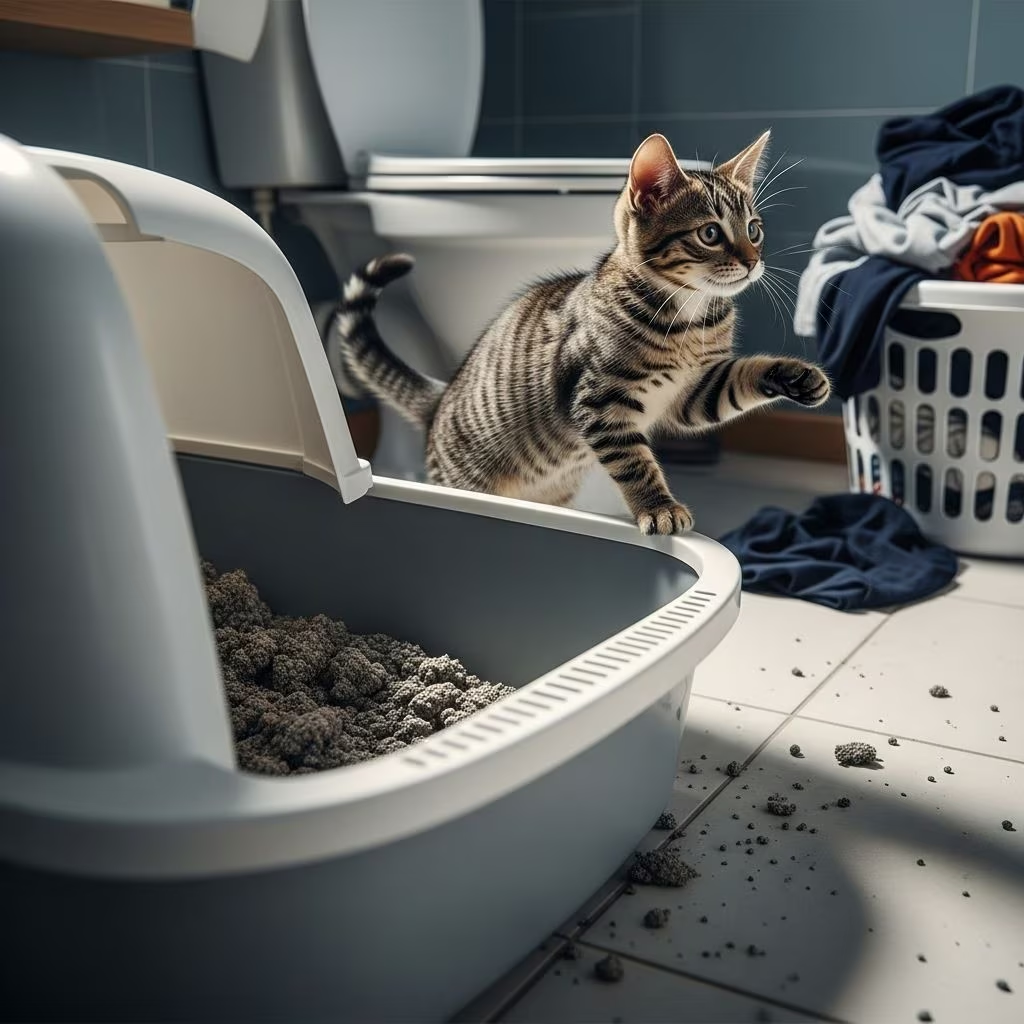
Litter box problems are among the most common behavioral complaints from cat guardians, often leading to frustration and potential relinquishment of pets. These issues can stem from medical conditions, environmental factors, or behavioral preferences, but most can be resolved with systematic troubleshooting and adjustments.
Is It a Litter Box Problem or Urine Marking?
Distinguishing between **inappropriate elimination** and **urine marking** is crucial for effective resolution. Inappropriate elimination involves a cat using the litter box inconsistently but eliminating in other areas for toileting purposes, typically in a squatting posture on horizontal surfaces with normal-sized puddles. Urine marking, conversely, is a communication behavior where cats deposit small amounts of urine on vertical surfaces, often in a standing posture with a raised tail, triggered by stress or territorial instincts.
Signs of urine marking include spraying on walls or furniture, especially in multi-cat homes or after changes like new pets or visitors. Inappropriate elimination might show as larger urine pools on floors or soft surfaces like laundry. Observing your cat’s posture and elimination patterns helps categorize the issue accurately.
Medical Causes
Always rule out medical issues first, as conditions like urinary tract infections, bladder stones, kidney disease, diabetes, arthritis, or gastrointestinal problems can cause litter box avoidance due to pain or difficulty accessing the box. Cats with painful urination may associate the box with discomfort, leading to elimination beside it or straining behaviors.
A veterinary exam, including urinalysis and bloodwork, is essential. For instance, older cats may suffer from mobility issues making high-sided boxes inaccessible, while parasites or food allergies can cause diarrhea prompting avoidance. Treatment of underlying conditions often restores litter box use quickly.
Behavioral Causes and Solutions
Once medical causes are excluded, focus on behavioral and environmental factors. Common issues include aversion to the litter box itself, dislike of its location, litter preferences, cleanliness, or stress.
Aversion to the Litter Box
Cats may avoid boxes due to past trauma, such as painful defecation, harassment by dogs or children, or loud noises nearby. Signs include quick digging (under 4 seconds) then leaving, or eliminating beside the box.
- Clean the box daily and wash weekly with mild dish soap; avoid strong scents or ammonia.
- Remove plastic liners, hoods, or self-cleaning mechanisms that deter cats.
- Try larger boxes or open designs, especially for multi-cat homes.
Dislike of Litter Box Location
Boxes near noisy appliances (washers, dryers), food bowls, or high-traffic areas cause avoidance. Cats prefer quiet, accessible spots; senior cats need low-entry boxes.
- Place boxes on every floor of multi-story homes.
- Move the box gradually (inches per day) to the preferred elimination spot, then to desired location.
- Ensure easy access without blocking by pets or people.
Litter Preferences
Cats are particular about litter type, depth, and scent. Coarse litter may drive them to soft alternatives like clothing.
- Offer clumping vs. non-clumping, sand, clay, or fine-grained options.
- Provide 2-4 inches depth for digging, or shallower for picky cats; experiment side-by-side.
- Avoid scented litters or deodorizers, as cats’ sensitive noses find them repulsive.
Cleanliness and Maintenance
Dirty boxes are a top complaint; scoop daily, fully change weekly.
In multi-cat homes, provide one box per cat plus one extra, in separate locations—two adjacent boxes count as one.
Stress and Household Changes
New pets, moves, or conflicts trigger marking or avoidance. Use pheromone diffusers, provide hiding spots, and separate resources.
Cleaning Up Accidents
Thorough cleaning prevents re-marking, as cats detect residual odors humans miss. Avoid ammonia-based cleaners, which mimic urine smell.
- Use enzymatic cleaners designed for pet messes to break down proteins.
- Make soiled areas inaccessible (close doors, use foil or plastic mats).
- Wash fabrics multiple times; for carpets, soak with cleaner and blot.
Prevention Tips
Proactive measures minimize issues:
- Start kittens on litter early with shallow boxes.
- Maintain one box per cat +1, scooped daily.
- Monitor for stress and provide vertical space in multi-cat homes.
- Annual vet checkups catch medical issues early.
| Number of Cats | Minimum Boxes Needed | Placement Tips |
|---|---|---|
| 1 | 2 | Different rooms; one for urine, one for feces |
| 2-3 | Cats +1 | Separate floors/rooms; away from food |
| 4+ | Cats +1 | Quiet, accessible spots; low-sided for seniors |
Frequently Asked Questions (FAQs)
Why is my cat peeing outside the litter box but pooping in it?
This often indicates a urinary issue like infection; see a vet immediately. If medical, it could be litter aversion for urination only.
How many litter boxes do I need for two cats?
At least three: one per cat plus one extra, in different locations.
My cat suddenly stopped using the box—what should I do first?
Vet visit to rule out medical causes, then optimize box setup and cleanliness.
Will declawing fix litter box issues?
No, declawing increases problems due to pain and litter aversion; it’s not recommended.
How do I stop urine marking in a multi-cat home?
Reduce stress with more resources, neuter all cats, use pheromones, and clean thoroughly.
This guide equips you to address litter box problems systematically. Persistence and patience yield success in over 90% of cases when medical issues are addressed promptly.
References
- Cat: Litter Box Problems — The Vets Animal Hospital. Accessed 2026. https://www.thevetsanimalhospital.com/wp-content/uploads/2016/02/cat_litter-box-problems.pdf
- Litter Box Problems — San Francisco SPCA. Accessed 2026. https://www.sfspca.org/resource/litter-box-problems/
- Litter Box Problems – Treating & Reducing Cat Inappropriate Elimination — BC SPCA. 2017. https://spca.bc.ca/wp-content/uploads/Litter-box-problems-treating-and-reducing-cat-inappropriate-elimination.pdf
- Solving Litterbox Problems — Montgomery County Animal Services / Richmond SPCA. Accessed 2026. https://www.montgomerycountymd.gov/animalservices/Resources/Files/Solving%20Litterbox%20Problems%20PDF(1).pdf
- General Cat Care — ASPCA. Accessed 2026. https://www.aspca.org/pet-care/cat-care/general-cat-care
- Urine Marking in Cats — ASPCA. Accessed 2026. https://www.aspca.org/pet-care/cat-care/common-cat-behavior-issues/urine-marking-cats



