

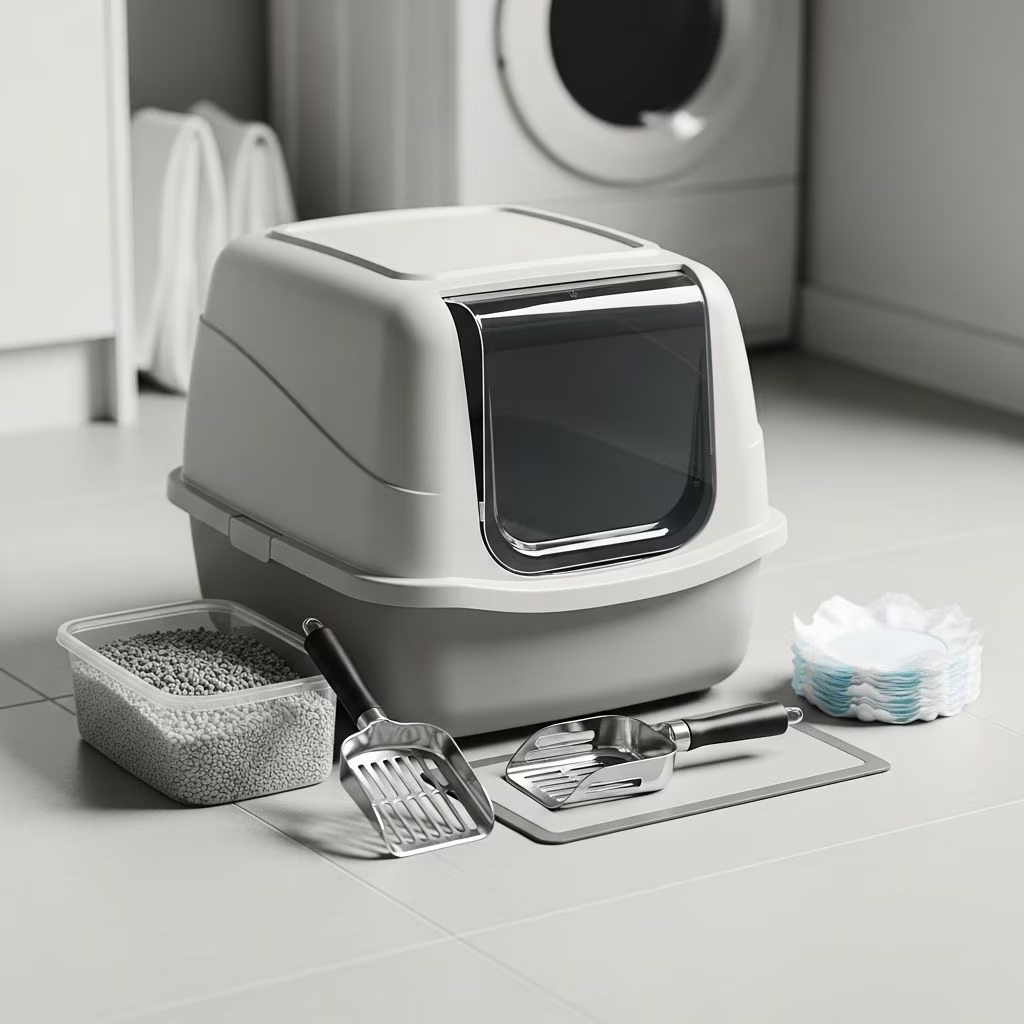
Proper litter box hygiene is fundamental to your cat’s well-being and household harmony. Cats are fastidious creatures that demand a clean elimination area, and neglecting this responsibility can lead to urinary tract infections, respiratory problems, or inappropriate elimination behaviors like urinating outside the box. Establishing a consistent cleaning routine based on the number of cats, litter type, and box design ensures your pets remain healthy and stress-free while minimizing odors in your living space.
Why Regular Litter Box Maintenance Matters
Maintaining a spotless litter box goes beyond aesthetics; it directly impacts feline health. Bacteria thrive in soiled litter, potentially causing urinary tract infections (UTIs) and other infections, especially in multi-cat homes where usage is higher. Respiratory issues can arise from ammonia buildup in urine-soaked litter, irritating sensitive airways. Behaviorally, cats shun dirty boxes, leading to accidents on carpets or furniture, which strains the human-feline bond and incurs cleanup costs.
Daily attention prevents these pitfalls. Scooping waste removes solids and clumped urine promptly, curbing bacterial growth and odor. Veterinary experts emphasize that a clean box encourages consistent use, reducing stress that might otherwise manifest as aggression or hiding. In essence, diligent care fosters a sanitary environment that respects your cat’s natural cleanliness instincts.
Core Principles of Litter Box Hygiene
The golden rule for litter boxes is provision plus one: for every cat, supply one dedicated box plus an extra. This accommodates territorial preferences and high-traffic households. Single-cat homes thrive with one or two boxes; two cats need three, scaling up accordingly to avoid competition.
Litter depth matters too—aim for 2-3 inches to allow natural digging. Clumping litters simplify maintenance by forming solid waste balls for easy removal, unlike non-clumping varieties that absorb but require more frequent full changes. Placement counts: position boxes in quiet, accessible spots away from food and noisy appliances to promote usage.
Different Box Types and Their Cleaning Needs
Not all litter boxes demand the same upkeep. Understanding your setup optimizes efforts.
Open-Style Boxes: Simple and Frequent Care
Traditional open boxes offer visibility and ease but demand vigilance due to odor exposure. Scoop solids and clumped urine at least once daily, ideally twice in busy homes. This prevents ammonia accumulation, which peaks within 24 hours.
- Morning routine: Remove overnight waste, add fresh litter to maintain depth.
- Evening check: Repeat for multi-cat setups.
Weekly, dump all litter, scrub with mild soap and hot water, then dry thoroughly before refilling. Avoid bleach or strong scents, as they deter cats with their superior sense of smell.
Covered Boxes: Privacy with Extra Steps
Enclosed designs provide privacy and contain litter scatter but trap odors more readily. Daily scooping remains essential, but lift the lid for better airflow. Odor absorbers or carbon filters help midway through the week.
- Daily: Scoop and inspect for stuck waste on walls.
- Weekly: Disassemble, wash all parts, focus on crevices.
If persistent smells linger, switch to litters with built-in neutralizers.
Self-Cleaning Models: Tech-Assisted Efficiency
Automatic boxes rake waste post-use, but owners must monitor. Check drawers daily to empty when full, preventing backups. Wipe sensors and rakes weekly to ensure smooth operation.
| Box Type | Daily Task | Weekly Task | Monthly Deep Clean |
|---|---|---|---|
| Open | Scoop 1-2x | Full dump & wash | Inspect for wear |
| Covered | Scoop + vent | Disassemble wash | Replace filters |
| Self-Cleaning | Empty drawer | Wipe mechanisms | Full unit service |
| Stainless Steel | Quick scoop | Mild soap rinse | Polish surface |
Stainless Steel Options: Durable and Hygienic
Non-porous metal boxes resist bacteria adhesion. Daily scooping is swift; weekly rinses with unscented soap suffice. They outlast plastic, reducing replacement frequency.
Step-by-Step Daily Cleaning Protocol
Incorporate litter duty into your routine for consistency. Gather a slotted scoop, gloves, sealed bags, and fresh litter.
- Wear gloves, approach quietly to avoid startling your cat.
- Sift through litter, removing all clumps and solids; shake clean litter back.
- Dispose in a lidded trash—biodegradable bags contain smells.
- Fluff remaining litter, add new to restore 2-3 inches.
- Wipe exterior if needed; wash hands thoroughly.
For eco-conscious owners, reuse grocery bags or invest in compostable liners. Baking soda sprinkled lightly neutralizes odors without overpowering scents.
Weekly and Deep Cleaning Schedules
Beyond scooping, periodic refreshes eliminate residue. Every 7 days for single cats, more often for multiples:
- Empty completely into sealed trash.
- Scrub with hot water and mild dish soap—no ammonia-based cleaners.
- Rinse until no suds remain; air dry fully to prevent mold.
- Refill with new litter.
Biweekly or monthly deep cleans target infrequently used boxes: vacuum residue, disinfect gently, and inspect for cracks signaling replacement time. Texas A&M Veterinary Medicine suggests washing every 2-3 weeks with 2-inch litter depth for clumping types.
Factors Influencing Cleaning Frequency
Household Cat Count
More cats mean more waste. Double-check boxes twice daily for two felines; scale up for larger prides. The “n+1” rule prevents overload.
Litter Variety Impacts
Clumping litters last 2-4 weeks between changes; non-clumping needs 7-10 days. Crystal or paper options vary—observe odor and clumping efficiency.
Cat-Specific Behaviors
Kittens, seniors, or picky cats demand extra vigilance. Watch for hesitation or excessive scratching, cues for intensified cleaning. Health issues like diarrhea accelerate routines.
Preventing Common Pitfalls and Health Risks
Dirty boxes breed parasites and pathogens, risking zoonotic transmission—pregnant individuals should delegate duties. Cleanliness averts box avoidance, a top elimination issue.
Tips for success:
- Set phone reminders for routines.
- Store supplies nearby for impulse cleans.
- Rotate boxes if odors persist in plastic.
- Vacuum surrounding floors daily to catch strays.
FAQs on Litter Box Maintenance
How often should I scoop with one cat?
Once or twice daily keeps it ideal.
Can I use bleach for deep cleans?
No—harsh fumes repel cats and damage litter.
What if my cat avoids the clean box?
Check location, litter type, or medical issues; add boxes.
How to handle odors in multi-cat homes?
Increase scooping to 2-3x daily, use odor-control litter.
Is monthly full replacement enough?
For clumping, yes with daily scoops; deep clean monthly.
Tools and Supplies for Efficient Cleaning
Invest in quality:
- Slotted scoops for clumping litter.
- Lidded trash cans for waste.
- Enzyme cleaners for tough spots (unscented).
- Durable gloves and long-handled tools.
These streamline tasks, making hygiene sustainable long-term.
References
- How Often Should You Clean the Litter Box — Meowant. 2023. https://meowant.com/blogs/buying-guide/how-often-should-you-clean-the-litter-box
- How Often to Clean Litter Box? — Purina US. 2024. https://www.purina.com/articles/cat/behavior/litter/how-often-to-clean-litter-box
- Litter Box 101: How often to scoop, sift, or switch? — Catalyst Pet. 2023. https://catalystpet.com/blogs/news/litter-box-101-how-often-to-scoop-sift-or-switch
- A Guide To Litter Box Etiquette — Texas A&M College of Veterinary Medicine & Biomedical Sciences. 2022-01-01. https://vetmed.tamu.edu/news/pet-talk/litter-box-etiquette/
- The Best Litter Box Cleaning Routine — Clean My Space. 2021. https://cleanmyspace.com/the-best-litter-box-cleaning-routine/
- CATS AND LITTER BOXES The Golden Rules of Problem Prevention — Humane Society of Missouri. 2019-07. https://hsmo.org/wp-content/uploads/2019/07/Golden-Rules-of-Litterbox-handout.pdf



