

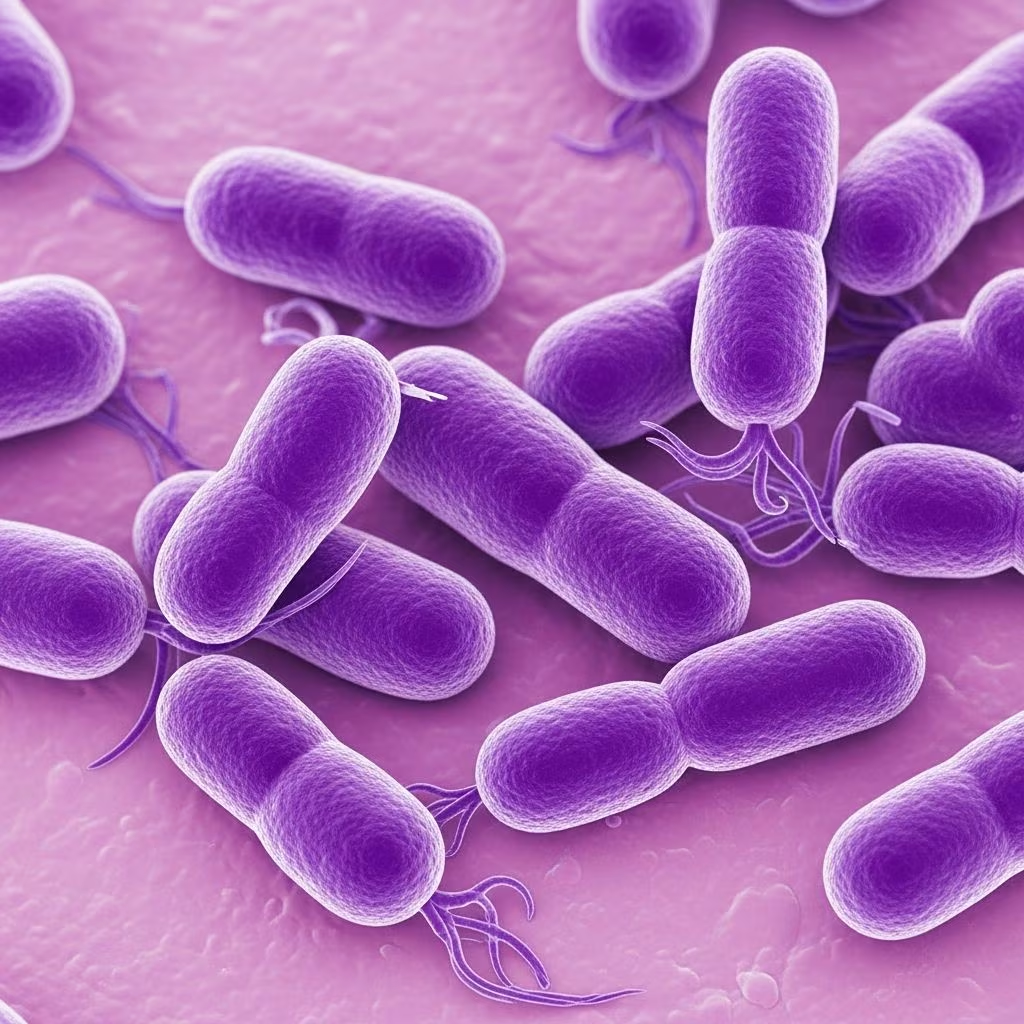
Listeriosis represents a significant bacterial infection primarily caused by Listeria monocytogenes, impacting various animal species with particular severity in ruminants such as sheep, goats, and cattle. This zoonotic disease can lead to devastating outcomes including encephalitis, septicemia, abortions, and high mortality rates if not addressed promptly.
The Pathogen Behind the Disease
Listeria monocytogenes is a gram-positive, rod-shaped, facultatively anaerobic bacterium capable of thriving in diverse environments. Its motility and ability to survive at low temperatures, high salt concentrations, and within host cells make it uniquely adaptable. The bacterium’s virulence is regulated by factors like PrfA and sigma factor σ^B, enabling invasion of host tissues, particularly in the brain and placenta.
In animals, infection often stems from contaminated feed, especially poorly fermented silage where the bacteria proliferate due to inadequate pH levels. Ruminants serve as key reservoirs through fecal shedding, perpetuating environmental contamination and facilitating transmission to humans via food chains.
Species Susceptibility and Clinical Manifestations
Ruminants bear the brunt of listeriosis outbreaks. In sheep and goats, the encephalitic form dominates, characterized by rapid onset neurological symptoms. Cattle frequently experience reproductive losses, while swine, horses, and poultry are less commonly affected.
- Sheep and Goats: Encephalitis leads to unilateral facial paralysis, drooping ears or eyelids, excessive salivation, circling, depression, fever, and loss of appetite. Animals may convulse or become recumbent, with death occurring within 24-48 hours without intervention.
- Cattle: Primarily manifests as abortions in late gestation, septicemia in neonates, and occasionally meningoencephalitis. Infected placentas and fetuses shed bacteria into the environment.
- Other Species: Horses may show neurological signs; dogs and cats typically exhibit mild gastrointestinal issues but can act as carriers. Wildlife and rodents occasionally test positive.
The abortion form in pregnant ruminants often lacks systemic signs in the dam, complicating early detection. Fetuses may show autolysis or disseminated lesions upon examination.
Epidemiology and Risk Factors
Listeriosis occurs worldwide, with peaks in winter months linked to silage feeding. Diagnostic centers report consistent caseloads, around 20 cases annually in ruminants, predominantly encephalitis confirmed via brain stem cultures. Farms with poor silage management, rodent infestations, or exposure to decaying vegetation face heightened risks.
Hypervirulent strains (e.g., clonal complexes CC1, CC2, CC4, CC6) are associated with central nervous system and fetoplacental infections, breaching critical barriers. Zoonotic potential underscores the need for vigilance, as milk, meat, and environmental contamination can affect humans, especially vulnerable groups.
| Species | Primary Form | Key Risk Factors | Mortality Rate (Untreated) |
|---|---|---|---|
| Sheep/Goats | Encephalitis | Spoiled silage, rodents | Nearly 100% |
| Cattle | Abortion/Septicemia | Poor fermentation, late pregnancy | High in neonates |
| Swine/Horses | Rare, variable | Contaminated feed | Variable |
Diagnostic Approaches
Confirmation requires laboratory isolation of L. monocytogenes from affected tissues. For encephalitic cases, postmortem brain stem submission (pons and trapezoid bodies) is ideal for culture and PCR. Abortion diagnostics involve fetal tissues, placentas, and stomach contents.
Antemortem diagnosis is challenging due to nonspecific signs; cerebrospinal fluid analysis or milk sampling may yield clues. Postmortem findings include microabscesses in the brainstem, suppurative meningoencephalitis, and placentitis. The organism’s sensitivity to disinfectants aids in ruling out contaminants.
Treatment Strategies
Early, aggressive intervention is critical, though prognosis remains guarded for neurological cases. Antibiotics must penetrate the blood-brain barrier and achieve intracellular bactericidal levels.
- Preferred Agents: High-dose penicillin G, ampicillin, oxytetracycline, ceftiofur, erythromycin, or trimethoprim-sulfadiazine. Gentamicin or tetracyclines as adjuncts.
- Supportive Care: IV fluids, electrolytes, anti-inflammatories, and nutritional support to combat dehydration and weakness.
Over 90% of isolates remain susceptible to penicillin, erythromycin, and others, but multidrug resistance is emerging, necessitating susceptibility testing. Recovery is rare in advanced encephalitis but possible with prompt therapy.
Prevention and Control Measures
Proactive farm management is paramount to curb outbreaks.
- Silage Quality: Ensure proper fermentation (pH <4.0), avoid feeding top layers exposed to air, and discard moldy or frozen silage.
- Pest Control: Implement rodent and bird eradication programs, as they vector the bacteria.
- Hygiene: Disinfect facilities, quarantine new animals, and test aborted materials routinely.
- Surveillance: Mandatory testing for abortions and CNS cases in ruminants; educate producers on risks.
A One Health approach integrates animal, human, and environmental monitoring to mitigate zoonotic spread.
Zoonotic Implications and Public Health
As a zoonosis, listeriosis threatens immunocompromised humans, pregnant women, and neonates via contaminated dairy or meat. Animal carriers shed viable bacteria in milk, amplifying risks. Pet food contamination has led to carrier states in dogs and cats without overt illness.
Veterinarians play a pivotal role in early detection and reporting to prevent human exposures. Cooking meat thoroughly and pasteurizing milk are essential consumer safeguards.
Recent Trends and Research Insights
From 2019-2022, diagnostic data highlighted ruminant predominance (91% of cases), with milk and fetal tissues as common non-neurological sources. Ongoing research focuses on virulence genomics and resistance patterns, emphasizing hypervirulent lineages’ role in severe infections.
Climate and feed practices influence epidemiology; warming trends may expand environmental niches for L. monocytogenes.
Frequently Asked Questions (FAQs)
What causes listeriosis in farm animals?
Primarily Listeria monocytogenes from contaminated silage, feed, or water.
How quickly does listeriosis progress in sheep?
Encephalitic form can kill within 24-48 hours post-symptom onset.
Can listeriosis be treated successfully?
Yes, with early high-dose antibiotics like penicillin, but neurological cases have poor prognosis.
Is listeriosis contagious between animals?
Not directly; spreads via contaminated environment or feed.
How can farmers prevent outbreaks?
Proper silage management, pest control, and routine testing of abortions.
Listeriosis demands vigilant management to protect livestock productivity and public health. Integrating best practices with veterinary oversight minimizes losses and risks.
References
- Merck | Listeriosis — Partners in Reproduction. Accessed 2026. https://www.partners-in-reproduction.com/diseases-disorders/infectious-diseases/listeriosis/
- Listeriosis: Characteristics, Occurrence in Domestic Animals — PMC (NCBI). 2024. https://pmc.ncbi.nlm.nih.gov/articles/PMC11510258/
- Listeriosis in sheep and goats — Michigan State University Extension. Accessed 2026. https://www.canr.msu.edu/news/listeriosis-in-sheep-and-goats
- Large Animal Medicine: Listeriosis In Small Ruminants — Veterinary Channel (YouTube). 2022-06-15. https://www.youtube.com/watch?v=gwMloCj4ZaU
- Listeriosis review between 2019-2022 — Cornell University College of Veterinary Medicine. 2023-07-13. https://www.vet.cornell.edu/about-us/news/20230713/listeriosis-review-between-2019-2022
- Listeria monocytogenes — Auburn University College of Veterinary Medicine. Accessed 2026. https://www.vetmed.auburn.edu/academic-departments/dept-of-pathobiology/diagnostic-services/molecular-diagnostics/listeria-monocytogenes/



