

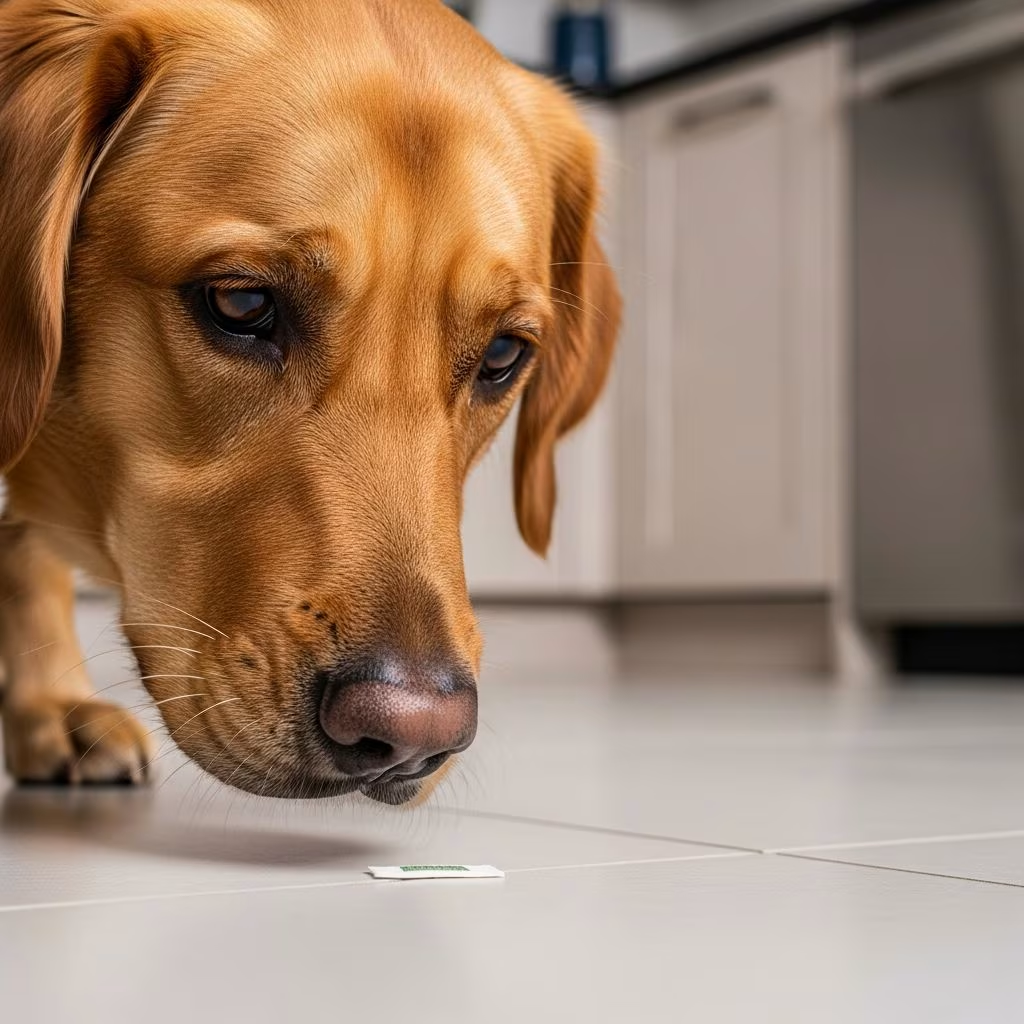
Pet owners often wonder whether common human oral care products can be safely used on their dogs. One question that frequently arises is whether Listerine strips—the popular breath-freshening strips used by humans—are appropriate for canine companions. Understanding the answer to this question is crucial for protecting your dog’s health and ensuring you’re using only veterinarian-approved products for their dental care routine.
Understanding Listerine Strips and Their Composition
Listerine strips are thin, dissolvable oral care products designed for human use. These strips are formulated with various ingredients intended to freshen breath, kill bacteria, and promote oral hygiene in people. However, the ingredients and concentrations used in products designed for humans are not necessarily safe or appropriate for dogs, whose bodies process substances differently than humans do.
The typical composition of Listerine strips includes essential oils, menthol, and other active ingredients that work effectively in the human mouth but can cause problems when ingested by dogs. Additionally, many oral care products marketed to humans contain artificial sweeteners and preservatives that may be harmful to canine health.
Key Ingredients That Pose Risks to Dogs
Several components commonly found in Listerine and similar products can be problematic for dogs:
- Xylitol: This artificial sweetener, found in many oral care products, is toxic to dogs and can cause rapid insulin release, leading to hypoglycemia, liver damage, and potentially fatal consequences.
- Menthol and essential oils: While used for flavor and freshness in human products, high concentrations of menthol and certain essential oils can irritate a dog’s digestive system and cause gastrointestinal upset.
- Alcohol content: Some mouthwash-based products contain alcohol, which can be toxic to dogs if ingested in significant quantities.
- Artificial dyes and colors: These additives, while considered safe for human consumption, may cause allergic reactions or digestive issues in some dogs.
Why Human Dental Products Aren’t Suitable for Dogs
The primary reason human dental care products shouldn’t be used on dogs is that dogs lack the ability to expectorate (spit out) liquids and solids effectively like humans do. When you use a Listerine strip, you dissolve it in your mouth and spit out the residue. Dogs, however, will inevitably swallow these products, leading to internal exposure to ingredients not intended for ingestion.
Additionally, a dog’s digestive system operates differently from a human’s, with different pH levels and bacterial compositions. Ingredients that are harmless when used topically in the human mouth can become problematic when swallowed by a dog. The concentration of active ingredients in human products is also calculated for human body weight and metabolism, making standard dosages inappropriate for dogs of varying sizes.
Symptoms of Toxicity from Inappropriate Oral Products
If your dog has accidentally ingested Listerine strips or similar products, watch for these warning signs:
- Vomiting or retching
- Diarrhea or changes in bowel movements
- Excessive drooling or difficulty swallowing
- Loss of appetite or refusing food
- Lethargy or unusual behavior
- Tremors or seizures (particularly if xylitol is involved)
- Weakness or collapse
- Rapid or irregular heartbeat
If you suspect your dog has consumed Listerine strips, contact your veterinarian or an animal poison control center immediately. Time is critical in cases of potential xylitol toxicity, as symptoms can develop rapidly.
Veterinarian-Approved Alternatives for Canine Dental Care
Rather than using human oral care products, pet owners should focus on veterinarian-approved methods and products specifically formulated for dogs. These alternatives are safer, more effective, and designed with canine physiology in mind.
Daily Teeth Brushing
The most effective method of home care for preventing dental disease in dogs is regular teeth brushing. Brushing your dog’s teeth several times a week, or ideally daily, significantly reduces plaque and tartar buildup. To make brushing successful:
- Use only pet-specific toothpaste formulated for dogs, never human toothpaste
- Choose enzymatic toothpastes in flavors dogs enjoy, such as poultry or peanut butter
- Use a soft-bristled toothbrush designed specifically for dogs, or a finger brush for smaller pets
- Introduce brushing gradually, allowing your dog to taste and become familiar with the toothpaste
- Keep initial sessions short and positive, gradually extending the duration
- Aim for consistency—regular brushing is more effective than sporadic efforts
Research demonstrates that brushing every other day can partly remove dental deposits in dogs without gingivitis, making it an accessible goal for many pet owners.
Dental Chews and Toys
Dental chews and toys approved by your veterinarian provide mechanical action that helps remove plaque and tartar naturally. When selecting dental chews:
- Choose products specifically labeled for dental health benefits
- Select appropriately sized chews for your dog to prevent choking hazards
- Avoid extremely hard chews or real bones that can fracture teeth
- Provide one dental chew daily for optimal benefits
- Look for products with the VOHC (Veterinary Oral Health Council) Seal of approval
Water Additives and Oral Gels
Veterinarian-approved water additives and oral gels can supplement your dog’s dental care routine. These products work through chemical action to reduce plaque and tartar formation. Research indicates that combining a water additive with weekly brushing can help improve periodontal health and reduce the extent of deposits in unscaled dogs.
Prescription Dental Diets
Some veterinarians recommend prescription dental diets or specially formulated kibble designed to support oral health. These foods are engineered with texture and composition to encourage chewing and promote cleaner teeth. Your veterinarian can recommend whether a dental diet would be beneficial for your specific dog.
Professional Dental Cleanings
While home care is essential, professional dental cleanings performed by a veterinarian are also important. A thorough oral examination and professional cleaning—including scaling above and below the gumline and polishing—can only be performed effectively when your dog is anesthetized. The American Veterinary Medical Association recommends that most dental cleanings include radiographs (X-rays) to evaluate the health of tooth roots below the gumline, as most dental disease occurs in areas you cannot see.
Regular brushing and home care may reduce the frequency of professional cleanings needed, and in some cases may even eliminate the need for periodic cleanings altogether.
Creating a Comprehensive Dental Care Plan
The most effective approach to maintaining your dog’s oral health combines multiple strategies. A comprehensive plan might include:
| Care Method | Frequency | Effectiveness |
|---|---|---|
| Teeth brushing | Daily or several times weekly | Most effective single method |
| Dental chews | One daily | Partially removes deposits |
| Water additives | Daily | Improves when combined with brushing |
| Dental diet | As main food source | Supportive role in oral health |
| Professional cleaning | As recommended by vet | Treats existing disease |
For dogs with existing dental deposits and no gingivitis, combining methods proves most effective. For example, brushing every other day alone can partly remove deposits, and adding daily dental chews provides additional benefit. For dogs with more advanced dental disease, combining multiple approaches—such as weekly brushing with daily water additives and dental chews—may be necessary.
Frequently Asked Questions
What should I do if my dog swallows a Listerine strip?
Contact your veterinarian or animal poison control center immediately. Provide information about the product’s ingredients, particularly whether it contains xylitol. Monitor your dog closely for symptoms such as vomiting, diarrhea, or lethargy, and seek emergency veterinary care if symptoms develop.
Can I use human toothpaste on my dog?
No. Human toothpaste often contains fluoride and xylitol, both of which are toxic to dogs. Always use pet-specific toothpaste formulated for canines.
How often should my dog have professional dental cleanings?
The frequency depends on your dog’s individual dental health. Some dogs may need annual cleanings, while others with excellent home care may require them less frequently. Your veterinarian can assess your dog’s oral health and recommend an appropriate schedule.
Are there any dog breeds that need special dental care attention?
Small breed dogs and dogs with crowded teeth are more prone to dental disease and often benefit from more frequent home care and professional cleanings. Discuss your specific dog’s breed predispositions with your veterinarian.
What’s the best age to start dental care for puppies?
Dental care should begin early in puppyhood. Many veterinarians recommend starting teeth brushing as soon as your puppy is comfortable with handling, typically between 6-8 weeks of age. Early introduction makes brushing a normal part of routine care.
Conclusion: Prioritizing Safe Oral Care for Your Dog
While Listerine strips are an effective oral care solution for humans, they are not appropriate for dogs due to potentially toxic ingredients and the inability of dogs to expectorate these products. Instead, pet owners should focus on veterinarian-approved alternatives that are specifically formulated for canine safety and effectiveness.
By implementing a comprehensive dental care routine that includes daily or frequent brushing, appropriate dental chews, and professional veterinary care when needed, you can help your dog maintain excellent oral health throughout their life. Always consult with your veterinarian before introducing any new product to your dog’s dental care regimen, and report any accidental ingestion of human products immediately.
References
- Effectiveness of Dental Homecare Protocols in Unscaled Dogs — PMC/National Center for Biotechnology Information. 2024. https://pmc.ncbi.nlm.nih.gov/articles/PMC11894899/
- The Importance of Good Oral Hygiene for Dogs and Cats — Charlotte Pet Veterinary Hospital. Accessed 2024. https://charlottepetvet.com/the-importance-of-good-oral-hygiene-for-dogs-and-cats/
- How to Take Care of Your Pet’s Oral Health at Home — Bluegrass Veterinary Hospital. Accessed 2024. https://bluegrassvet.net/how-can-i-maintain-my-pets-oral-health-at-home/
- Pet Dental Care — American Veterinary Medical Association. 2024. https://www.avma.org/resources-tools/pet-owners/petcare/pet-dental-care
- Dental Disease and Home Dental Care — Cornell University College of Veterinary Medicine, Riney Canine Health Center. 2024. https://www.vet.cornell.edu/departments-centers-and-institutes/riney-canine-health-center/canine-health-information/dental-disease-and-home-dental-care
- Veterinary Oral Health Council: Finding the Most Effective Route to Oral Health — VOHC. Accessed 2024. https://vohc.org



