

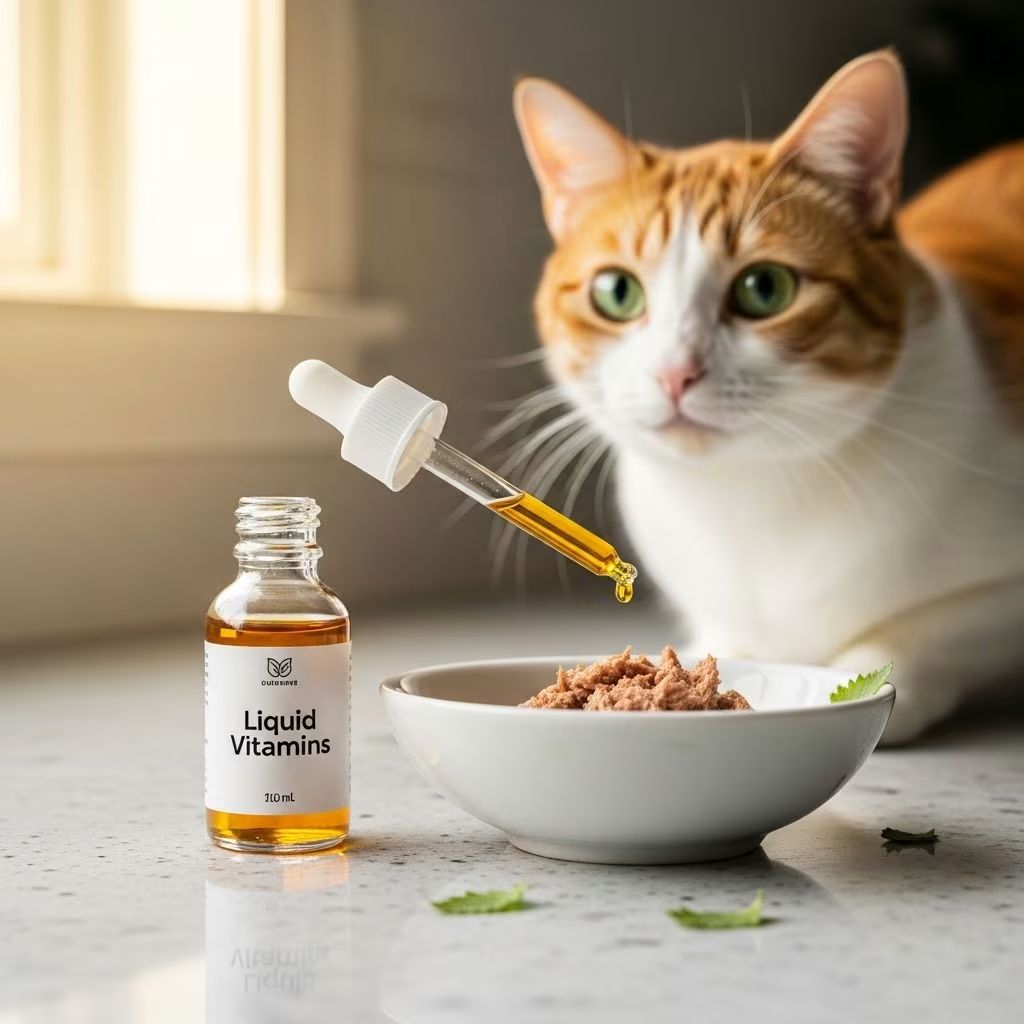
Cats have unique nutritional demands that differ from other pets due to their obligate carnivore physiology. Liquid vitamins offer a convenient way to deliver essential nutrients, particularly for cats with absorption challenges or specialized diets. These supplements can support everything from energy levels to coat condition when used appropriately under veterinary guidance.
Understanding the Role of Liquid Vitamins in Cat Nutrition
Liquid vitamins for cats are concentrated formulas providing vitamins, minerals, and sometimes amino acids in a water-based or palatable suspension. Unlike solid forms, liquids absorb quickly and mix easily into food or water, making them suitable for finicky eaters or those with dental issues.
Essential nutrients like taurine, vital for heart and eye health, cannot be synthesized by cats and must come from diet or supplements. Fat-soluble vitamins (A, D, E, K) store in the body, while water-soluble ones (B-complex, C) flush out excess, but imbalances in either can lead to health issues.
- Taurine deficiency: Risks retinal degeneration and cardiomyopathy, common in raw or homemade diets.
- Vitamin B12: Supports nerve function and appetite, crucial during illness recovery.
- Vitamin E: Acts as an antioxidant for skin and immune health.
Commercial cat foods labeled ‘complete and balanced’ meet AAFCO standards, but gaps arise in home-prepared meals or with age-related malabsorption.
When Do Cats Benefit from Liquid Vitamin Supplements?
Not all cats require extra vitamins, but specific scenarios warrant consideration. Veterinary assessment via bloodwork confirms deficiencies before supplementation.
Cats on Homemade or Raw Diets
Balancing nutrients in DIY recipes is challenging without expertise. Liquid multivitamins help prevent shortfalls in calcium, phosphorus, and vitamins critical for bone and organ function. Studies show raw-fed cats often lack precise ratios, risking long-term issues.
Aging Felines and Joint Support
Senior cats over 7 years experience reduced nutrient uptake. Formulas with glucosamine, omega-3s, and antioxidants combat oxidative stress, supporting cognition and mobility. Liquids ensure consistent dosing for arthritic or lethargic cats.
Post-Illness Recovery and Stress Management
After surgery, infections, or gastrointestinal disorders, cats deplete B-vitamins. Liquid B-complex boosts energy and appetite. Stressed indoor cats benefit from immune-boosting antioxidants like vitamins C and E.
Skin, Coat, and Immune Enhancement
Biotin and vitamin E improve fur quality, while probiotics in some liquids aid gut health, indirectly bolstering immunity.
Advantages of Liquid Over Other Supplement Forms
Liquids excel in bioavailability and ease of administration compared to pills, chews, or powders.
| Form | Pros | Cons | Best For |
|---|---|---|---|
| Liquid | Fast absorption, easy mixing, precise dosing via dropper | May alter food taste, shorter shelf life | Picky eaters, seniors, recovery |
| Powder | Versatile mixing, long shelf life | Clumping, less palatable | Daily food toppers |
| Chew/Gel | Tasty, no mixing | Hard to chew for dentally challenged cats | Young healthy cats |
Liquids bypass digestion hurdles, ideal for cats with IBD or reduced appetite.
Selecting High-Quality Liquid Vitamins for Your Cat
Choose products with transparent labeling listing exact nutrient amounts per dose. Avoid vague claims like ‘supports vitality’ without specifics.
- NASC Seal: Ensures quality manufacturing and purity testing.
- Feline-Specific Formulas: Never use human vitamins; cats metabolize differently, risking toxicity.
- Bioavailable Ingredients: Opt for chelated minerals and natural sources like fish oil for omegas.
- Palatability: Flavors like chicken or fish encourage acceptance; test small amounts first.
Popular ingredients include iron for anemia-prone breeds, copper for coat color, and thiamine for neurological health, as in products like Pet-Tinic.
Potential Risks and How to Avoid Vitamin Toxicity
Cats tolerate excesses poorly, especially fat-soluble vitamins. Over-supplementation causes harm.
- Vitamin A Excess: Doses over 100,000 IU/kg diet lead to bone deformities, stiffness. Safe limit: 10,000 IU/kg.
- Vitamin D Overdose: Triggers hypercalcemia, vomiting, kidney damage at 0.5 mg/kg.
- Other Hazards: Avoid xylitol, essential oils (tea tree), alcohol tinctures toxic to felines.
Side effects include GI upset, allergies, or drug interactions. Introduce gradually over 7-10 days, monitoring stool and behavior. Consult vets for medicated cats.
Administering Liquid Vitamins Safely
Dosage varies by weight, age, and health. Use provided dropper for accuracy; mix into wet food or administer directly.
- Shake well to emulsify.
- Start with half dose for 3 days.
- Store in cool, dark place; refrigerate if specified.
- Track intake to prevent double-dosing.
For water addition, use shallow bowls refreshed daily to avoid bacterial growth.
Common Myths About Cat Vitamin Supplements
Myth 1: All cats need daily vitamins. Fact: Balanced kibble suffices for most; extras risk overload.
Myth 2: More is better. Fact: Precision prevents toxicity; vet blood tests guide needs.
Myth 3: Liquids are always superior. Fact: Form depends on cat’s preferences and condition.
Frequently Asked Questions (FAQs)
Can liquid vitamins replace cat food?
No, they supplement, not substitute. Complete diets provide calories and macros.
Are liquid vitamins safe for kittens?
Use kitten-specific formulas sparingly; consult vet as needs differ from adults.
What if my cat refuses the supplement?
Try flavor-masking in tuna juice or switch products; syringe feeding as last resort.
How long until I see results?
Energy improvements in 1-2 weeks; coat/skin changes in 4-6 weeks.
Do organic liquid vitamins work better?
Efficacy depends on nutrient levels, not just ‘organic’ label; check third-party testing.
Integrating Supplements into a Holistic Cat Care Plan
Pair vitamins with quality diet, exercise, and check-ups. For seniors, combine with prescription renal foods if needed. Track progress with weight logs and vet visits every 6 months.
Evidence supports targeted use: B-vitamins aid recovery, taurine prevents DCM. Always prioritize prevention over cure.
References
- Cat Multivitamins: Benefits & How to Choose (2026) — Dr. Ruth Roberts. 2026-01-01. https://drruthroberts.com/blogs/pet-blog/multivitamins-for-cats
- Toxicoses in Animals From Human Multivitamins and Supplements — MSD Veterinary Manual. 2023-05-15. https://www.msdvetmanual.com/toxicology/toxicoses-from-human-vitamins-minerals-and-dietary-supplements/toxicoses-in-animals-from-human-multivitamins-and-supplements
- Toxicoses in Animals From Human Multivitamins and Supplements — Merck Veterinary Manual. 2023-05-15. https://www.merckvetmanual.com/toxicology/toxicoses-from-human-vitamins-minerals-and-dietary-supplements/toxicoses-in-animals-from-human-multivitamins-and-supplements
- Pet-Tinic — VCA Animal Hospitals. 2024-02-10. https://vcahospitals.com/know-your-pet/pet-tinic
- Which Supplements and Vitamins Are Dangerous for Pets? — ASPCA. 2023-11-20. https://www.aspca.org/news/which-supplements-and-vitamins-are-dangerous-pets



