

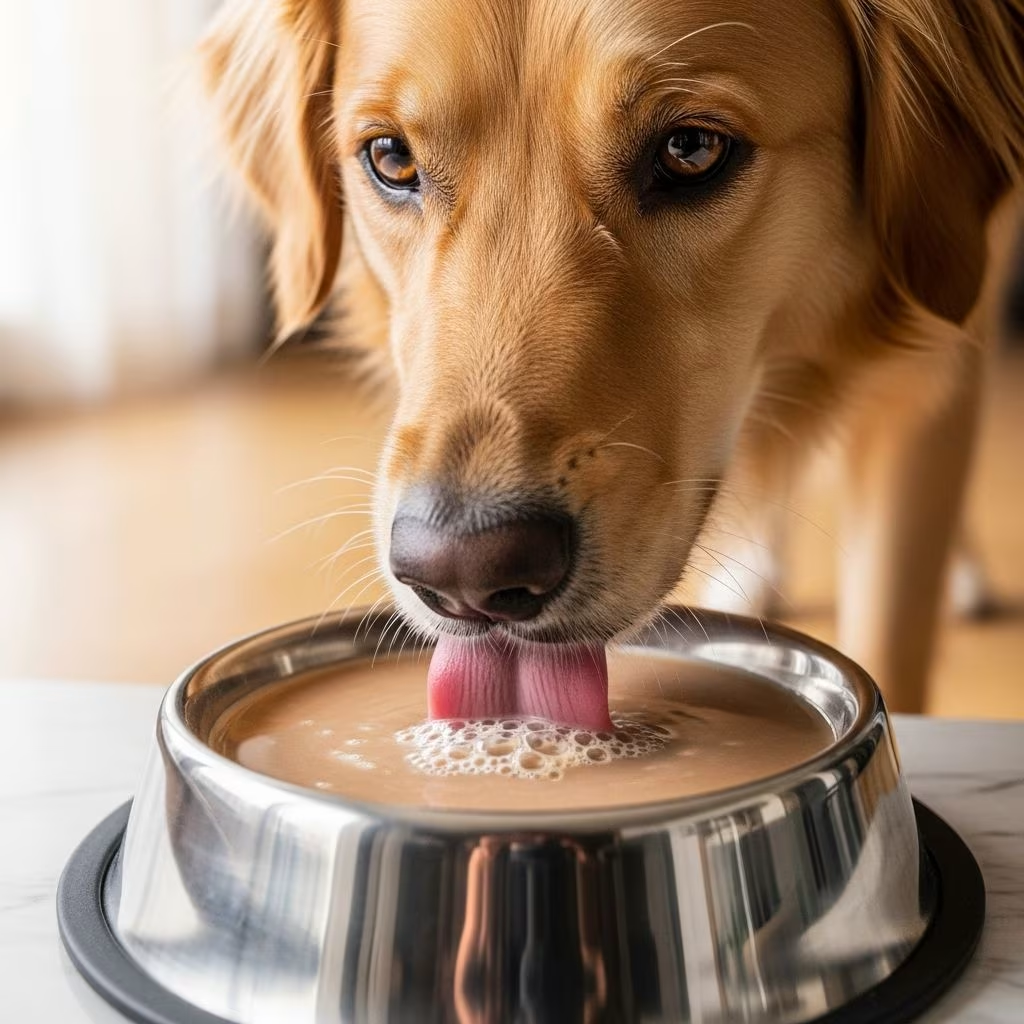
Liquid nutrition offers a vital lifeline for dogs struggling to eat solid food due to illness, age, dental issues, or post-surgical recovery. These easy-to-digest formulas provide essential nutrients while promoting hydration and comfort.
Why Dogs Need Liquid Diets
Many dogs face temporary or ongoing challenges with solid kibble or treats. Seniors often lose teeth or suffer from weakened jaws, making chewing painful. Puppies recovering from parvo or adults post-surgery may lack appetite. Liquid options bridge these gaps by delivering calories, proteins, fats, vitamins, and minerals in a form that’s gentle on the system.
Hospitalized dogs, in particular, benefit from precise nutritional support to prevent malnutrition. Studies show that early intervention with liquid feeds can resolve anorexia and stabilize health markers in veterinary settings.
Key Advantages of Liquid Feeding
- Superior Hydration: Liquids naturally boost water intake, crucial for urinary health. Research on Beagle dogs found a 28% increase in daily water consumption when a supplement was added to water bowls, without raising sodium levels significantly.
- Enhanced Nutrient Absorption: Liquids bypass heavy chewing and initial digestion, allowing faster uptake. This is ideal for dogs with gastrointestinal sensitivities, as they cause less stomach irritation than pills or dry foods.
- Appetite Stimulation: Palatable flavors encourage eating in picky or nauseous dogs. In clinical trials, specialized liquid diets like Modulen IBD were fully tolerated by most hospitalized dogs, even at full caloric replacement levels.
- Weight Management Support: Controlled portions help overweight dogs reduce calories while staying satisfied, though monitoring is key to avoid excess.
Ideal Scenarios for Liquid Nutrition
| Condition | Benefits of Liquid Diet | Duration |
|---|---|---|
| Post-Surgery Recovery | Minimizes gut stress; provides steady energy | 1-4 weeks |
| Senior Dogs with Dental Pain | No chewing required; soft texture soothes | Ongoing as needed |
| Chronic Kidney Disease | Boosts fluid intake to flush toxins | Vet-monitored long-term |
| Pickiness or Anorexia | High palatability revives interest in food | Until appetite returns |
| Gastrointestinal Upset | Gentle on digestion; quick absorption | 3-7 days initially |
Crafting Homemade Liquid Meals
Prepare safe, nutritious blends at home using vet-approved ingredients. Start with low-fat broths for sensitive stomachs, gradually adding proteins.
Basic Recipe Guidelines
- Base: Use low-sodium chicken or beef broth (87% water content ideal for hydration).
- Protein: Blend cooked chicken, turkey, or white fish (2-3% total protein).
- Fats: Add a teaspoon of fish oil for omega-3s (aim for 2-3% fat).
- Carbs/Fiber: Puree sweet potatoes or pumpkin (0.5% fiber max).
- Supplements: Include a canine multivitamin; avoid excess calcium or vitamin D.
Sample Daily Blend for a 20kg Dog: 500ml broth + 100g blended chicken + 1 tsp oil + 50g pumpkin. Blend smooth, warm to body temperature, and serve in small frequent meals (4-6 per day).
Transition slowly: Mix 25% liquid with 75% regular food, increasing over 3-5 days to prevent diarrhea.
Commercial Liquid Products Overview
Veterinary formulas like recovery liquids or hydrolyzed diets offer balanced nutrition. Look for AAFCO-approved options with 2.7% protein, 2.6% fat, and minimal fillers. These are sterile, pH-balanced, and shelf-stable when unopened.
Pros include convenience and precise dosing; cons involve higher costs (2-3x dry food) and potential dental plaque buildup from exclusive use. Pair with dental chews twice weekly.
Administering Liquid Nutrition Effectively
Serve via syringe for weak dogs, bowl for others, or mix into kibble for hybrid meals. Feed 25% of resting energy requirements (RER) initially: RER = 70 x (body weight in kg)^0.75. Increase by 25% daily if tolerated—no vomiting or regurgitation.
- Morning dose: Stimulates daytime hydration peak.
- Evening: Smaller portions to avoid nighttime discomfort.
- Monitor urine output: Expect 55% increase as a hydration sign.
Potential Drawbacks and Precautions
While beneficial, liquids aren’t perfect. Exclusive long-term use risks tartar accumulation since there’s no abrasive chewing. Obesity looms if portions exceed needs—calorie-dense formulas pack 1-1.5 kcal/ml.
Allergic reactions or digestive upset can occur; watch for hyperactivity from over-supplementation. Never use human formulas high in onions, garlic, or xylitol.
Veterinary Integration and Monitoring
Consult a vet before starting, especially for chronic conditions. Bloodwork ensures nutrient balance; weigh weekly to track progress. For urolithiasis-prone dogs, liquids excel by diluting urine crystals.
Frequently Asked Questions
Can all dogs have liquid food daily?
No, it’s best as a supplement. Healthy adults need kibble’s dental benefits.
How long can a dog stay on liquids?
Short-term (weeks) for recovery; long-term only under vet supervision.
Is homemade cheaper than commercial?
Yes, by 50-70%, but requires precise measuring for completeness.
Does it help with constipation?
Indirectly via hydration boost, but add fiber sources carefully.
What if my dog refuses it?
Warm slightly, add bone broth flavor, or syringe-feed temporarily.
Transitioning Back to Solids
Once appetite returns, mash soft foods, then mix with liquids. Full solid return in 5-7 days prevents relapse. Celebrate with a vet check-up.
References
- Influence of a Liquid Nutritional Supplement on Water Intake in Healthy Adult Beagle Dogs — Scientific Research Publishing. 2016-01-15. https://www.scirp.org/journal/paperinformation?paperid=66122
- A Preliminary Study of Modulen IBD Liquid Diet in Hospitalized Dogs with Acute Pancreatitis — PMC (PubMed Central). 2022-06-15. https://pmc.ncbi.nlm.nih.gov/articles/PMC9219819/
- Critical Care Nutrition for Dogs — VCA Animal Hospitals. 2023-01-01. https://vcahospitals.com/know-your-pet/nutritional-support-for-the-canine-critical-care-patient
- 4 Reasons Liquid Supplements Are Great for Your Dog’s Health — Pawddrinks. 2024-05-10. https://pawddrinks.com/blogs/blog/4-reasons-liquid-supplements-are-great-for-your-dog-s-health
- Should You Give Your Dog Liquid Food? — Pawious. 2023-11-20. https://pawious.com/blogs/learning-and-helpful-information/should-you-give-your-dog-liquid-food



