

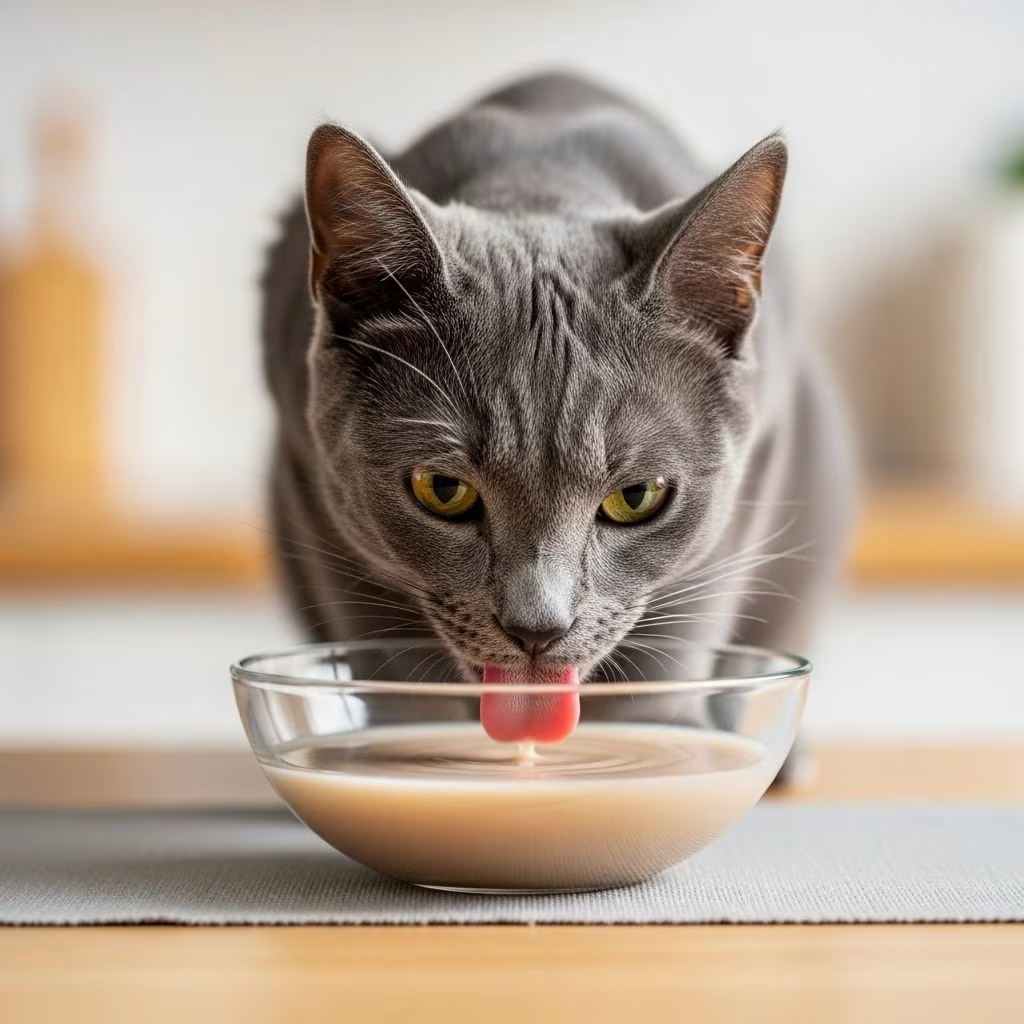
Cats are obligate carnivores with specific dietary requirements that differ significantly from other pets. When health challenges arise, conventional feeding methods may no longer be suitable. Liquid nutrition represents a specialized dietary approach designed to provide essential nutrients when cats cannot consume or digest solid food. Understanding when and how to implement this feeding method is crucial for pet owners facing health complications with their feline companions.
Understanding Fluid-Based Nutrition for Felines
Liquid diets for cats represent a departure from traditional feeding approaches, fundamentally designed around ease of consumption and digestibility. Unlike standard kibble or canned food that requires chewing and mechanical breakdown, liquid formulations bypass these initial digestive processes. The primary objective is delivering complete nutrition in a form that demands minimal effort from a cat’s mouth, teeth, and digestive tract.
These specialized diets are not intended for indefinite use. Instead, they serve as temporary nutritional bridges during periods when a cat’s body requires support but cannot manage conventional food textures. Most liquid diets come through veterinary prescription, ensuring proper formulation specifically tailored to feline nutritional needs.
Medical Circumstances Requiring Fluid Nutrition
Veterinarians prescribe liquid diets when specific health conditions prevent normal eating patterns. A healthy cat thriving on standard nutrition requires no dietary modification. However, certain medical scenarios necessitate this intervention:
- Oral and facial injuries from accidents or surgical procedures affecting the jaw, tongue, or gums
- Severe malnutrition accompanied by extreme weakness limiting a cat’s ability to consume food
- Significant inflammation of oral tissues, including the gums, mouth cavity, or tongue
- Severe dental disease preventing normal chewing function
- Cancer affecting the mouth, throat, or digestive system
- End-stage kidney disease requiring specialized nutritional management
- Geriatric cats with tooth loss or compromised digestive capacity
Additionally, conditions such as pancreatitis, diabetes, and liver disease may benefit from liquid nutrition under veterinary guidance.
The Role of Feeding Tubes in Nutritional Support
For cats experiencing conditions too painful for conventional feeding, veterinarians may recommend temporary feeding tubes. These medical devices bypass the mouth entirely, delivering nutrition directly to the stomach. This approach eliminates discomfort associated with eating while ensuring consistent caloric and nutrient intake.
When feeding tubes are employed, veterinarians typically prescribe highly concentrated, nutrient-dense liquid formulations. These specialized diets pack maximum nutrition into small volumes, reducing the frequency of feeding sessions while meeting complete nutritional requirements. Proper tube care remains essential, as infection risk increases with improper maintenance.
Nutritional Considerations and Formulation Differences
Not all liquid diets are created equal. Formulations designed for human consumption differ substantially from feline-specific prescriptions. Human-grade liquid nutrition typically contains insufficient protein, taurine, and arginine—amino acids critical for cat health. These inadequate formulations are unsuitable for long-term feline use, regardless of cost savings.
Prescription feline liquid diets undergo rigorous formulation to address cats’ obligate carnivore requirements. These balanced formulations include appropriate protein ratios, essential amino acids, vitamins, and minerals necessary for recovery and maintenance. Cost differences between human and veterinary formulations reflect these nutritional requirements rather than marketing.
Cats require approximately four ounces of water per five pounds of lean body weight daily. An average ten-pound cat needs roughly one cup of water per day. Liquid diets contribute significantly to this hydration need, though fresh water should remain available for additional consumption.
Administration Guidelines and Best Practices
Proper administration of liquid nutrition requires attention to several details. First, never force-feed by pushing your cat’s nose into the dish, as this risks aspiration and potential lung complications. Instead, allow voluntary consumption whenever possible.
Temperature considerations matter when preparing these diets. Not all prescription liquids tolerate heating, as microwaving can denature ingredients and alter nutritional composition. Always consult your veterinarian before warming any prescribed diet.
Most prescription liquid diets spoil rapidly once opened, necessitating adherence to recommended shelf-life guidelines. Expired or improperly stored nutrition poses health risks. Similarly, feeding tube hygiene remains paramount for preventing contamination and infection.
Many liquid diets benefit from pairing with water consumption before and after feeding. This protocol enhances digestive comfort and supports overall hydration status. For cats transitioning from feeding tubes or forced feeding, gradual introduction to self-directed consumption aids adaptation.
Extended Liquid Nutrition for Senior Cats
Geriatric cats represent a specific population where extended liquid diet use becomes appropriate. As cats age, dental loss, digestive fragility, and general weakness may prevent solid food consumption. Rather than forcing aged cats to struggle with conventional kibble, liquid nutrition provides a sustainable long-term solution.
For senior cats experiencing reduced appetite, several transitional approaches exist before committing to full liquid diets. Small, frequent meals distributed throughout the day often improve intake better than large portions. Wet food preferences may supplant dry food consumption patterns.
Alternative approaches include diluting wet or dry food with broth, creating a semi-liquid consistency without constituting a true prescription diet. This strategy maintains some food variety while easing chewing demands. Consultation with your veterinarian helps determine whether true liquid diets or transitional approaches suit your aging cat’s needs.
Critical Health Consequences of Inadequate Nutrition
Cats cannot tolerate prolonged nutritional deprivation without serious consequences. When cats cease eating adequately, their bodies mobilize fat stores for energy, particularly problematic in obese cats. This process causes fatty infiltration into the liver, potentially triggering hepatic lipidosis—a life-threatening condition.
Because cats require substantial protein for survival, depletion of protein consumption accelerates hepatic lipidosis development. Additionally, dehydration emerges as an immediate concern when cats reduce food and water intake.
Dehydration compromises multiple physiological systems, decreasing circulation, disrupting temperature control, causing cardiac arrhythmias, and impairing neurological function. These complications develop rapidly, requiring urgent veterinary intervention to prevent permanent damage. Prolonged delays in treatment worsen long-term prognosis significantly.
Hydration and Moisture-Rich Feeding
Liquid diets inherently support hydration better than dry kibble. Wet foods containing up to eighty percent water naturally increase fluid intake for cats consuming these diets. Cats eating wet food typically drink less supplementary water because their meals provide substantial moisture.
Conversely, cats on dry food diets must obtain more water through direct drinking, a challenge for animals with naturally low thirst drives. This distinction explains why liquid and wet diets prove particularly beneficial for cats with conditions causing increased water loss, such as chronic kidney disease and diabetes.
Beyond prescription liquids, adding water or low-sodium broth to regular food increases moisture content and promotes hydration. Some cats respond positively to water flavored with tuna juice or chicken broth, improving voluntary water consumption.
Important Dietary Restrictions for Cats
While supporting your cat through liquid nutrition, avoid common feeding mistakes. Milk and milk-based products should never be offered, as cats lack sufficient lactase enzyme for milk digestion. These products cause vomiting and diarrhea rather than providing nutritional benefit.
Treats should comprise no more than five percent of daily caloric intake, with the remainder coming from nutritionally complete cat food. This principle applies regardless of whether you’re feeding conventional diets or prescription liquids.
Frequently Asked Questions
How long does my cat need to remain on a liquid diet?
Duration depends entirely on the underlying medical condition. Temporary liquid diets following surgery or injury typically last days to weeks, while chronic conditions like advanced kidney disease may require indefinite liquid nutrition. Your veterinarian determines appropriate duration based on your cat’s specific situation and recovery progress.
Can I prepare homemade liquid cat food?
Homemade liquid diets risk nutritional imbalance and may lack essential nutrients cats require. Prescription formulations undergo rigorous testing to ensure complete nutrition. Always use veterinarian-prescribed diets rather than homemade alternatives unless explicitly directed otherwise by your vet.
What if my cat refuses the prescribed liquid diet?
Palatability varies among cats and formulations. Contact your veterinarian immediately if your cat refuses prescribed nutrition. Your vet can recommend alternative formulations, adjust feeding methods, or discuss supplementary approaches. Never reduce caloric intake due to preference—nutritional adequacy remains non-negotiable.
Should I continue offering water if my cat eats liquid diet?
Yes, fresh water should remain continuously available even when feeding liquid diets. Some cats prefer drinking water independently, and additional water consumption supports overall hydration status beyond what liquid food provides.
Are liquid diets appropriate for kittens?
Kittens requiring transitional feeding from bottle-feeding to solid food benefit from gruel—a mixture of high-quality kitten food with kitten milk replacer creating oatmeal-like consistency. Bottle-feeding continues during this transition before progressing to bowl-based consumption.
Working With Your Veterinarian
Successfully implementing liquid nutrition requires close veterinary partnership. Your veterinarian evaluates your cat’s condition, recommends appropriate formulations, and monitors recovery progress. Regular check-ups ensure the liquid diet continues meeting your cat’s needs as their condition evolves.
Never modify prescription diets, adjust feeding quantities, or discontinue feeding without veterinary guidance. Prescription diets demand precision—feeding in excess or deficit compromises therapeutic benefits. Your veterinarian provides specific feeding instructions tailored to your cat’s individual requirements.
Liquid nutrition represents an essential tool for supporting cats through serious health challenges. By understanding when these diets become necessary, administering them correctly, and maintaining close veterinary communication, you can help your feline companion recover and maintain quality of life during difficult periods.
References
- Do I Need to Put My Cat on a Liquid Diet? Vet-Approved Info & Guide — Catster. Retrieved February 17, 2026. https://www.catster.com/cat-health-care/cat-liquid-diet/
- Cat Nutrition Tips — ASPCA. https://www.aspca.org/pet-care/cat-care/cat-nutrition-tips
- Why Your Cat Can’t Go Without Food — PetMD. https://www.petmd.com/cat/conditions/digestive/why-your-cat-cant-go-without-food
- Hydration — Cornell University College of Veterinary Medicine, Cornell Feline Health Center. https://www.vet.cornell.edu/departments-centers-and-institutes/cornell-feline-health-center/health-information/feline-health-topics/hydration
- Liquid Meals are Easier to Stomach in cats — PetsVetCheck. https://petsvetcheck.de/en/symptoms/cat/liquid-meals-are-easier-to-stomach/
- Feeding the Critical Canine and Feline Patient — Today’s Veterinary Nurse. https://todaysveterinarynurse.com/nutrition/feeding-the-critical-canine-and-feline-patient/



