

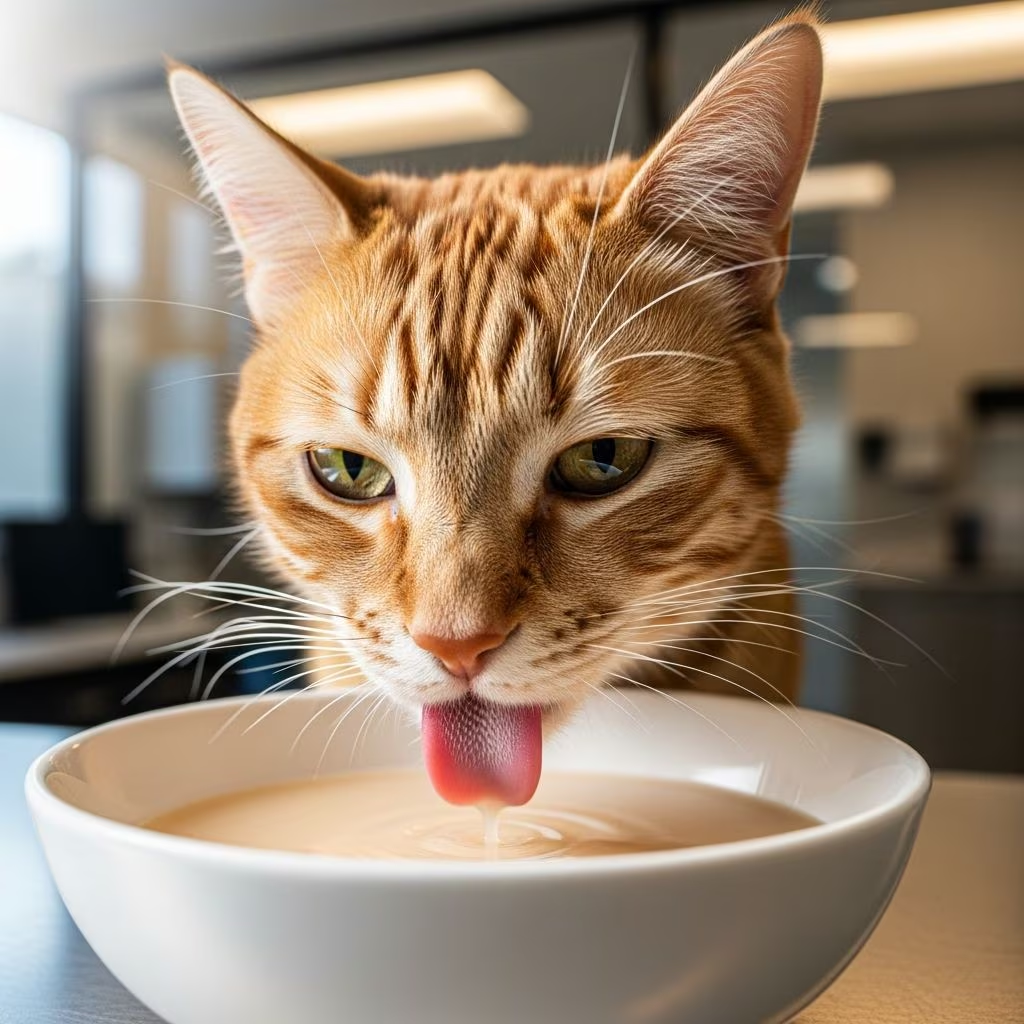
Liquid diets deliver complete nutrition in a form cats can easily ingest when chewing or swallowing solids proves challenging. These vet-prescribed formulas support recovery and maintain health during critical periods.
Recognizing When Cats Require Liquid Nutrition
Cats facing temporary or ongoing eating difficulties benefit from liquid options. Common triggers include surgical interventions, where jaw or oral trauma limits solid intake, and chronic conditions like kidney disease that demand easily digestible sustenance.
- Post-operative healing: After procedures such as castration or dental extractions, high-moisture foods accelerate recovery by enhancing palatability and digestibility.
- Oral health crises: Severe gingivitis, ulcers, or lost teeth make swallowing painful, necessitating slurries or purees.
- Systemic diseases: Kidney failure or cancer often reduces appetite, and liquids help sustain energy without burdening weakened systems.
- Advanced age fragility: Geriatric cats with frail jaws or diminished chewing ability thrive on fluid meals.
- Emaciation risks: Severely underweight felines unable to self-feed require assisted liquid delivery.
These diets bridge nutritional gaps, preventing muscle wasting and dehydration that exacerbate illness.
Advantages of High-Moisture Feline Formulas
Unlike dry kibble, liquid diets mimic natural prey moisture levels, promoting hydration and gut motility. Studies show wet foods post-surgery reduce inflammation markers and boost antioxidant defenses compared to dry alternatives.
| Benefit | Dry Food Comparison | Impact on Cats |
|---|---|---|
| Higher water content (70-90%) | Low moisture (10%) | Prevents urinary stones, aids rehydration |
| Superior digestibility | Requires more chewing | Reduces vomiting risk, supports weak digestion |
| Increased palatability | Often less appealing | Stimulates appetite in ill cats |
| Lower calorie density | Energy-packed | Controls weight gain post-neuter |
Such formulations also elevate superoxide dismutase levels, shielding cells from surgery-induced oxidative stress. For renal patients, elevated moisture counters reduced thirst, maximizing fluid uptake.
Selecting and Preparing Suitable Liquid Options
Veterinarians prescribe balanced recipes meeting AAFCO standards for cats, ensuring proteins, fats, vitamins, and minerals suffice daily needs. Commercial products like recovery slurries or renal-support liquids offer convenience.
Homemade approximations risk imbalances; avoid milk due to lactose intolerance causing diarrhea. Instead, blend vet-approved wet food with water or low-sodium broth.
- Warm gently to body temperature (do not microwave unless specified, as heat alters nutrients).
- Dilute dry kibble sparingly for transitions, aiming for soupy consistency.
- Store opened portions refrigerated; discard after 24-48 hours to prevent spoilage.
Feeding tubes, if placed, demand sterile technique to avert infections.
Step-by-Step Feeding Protocols
Administer in small, frequent portions to mimic natural grazing and minimize overload. Target 20-30 kcal per pound of ideal body weight daily, adjusting per vet guidance.
- Position cat upright or elevated to guard against aspiration.
- Offer 1-2 tablespoons every 3-4 hours, using syringe for precision.
- Pre- and post-feed water sips ensure hydration.
- Track intake via logs; supplement if below 75% needs.
For tube-fed cats, flush with water post-meal to clear blockages. Geriatric or picky eaters may respond to warmed, aromatic mixtures fed via finger or spoon.
Tracking Health Progress on Liquids
Vigilant observation prevents complications. Weigh weekly, noting 1-2% losses as red flags.
- Hydration checks: Pinch skin for turgor; moist gums indicate adequacy. Dryness signals crisis.
- Output monitoring: Normal urine/stool volume confirms balance.
- Energy levels: Lethargy or weakness prompts vet review.
Bloodwork tracks kidney function, electrolytes, and proteins, guiding duration.
Navigating Potential Drawbacks
While beneficial, risks demand caution. Aspiration pneumonia arises from improper positioning; always elevate heads.
| Risk | Signs | Prevention |
|---|---|---|
| Aspiration | Coughing, fever | Upright feeding, slow syringe |
| Dehydration | Sunken eyes, tacky gums | Fluid additives, monitoring |
| GI upset | Diarrhea, vomiting | Gradual intro |
| Tube issues | Blockage, infection | Hygiene, flushes |
| Deficiencies | Weight loss | Balanced formulas only |
Overfeeding risks hyperglycemia in critical patients. Long-term use without oversight may imbalance nutrients.
Smoothly Returning to Solid Meals
Transition over 3-7 days as appetite rebounds. Mix increasing solids into liquids.
- Day 1-2: 75% liquid, 25% mashed wet food.
- Day 3-4: 50/50 blend.
- Day 5+: Gradually phase out fluids.
Monitor for refusal or distress; revert if needed. Post-neuter, wet foods curb obesity better than dry.
Special Considerations for Vulnerable Cats
Chronic Disease Management
Renal diets with moderated protein suit kidney cases, paired with liquids for palatability. Cancer patients gain from calorie-dense options combating cachexia.
Senior Feline Care
Aging alters dentition and metabolism; liquids preserve muscle mass without strain. Frequent small feeds suit reduced stomach capacity.
Critical Hospital Settings
Hospitalized cats face malnutrition from stress; early liquid intervention via tubes stabilizes.
Frequently Asked Questions
Can I make a homemade liquid diet for my cat?
Avoid without vet input; imbalances harm more than help. Stick to prescription blends.
How long can a cat stay on liquids?
Short-term (days-weeks) for recovery; longer under monitoring for chronic needs.
Will my cat gain weight on liquid food?
Unlikely due to lower density, but portion control prevents excess.
Is water still needed with high-moisture diets?
Yes, encourage drinking to supplement.
What if my cat refuses the liquid diet?
Warm it, add tuna juice, or seek assisted feeding advice.
Final Thoughts on Feline Liquid Feeding
Liquid diets empower cats through health trials, but demand vet partnership. Prompt intervention averts dehydration and weakness spirals. Regular check-ins ensure tailored success.
References
- Feline Liquid Diet: Benefits and Risks — Univen FM. 2023. https://univenfm.co.za/blog/feline-liquid-diet/
- Wet-food diet promotes the recovery from surgery of castration and weight management in cats — PMC (NCBI). 2023-03-01. https://pmc.ncbi.nlm.nih.gov/articles/PMC9997781/
- Do I Need to Put My Cat on a Liquid Diet? Vet-Approved Info & Guide — Catster. 2024. https://www.catster.com/cat-health-care/cat-liquid-diet/
- Veterinary and Technical | Liquivite — Liquivite. 2023. https://www.liquivite.co.uk/about-liquivite
- Cat Nutrition Tips — ASPCA. 2024. https://www.aspca.org/pet-care/cat-care/cat-nutrition-tips
- Critical Care Nutrition for Cats — VCA Animal Hospitals. 2024. https://vcahospitals.com/know-your-pet/nutritional-support-for-the-feline-critical-care-patient



