

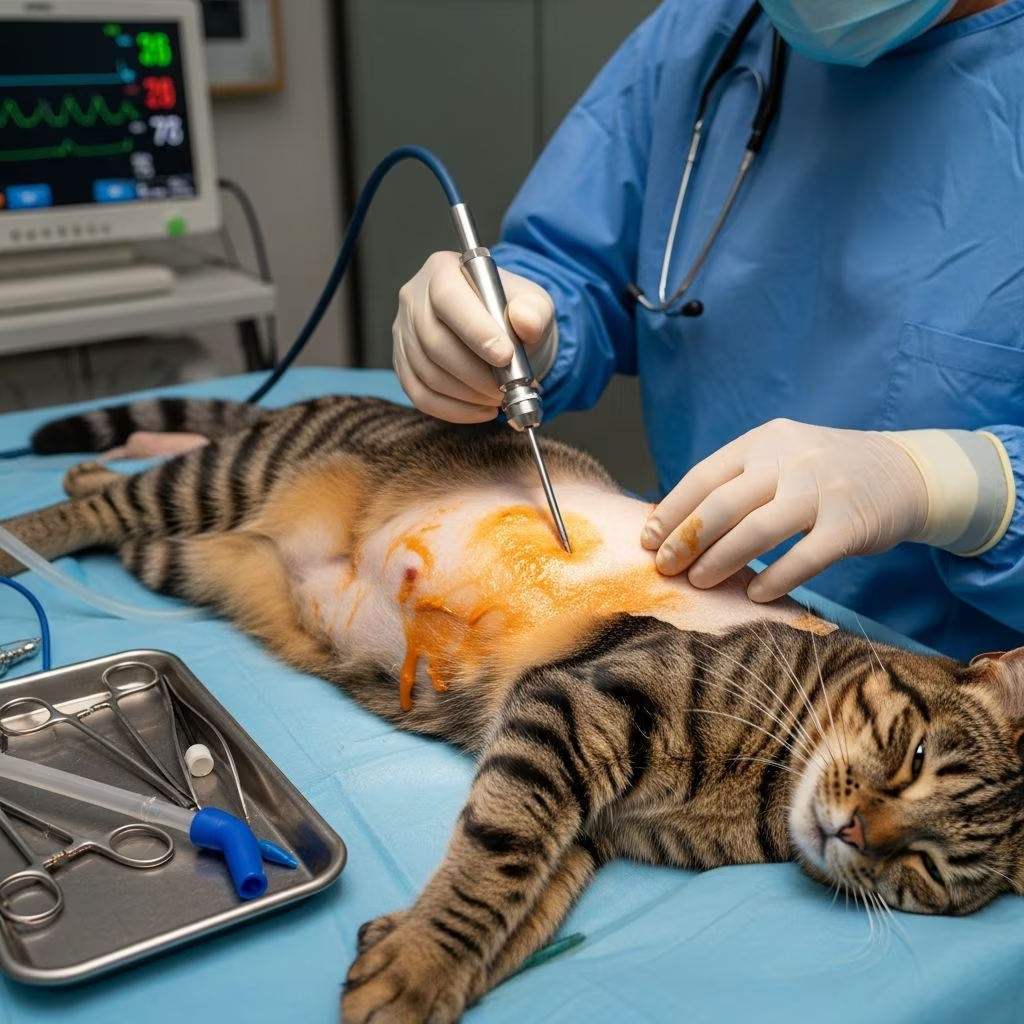
Feline obesity affects roughly 50% of cats visiting vets, raising risks for conditions like diabetes and joint problems. While liposuction might seem like a fast solution for excess fat, veterinarians strongly advise against it for most cases due to significant dangers and lack of lasting benefits.
The Reality of Feline Fat Removal Procedures
Liposuction involves using a suction tool to extract fat deposits from under the skin, typically under anesthesia. In humans, it’s popular for body contouring. For pets, it’s occasionally applied to dogs with benign fatty tumors known as lipomas, where smaller masses under 15 cm show better outcomes, though recurrence happens in about 28% of cases.
Cats differ markedly. Their compact bodies, unique fat storage, and anesthesia sensitivities make the process far riskier. Unlike dogs, where liposuction for lipomas has some precedent, no established protocols exist for felines, and vets rarely pursue it.
Why Vets Avoid Liposuction for Weight Loss
Obese cats face heightened anesthesia perils, including breathing issues and heart strain. Even if fat is suctioned out, it ignores core problems like overfeeding, inactivity, and metabolic shifts. Weight often rebounds without lifestyle changes.
Rapid fat loss can trigger hepatic lipidosis, a life-threatening liver condition where fat infiltrates the organ, causing failure and jaundice. Safe weight reduction targets 0.5-1.5% of body weight weekly through monitored diets.
- Anesthesia complications: Obese cats struggle more with recovery.
- Infection risks: Small incisions can lead to serious infections.
- Metabolic fallout: Sudden changes disrupt bodily balance.
- Regrowth potential: Fat returns without addressing habits.
Dealing with Lipomas and Fatty Masses in Cats
Lipomas—soft, movable benign tumors—are rarer in cats than dogs. They seldom need intervention unless interfering with movement, causing pain, or worrying owners.
Standard treatment is surgical excision when small, as larger ones complicate removal and heighten pain. Liposuction isn’t standard for cats; traditional surgery suffices and is less invasive early on. For infiltrative types or liposarcomas (malignant), specialist surgeons and possibly radiation follow-up are ideal.
| Condition | Prevalence in Cats | Treatment Preference | Liposuction Suitability |
|---|---|---|---|
| Lipomas | Rare | Surgical removal if problematic | Not documented/recommended |
| Obesity-related fat | Common (50% cats) | Diet/exercise | High risk, ineffective |
| Liposarcomas | Very rare | Advanced surgery ± radiation | Not applicable |
Safe Pathways to Feline Weight Control
Vets prioritize sustainable methods over surgery. Start with a vet exam to rule out thyroid issues or other causes.
- Calorie precision: Measure food; use prescription diets if needed.
- Feeding routine: 2-3 small meals daily prevents begging.
- Activity boost: Toys, laser pointers, and climbing structures encourage movement.
- Progress tracking: Weekly weigh-ins ensure 1-2% loss rate.
- Enrichment: Puzzle feeders make eating engaging.
High-protein, low-carb foods mimic natural diets, supporting muscle while cutting fat. Consistency yields results without health scares.
Risks Beyond the Operating Table
Surgery in cats demands general anesthesia, risky for the overweight. Post-op issues include poor healing, organ stress, and prolonged recovery. Costs soar with complications, and emotional toll on pets is high.
Alternatives like steroid injections for lipomas show promise in dogs but lack cat data. Focus remains on prevention: maintain ideal weight via lifelong habits.
Recognizing When Surgery Is Warranted
Rarely, fat-related surgery occurs-not liposuction-for diagnostics or urgent issues:
- Masses needing biopsy.
- Obstructing growths.
- Cancer-linked tissues.
Always exhaust non-invasive options first. Vets tailor plans to each cat’s age, breed, and health.
FAQs on Cat Fat Management
Is liposuction ever safe for cats?
No, it’s not recommended due to anesthesia risks and ineffectiveness for obesity or common issues.
How can I tell if my cat has a lipoma?
Soft, round lumps under skin that move freely. Vet ultrasound or biopsy confirms.
What’s the best diet for overweight cats?
Vet-approved, high-protein formulas with portion control and wet food for hydration.
How fast should my cat lose weight?
0.5-1.5% weekly to avoid hepatic lipidosis.
Are there home remedies for cat obesity?
Switch to measured feeding, add playtime, but consult vet before changes.
Partnering with Your Veterinarian
Obesity epidemics in cats stem from indoor lifestyles and free-feeding. Vets offer tailored plans, including apps for tracking. Early action prevents comorbidities.
For lipomas, monitor size; intervene only if needed. Liposuction hype overlooks feline biology—opt for evidence-based care.
References
- Do They Perform Liposuction for Cats? A Veterinary Perspective — PetsCare. 2023. https://www.petscare.com/news/post/liposuction-for-cats
- Liposuction for Cats: Our Vet Explains What it Is & Safety — Catster. 2023. https://www.catster.com/ask-the-vet/liposuction-for-cats/
- Plastic Surgery for Your Cat? — Fear Free Happy Homes. 2022. https://www.fearfreehappyhomes.com/plastic-surgery-for-your-cat/
- Lipomas and Liposarcomas (Adipose Tumors) — VCA Animal Hospitals. 2024. https://vcahospitals.com/know-your-pet/adipose-lipoma-tumors
- Pet Talk: Cosmetic Procedures — Texas A&M College of Veterinary Medicine. 2023. https://vetmed.tamu.edu/news/pet-talk/cosmetic-procedures/



