
Lipoma in Dogs: Everything a Pet Parent Needs To Know
Complete guide to understanding, diagnosing, and treating lipomas in dogs.
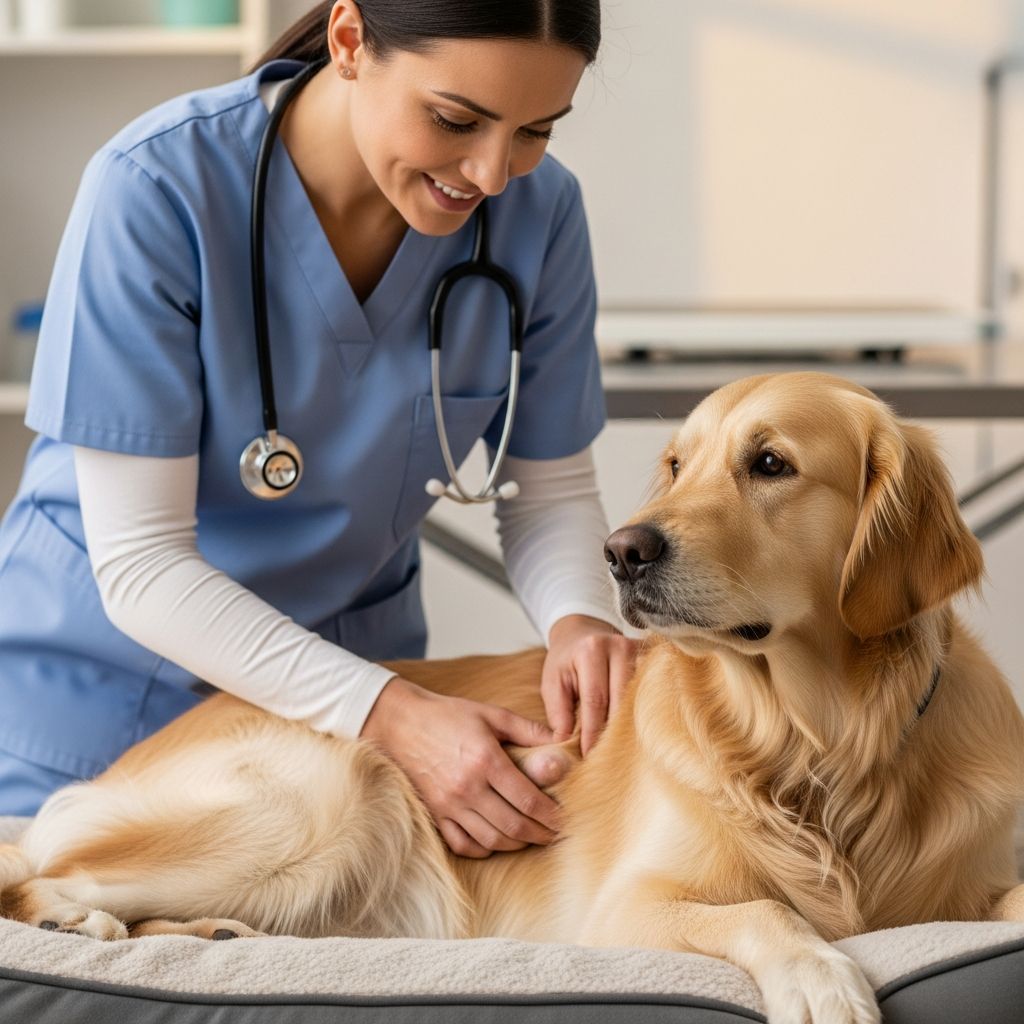
As a responsible dog owner, discovering a new lump on your beloved pet can be concerning. While many lumps turn out to be benign, it’s crucial to understand what lipomas are and how to manage them. Lipomas are among the most common benign tumors found in dogs, particularly in middle-aged and older animals. This comprehensive guide will help you understand what lipomas are, recognize their symptoms, learn about diagnostic procedures, and explore available treatment options.
What Is a Lipoma in Dogs?
A lipoma is a benign, slow-growing fatty tumor that develops under the dog’s skin. These tumors are composed of mature fat cells and are generally non-cancerous. Lipomas are extremely common in dogs, particularly as they age. Unlike malignant tumors, lipomas rarely pose a serious health threat, though they can occasionally cause discomfort or mobility issues depending on their location and size. Many dog owners first discover these lumps while petting their dogs or during routine grooming sessions.
Types of Lipomas
Veterinarians recognize different types of lipomas based on their location and characteristics:
Subcutaneous Lipomas: These are the most common type, occurring directly under the skin and easily movable to the touch.
Infiltrative Lipomas: These tumors grow into surrounding tissues and muscle, making them firmer and less mobile than simple lipomas. They can be more challenging to remove surgically.
Intramuscular Lipomas: Located within muscle tissue, these lipomas may cause more significant discomfort and functional difficulties for your dog.
Symptoms of a Lipoma in Dogs
The main symptom of a lipoma is the presence of a lump, but understanding the characteristics of these lumps helps with identification:
A slow-growing lump underneath the skin: Lipomas develop gradually over time, which is why you may not notice them immediately.
A soft, freely movable lump: Most lipomas feel squishy and can be moved slightly under the skin, most commonly appearing on the torso or limbs.
A firm, less moveable lump: Infiltrative lipomas may feel firmer and more fixed in place due to their infiltration into surrounding tissues.
Because lipomas generally do not cause pain or discomfort, you may notice very few symptoms beyond the obvious lump. However, if the lump grows very large, your dog could experience trouble walking or breathing depending on its location. Lipomas commonly develop on the chest, abdomen, and limbs, though they can appear anywhere on the body.
When to See Your Veterinarian
While many lipomas are harmless, certain situations warrant prompt veterinary attention:
– The lipoma grows large enough to interfere with mobility or breathing
– The lipoma grows quickly
– The lump is causing your dog significant discomfort
– The lump begins leaking blood or pus
– The lump changes shape, color, or texture
– You discover any new lump on your dog
Even if a lump appears benign, scheduling a veterinary appointment at your earliest convenience is important so your veterinarian can accurately diagnose the lump and rule out other serious conditions, such as cancer or infection.
How Veterinarians Diagnose a Lipoma in Dogs
Proper diagnosis ensures that the lump is indeed a lipoma and not a more serious condition. Your veterinarian will follow a systematic diagnostic approach.
Physical Examination
The veterinarian will start with a thorough physical exam, paying special attention to all areas of the dog’s skin. She will manually feel along your dog’s torso and limbs to detect any lumps and bumps. The veterinarian will note the size, mobility, consistency, and location of any lumps discovered.
Fine Needle Aspirate (FNA)
If a lump is found, additional testing may be performed. The most common diagnostic test is a fine needle aspirate. A veterinarian uses a small needle to gently poke the lump and collect a sample of cells. This sample is added to a glass slide and then stained with dye to highlight the cells when looking under a microscope. This procedure is minimally invasive and does not require anesthesia, making it an excellent first-line diagnostic tool.
Biopsy
A small piece of the lump is removed surgically and submitted to a pathologist for an accurate diagnosis. This procedure requires anesthesia and is typically recommended when fine needle aspiration results are inconclusive or when ruling out malignancy is essential.
Treatment of a Lipoma in Dogs
Treatment decisions depend on the size, location, and symptoms associated with the lipoma, as well as your dog’s overall health and age.
Monitoring
Generally, simple lipomas in dogs do not require any treatment. In many cases, your veterinarian may recommend simply monitoring the lipoma if it’s small, slow-growing, and not causing any discomfort to your dog. Regular check-ups help ensure the lipoma isn’t changing in ways that warrant intervention.
Surgical Removal
If the lipoma is in an undesirable location where it is affecting your dog’s ability to walk, for example, surgery is likely to be recommended. Surgical removal is generally curative for simple lipomas as soon as the surgery is complete; they don’t usually recur. The best time to remove lipomas is when they are small, as this makes the procedure simpler and reduces recovery time. However, surgical removal requires general anesthesia, which may carry risks for older dogs or those with underlying health conditions.
Steroid Injection Therapy
An increasingly promising treatment for lipomas in dogs is injection therapy using corticosteroids. Corticosteroids are injected directly into the lipoma guided by ultrasound, with most lumps regressing completely within six months. Research has demonstrated that ultrasound-guided intralesional injection of triamcinolone acetonide can lead to complete regression of small lipomas and significant size reduction in larger tumors. This treatment is less invasive than surgery and does not require general anesthesia, making it an excellent option for older animals or those with anesthetic complications.
Liposuction
Some veterinarians offer liposuction techniques where they attempt to suction out fatty tissue from the lipoma. This approach works best with simple lipomas and provides a less invasive alternative to traditional surgical removal. However, results can vary, and some studies show regrowth rates of approximately 28% in treated lipomas.
Frequently Asked Questions (FAQs)
Q: Can lipomas be prevented?
A: While there are no guaranteed prevention methods, maintaining your dog at a healthy weight through proper diet and regular exercise may help reduce the risk of lipoma development. Genetic factors also play a role, as some breeds are more predisposed to developing lipomas.
Q: Are there home remedies to get rid of lipomas?
A: There are no home remedies to get rid of lipomas. Professional veterinary evaluation and treatment are necessary for managing these tumors effectively.
Q: Will my dog be in pain from a lipoma?
A: Most lipomas are painless. However, if a lipoma becomes large enough to interfere with movement or if it develops in sensitive areas like the armpit or groin, it may cause discomfort.
Q: How quickly do lipomas grow?
A: Lipomas typically grow very slowly over months or years. Rapid growth of a lump should be reported to your veterinarian immediately, as it could indicate a different condition requiring urgent attention.
Q: Can lipomas turn into cancer?
A: Lipomas are benign tumors and do not transform into cancer. However, it’s important to have any new lumps examined by a veterinarian to rule out other conditions.
Q: Which dogs are most likely to develop lipomas?
A: Lipomas are most common in middle-aged to older dogs, particularly in larger breeds and overweight dogs. Certain breeds appear to have a genetic predisposition to developing these tumors.
Summary
Lipomas are common, benign fatty tumors that many dog owners will encounter at some point in their pet’s life. While these slow-growing lumps rarely pose serious health threats, proper identification and monitoring are essential. By understanding the characteristics of lipomas, recognizing when veterinary attention is necessary, and knowing the available treatment options, you can make informed decisions about your dog’s care. Regular veterinary check-ups and prompt attention to any new lumps ensure that your dog receives appropriate care and that serious conditions are ruled out early. Remember, any new lump on your dog warrants professional evaluation to ensure your pet’s continued health and well-being.
References
- Lipoma in Dogs: Everything a Pet Parent Needs To Know — PetMD. 2024. https://www.petmd.com/dog/condition/skin/lipoma-in-dogs
- Canine Lipomas Treated with Steroid Injections: Clinical Findings — National Center for Biotechnology Information (NCBI). 2012. https://pmc.ncbi.nlm.nih.gov/articles/PMC3511498/
- Lipomas and Liposarcomas (Adipose Tumors) — VCA Animal Hospitals. 2024. https://vcahospitals.com/know-your-pet/adipose-lipoma-tumors
- Lipomas in Dogs: Is That Fatty Lump on Your Dog Dangerous? — Embrace Pet Insurance. 2024. https://www.embracepetinsurance.com/health/lipoma
- Lipoma in Dogs: Causes, Treatment and More — WebMD Pets. 2024. https://www.webmd.com/pets/dogs/what-to-know-lipoma-in-dogs
Similar Articles








Read full bio of Sneha Tete




